
Deportation into Danger: The Case of Edward Nalwamba
The Case of Edward Nalwamba: A Humanitarian Crisis At 78 years old, Edward Nalwamba has spent the better part of his life in service to…
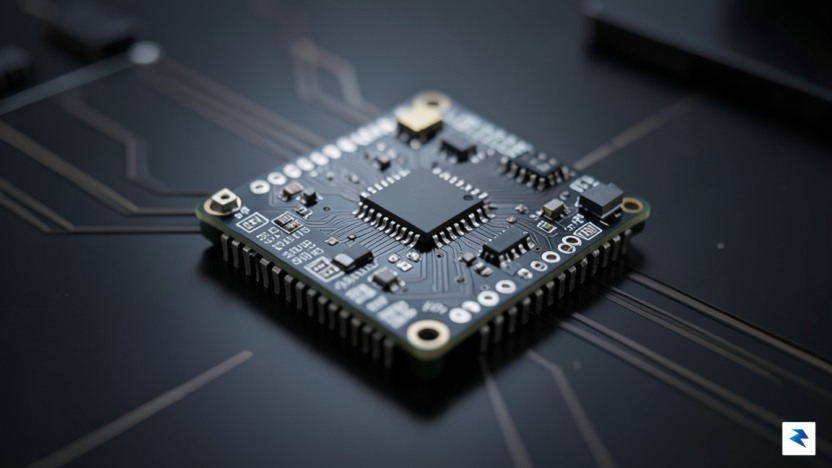
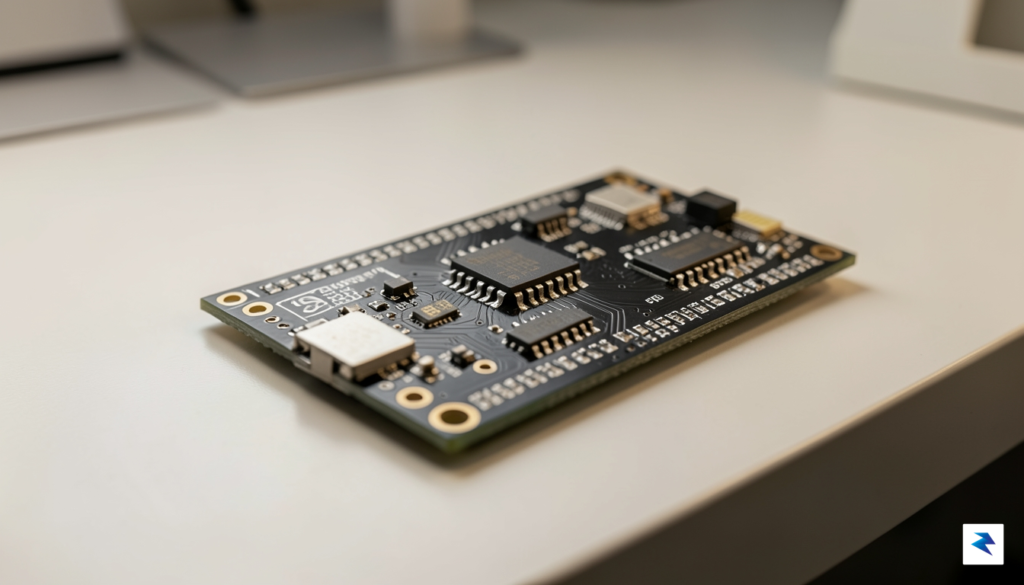
The landscape of hobbyist and industrial computing is shifting as Arduino confirms a significant adjustment to its high-performance Uno Q series. For many developers, the Uno Q represented a sweet spot between accessible microcontroller prototyping and robust, Linux-capable hardware. However, recent market pressures have necessitated a change in the pricing structure for these boards. Specifically, the entry-level 2GB model, which previously retailed for $44, will now be priced at $59, marking a notable increase that reflects both supply chain constraints and the rising costs of raw silicon components. The 4GB model is likewise seeing a corresponding climb, ensuring that the premium tier maintains its relative value proposition while acknowledging the new fiscal reality of modern hardware production.
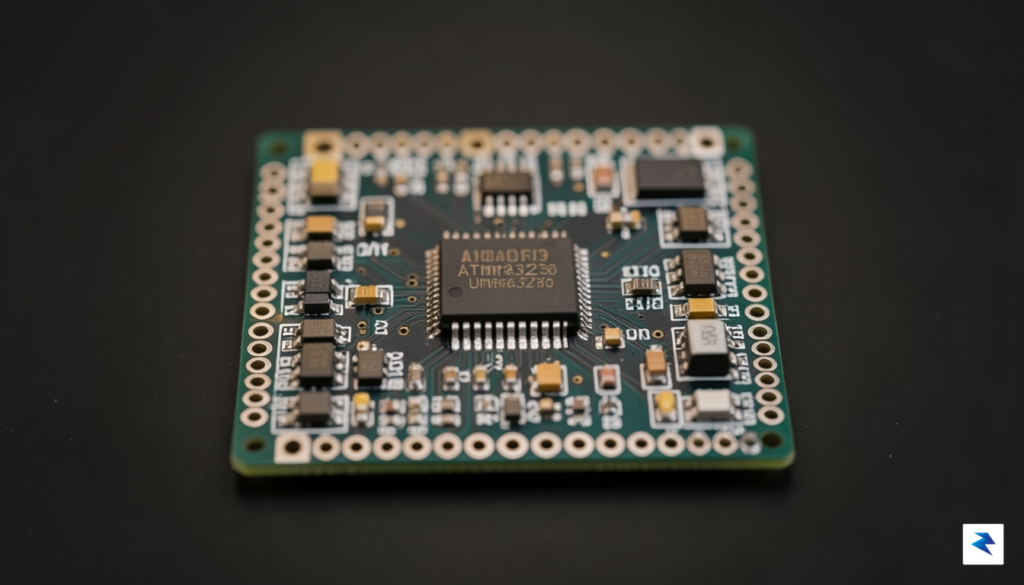
To understand why these increases are occurring, it is essential to look at the broader market reality currently facing hardware manufacturers. Over the past few years, the global semiconductor industry has faced unprecedented volatility, characterized by fluctuating costs for copper, gold, and specialized high-speed memory chips. Arduino has historically managed to shield its community from these pressures through aggressive optimization and lean manufacturing strategies, often maintaining stable pricing long after competitors were forced to hike theirs. By absorbing these costs for as long as possible, the company maintained a lower barrier to entry; however, the sustained inflation in logistics and component procurement has eventually necessitated this adjustment to ensure the long-term sustainability of the product line.
The decision to raise prices is never taken lightly, as it directly impacts the developers and students who rely on these boards to turn concepts into reality. Yet, this recalibration is a necessary step to maintain the quality and support that the ecosystem demands.
When comparing this move to historical Arduino pricing strategies, we can see a clear departure from the company’s traditional “low-cost, high-volume” approach. In previous decades, Arduino’s primary mission was to keep the cost of microcontrollers as low as possible to foster education and rapid prototyping. The Uno Q series, however, occupies a different space in the current market, acting more like a Single Board Computer (SBC) than a traditional microcontroller. Consequently, the pricing model is shifting away from the ultra-budget hobbyist philosophy and toward a more sustainable, industrial-grade pricing strategy that reflects the increased computing power and memory capacity offered by these modern boards.
Ultimately, while an increase in price is rarely welcomed by the enthusiast community, it is a reflection of the reality of high-performance computing today. Developers who have integrated the Uno Q into their professional or commercial workflows should view this as a stabilization of the supply chain rather than a simple markup. By acknowledging these costs transparently, Arduino is signaling a commitment to keeping these boards available and fully supported for the long term, rather than compromising on quality or stock availability in an attempt to keep prices artificially low.

The recent price adjustment for the Arduino Uno Q is not an isolated incident; rather, it serves as a visible ripple effect caused by the profound instability currently gripping the global semiconductor market. At the heart of this disruption lies the scarcity of specialized silicon, such as the Qualcomm Dragonwing QRB2210. Because these highly specific processors require advanced lithography and dedicated production capacity, any minor bottleneck at a foundry level cascades through the entire ecosystem. When manufacturers like Qualcomm struggle to meet the surging demand for high-performance, low-power chips, the resulting supply deficit forces board designers to pay a premium just to secure necessary inventory, a cost that is ultimately passed down to the end developer.
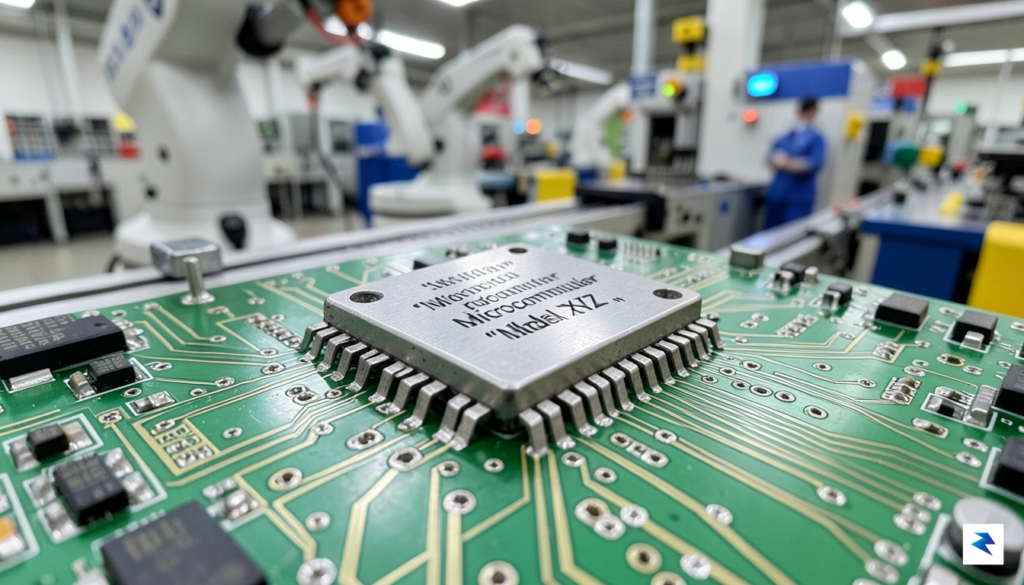
Beyond the silicon itself, the logistics of modern electronics manufacturing have become increasingly fragile and expensive. The costs associated with raw materials—ranging from high-purity gases used in etching to rare-earth metals required for circuitry—have seen significant volatility over the past few years. When these input costs rise, the manufacturing throughput must become hyper-efficient to maintain margins. However, even with peak efficiency, the sheer complexity of the global supply chain means that any geopolitical tension or localized logistical disruption can lead to massive delays in shipping components from fabrication plants to assembly lines. Developers are effectively paying for the assurance that their hardware will actually reach their desks amidst these unpredictable shipping hurdles.
Furthermore, the industry is currently grappling with a persistent “RAM crisis” that continues to exert upward pressure on total bill-of-materials pricing. Memory modules, which are essential for the operation of any modern developer board, are subject to extreme market fluctuations based on demand from larger sectors like enterprise servers and mobile devices. When those primary markets experience high demand, the supply of memory chips for smaller-scale developer boards dwindles, forcing manufacturers to purchase at inflated spot-market rates. This volatility is a primary driver behind the sudden price hikes we see in popular hardware platforms, as memory pricing is often the most unpredictable variable in the assembly process.
Key Takeaway: The rising cost of developer hardware is rarely about individual profit margins; it is a direct reflection of a complex global market where silicon scarcity, raw material pricing, and logistics converge to create a baseline of higher operational expenses.
Ultimately, the current economic climate forces us to rethink the traditional pricing expectations for hobbyist and professional development tools. As we navigate this era of systemic instability, developers should prepare for continued price fluctuations as the industry balances the need for innovation with the harsh realities of supply chain constraints. Understanding these mechanisms—from the silicon foundry to the final retail shelf—provides necessary context for why our favorite tools are becoming more expensive, even as they continue to push the boundaries of what is possible in embedded computing.

At the heart of the Arduino Uno Q lies the Qualcomm Dragonwing QRB2210 processor, a chip that was originally marketed as a bridge between simple microcontroller tasks and full-fledged edge computing. Now that the price has climbed, the debate over whether this architecture justifies the premium has intensified. When evaluating the 2GB versus the 4GB RAM variants, it becomes clear that the value proposition depends entirely on your project’s computational overhead. The 2GB model remains sufficient for standard IoT automation and lightweight sensor processing, but the 4GB tier is where the Dragonwing truly shines, offering the headroom necessary for localized machine learning inference and real-time computer vision tasks that traditional AVR-based boards simply cannot handle.
The specialized I/O capabilities of the QRB2210 provide a unique advantage that often goes overlooked when comparing the board to cheaper, general-purpose competitors. Unlike standard microcontrollers that struggle with high-bandwidth data streams, the Uno Q excels at juggling multiple high-speed interfaces simultaneously. If your application requires intensive data throughput—such as processing high-resolution camera feeds or managing complex industrial communication protocols—the Dragonwing’s architecture ensures that the I/O operations do not become a bottleneck for the main processor. This efficiency is the primary justification for the current price point, as it effectively consolidates what would otherwise require a multi-board solution into a single, compact footprint.
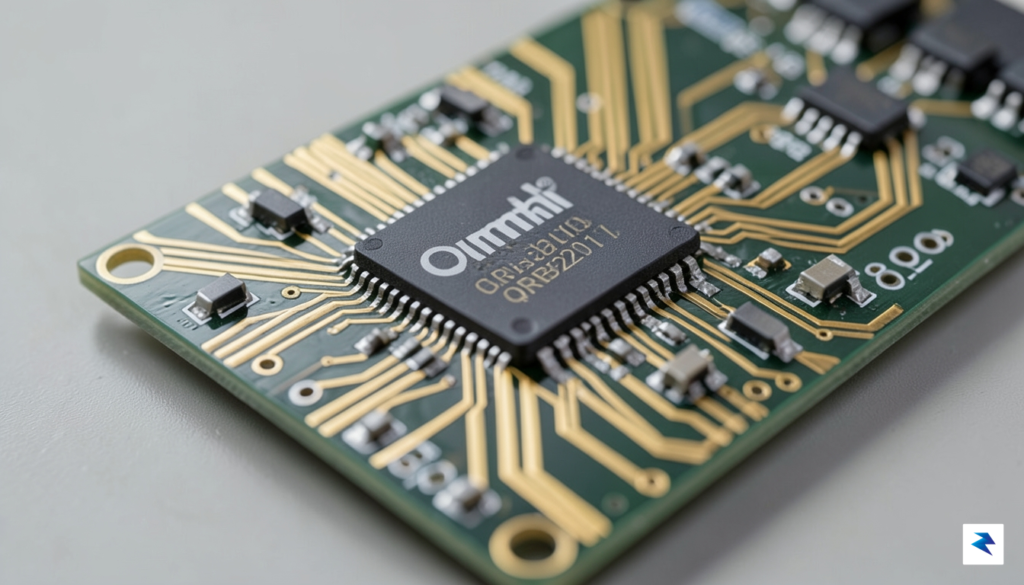
The value of the Uno Q is not found in raw clock speed alone, but in the seamless integration of specialized I/O and low-power, high-performance computing that remains rare in the hobbyist and industrial prototyping space.
However, developers must approach this decision with a critical eye toward their actual requirements. In a market flooded with inexpensive ESP32 and Raspberry Pi Pico alternatives, the Uno Q is moving into a premium tier that demands a clear “why.” If you are building a simple home automation switch or a basic data logger, the cost increase makes the Uno Q difficult to justify; the performance overhead will largely sit idle. Conversely, if your project relies on the specific hardware-level optimizations provided by the Dragonwing architecture, the increased cost is arguably a small price to pay for the stability and computational density it provides. Ultimately, the Uno Q remains a specialized tool for developers who have outgrown entry-level hardware but are not yet ready to commit to the complexity and power consumption of a full-scale single-board computer.
When analyzing the current landscape of rapid prototyping hardware, the Arduino Uno Q occupies a distinct, almost paradoxical position. It sits comfortably in the gap between the bare-bones functionality of basic microcontrollers and the complex, power-hungry nature of full-fledged single-board computers (SBCs) like the Raspberry Pi. While the recent price adjustment might lead some to compare it purely on a spec-for-spec basis against budget-friendly ARM or RISC-V alternatives, such a metric often misses the forest for the trees. Raw computing power is rarely the sole determinant of a project’s success; instead, the reliability of the development environment and the predictability of the hardware often dictate the actual cost of bringing a prototype to market.
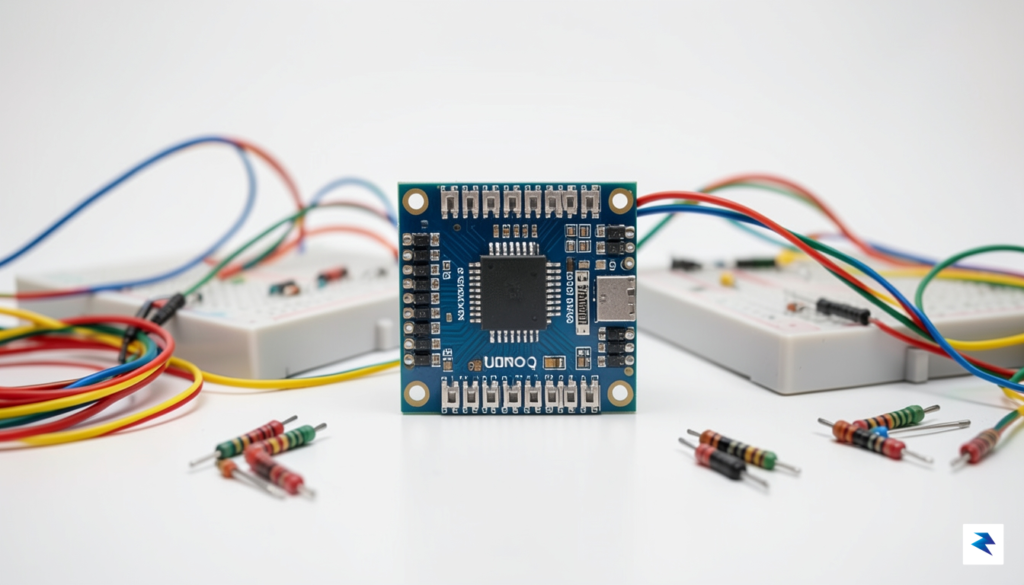
In the world of high-performance microcontrollers, developers are frequently tempted by the low price tags of obscure, high-spec boards that promise superior clock speeds and expanded memory. However, these alternatives often lack the mature software stacks that define the Arduino experience. The real value of the Uno Q lies in its robust ecosystem, which includes decades of refined library support, extensive community troubleshooting, and seamless compatibility with a vast array of hardware shields. For a professional engineer or an ambitious hobbyist, the “hidden” cost of a cheaper board is often found in the hours spent debugging driver incompatibilities or struggling with poorly documented firmware—time that far outweighs a few dollars saved at the point of purchase.
The true value of a development platform is measured not just in clock cycles, but in the speed at which an idea can be transformed into a verified, working prototype.
Furthermore, the decision to invest in the Uno Q even after a price hike reflects a strategic preference for ecosystem reliability over raw hardware specifications. When building industrial monitors, educational kits, or complex IoT devices, the stability provided by the Arduino integrated development environment (IDE) acts as a form of insurance. Developers choose this platform because they know that when a project is deployed, the underlying architecture will be supported for years to come, and the community will remain a vital resource for solving edge-case problems. While competitors may offer more bits and bytes per dollar, the Uno Q remains a cornerstone for those who prioritize project longevity and a frictionless development workflow, proving that sometimes, the most expensive component of an electronic project is the time wasted on an unreliable platform.

The rising costs of foundational development boards like the Arduino Uno Q reflect a broader shift in the DIY computing landscape, signaling that the era of ultra-cheap, disposable microcontrollers may be evolving into a more considered, value-driven market. As hardware pricing becomes increasingly volatile due to global supply chain pressures and the integration of more sophisticated components, hobbyists and professionals alike must adopt a more strategic approach to project lifecycles. Rather than viewing a price hike as a mere budgetary annoyance, developers should treat it as an opportunity to refine their procurement habits and architectural decisions. Long-term viability in modern prototyping now depends on shifting away from a “board-first” mentality toward a more modular design philosophy that prioritizes component longevity and power efficiency.

To navigate these shifts effectively, developers should embrace a tiered approach to hardware selection. For initial proof-of-concept stages, it is often wise to stick with high-end, feature-rich boards that offer robust support and extensive documentation, as these platforms significantly accelerate the development timeline. However, once a project moves toward mass production or permanent installation, developers should actively explore lower-power or application-specific alternatives that offer a more favorable price-to-performance ratio. By decoupling the prototype hardware from the final product architecture, makers can better insulate themselves from sudden market fluctuations. Inventory management has also become a critical skill; maintaining a modest stockpile of essential components ensures that minor price spikes do not derail active projects or stall research and development efforts.
Successful innovation in a changing hardware market requires moving from reactive purchasing to proactive design, where project scaling and hardware abstraction become standard practices.
The Arduino brand remains a cornerstone of the maker ecosystem, largely because its value proposition extends far beyond the physical board itself. Its true strength lies in the vast community, the mature software libraries, and the seamless integration of professional-grade development environments. Even as prices for specific units like the Uno Q fluctuate, the “Arduino tax”—the premium paid for reliability and ease of use—remains a sound investment for projects where uptime and developer productivity are paramount. Ultimately, the future of the ecosystem is not defined by the cost of a single chip, but by the ability of developers to adapt their workflows. By diversifying skill sets to include different architectures and prioritizing efficient code that can run on more modest hardware, the maker community will undoubtedly continue to thrive despite the shifting economic realities of global electronics manufacturing.
You must be logged in to post a comment.