
Why AI Investment Should End the Hiring Freeze in Australia
The AI Hiring Paradox: Rethinking the Freeze In the current Australian economic landscape, a peculiar trend has taken root: businesses are…


The smartphone industry is currently undergoing its most significant architectural shift in over a decade, as manufacturers scramble to embed generative AI directly into the silicon of their latest devices. While the marketing narrative focuses on the convenience of real-time translation, generative photography, and intelligent personal assistants, a quieter, more concerning transformation is occurring within the global supply chain. For years, the budget Android market has thrived by leveraging mature, cost-effective components to offer reliable performance at a fraction of the cost of flagship models. However, this ecosystem is now colliding with the aggressive demands of the artificial intelligence revolution, creating a paradoxical scenario where the race for smarter software is effectively pricing out the very consumers who rely on accessible hardware.

At the heart of this disruption is a massive, industry-wide bottleneck in the supply of high-performance memory and storage. To run advanced large language models locally—rather than relying solely on cloud-based servers—devices require a significant increase in DRAM capacity and high-speed NAND flash storage. As major tech companies pivot their product roadmaps to satisfy the AI-hungry market, they are consuming a disproportionate share of these essential components. This surge in demand has triggered a predictable, yet severe, inflationary effect on the costs of raw materials. According to recent market analysis from industry research firms like Omdia, the sustained pressure on memory supply chains has led to a notable uptick in component pricing, which is inevitably trickling down to the final retail price of mobile devices.
The integration of generative AI is not just a software update; it is a hardware-intensive endeavor that necessitates a higher baseline for RAM and storage, effectively raising the price floor for every smartphone in the production pipeline.
For the budget-friendly segment of the Android market, this shift is particularly punitive. Manufacturers who previously operated on razor-thin margins are now finding it increasingly difficult to source the necessary memory chips without passing those costs onto the consumer. Where a entry-level phone might have once featured 4GB or 6GB of RAM as standard, the new AI-driven baseline is shifting toward 8GB or more to ensure basic functionality, even if the user never engages with the advanced AI features. Consequently, the “affordable” smartphone is becoming an endangered species. As the industry prioritizes high-margin, AI-ready flagships, the budget category is being squeezed by both supply shortages and the necessity for more expensive internal components, setting the stage for a future where even the most basic handset carries a premium price tag.
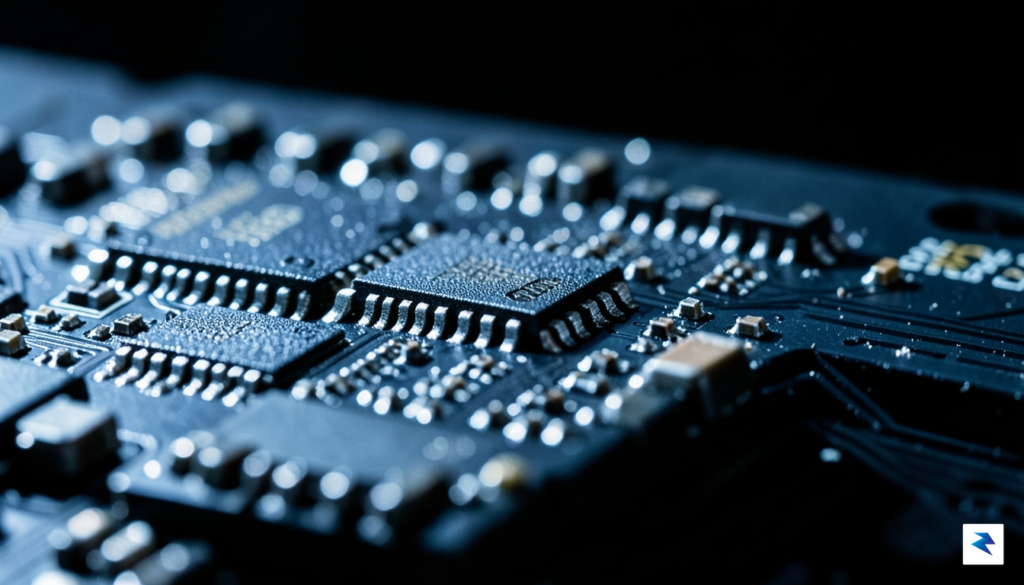
At the heart of every smartphone lie two critical components: DRAM, which acts as the device’s high-speed “short-term memory” for running apps, and NAND flash, which serves as the permanent “storage” for your photos, operating system, and files. In recent years, these components have become the primary battleground for a global supply chain struggle. As manufacturers race to integrate sophisticated artificial intelligence into mobile devices, the demand for high-capacity, ultra-fast memory has skyrocketed. Because these AI models—which power features like real-time translation, generative photo editing, and advanced voice assistants—require significantly more data to be processed locally on the chip, phone makers are being forced to pack more DRAM and NAND into even entry-level handsets.

This technical evolution has triggered a classic supply-and-demand imbalance that directly impacts the consumer electronics market. Major memory manufacturers are currently prioritizing the production of high-margin, high-density chips destined for massive AI data centers and premium flagship smartphones. Consequently, budget phone manufacturers are finding themselves at the back of the line, facing a constrained supply of the essential memory modules required for affordable devices. When the availability of these components dips, their market price inevitably rises, creating a phenomenon often described as “memory inflation.” Because memory chips can account for a substantial portion of a smartphone’s total bill of materials, even a modest increase in procurement costs creates immense pressure on manufacturers’ profit margins.
The integration of on-device AI isn’t just a software upgrade; it is a hardware-intensive shift that fundamentally changes the baseline requirements for modern mobile architecture.
To maintain profitability while facing these elevated component costs, manufacturers are left with few viable options. They must either settle for lower-quality hardware, which compromises the user experience, or pass the increased costs directly to the consumer. For buyers who typically shop in the budget or mid-range tiers, this means the days of seeing significant jumps in storage capacity—like moving from 64GB to 128GB at the same price point—may be coming to an end. Instead, we are likely to see a period where prices remain stagnant while hardware specifications plateau, or worse, where base-model prices climb to reflect the new, higher floor for memory procurement. As AI continues to dominate the development cycle, the cost of keeping your digital life stored locally is becoming an increasingly expensive proposition.
For manufacturers operating in the budget smartphone space, the current push toward integrated artificial intelligence has triggered a difficult zero-sum game. To run sophisticated generative AI models locally, devices require significantly more RAM and more powerful neural processing units than previous generations. Because these high-end components command a premium, brands are caught in a financial vise: they must either absorb the cost—eroding thin profit margins—or pass the price hike on to the consumer. For the budget-conscious buyer, this creates a bleak reality where the affordable phones of yesterday are becoming increasingly difficult to engineer without significant hardware concessions.
To keep retail prices steady, manufacturers are increasingly forced to engage in a delicate balancing act of hardware trade-offs. When the budget is consumed by the need for faster memory and AI-ready processors, other essential specifications often end up on the cutting block. We are beginning to see a decline in display quality, with more mid-range devices opting for lower-resolution panels, or a stagnation in battery capacity despite the higher power demands of AI background processes. Similarly, camera sensors—long the primary selling point for budget Android devices—are seeing less innovation as companies prioritize the silicon required to power software-based feature sets.
This situation has led to the rise of “AI-lite” experiences, where companies attempt to bridge the gap by offloading heavy computational tasks to the cloud. While this strategy allows manufacturers to market their devices as “AI-enabled” without needing the most expensive hardware, it comes at a hidden cost to the user. These devices often rely on internet connectivity for basic tasks, leading to higher latency and increased data usage. Furthermore, offloading these features can significantly reduce the long-term longevity of the phone; as cloud services evolve and eventually drop support for older models, the “smart” features that justified the purchase price may effectively vanish, leaving the user with an aging piece of hardware that lacks the local capacity to keep up with modern software demands.
The integration of AI into affordable smartphones is creating a performance divide: either pay more for future-proof hardware or accept a device that may feel obsolete the moment it hits the market.
Ultimately, the performance impact of these compromises is substantial. Budget devices that prioritize “AI buzzwords” over fundamental hardware stability often suffer from poor multitasking and stuttering interfaces, as the limited RAM is stretched thin by aggressive background AI services. For the average consumer, this means that a phone purchased for its “next-gen features” might actually perform worse in daily tasks than a simpler, non-AI device from two years ago. As the industry continues to chase the AI boom, buyers must look past the marketing hype and carefully evaluate whether the hardware under the hood can actually sustain these features, or if they are simply paying a premium for a software experience that will quickly outpace their device’s capabilities.

The days of the “flagship killer” being defined by raw processing power alone are rapidly fading, replaced by a new era where artificial intelligence serves as the primary differentiator. As manufacturers race to integrate generative models and sophisticated neural engines directly into the silicon, the cost of entry for a capable device is climbing. Historically, consumers could rely on a vast ecosystem of sub-$200 smartphones that offered surprisingly smooth performance for day-to-day tasks. However, as AI features become the standard benchmark for competitiveness, the hardware floor is rising. To support these resource-heavy AI workloads locally, even entry-level devices will soon require more robust Neural Processing Units (NPUs) and higher memory capacities, effectively pushing the baseline price of a “decent” phone into the mid-range territory.

To mitigate these rising hardware costs, many manufacturers are likely to pivot toward cloud-based AI solutions. By offloading complex computational tasks to remote servers, companies can theoretically keep local hardware requirements—and thus retail prices—lower. Nevertheless, this shift introduces significant trade-offs that consumers must navigate. Relying on cloud processing inevitably introduces latency, which can result in sluggish responses during real-time tasks like live translation or image editing. Furthermore, routing personal data through external servers raises valid concerns regarding privacy and security, as users may lose control over the information being processed by third-party models in the cloud.
The transition from on-device AI to cloud-based processing represents a fundamental shift in the privacy-performance contract between manufacturers and their users.
This technological evolution will almost certainly lead to increased market consolidation. As the barrier to entry rises, smaller vendors who lack the scale to subsidize expensive AI integration or the infrastructure to maintain massive cloud-computing arrays may find themselves unable to compete. We are likely moving toward a market dominated by a handful of mega-vendors who can leverage their massive user bases to offset the development costs of proprietary AI ecosystems. While this might lead to more polished software experiences, it also threatens to limit consumer choice, effectively thinning the herd of budget-friendly Android options. Ultimately, the future of the budget smartphone landscape looks less like a wide-open market of diverse hardware and more like a tiered subscription-based model, where the cost of entry is tethered not just to the device itself, but to the intelligence it promises to deliver.

As the integration of sophisticated AI features becomes the primary justification for rising smartphone price tags, it is easy to feel pressured into paying a premium for hardware you might never fully utilize. To navigate this landscape effectively, you must learn to distinguish between genuine performance upgrades and marketing fluff. For the average user, the speed of a processor’s neural engine is far less critical than the quality of the display, battery longevity, and the overall reliability of the software interface. Before committing to a high-priced device, ask yourself if the advertised AI enhancements—such as generative photo editing or real-time language translation—are tools you will actually incorporate into your daily routine, or if they are simply novelties that inflate the cost of your handset.

One of the most effective strategies for finding value in a shifting market is to pivot your attention toward the previous year’s flagship models. These devices often feature premium build quality, superior camera sensors, and robust processors that remain more than capable of handling modern applications for years to come. By opting for a high-end phone from eighteen months ago, you can often secure a superior user experience for a fraction of the cost of a brand-new release that prioritizes AI-specific hardware. Additionally, the refurbished market has become increasingly reliable, with many manufacturers and reputable third-party retailers offering certified pre-owned devices that include warranties and guaranteed battery health, further mitigating the risks traditionally associated with buying used tech.
The true value of a smartphone is no longer defined solely by its raw processing power, but by its longevity and the manufacturer’s commitment to long-term software stability.
Beyond the physical specifications, you should prioritize the longevity of software support as a key metric for your purchase. A phone that receives five years of security patches and OS updates is inherently more valuable than a cheaper device that will be obsolete within twenty-four months due to a lack of support. When researching potential models, check the manufacturer’s update policy explicitly; companies that offer extended support windows are essentially providing an insurance policy against premature upgrades. By focusing on software longevity and disregarding the pressure to chase the latest AI trends, you can make a purchase that remains functional, secure, and satisfying long after the current marketing cycle has moved on to the next generation of hardware.
You must be logged in to post a comment.