
Top 10 Fun Discord Bots
Are you looking to spice up your Discord server with some fun and engaging bots? Do you want to create an environment that keeps your members…
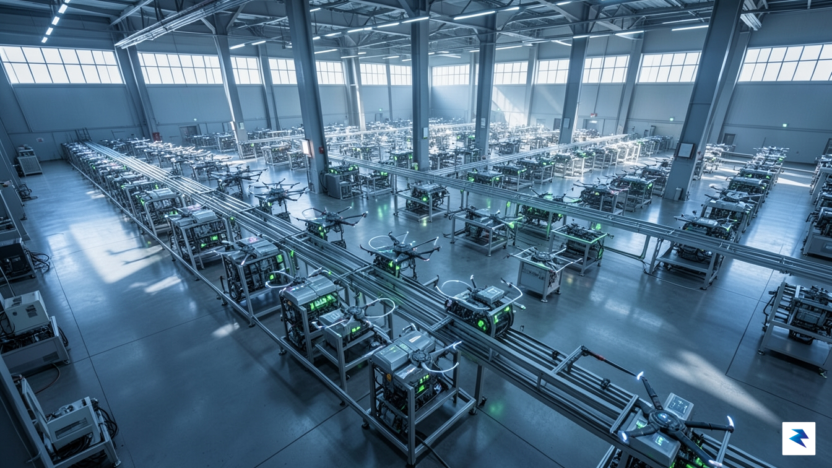
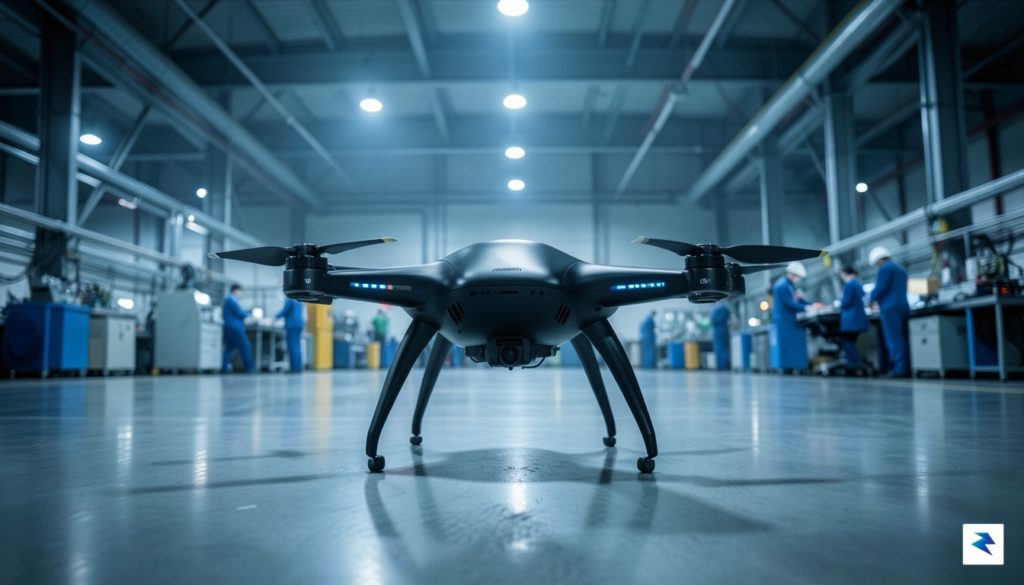
The landscape of global conflict is currently undergoing its most significant transformation since the invention of the jet engine, yet this revolution is not fueled by larger cannons or heavier armor. Instead, the battlefield is being redefined by smarter, more agile software that can adapt to chaos in real time. For decades, military dominance was synonymous with monolithic, multi-billion-dollar hardware programs that took years to design and decades to deploy. Today, however, the paradigm has shifted toward “software-defined” systems, where the core capability of a weapon resides in its code rather than its chassis. This transition marks the end of the boutique, gold-plated military era and the dawn of mass-produced, expendable aerial systems that can be updated as quickly as a smartphone app.
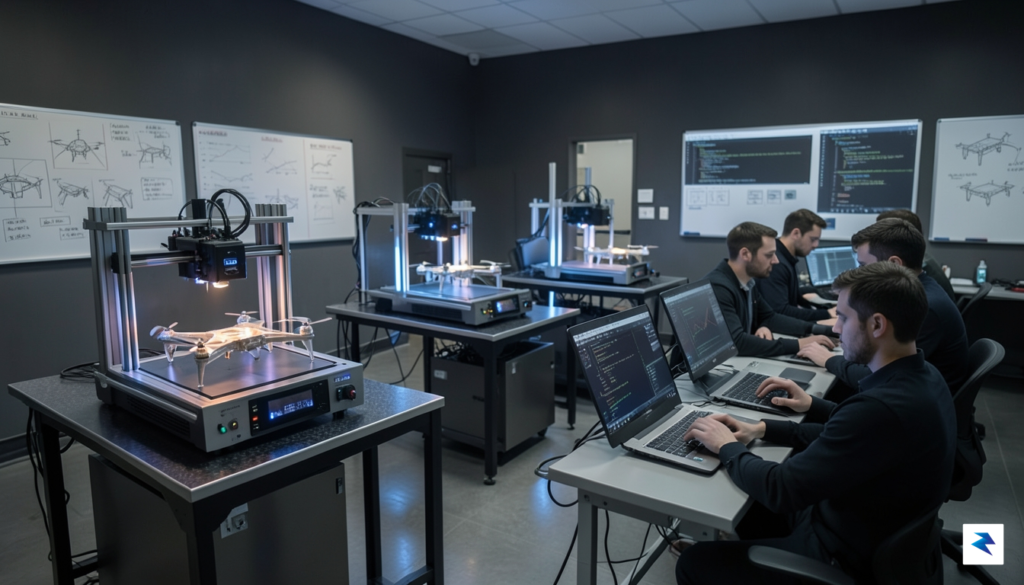
Ukraine has inadvertently become the global laboratory for this radical shift, forced by necessity to reinvent the economics of attrition. In the face of sophisticated electronic warfare and near-constant jamming, traditional defense procurement—with its glacial bureaucratic cycles—has proven too rigid to survive. When a drone’s communication frequency is blocked, a legacy system might be rendered useless for months while officials authorize a hardware retrofit. By contrast, Ukraine’s localized drone industry operates on a model of rapid, iterative development, often pushing firmware patches to the front lines within hours of a new threat emerging. This agility allows their fleet to evolve alongside the battlefield, turning what would have been a catastrophic failure into a simple software update.
“The modern battlefield doesn’t belong to the most expensive machine; it belongs to the side that can iterate its software the fastest.”
This new reality stands in stark contrast to the legacy defense contracting model, which has historically prioritized long-term reliability and extreme durability over speed of innovation. While legacy corporations spend years conducting flight tests for a single platform, tech-savvy startups are churning out thousands of units that are designed to be “disposable” yet highly capable. By leveraging off-the-shelf consumer components and open-source flight controllers, these manufacturers are bypassing the traditional supply chain entirely. This shift does more than just lower costs; it democratizes the ability to project power, ensuring that even a smaller force can maintain technical parity with a much larger adversary by treating every drone as a node in a vast, self-correcting digital network.

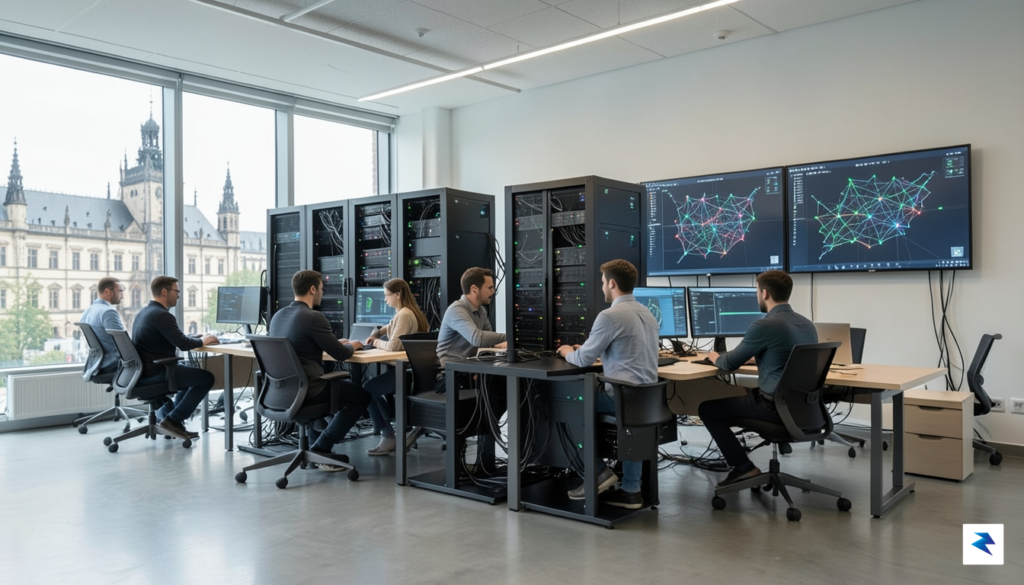
Founded in 2021 by a trio of veterans from the worlds of technology and intelligence, Helsing SE has rapidly transformed from a niche startup into the vanguard of a burgeoning European defense-tech sector. The company was born out of a perceived vacuum in the continent’s military capabilities: while the United States dominated in AI-driven combat systems, Europe remained tethered to legacy hardware and bureaucratic procurement cycles. Helsing set out to change this by championing a philosophy of “software-defined defense.” Rather than attempting to reinvent the complex, multi-billion-dollar airframes or naval vessels that take decades to develop, the firm focuses on the “brain” of the machine. By creating modular, AI-powered software stacks that can be retrofitted into existing hardware, they provide an agile solution that elevates the battlefield efficacy of current military assets without requiring a total overhaul of the fleet.
This strategic approach allows Helsing to operate at the speed of software development, a stark contrast to the traditional defense contractors that have long dictated the pace of European military modernization. Their business model is built on the integration of edge computing and real-time data processing, enabling hardware—be it drones, armored vehicles, or surveillance platforms—to analyze threats and make autonomous decisions in contested environments where GPS or communication links might be jammed. This is not merely about automation; it is about providing commanders with an intelligence edge that ensures sovereignty in a volatile geopolitical landscape. By embedding these capabilities into the German industrial base, Helsing is effectively bridging the gap between Silicon Valley’s rapid innovation cycle and the rigorous, highly regulated requirements of the European defense establishment.
“Software-defined defense is not just an upgrade; it is a fundamental shift in how we conceive of security. By prioritizing flexible, intelligent software, we allow European forces to adapt to emerging threats in weeks rather than decades.”
The significance of Helsing’s growth extends far beyond the bottom line of a single startup; it is a critical component of a broader push for “strategic autonomy” across the European Union. As member states increasingly recognize the risks associated with an over-reliance on non-European military technology, companies like Helsing are becoming essential partners in re-building an independent security architecture. Their expansion is seen as a bellwether for the German economy, signaling a shift toward a more proactive, technology-first defense industry. By nurturing a home-grown ecosystem of talent that understands both deep-learning algorithms and the harsh realities of front-line combat, Helsing is positioning Europe to not only participate in the next generation of warfare but to define the ethical and operational standards that will govern it for years to come.
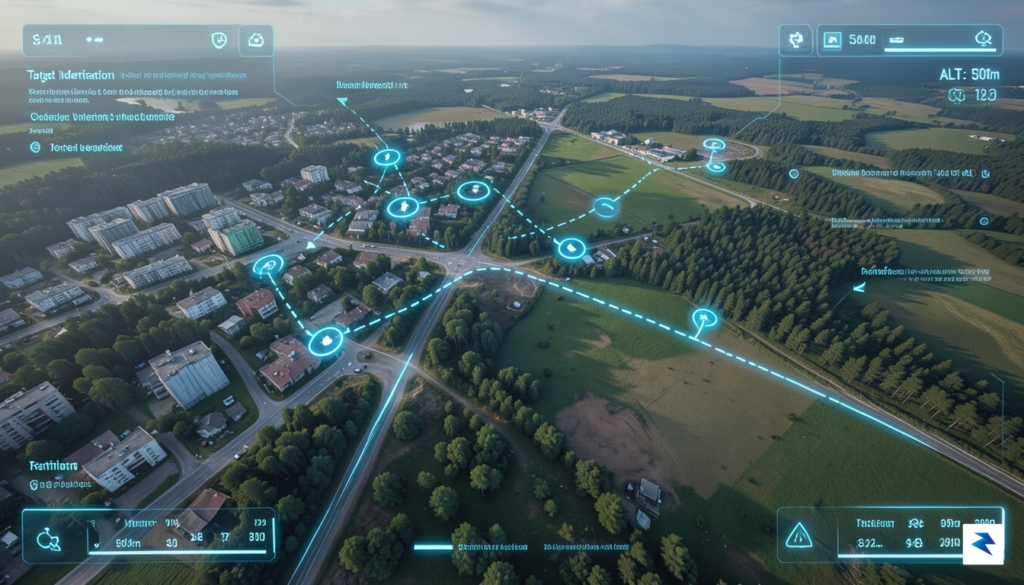
In the high-stakes theater of modern aerial warfare, the traditional reliance on constant satellite navigation is rapidly becoming a liability. As electronic warfare systems flood the skies with interference, jamming GPS signals and severing data links, the drones that remain operational are those equipped with sophisticated, onboard artificial intelligence. By utilizing machine vision and inertial navigation, these drones can effectively “see” the terrain below, matching visual landmarks against pre-loaded maps to maintain their course even when external signals are completely severed. This move toward autonomous navigation is not merely a convenience; it is a fundamental shift in survival tactics that ensures mission success despite the most aggressive counter-measures.
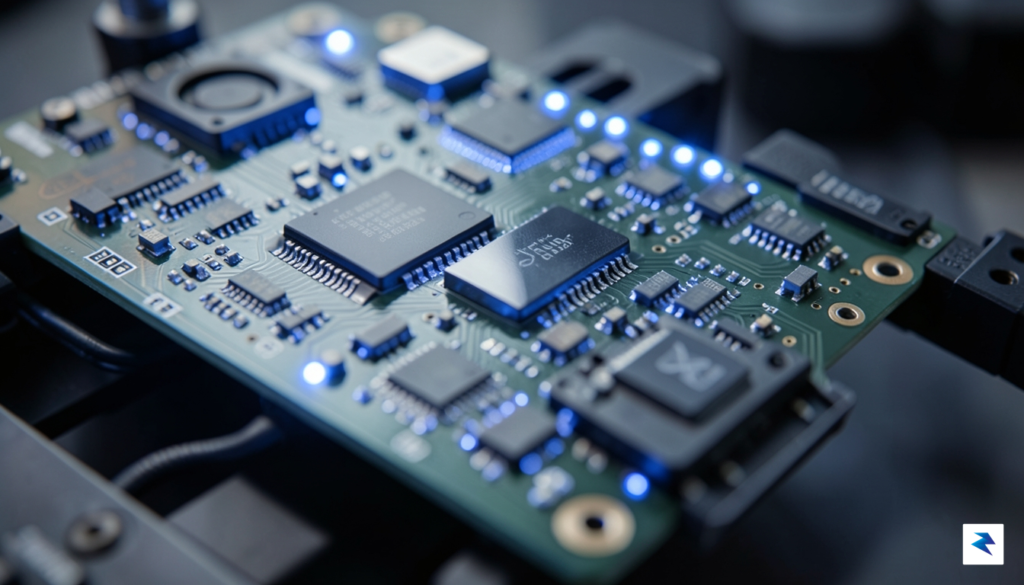
Beyond navigation, the true force multiplier of AI lies in its ability to reduce the cognitive burden on human operators who are often working under extreme pressure. Identifying a camouflaged target in a cluttered landscape is a task prone to human error, especially when a pilot is operating under the stress of a combat environment. AI-driven object detection algorithms allow these drones to autonomously classify targets, marking vehicles or defensive structures with pinpoint precision. By filtering out noise and highlighting relevant threats, the software allows the pilot to transition from a manual operator to a high-level supervisor. This symbiotic relationship between human decision-making and machine-speed processing significantly increases the probability of a successful strike while minimizing the time the drone remains vulnerable in the target area.
The most effective war drone is no longer defined by its propeller thrust or battery capacity, but by the agility of its code and its ability to adapt to a changing electronic landscape in real-time.
Perhaps the most critical aspect of this technological evolution is the concept of software-defined resilience. Because the battlefield environment is constantly shifting—with adversaries frequently updating their jamming frequencies and detection protocols—hardware that is “locked” at the time of manufacture is effectively obsolete within weeks. Ukraine’s drone manufacturing ecosystem has pivoted to a modular, software-first architecture that allows for rapid, remote updates. Through continuous deployment cycles, developers can push new algorithms to drones in the field, effectively “patching” them against new electronic threats or improving their target recognition capabilities overnight. This iterative process ensures that the fleet remains a moving target for the enemy, forcing adversaries to constantly chase a technological advantage that is being rewritten in real-time.
Ultimately, the integration of AI is transforming these aerial systems from simple remote-controlled aircraft into intelligent, adaptive agents. As the conflict continues to drive innovation at a breakneck pace, the gap between those relying on static hardware and those utilizing software-defined defense is becoming increasingly apparent. By prioritizing the development of onboard autonomy, designers are not just building better drones; they are creating a flexible, intelligent infrastructure that can withstand the relentless pressures of a modern, electronic-heavy battlefield.
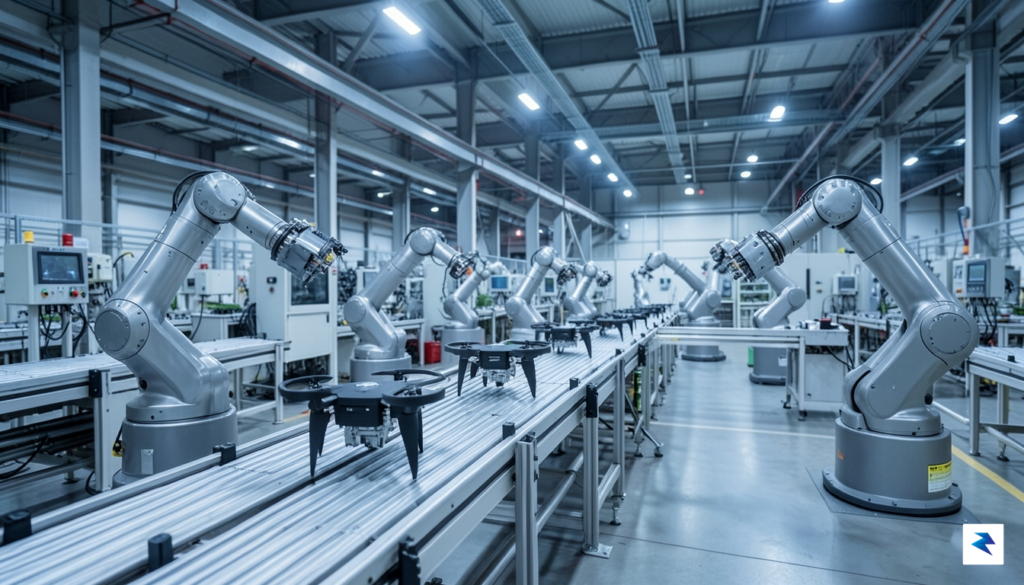
For decades, the global defense industry has been anchored to the philosophy of the “gold-plated” procurement cycle, where military dominance is defined by monolithic, multi-billion-dollar platforms like fifth-generation fighter jets. These assets are marvels of engineering, but their staggering price tags and decadal development timelines make them fundamentally ill-suited for the realities of modern attritional warfare. Today, the battlefield in Ukraine is witnessing a tectonic shift: the rise of the expendable, mass-produced, AI-powered drone. This transition marks the end of an era where a single lost aircraft could constitute a strategic catastrophe, moving instead toward a model where hardware is as replaceable as the batteries that power it.
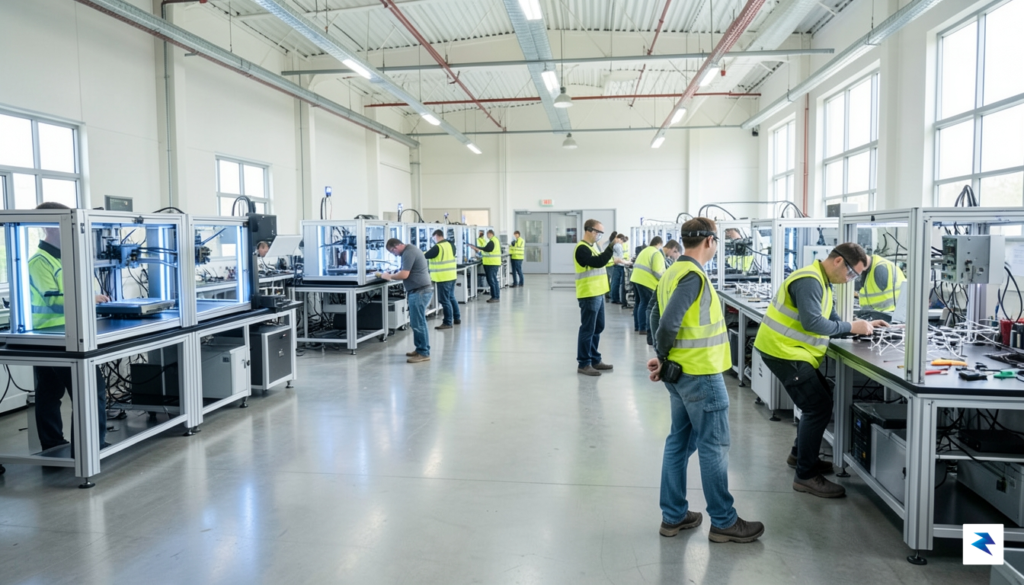
The economic logic driving this change is rooted in the concept of scalable lethality. By utilizing modular, off-the-shelf components—such as commercial-grade flight controllers, standardized motors, and widely available high-resolution optics—factories can bypass the bloated, bureaucratic supply chains of traditional defense contractors. This modularity allows manufacturers to iterate at the speed of software, updating drone capabilities through rapid firmware patches or component swaps rather than waiting for years-long hardware refits. Consequently, these factories are transforming the drone from a bespoke military asset into a commodity, allowing commanders to deploy swarms that can overwhelm expensive air-defense systems through sheer numerical saturation.
The true strategic advantage of the new drone factory model is not found in the technical superiority of any single unit, but in the mathematical impossibility of defending against a thousand low-cost threats simultaneously.
This shift toward low-cost hardware is a strategic necessity for an environment defined by high-intensity attrition. In a war of movement and constant reconnaissance, the ability to lose dozens of units in a single mission without breaking the bank provides a profound tactical edge. While traditional defense departments struggle with the sunk-cost fallacy—being forced to protect an incredibly expensive, vulnerable platform—the new drone ecosystem embraces disposability. When a drone costs only a few hundred or thousand dollars, it changes the calculus of engagement entirely; it permits commanders to take risks that were previously unthinkable, turning every foot of ground into a contested zone where the cost-per-kill ratio is heavily skewed in favor of the drone operator.
Ultimately, the rise of these mass-production facilities signals a broader democratization of air power. By decoupling advanced surveillance and strike capabilities from the immense industrial infrastructure required to build traditional combat aircraft, smaller entities can now exert influence that was once the sole province of superpowers. As AI integration continues to advance, these swarms will become increasingly autonomous, further reducing the human cognitive load and allowing for even higher rates of deployment. The future of warfare is not found in the singular, majestic machine, but in the relentless, factory-produced output of the drone assembly line.

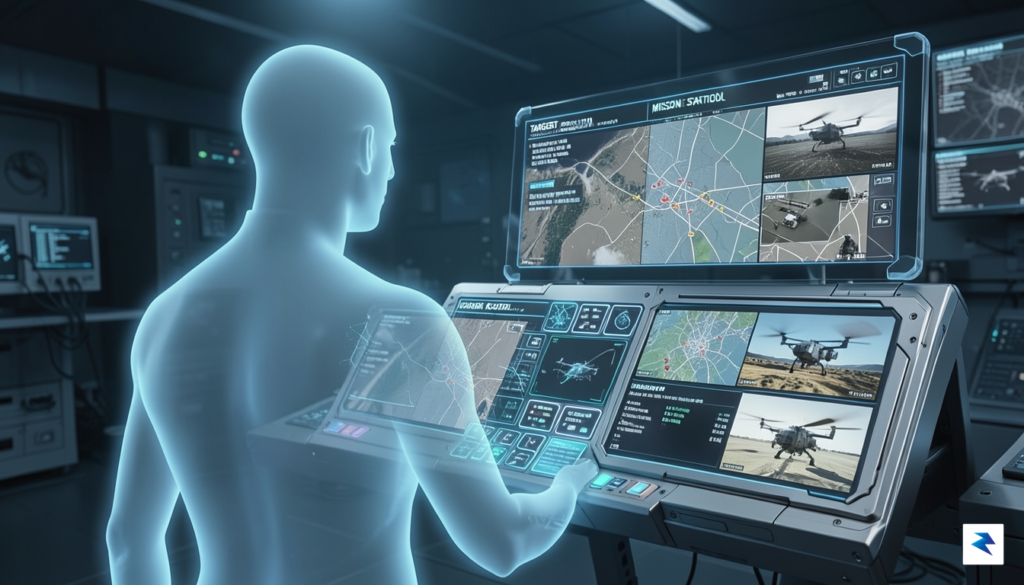
The transition toward AI-powered combat systems marks a profound shift in how nations approach conflict, moving from manual operation to algorithmic engagement. Central to this evolution is the “human-in-the-loop” debate, a concept that insists on maintaining a human commander’s ultimate authority over the decision to deploy lethal force. While proponents argue that human oversight prevents catastrophic errors, critics contend that the sheer speed of modern, AI-augmented combat may soon exceed human cognitive capacity. When a drone can identify, track, and engage a target in milliseconds, the “human-in-the-loop” risks becoming a symbolic gesture rather than a meaningful safeguard, potentially leaving operators to rubber-stamp machine-generated decisions without the time for nuanced moral deliberation.
Beyond the immediate mechanics of target acquisition, the proliferation of these systems introduces volatile variables into international security. The widespread availability of AI-driven drone technology threatens to destabilize traditional deterrence models, as these systems lower the threshold for offensive action. When a state can project lethal, autonomous force without risking its own personnel, the political costs of initiating hostilities diminish significantly. This could lead to a cycle of rapid escalation, where AI-versus-AI encounters spiral out of control before human diplomats can intervene. As these technologies become more integrated into frontline operations, they challenge the very concept of “precision warfare,” raising the danger that autonomous systems might misinterpret civilian activity or non-combatant movements as threats, leading to unintended and irreversible tragedies.
The integration of AI into drone warfare is not merely a technological upgrade; it is a fundamental transformation of the battlefield that necessitates a new global framework for accountability and restraint.
Currently, the pace of private sector innovation is far outstripping the development of international legal and ethical regulations. While non-governmental organizations and international bodies struggle to draft frameworks that address the realities of algorithmic combat, commercial startups are rapidly iterating on drone autonomy, often with little regard for the long-term geopolitical consequences. This regulatory lag creates a dangerous vacuum where technologies are deployed before their ethical implications are fully understood or mitigated. To prevent a future defined by uncontrolled, hyper-speed combat, the global community must move beyond reactive measures and establish binding norms that define the limits of machine autonomy. Without a concerted effort to harmonize technological advancement with international humanitarian law, we risk entering an era where the machines we build to secure our future become the agents of our most uncontrollable conflicts.
You must be logged in to post a comment.