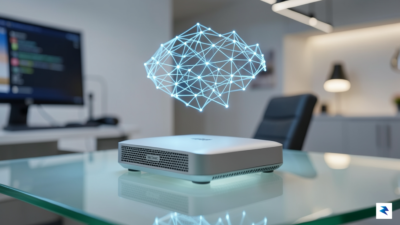
Why Sequential Earthquakes Are More Destructive: Lessons from Venezuela
The Science of Cumulative Seismic Loading When a building is subjected to a seismic event, it undergoes a complex dance of energy absorption…

The recent surge in consumer electronics pricing is far more than a simple reaction to global inflation or supply chain fluctuations; it is the direct financial fallout of an industry-wide scramble to dominate the artificial intelligence landscape. We are currently witnessing an unprecedented “AI arms race,” where major players like Apple, Google, and Microsoft are pouring billions of dollars into infrastructure, specialized semiconductor fabrication, and the acquisition of top-tier machine learning talent. Because these corporations are no longer just selling hardware, but rather competing to embed complex generative models into the very fabric of our operating systems, the traditional economics of product development have been fundamentally upended.
Historically, hardware manufacturers focused their research and development budgets on incremental gains: better battery life, improved screen resolution, or sleeker industrial design. Today, that focus has shifted aggressively toward AI-dependent capability. To support these resource-heavy generative tasks on a mobile device, manufacturers must integrate custom-designed neural processing units (NPUs) and significantly higher volumes of RAM, both of which drive up the bill-of-materials for every unit produced. Consequently, the consumer is no longer just purchasing a smartphone or a laptop; they are subsidizing the massive capital expenditure required to train, refine, and deploy the next generation of large language models. This transition effectively imposes an “AI tax” on every upgrade, as the premium for these advanced capabilities is passed directly down to the end user.

The shift from traditional computing to AI-integrated ecosystems marks a permanent transition in tech pricing models, where the cost of innovation is no longer hidden in the background but reflected in the retail price tag.
Furthermore, the shift in R&D focus from general efficiency to specialized AI performance has created a bottleneck in hardware design. Developing proprietary silicon that can run intensive AI tasks locally—rather than relying solely on cloud-based servers—requires a level of engineering complexity that was previously reserved for high-end enterprise hardware. By forcing this level of power into the palms of our hands, companies are justifying higher price points as a reflection of the “intelligence” now residing within the device. As this trend continues, the hardware cycle will likely become increasingly expensive, as each iteration demands even more sophisticated chips and memory architectures to keep pace with the rapidly evolving requirements of generative AI software.

When consumers look at the latest price tags attached to the MacBook Pro or the refreshed iPad Air, it is easy to default to the common narrative of global inflation and rising supply chain expenses. While Tim Cook and other Apple executives have frequently cited “unsustainable” macroeconomic conditions to explain these upward adjustments, a deeper analysis reveals that these shifts are far more strategic than a simple reaction to market volatility. Apple is currently undergoing a fundamental pivot, transforming its hardware lineup from general-purpose computing tools into specialized vessels designed explicitly for the era of generative AI. By integrating high-performance Neural Engines and ballooning unified memory requirements into the base specifications of their devices, Apple is effectively asking consumers to subsidize the immense computational overhead that on-device machine learning demands.
This “AI tax” is becoming increasingly visible across the entire product ecosystem. For instance, the recent price adjustments for the iPad Air and the MacBook Pro are not merely reflective of better screens or sleeker designs; they are a direct response to the silicon requirements of Apple Intelligence. To run complex large language models locally—thereby ensuring user privacy and low latency—the hardware must possess a specific threshold of neural processing power and high-bandwidth memory. Consequently, entry-level models that once served the average user are being phased out or pushed into higher pricing tiers to accommodate the silicon overhead required for these features. Even the HomePod Mini, while seemingly static, reflects a broader shift toward ambient computing where the hardware serves as an expensive, always-on gateway to an increasingly intelligent, voice-activated ecosystem.
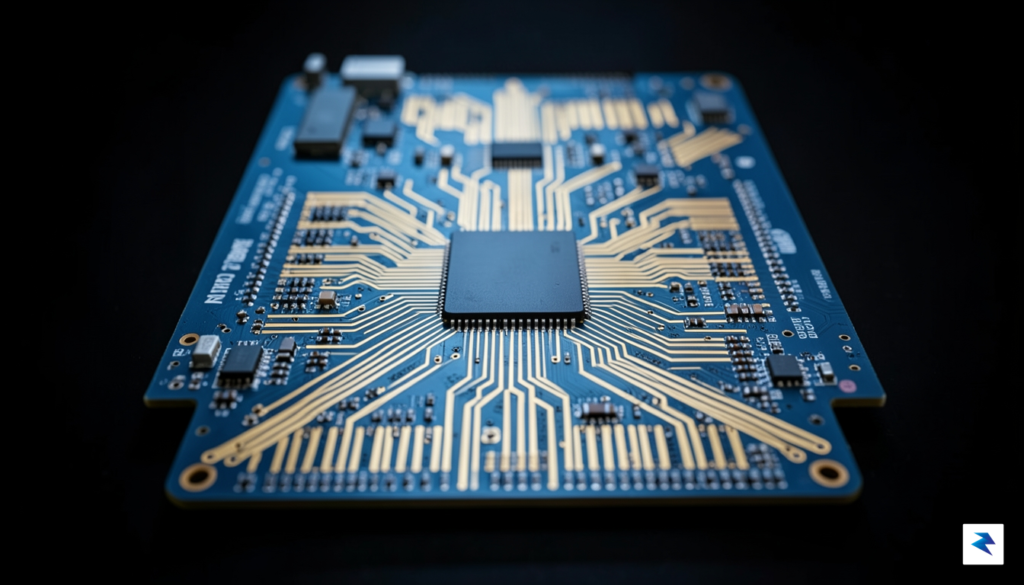
The premium pricing strategy is less about the cost of aluminum or glass and more about the “compute tax” required to sustain a future defined by local artificial intelligence.
Ultimately, this approach represents a deliberate form of market positioning rather than a forced hand by inflation. By baking AI-ready components into the foundation of their hardware, Apple is creating a barrier to entry that justifies a premium price point while simultaneously locking consumers into their proprietary software ecosystem. This creates a cycle where the hardware is useless without the intelligence, and the intelligence is inaccessible without the hardware. Whether this strategy will alienate budget-conscious customers remains to be seen, but it is clear that Apple has decided the future of their revenue stream depends on selling not just a computer or a tablet, but a dedicated piece of infrastructure for the next generation of AI-driven productivity.
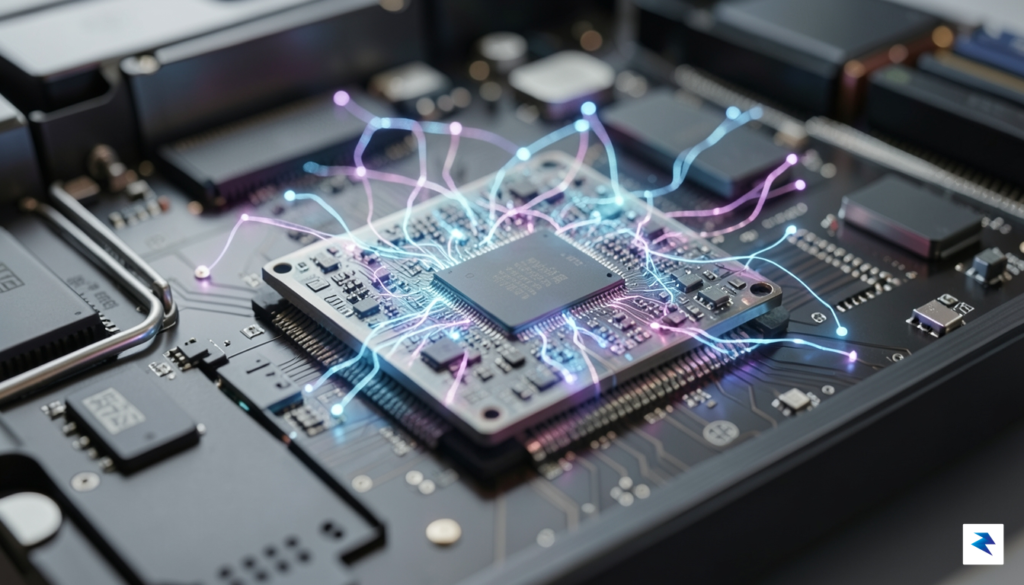
For decades, the cadence of hardware upgrades was defined by tangible improvements that touched the average user’s daily experience: sharper displays, lighter chassis, and batteries that lasted well into the evening. Consumers understood these upgrades as logical steps toward convenience and visual fidelity. However, the current shift toward local artificial intelligence has fundamentally altered this relationship. We have entered an era where hardware specifications are no longer driven by the nuanced needs of the user, but by the voracious appetite of Large Language Models (LLMs). Today, the primary metrics of progress are no longer screen resolution or port variety, but Trillion Operations Per Second (TOPS) and the sheer volume of unified memory required to run neural networks directly on a device.
This transition forces a difficult reality upon the consumer: to remain compatible with the latest software features, one must invest in silicon that is significantly more powerful—and expensive—than what is actually required for traditional computing tasks. While a word processor or a web browser remains relatively lightweight, the operating system layers underneath are increasingly demanding an “AI tax.” By baking these requirements into the silicon, manufacturers effectively render perfectly functional older devices obsolete, not because they cannot handle basic tasks, but because they lack the specific neural engine architecture to satisfy the software’s new baseline. Consequently, the definition of a “capable” machine has been hijacked by the needs of algorithms rather than the productivity needs of the people using them.
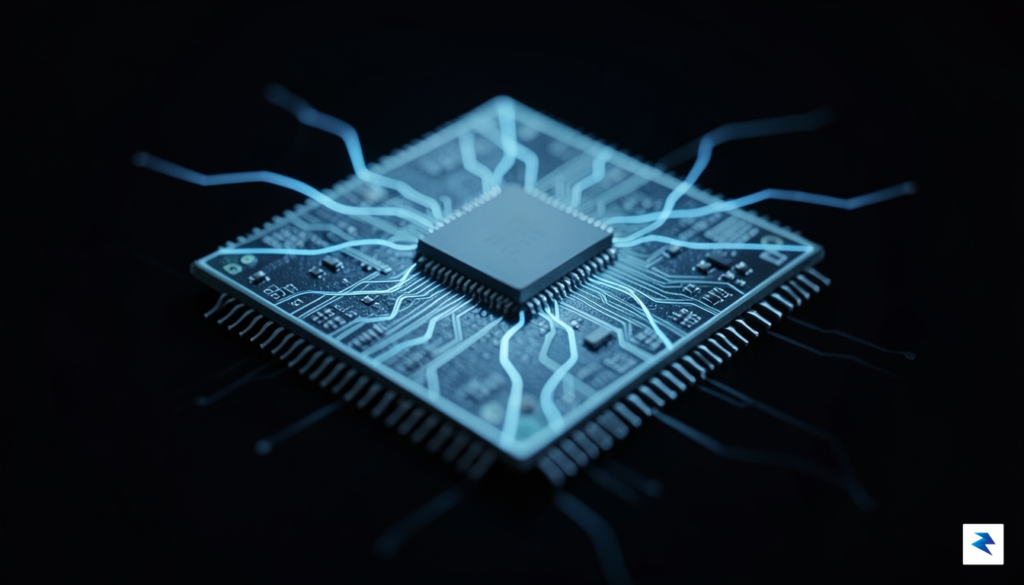
The “future-proofing” argument has evolved from a consumer benefit into a defensive necessity, forcing users to pay for unused compute power just to ensure their device doesn’t become a digital paperweight within eighteen months.
This creates a profound tension between the user’s expectation of longevity and the industry’s push for rapid obsolescence. Historically, a flagship computer could comfortably provide five to seven years of reliable service. Now, the rapid evolution of AI models threatens to shorten that cycle significantly. Because these models require vast amounts of RAM to store parameters locally, users find that their existing hardware is “bottlenecked” by memory limitations that cannot be upgraded. When software updates become inextricably linked to specialized AI hardware, the barrier to entry for a modern, supported device rises sharply. We are no longer simply buying computers to facilitate our work; we are subsidizing the massive infrastructure required to train and run the next generation of generative AI, often paying a premium for hardware capabilities that we may never fully utilize in our day-to-day lives.

The push toward ubiquitous artificial intelligence has transformed from a Silicon Valley experiment into a central pillar of corporate strategy, yet the financial mechanics behind this transition are becoming increasingly transparent—and arguably predatory. When industry titans like Apple leverage their massive market share to hike hardware prices, they are effectively treating their user base as a captive venture capital firm. By offloading the astronomical costs of large-scale model training, specialized server infrastructure, and persistent research and development onto the consumer, these companies are insulating their profit margins against the inherent risks of innovation. This strategy forces the average user to subsidize a technological arms race that they may not have requested, fundamentally altering the traditional contract between a manufacturer and its customer.
This dynamic raises a profound ethical dilemma regarding the responsibilities of the world’s most profitable entities. While it is standard practice for corporations to reinvest earnings into new features, the aggressive pricing strategies currently seen in the tech sector suggest a shift in priorities: the consumer is no longer just buying a product, but is now being billed for the R&D that justifies the existence of that product in a post-AI world. Critics argue that a company with Apple’s historical liquidity should be able to absorb these development costs without penalizing the end user. Instead, the current model prioritizes investor dividends and consistent growth targets over the financial accessibility of its ecosystem, creating a barrier to entry that excludes anyone unwilling or unable to pay the “AI tax” for features that are still in their infancy.

The fundamental question is whether the value proposition of modern AI—which often amounts to incremental improvements in predictive text or image processing—is robust enough to justify a permanent increase in the cost of entry for everyday hardware.
Furthermore, there is a growing disconnect between corporate marketing and consumer reality. Tech giants paint a picture of a revolutionary, AI-driven future, yet many users find the current implementation of these features to be more of a gimmick than a life-changing utility. When a customer is asked to pay a premium for a device specifically because it includes localized machine learning capabilities, they are essentially betting on the future potential of the software. If that potential fails to materialize into tangible, day-to-day productivity gains, the user is left holding the bill for an expensive piece of hardware that has failed to deliver on its primary value promise. This friction between the perceived utility of AI and its actual market price threatens to erode long-term brand loyalty, as consumers begin to question whether they are paying for genuine innovation or merely funding a corporate obsession that serves the bottom line more than the human experience.

The era of predictable, incremental tech upgrades is rapidly fading, replaced by a landscape where artificial intelligence integration often serves as the primary driver for premium pricing. As consumers, the most effective way to navigate this shift is to move away from the allure of marketing buzzwords and toward a rigorous assessment of hardware longevity. Before committing to a high-cost device, ask yourself whether the AI features being touted are truly integrated into your daily workflow or if they are merely novelty tools that will lose their luster within months. If a feature does not solve a specific, recurring pain point in your productivity or personal life, it is likely a nice-to-have rather than a need-to-have, and it shouldn’t dictate your purchasing budget.
To avoid falling into the trap of overpaying for fleeting trends, prioritize hardware reliability and long-term support cycles over the latest generative AI bells and whistles. Look closely at the manufacturer’s promise for software updates and security patches, as these factors are far more indicative of a device’s actual lifespan than the ability to generate a chatbot summary. A device that remains fast, secure, and compatible with your essential applications for five years provides significantly more value than a bleeding-edge machine that becomes sluggish or obsolete the moment the next hardware architecture is released. When evaluating a purchase, treat the hardware as a multi-year investment; if the primary selling point is an AI engine that requires constant cloud connectivity and subscription-based add-ons, you are likely looking at a depreciating asset rather than a tool built for durability.
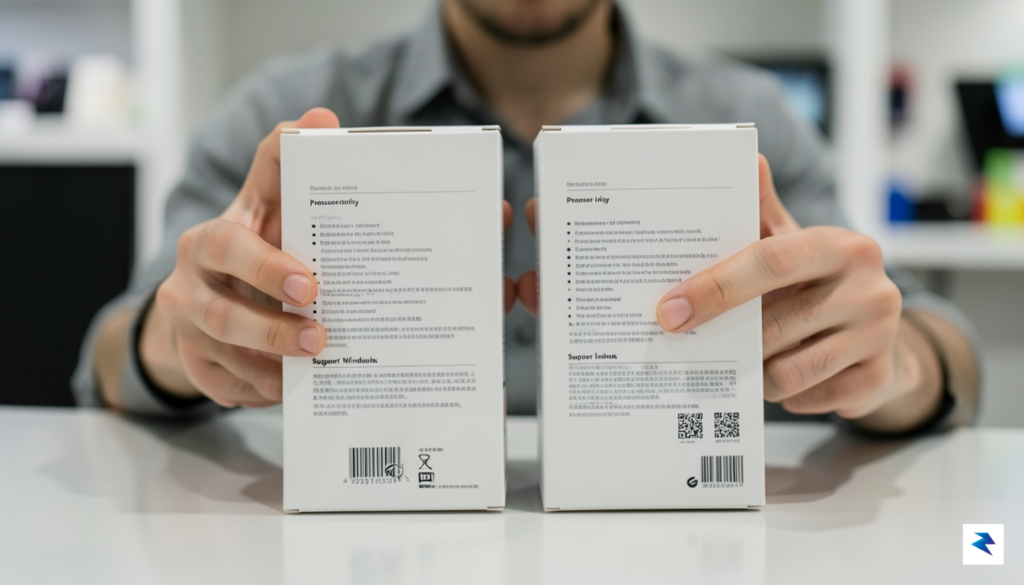
The true cost of a device isn’t just the price on the sticker, but the value it provides over its entire lifecycle. Distinguishing between genuine utility and marketing hype is the most powerful tool you have to protect your wallet.
Furthermore, it is helpful to recognize when an upgrade is truly necessary versus when it is merely a response to market pressure. Many users find themselves upgrading prematurely simply because current software feels “slower,” even when their existing hardware is perfectly capable of handling standard tasks. Before upgrading, perform a baseline audit of your requirements: does your current machine struggle with the professional software you rely on, or are you simply being nudged by notifications to embrace the latest AI-driven operating system? Often, a simple battery replacement or a storage clean-up can extend the life of a premium device for another year or two, allowing you to bypass a cycle of inflated pricing.
Looking ahead, there is reason to believe that these elevated costs will eventually stabilize. As AI integration becomes a standard baseline expectation rather than a premium novelty, hardware manufacturers will be forced to compete on efficiency and value once again. When every competitor offers similar AI capabilities, the market will naturally pivot back toward differentiating through superior build quality, battery life, and competitive pricing models. In the meantime, patience is your greatest strategic advantage; by holding off on early adoption, you allow the technology to mature and the prices to settle, ensuring that when you finally do upgrade, you are paying for a proven, reliable piece of technology rather than a speculative experiment.
You must be logged in to post a comment.