
LastPass Breach: Understanding the Salesforce Data Exposure and Your Security
Understanding the Salesforce Data Exposure The recent security incident involving LastPass centers on unauthorized access to the company’s…

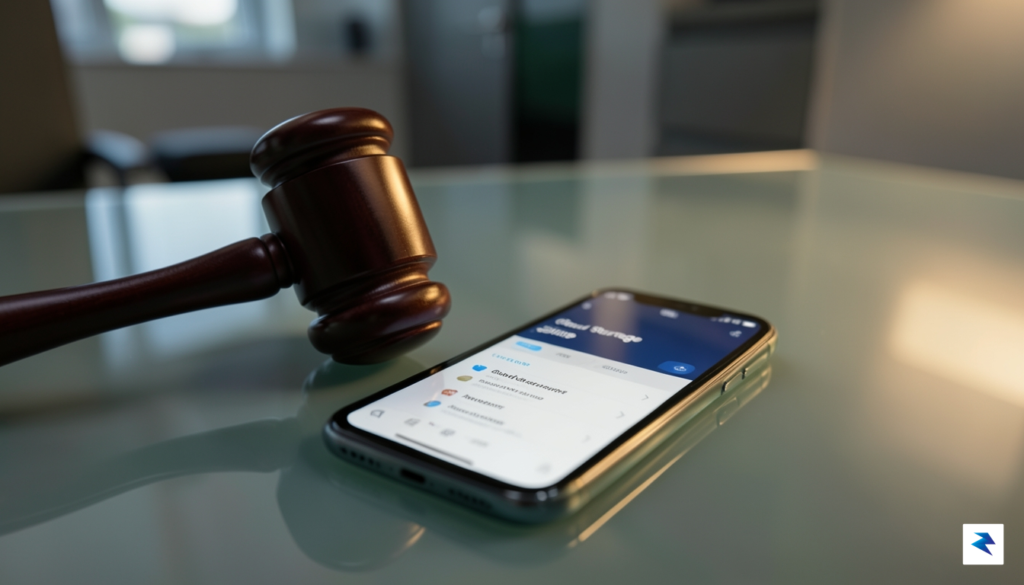
The landscape of consumer rights in the United Kingdom is currently witnessing a historic legal confrontation that could fundamentally reshape how tech giants interact with their users. At the center of this storm is the consumer advocacy group Which?, which has launched a landmark class-action lawsuit against Apple. Valued at approximately £3 billion, the claim centers on allegations that the tech behemoth has leveraged its market dominance to trap users within its ecosystem, specifically through its iCloud storage service. By making it difficult for consumers to choose alternative cloud providers, the lawsuit argues that Apple has effectively stifled competition and forced millions of UK-based customers to pay more for services than they would in a truly open marketplace.
This litigation represents more than just a dispute over cloud storage; it is a direct challenge to the “walled garden” business model that has defined Apple’s growth for decades. The core of the complaint asserts that by restricting the ability of third-party services to integrate seamlessly with iPhones, iPads, and Macs, Apple has engaged in anti-competitive behavior that violates UK competition law. For the estimated 40 million UK users potentially affected by these practices, the outcome of this case could lead to significant financial compensation and, perhaps more importantly, a forced shift in how Apple manages its data storage integrations moving forward.

The path to this moment has been marked by rigorous legal scrutiny and a determined effort by Which? to hold the company accountable. Initially, Apple sought to have the case dismissed or at least significantly narrowed in scope, arguing that the claims lacked sufficient legal merit to proceed as a mass-market class action. However, the court recently handed down a pivotal decision rejecting Apple’s bid to halt the proceedings. By allowing the lawsuit to move forward, the judiciary has effectively cleared the way for a comprehensive examination of Apple’s market practices, signaling that the scale of the company’s influence does not place it beyond the reach of consumer protection statutes.
The Competition Appeal Tribunal’s decision to allow this case to proceed marks a major milestone in the fight for consumer fairness in the digital age, setting the stage for a trial that will scrutinize the balance between platform security and open competition.
With the legal hurdles of the initial dismissal attempt now cleared, both parties are preparing for a protracted and complex trial. The current procedural timeline points toward an October 2028 trial date, a window that gives both the legal teams representing the class and Apple’s defense ample time to gather evidence, testimony, and expert economic analysis. As this date approaches, the case will likely serve as a benchmark for how international technology companies are regulated within the UK, ensuring that the rights of individual users remain a central consideration in the ongoing evolution of the digital economy.

At the center of this legal challenge is the sophisticated architecture of the Apple ecosystem, which critics argue is designed to prioritize convenience for the user while simultaneously creating a “walled garden” that is notoriously difficult to escape. The lawsuit posits that Apple has engineered its iOS software to function as a barrier to competition, effectively tethering users to its proprietary iCloud service through a strategy known as ecosystem lock-in. By tightly integrating iCloud into the fundamental operations of the iPhone and iPad—such as automated device backups, photo library synchronization, and file management—Apple ensures that alternative cloud providers are relegated to secondary, less functional roles that cannot match the seamless experience of their own native offering.
The technical barriers to switching are substantial and, according to the claimants, intentional. While users can technically utilize third-party cloud services like Google Drive, Dropbox, or Microsoft OneDrive on their devices, these services are frequently hampered by system-level restrictions. For instance, iOS does not permit these external services to perform the same deep, comprehensive system backups that iCloud executes automatically in the background. Consequently, a user who wishes to switch away from iCloud finds themselves facing a fragmented experience where they must manually manage data transfers, leading to a significant “switching cost” in both time and technical effort. This friction serves as a powerful deterrent, keeping millions of users within the Apple ecosystem simply because leaving it feels like a monumental chore.
The core of the argument is not that third-party services are banned, but that they are deliberately disadvantaged, preventing a fair market where consumers can choose services based on merit rather than forced integration.
Beyond the technical hurdles, the lawsuit shines a spotlight on the controversial pricing structures associated with iCloud storage. Because Apple controls the hardware and the software ecosystem, they are able to set prices for storage tiers with little fear of losing customers to competitors who might offer better value. When users are essentially “trapped” within a system that makes migration difficult, their price sensitivity diminishes, allowing Apple to maintain premium pricing for its cloud services. Regulators and legal experts view this as a classic anti-competitive strategy; by denying third-party providers the ability to offer a comparable “full cloud experience,” Apple has effectively immunized itself from the competitive pressure that usually drives innovation and reduces costs for consumers in more open markets.

For the average UK consumer, the sheer scale of this litigation—covering an estimated 40 million iCloud users—signals a profound shift in how we perceive digital autonomy. At its core, this is not merely a technical disagreement over cloud storage protocols or subscription pricing; rather, it is a fundamental challenge to the “walled garden” ecosystem that Apple has meticulously cultivated over the last decade. By effectively locking users into their proprietary storage service, the legal argument posits that Apple has stifled competition and leveraged its dominance in the hardware market to force consumers into a sub-optimal, overpriced digital environment. For the millions of individuals who own an iPhone or iPad, this lawsuit represents a crucial moment where the right to choose third-party services without being penalized by their hardware manufacturer is finally being tested in court.

The legal structure of this claim is particularly noteworthy because it operates as an “opt-out” class-action lawsuit. This means that if you have used an Apple device and iCloud services in the UK since October 2015, you are automatically included in the claim unless you take specific steps to remove yourself from the proceedings. This structure is designed to hold major corporations accountable by aggregating millions of smaller, individual grievances into a single, formidable legal force. While the potential compensation per individual might seem modest when divided among 40 million people, the cumulative impact of a £3 billion settlement would be historic, setting a massive precedent for how tech giants are expected to treat their user bases regarding software interoperability and market fairness.
The outcome of this case could redefine the relationship between global tech companies and their European customers, moving the needle toward a more open digital marketplace where consumers are no longer tethered to a single manufacturer’s ecosystem by default.
Ultimately, the implications for the average person go far beyond a small cash payout. If the litigation succeeds, it could force Apple to fundamentally change its business practices, potentially allowing for easier integration with third-party cloud providers and ending the “lock-in” effect that currently dictates so much of the user experience. By challenging these practices, the UK legal system is taking a stand for transparency, ensuring that consumer choice is not sacrificed at the altar of corporate convenience. For now, millions of UK citizens are effectively silent participants in a landmark battle that will dictate whether our digital lives remain under the control of a single gatekeeper or whether we move toward a more flexible, competitive tech landscape.

The wheels of justice turn with deliberate, often frustrating slowness, particularly when navigating the labyrinthine complexities of high-stakes antitrust litigation. While 2028 may seem like a distant horizon for the 40 million UK consumers affected by this iCloud dispute, the timeline is not an anomaly; rather, it is a reflection of the intense evidentiary burden required to challenge a global tech giant. Proving that Apple’s business model constitutes an abuse of its dominant market position requires far more than mere allegations. It demands a granular reconstruction of corporate strategy, market behavior, and the systematic exclusion of competitors, all of which must be substantiated by internal documentation that is notoriously difficult to extract.

The discovery process—the phase where both parties exchange mountains of internal emails, memos, and strategic planning documents—is a colossal undertaking that often spans years. In this case, legal teams must sift through millions of files to establish whether Apple’s ecosystem lock-in was a byproduct of consumer preference or a calculated strategy to stifle cloud storage competition. Furthermore, the role of economic experts cannot be overstated. These professionals are tasked with the daunting responsibility of modeling hypothetical market scenarios to quantify the alleged £3 billion loss. They must construct rigorous statistical frameworks to estimate how prices, innovation, and consumer choice might have evolved had Apple not maintained its restrictive iCloud practices.
The extended timeline is not merely a bureaucratic delay; it is a vital prerequisite for a fair trial in a case that could fundamentally reshape how consumers interact with digital ecosystems.
Because this litigation involves such significant financial stakes and complex competition law, the court requires a comprehensive “economic trial” that leaves little room for ambiguity. Each phase of the proceedings, from initial evidence gathering to expert witness cross-examination, is designed to withstand the immense scrutiny of appellate review. Consequently, both the claimants and Apple are effectively building a case that must hold up under the highest legal standards. For the millions of UK users waiting for a resolution, this four-year wait serves as a necessary buffer, ensuring that when the case finally reaches the courtroom, the evidence presented is as robust and unassailable as possible. While the delay is taxing, it remains the standard procedure for cases that challenge the foundational business models of the world’s most powerful corporations.
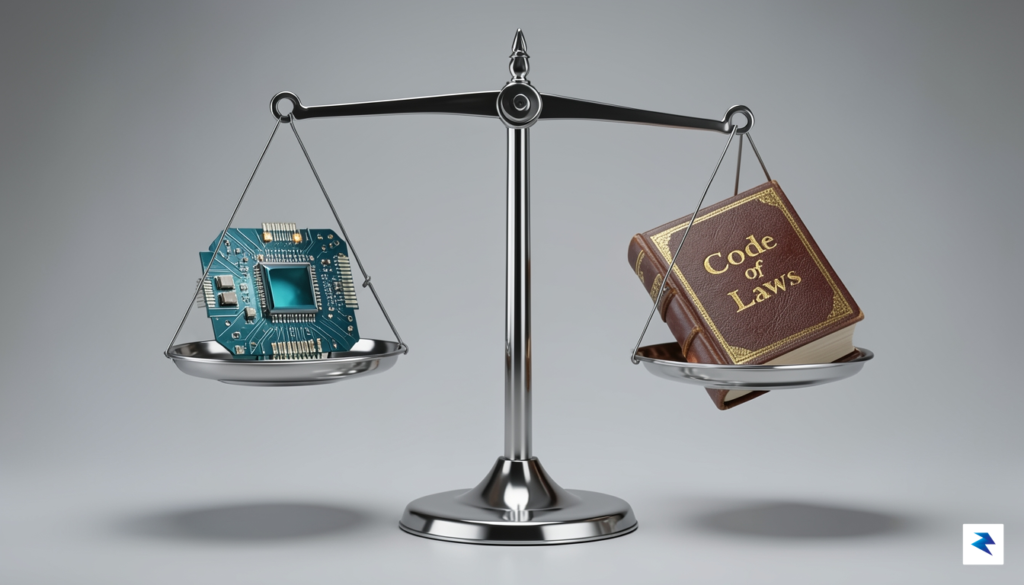
In response to the mounting legal pressure, Apple has consistently maintained that its tightly integrated ecosystem—often referred to as a “walled garden”—is a deliberate design choice aimed at enhancing the end-user experience. The company argues that its business model is centered on providing a seamless, secure, and intuitive environment where hardware, software, and cloud services function in perfect harmony. From Apple’s perspective, the high level of control it exerts over iCloud and related services is not a tactic to stifle competition, but rather a necessary measure to guarantee end-to-end encryption and protect user privacy from external vulnerabilities. By restricting third-party access and prioritizing proprietary solutions, Apple contends that it shields its 40 million UK users from the data fragmentation and security risks that often plague more open, interoperable platforms.

However, this lawsuit represents more than just a localized dispute over cloud storage fees; it is a critical symptom of a fundamental shift in how global regulators view the dominance of major tech conglomerates. Across the Atlantic and in Europe, lawmakers are increasingly challenging the “all-or-nothing” approach that has defined the digital age for the last decade. The European Union’s Digital Markets Act (DMA), for instance, has already begun to force tech giants to open their platforms to ensure fair competition, while the United States Department of Justice has launched aggressive antitrust investigations into whether Apple’s ecosystem effectively locks users into a cycle of dependency. These regulatory actions reflect a growing consensus that the convenience of an integrated system should not come at the expense of consumer choice or market fairness.
The core tension facing modern regulators is balancing the consumer’s desire for a frictionless, high-quality user experience against the democratic necessity of an open, competitive marketplace where smaller innovators can thrive.
Ultimately, the UK litigation acts as a microcosm of this broader global struggle. As regulators continue to scrutinize the gatekeeper status of companies like Apple, the outcome of this £3 billion claim could set a significant precedent for how tech platforms are permitted to bundle services in the future. Whether the courts side with Apple’s vision of a secure, integrated ecosystem or with the claimants’ demands for a more open and competitive digital environment remains to be seen. Regardless of the verdict, the case serves as a clear signal that the era of unchallenged platform dominance is facing a period of intense, systemic re-evaluation that will shape the future of consumer technology for years to come.
You must be logged in to post a comment.