
Anthropic Accuses Alibaba of Illicitly Extracting Claude AI: What You Need to Know
The Allegations: Understanding Anthropic's Claims Against Alibaba At the heart of this intensifying legal and ethical standoff is…
The recent security incident involving LastPass centers on unauthorized access to the company’s Salesforce environment, a critical platform used for managing customer support operations. Unlike previous incidents that targeted the highly encrypted password vaults themselves, this breach was confined to the CRM infrastructure. The attackers gained entry by leveraging a compromised OAuth token associated with Klue, a third-party competitive intelligence platform that LastPass utilized. By exploiting this specific integration, the threat actors were able to bypass standard authentication hurdles, effectively masquerading as a legitimate service to gain unauthorized visibility into the company’s internal support communications.
It is vital for users to understand that this breach did not compromise the underlying security of their password vaults. The encryption mechanisms protecting master passwords and vault data remain intact and were never exposed during this specific event. Instead, the exposure was limited to customer contact details and the contents of various support tickets. This means that while an attacker may have been able to view information such as email addresses, company names, and billing addresses linked to support queries, they did not gain access to the actual credentials stored within LastPass accounts. This distinction is critical in assessing the risk level: while the exposure of personal contact data is a significant privacy concern, the core security promise of the password manager—the protection of user credentials—remains technically uncompromised.
Key Takeaway: The breach was localized to the Salesforce CRM environment. No master passwords, encrypted vault data, or personal account secrets were accessed or exfiltrated during this incident.
The scope of the incident primarily involved data within support tickets, which often contain technical logs or user-provided descriptions of issues. When a user submits a help request, they frequently include identifying information to help support agents verify their account status or diagnose syncing errors. Because the attackers accessed this environment, they potentially viewed these support interactions, including the associated contact details. Upon detection of the unauthorized activity, LastPass acted quickly to revoke the compromised OAuth token and terminate the illicit access, effectively sealing the entry point. The company has since worked to notify affected parties and has reinforced its third-party integration policies to ensure that such a privilege escalation cannot easily occur again through external platforms.
Moving forward, this incident serves as a stark reminder that even robust security organizations are susceptible to risks introduced by their vendors. The reliance on integrated software-as-a-service (SaaS) tools creates a complex web of permissions that attackers are increasingly eager to exploit. By targeting the “weakest link”—in this case, an OAuth integration—malicious actors can sometimes circumvent perimeter defenses that would otherwise be impenetrable. LastPass has indicated that they are conducting an exhaustive review of all third-party integrations to prevent similar occurrences, emphasizing a proactive stance on supply chain security that prioritizes the principle of least privilege.
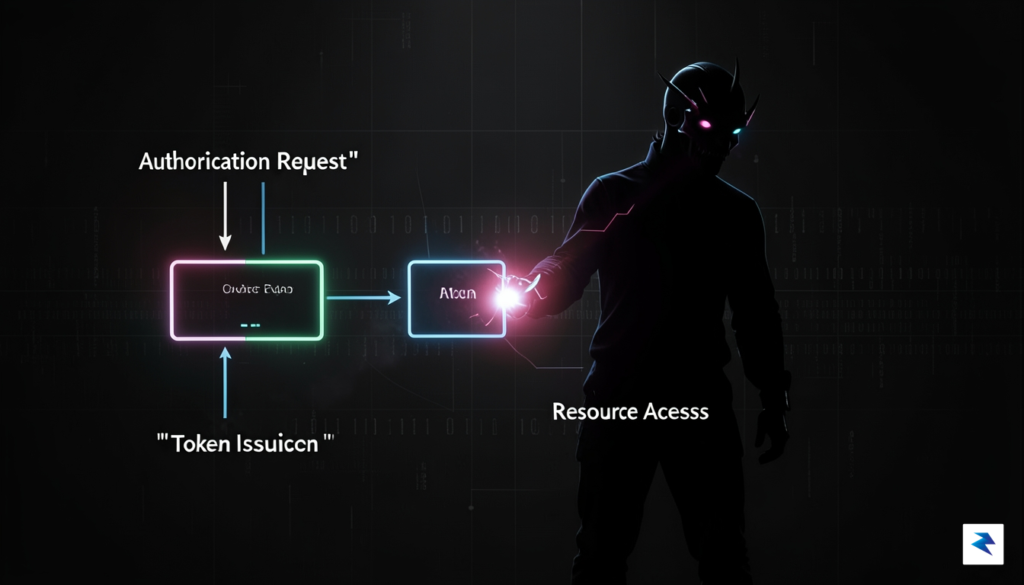
In the modern, cloud-first enterprise, OAuth tokens have effectively become the “keys to the kingdom.” Rather than forcing users to repeatedly enter passwords, OAuth allows applications—such as a CRM like Salesforce—to grant limited, temporary access to other third-party services. While this seamless connectivity is essential for productivity, it creates a high-stakes environment where a single compromised token can grant an attacker deep, persistent access to sensitive corporate data without ever needing to trigger a multi-factor authentication (MFA) challenge. Because these tokens are designed to represent an already-authenticated session, they essentially bypass the traditional front door of security, making them an incredibly attractive target for malicious actors.
The recent incident involving LastPass serves as a sobering reminder of how easily these tokens can be weaponized. When a third-party vendor is breached, attackers often look for stored credentials or active OAuth configurations that allow them to pivot into the internal environments of the vendor’s customers. By exfiltrating these tokens from a compromised system, attackers can impersonate legitimate users or automated service accounts, effectively “living off the land” within the victim’s SaaS applications. This method of token hijacking is particularly dangerous because it often leaves very little in the way of suspicious login logs; to the system, the attacker appears to be an authorized application performing routine data synchronization.
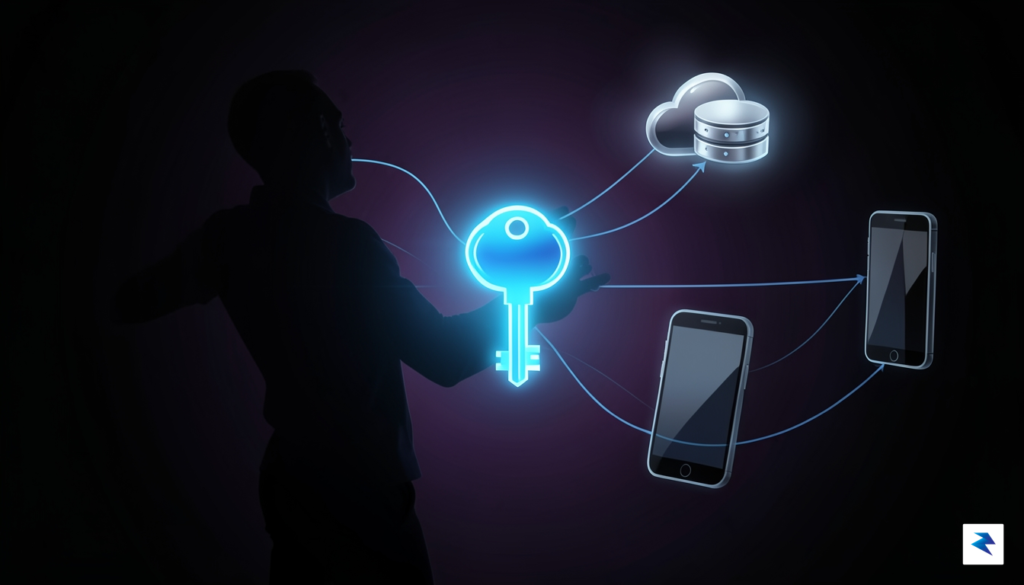
To defend against these sophisticated threats, IT and security teams must treat OAuth tokens with the same level of protection as administrative passwords. The first step is to perform a comprehensive audit of all third-party integrations and the specific scopes of access they possess. Many organizations grant “read/write” permissions by default, even when “read-only” access would suffice for a particular integration. By adhering to the principle of least privilege and strictly limiting the scope of OAuth tokens, you can significantly reduce the potential blast radius if a vendor or service provider is ever compromised.
The security of your SaaS stack is only as strong as the weakest third-party integration connected to your environment. Constant monitoring and aggressive token rotation are not optional—they are foundational requirements of a modern security posture.
Furthermore, organizations must implement robust lifecycle management for their tokens. This includes:
By shifting from a “set it and forget it” mentality toward a proactive, lifecycle-driven approach, businesses can continue to enjoy the benefits of integrated cloud tools without leaving their most sensitive data vulnerable to token-based exploitation. In an era where third-party breaches are an unfortunate statistical certainty, how you manage these digital keys determines whether an incident remains a minor inconvenience or escalates into a catastrophic data leak.

It is understandable that news of a vendor-related security incident involving a trusted password manager can cause immediate alarm, yet it is vital to distinguish between the core infrastructure of your password vault and the peripheral data held by third-party support systems. In this specific instance, the breach affected systems integrated with Salesforce, meaning the core encrypted vaults where your sensitive credentials reside remain protected by LastPass’s zero-knowledge architecture. Because your master password and the underlying encryption keys are never stored by the service provider, the vault contents themselves were not compromised in this event. This architectural safeguard remains the primary reason your saved passwords, secure notes, and personal identity data stay inaccessible to unauthorized parties, even when secondary support channels are caught in a crossfire.
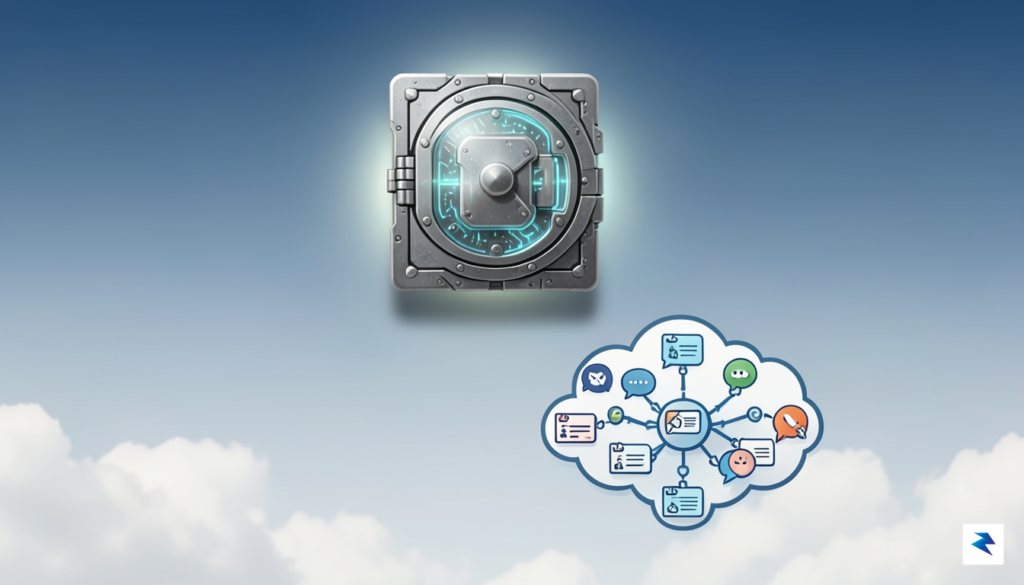
While the cryptographic integrity of your vaults remains intact, the breach did impact non-encrypted information that could still pose risks if handled improperly. The exposed data categories are primarily limited to customer contact details—such as names and email addresses—alongside specific history from support tickets. This means that if you have previously contacted customer service, the content of your correspondence, which might include technical details about your account or specific issues you were troubleshooting, has been exposed. Consequently, the greatest tangible risk to the average user is not a direct compromise of account passwords, but rather a significant increase in highly targeted social engineering and phishing campaigns.
The primary threat following this incident is not a breach of your encrypted credentials, but rather a heightened risk of sophisticated phishing attempts disguised as legitimate support correspondence.
Because attackers now possess verified contact information and potentially specific details regarding your support history, they can craft incredibly convincing emails that appear to come from LastPass. To maintain your security standing, you should adopt a heightened state of vigilance when interacting with any communication claiming to be from the company. Use the following checklist to fortify your personal security posture in the wake of this incident:
By understanding exactly what was accessed and maintaining a proactive stance toward digital hygiene, you can continue to use your password manager effectively while neutralizing the effectiveness of these secondary-stage attacks. While this incident serves as a stark reminder of the complexities of modern digital supply chains, the fundamental security model of the platform remains a robust deterrent against unauthorized access to your private data.
The recent security incident at LastPass underscores a harsh reality of the modern digital landscape: even the most security-conscious organizations are only as strong as their weakest vendor link. To move forward, LastPass must pivot from reactive patching to a proactive, “assume breach” mentality that fortifies every connection point within its ecosystem. This transition necessitates a rigorous application of the Principle of Least Privilege (PoLP), particularly when managing third-party platforms like CRM software. By strictly limiting access rights to the bare minimum required for specific tasks, organizations can ensure that even if a vendor account is compromised, the blast radius remains contained rather than allowing lateral movement across sensitive customer datasets.
Beyond internal policy, the incident serves as a call to action for comprehensive Vendor Risk Management (VRM). Organizations must stop viewing third-party agreements as merely legal documents and start treating them as active security audits. This involves demanding transparency regarding how vendors store, encrypt, and monitor the data they handle on your behalf. Effective VRM programs should include:
The ultimate goal of modern security architecture is to transition toward systems that do not rely on the persistent storage of sensitive data in easily accessible third-party environments.
Looking toward the future, the industry must accelerate the adoption of passwordless authentication protocols such as FIDO2 and WebAuthn. By reducing the reliance on shared secrets—which are the primary targets for attackers in vendor-side breaches—companies can fundamentally lower the risk profile of their support infrastructures. Furthermore, hardening API security protocols is non-negotiable. Implementing mutual TLS (mTLS) for service-to-service communication and adopting zero-trust network access (ZTNA) models will ensure that data flowing between a primary service and its support vendor is encrypted, authenticated, and continuously validated. As we navigate this complex supply chain era, these defensive layers are no longer optional features but foundational requirements for maintaining user trust.
You must be logged in to post a comment.