
Bitcoin Inheritance: A Comprehensive Guide for Long-Term Planning
The Digital Dilemma: Why Bitcoin Inheritance Requires Strategy For decades, traditional estate planning has relied on a well-established…


For long-time loyalists of the Apple ecosystem, the recent announcement regarding revised pricing structures for both the Mac and iPad lineups has served as a sobering reality check. Across several high-performance configurations, consumers are now facing price increases that, in some instances, exceed $200. These adjustments are not merely isolated incidents of corporate profit-seeking; rather, they reflect a broader, more complex recalibration of the global technology market. As Apple transitions its hardware to better accommodate the high-intensity demands of modern artificial intelligence and machine learning tasks, the baseline cost of production has surged, forcing the company to pass a portion of these expenditures directly to the end-user.
The technical requirements for the latest generation of devices are significantly more demanding than those of previous cycles. Modern chips, specifically those designed to handle on-device neural processing, require increasingly sophisticated semiconductor manufacturing processes. These advanced chips are not only more expensive to design but are also subject to intense competition for foundry space. As the global push for AI-capable hardware intensifies, the availability of high-end silicon has become a bottleneck, leading to increased costs across the entire supply chain. Apple is essentially navigating a climate where the physical components required to power the next wave of “smart” computing are both scarcer and more costly to procure than at any point in the last decade.
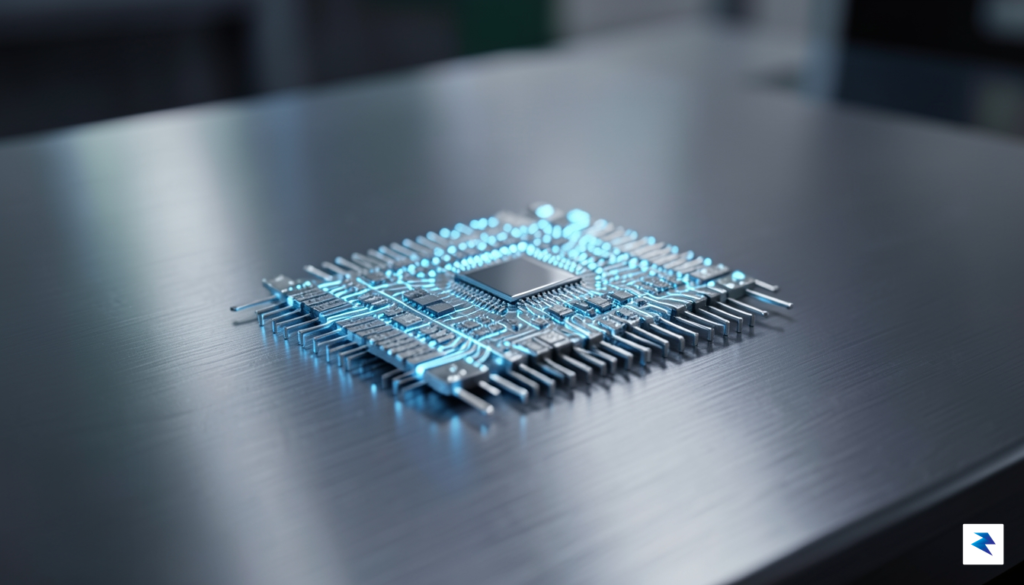
To understand the current volatility, one must look at the historical context of Apple’s pricing strategy, which has long relied on maintaining premium margins to offset the massive investments required for proprietary hardware development. While the company has historically absorbed some of these inflationary pressures, the current landscape of semiconductor supply chain instability has left less room for such flexibility. Manufacturers are currently grappling with higher logistics costs, fluctuating raw material prices, and the sheer complexity of integrating dedicated AI accelerators into slim, portable form factors. Consequently, the price hikes we are seeing today are the direct result of these cumulative pressures, marking a shift where the cost of innovation is becoming increasingly tied to the physical scarcity of high-performance components.
The integration of advanced neural engines into consumer hardware is no longer an optional luxury feature; it is the new baseline for performance, and the cost of this transition is being reflected in the total hardware investment required by the modern professional.
Ultimately, these price adjustments serve as a reminder that the hardware we use is inextricably linked to the global infrastructure that builds it. As artificial intelligence continues to shift from a cloud-based service to an on-device utility, the demand for more robust, specialized silicon will only continue to grow. Consumers looking to upgrade their technology should view these price increases not as arbitrary changes, but as a reflection of the current economic reality of the tech industry. Navigating these costs requires a more discerning approach to hardware selection, focusing on configurations that provide the most value for specific professional or personal needs in an era where high-end computing power carries a higher premium than ever before.
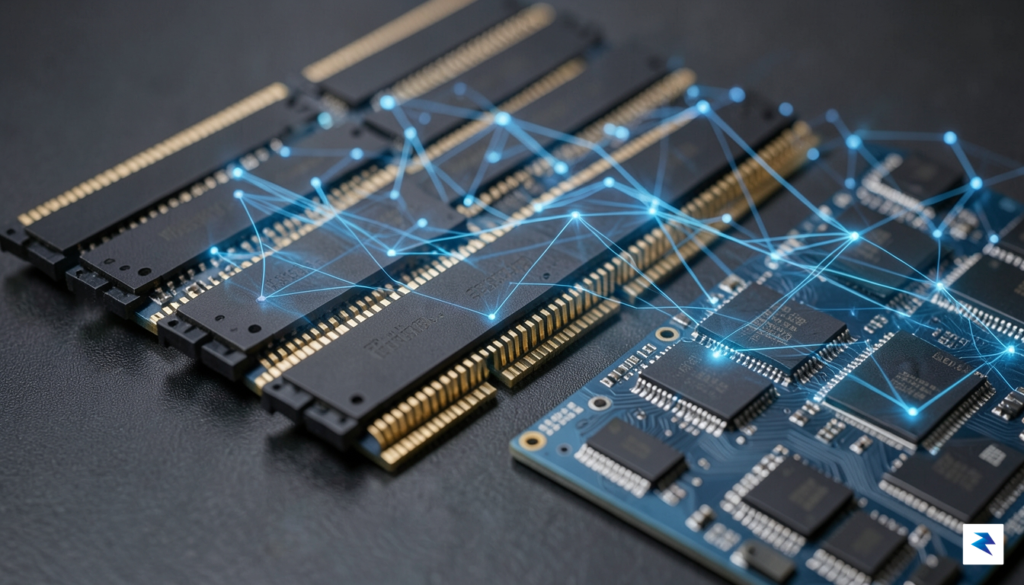
The recent upward trajectory in the pricing of high-end consumer electronics is not a coincidence; it is a direct consequence of a fundamental shift in how silicon is allocated across the global technology landscape. At the heart of this disruption is the insatiable hunger of modern artificial intelligence models, which require massive amounts of High-Bandwidth Memory (HBM) and enterprise-grade storage to function effectively. As tech giants and cloud service providers race to secure the hardware necessary to power the next generation of large language models, they have essentially monopolized the manufacturing capacity of the world’s leading semiconductor foundries. This massive redirection of resources has created a supply-side bottleneck that forces manufacturers to compete aggressively for the remaining production slots, inevitably driving up the wholesale cost of components for OEMs like Apple.

To understand why this affects your next laptop purchase, one must consider the manufacturing constraints of the semiconductor industry. Producing memory chips for AI accelerators is a significantly more complex and resource-intensive process than manufacturing standard DRAM for everyday tablets or notebooks. These advanced chips require specialized packaging and higher precision, which forces manufacturers to prioritize the high-margin AI sector over the consumer market. Consequently, as manufacturing capacity is diverted to satisfy the AI boom, the supply of consumer-grade memory and storage components has tightened. This scarcity creates a classic economic ripple effect: when supply remains flat while demand from the enterprise sector skyrockets, the base cost of these components rises, and those costs are eventually passed down to the end consumer.
The structural shift toward AI-centric computing has permanently altered the supply chain, turning essential hardware components into high-demand commodities that command premium pricing in a constrained global market.
Furthermore, the integration of on-device AI features in modern operating systems necessitates higher baseline specifications for even entry-level devices. Where a machine might have previously functioned perfectly with 8GB of RAM, the modern “AI-ready” standard is rapidly pushing that floor higher, compelling Apple and its competitors to use more expensive, high-density modules. Because the global production of these high-density chips is currently hampered by the priority given to data centers, the cost of scaling up these specifications has become prohibitive. As a result, the premium you pay for a memory or storage upgrade on your next device reflects not just a corporate markup, but the true, inflated market price of the silicon required to keep pace with an industry that is currently defined by its aggressive, AI-driven expansion.
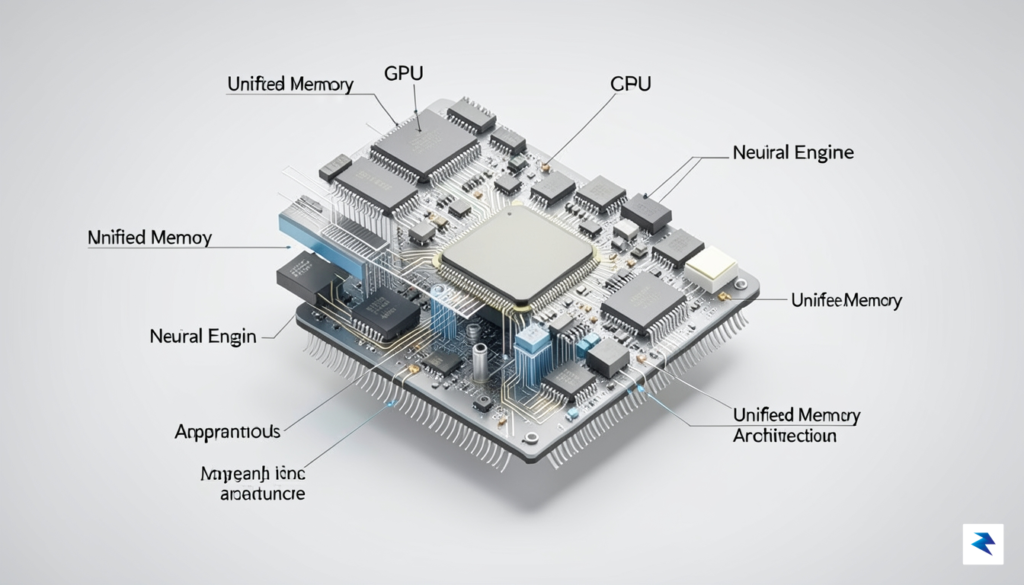
The transition to Apple’s proprietary Unified Memory Architecture (UMA) represents a fundamental shift in how personal computing hardware is engineered, prioritizing blistering performance over the flexibility of traditional modular systems. By integrating memory directly onto the silicon package alongside the processor, Apple eliminates the latency associated with physical traces on a motherboard, allowing the CPU and GPU to access the same high-speed memory pool instantaneously. While this engineering marvel is essential for handling the heavy computational loads required by modern artificial intelligence applications, it effectively brings the era of user-upgradable RAM to a permanent close. Unlike a traditional PC, where a user can purchase a base model and incrementally add memory sticks as their budget allows or their software needs evolve, an Apple device is essentially a “locked” configuration from the moment it leaves the factory floor.
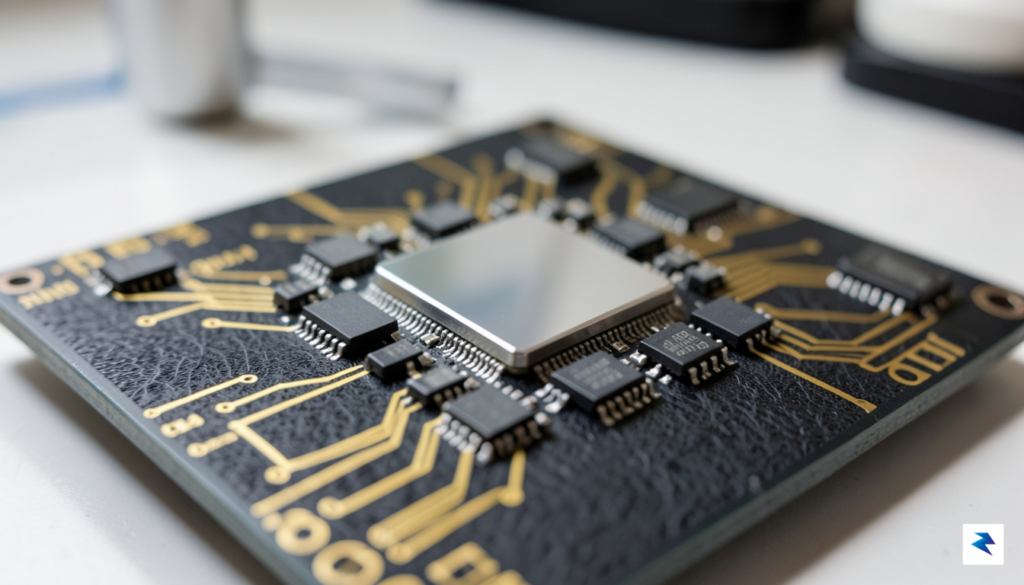
This architectural shift has profound implications for the consumer’s total cost of ownership, as the initial point of sale has become the only opportunity to define the machine’s long-term capability. Because you can no longer open your chassis to swap out memory modules, you are forced to forecast your professional needs for the next five years at the time of purchase. If you underestimate the memory requirements for emerging AI-driven workflows—which are notoriously hungry for massive bandwidth and capacity—you are left with no recourse other than replacing the entire device. This “buy it right the first time” mandate effectively shifts the financial burden of future-proofing onto the user, as the cost of upgrading to higher memory tiers at the point of purchase is significantly higher than buying standard components on the open retail market.
The shift toward unified memory means that today’s purchase decision is effectively a five-year commitment to a specific hardware ceiling, making the initial configuration a critical financial calculation rather than a simple entry point.
The “Apple Tax,” a long-standing criticism regarding the premium pricing of the company’s hardware, has become increasingly complex in this new era of integrated silicon. Previously, the premium was often attributed to design, software integration, and brand equity; however, in the context of the current AI boom, it is now inextricably linked to the rising costs of high-bandwidth memory. As artificial intelligence models demand faster, more efficient data throughput, Apple is forced to source premium-grade components that are subject to volatile global market pricing. When consumers pay for these upgrades, they are not merely paying for “more RAM” in the traditional sense, but for the integration of high-performance hardware that is structurally optimized for the next generation of computing. Consequently, while the performance gains of the UMA are undeniable, they arrive with a price tag that reflects the high cost of cutting-edge innovation, leaving users to navigate a marketplace where the cheapest option is rarely the most sustainable one for long-term ownership.

As Apple continues to weave advanced neural engines and machine learning capabilities into the core of its silicon, the price of admission for the latest hardware has steadily climbed. For the average user, this shift creates a challenging dilemma: is the cutting edge truly necessary for your daily workflow, or are you paying for overhead you will never utilize? Before rushing to upgrade, it is essential to conduct a cold, objective assessment of your current computing needs. The era of annual upgrades has largely ended, as the performance gap between generations has narrowed, leading to a state of diminishing returns for all but the most demanding professional users.
To determine if a new purchase is justified, start by auditing your current bottlenecks. If your existing machine handles your primary tasks—web browsing, document editing, and light media consumption—without stuttering, the internal architecture of the newest chip likely offers no tangible benefit to your productivity. Modern Apple Silicon is remarkably resilient; even models from three or four years ago remain highly capable for 90% of mainstream computing tasks. Instead of viewing a new device as a necessity, treat it as a luxury purchase unless your current hardware is actively preventing you from completing critical, time-sensitive work.
The most cost-effective upgrade is often the one you choose not to make. Before buying, consider if a simple software update, a storage clean-up, or a battery replacement could extend the useful life of your current device by another two years.
If you find that an upgrade is inevitable, focus on the value-per-dollar ratio rather than the marketing specifications. For most consumers, the base-model configurations represent the “sweet spot” in Apple’s lineup. Apple’s entry-level chips are engineered to handle sophisticated AI-driven tasks and heavy multitasking with ease, often making expensive RAM or storage upgrades redundant for the average user. Before configuring a machine with top-tier specifications, ask yourself if that extra power translates into measurable time saved or revenue generated. Often, the hidden costs of premium tiers provide only marginal gains that are imperceptible in real-world scenarios.
Finally, consider the long-term lifecycle of the hardware. If your current device is no longer receiving security updates or is physically failing, an upgrade is a practical investment. However, if your motivation is simply to keep pace with the latest AI features, verify which specific tools require the new hardware; often, cloud-based solutions or software-side optimizations can bring those same capabilities to older systems. By being disciplined about your requirements, you can navigate these rising costs, ensuring your technology budget is spent on genuine utility rather than the allure of the newest release.
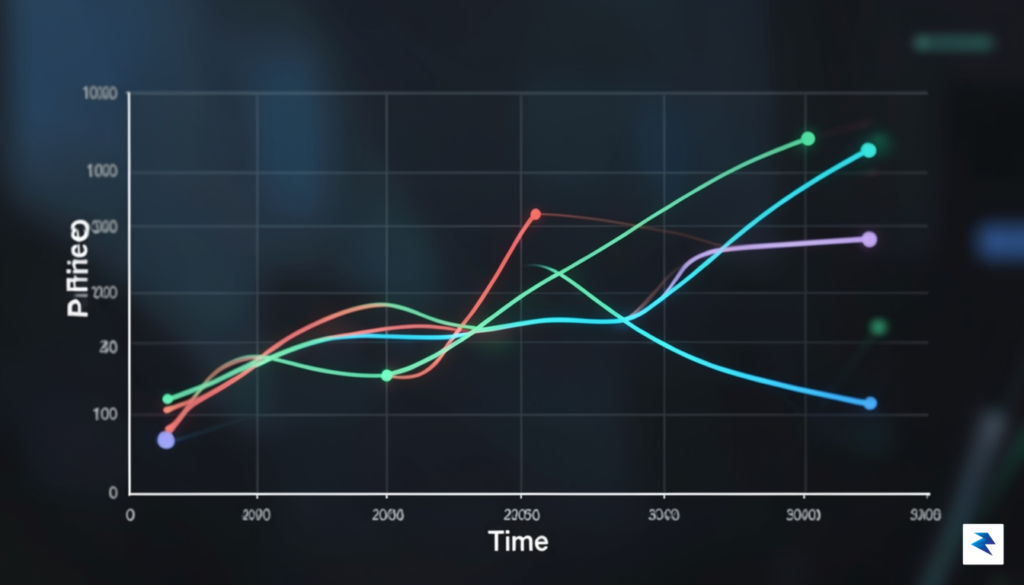
The current upward trajectory in hardware pricing is not merely a temporary market fluctuation; it represents a fundamental shift in how we value consumer technology. As artificial intelligence moves from a novelty feature to a mandatory baseline, the demand for specialized silicon—specifically high-bandwidth memory and advanced neural processing units—has surged to unprecedented levels. Because these sophisticated components are exponentially more expensive to manufacture than traditional chips, the industry is entering a new era where “budget-friendly” performance may become a relic of the past. Consumers should prepare for a reality where the baseline cost of entry for a capable, future-proof machine continues to climb, driven by the relentless physics of semiconductor production.
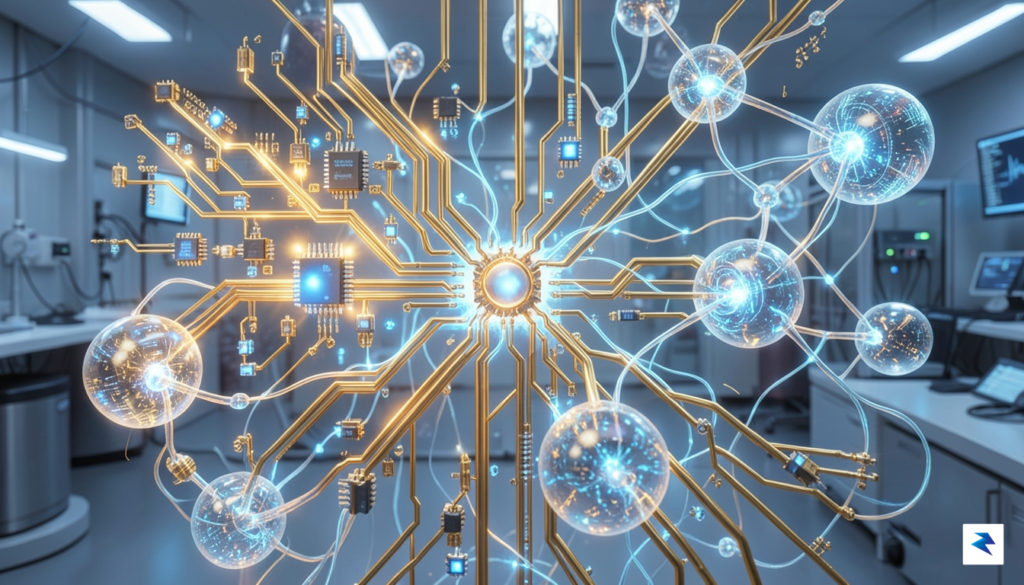
Looking further down the road, the persistent high cost of memory and processing power will likely force manufacturers to rethink the traditional device architecture. If the cost of localized hardware remains prohibitive, we may see a definitive pivot toward cloud-integrated computing, where the “heavy lifting” of AI tasks is offloaded to remote server farms rather than handled entirely on-device. While this strategy could potentially lower the initial sticker price of a laptop or tablet, it introduces new trade-offs regarding data privacy, subscription-based service requirements, and the necessity of constant, high-speed internet connectivity. In this model, the consumer essentially rents the intelligence they need, rather than owning the capability outright within their physical hardware.
As the complexity of AI-driven software grows, the physical hardware becomes the primary bottleneck, forcing a delicate balance between local performance and cloud-based reliance.
Furthermore, the long-term sustainability of the consumer electronics market will likely depend on a more aggressive embrace of the circular economy. As manufacturing costs for new silicon reach a ceiling, companies will be incentivized to professionalize refurbishment programs and modular design improvements to extend the lifecycle of their products. We may soon see a future where modular upgrades—such as swapping out a neural engine chip or expanding onboard memory—become more common to combat the rapid pace of obsolescence. Ultimately, while the “A.I. Boom” initially manifests as a price hike on the retail shelf, it is simultaneously accelerating a necessary industry-wide transition toward more resilient, repairable, and service-oriented computing ecosystems.
You must be logged in to post a comment.