SBI Holdings Expands Crypto Empire with $289M Bitbank Acquisition
The Strategic Significance of the SBI-Bitbank Acquisition The $289 million acquisition of Bitbank represents a landmark transaction that…
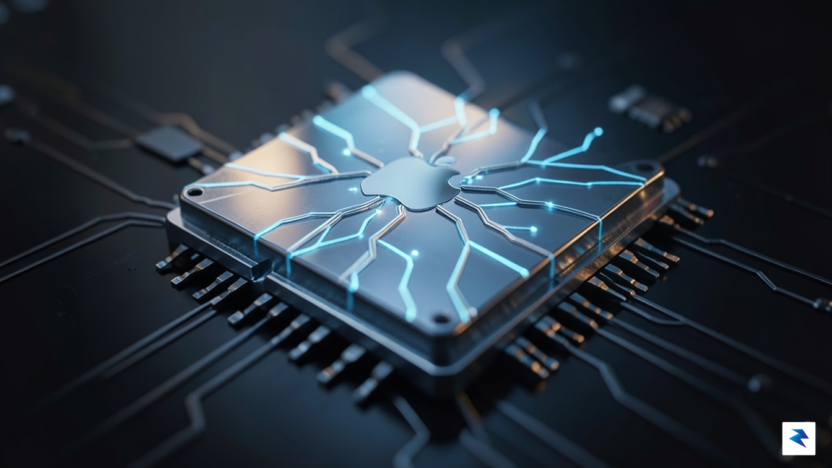
The decision to bypass high-end iterations of the M6 chip in favor of a swifter transition to the M7 architecture signals a calculated departure from Apple’s traditional tick-tock release cadence. In the hyper-competitive semiconductor landscape, where iterative performance gains are often measured in single-digit percentages, the company is betting that the incremental benefits of a late-stage M6 would ultimately be overshadowed by the transformative potential of a native AI-centric design. By streamlining the development pipeline, Apple is effectively choosing to sacrifice a marginal performance bump today in order to secure a more profound, foundational leap in processing efficiency and machine learning capabilities by the time the M7 arrives.
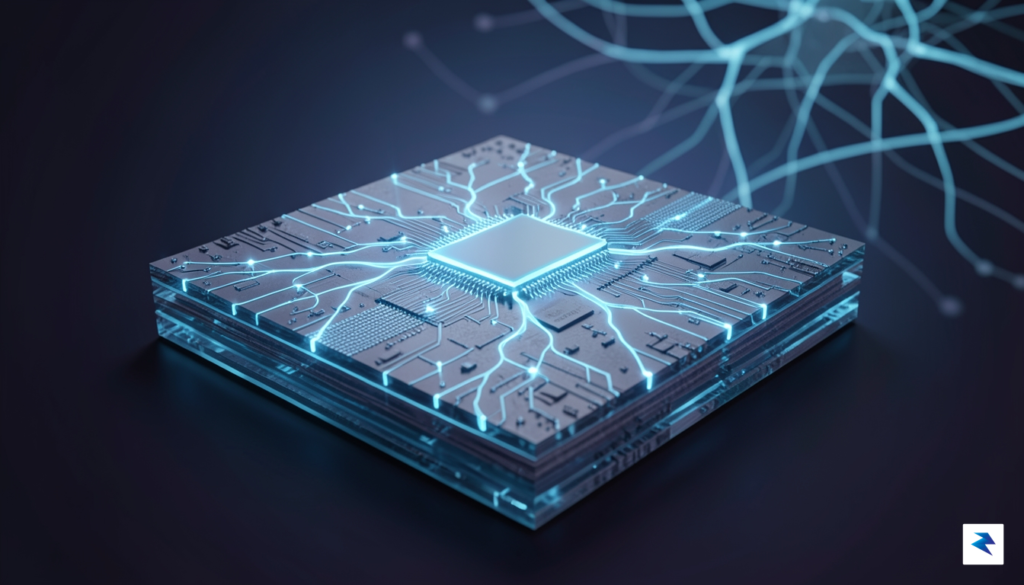
This strategic pivot is largely driven by the industry-wide realization that general-purpose computing power is no longer the sole metric of success. As generative AI models grow increasingly complex, requiring localized, low-latency execution, the architecture of the silicon itself must evolve to treat neural processing as a primary function rather than a secondary task. Apple’s engineers have likely identified that the current M6 architecture, while powerful, may lack the specific hardware hooks required to handle the next generation of on-device AI tasks with the necessary energy efficiency. Consequently, accelerating the M7 roadmap allows the company to integrate specialized silicon—such as significantly upgraded Neural Engines and unified memory architectures optimized for large language models—at a much earlier date than originally projected.
The shift toward the M7 suggests that Apple prioritizes long-term ecosystem dominance over the short-term gratification of minor hardware updates, ensuring their silicon remains the gold standard for integrated AI workloads.
Furthermore, this move reflects a sophisticated approach to product lifecycle management. By consolidating resources away from the high-end M6 variants, Apple can focus its brightest talent and most advanced manufacturing capacity on the M7, ensuring a more stable and powerful rollout. This trade-off between immediate product saturation and long-term technological leadership is a hallmark of Apple’s long-game philosophy. Instead of diluting their R&D efforts to maintain a constant stream of releases, they are creating a deliberate “gap” in the high-end lineup, which serves to build anticipation while simultaneously ensuring that the eventual launch of the M7 series will be a disruptive, industry-defining event that sets a new performance floor for the entire Mac ecosystem.
The decision to bypass the M6 Pro, Max, and Ultra tiers represents a seismic shift in Apple’s silicon strategy, suggesting that the company is no longer content with incremental generational gains. Historically, Apple has followed a predictable cadence where each iteration offered modest improvements in clock speeds and transistor density. By choosing to hold back the high-end variants for the M7 generation, Apple is effectively opting for a “leapfrog” strategy. This approach allows engineers to consolidate resources, moving away from the diminishing returns of the current manufacturing node and instead focusing on the radical architectural adjustments required to handle the next decade of on-device artificial intelligence.
Technically, maintaining distinct high-end chip tiers—such as the Ultra, which fuses two Max dies together—is an incredibly resource-intensive endeavor that requires perfect yields and complex interconnect technology. When Apple skips an entire generation of these chips, it isn’t merely a pause in production; it is a strategic reallocation of R&D bandwidth. By focusing on the M7 line, the company can likely transition to a more advanced fabrication process that supports higher bandwidth memory and dedicated neural logic units that the M6 architecture was never intended to support. This move effectively creates a “performance desert” for current high-end users, but it promises a much steeper trajectory for the subsequent M7-powered workstations, which will likely be designed with a heavy emphasis on large-language model (LLM) processing and real-time generative capabilities.
Skipping the M6 high-end cycle signals that Apple is prioritizing AI-native hardware over the traditional incremental performance bumps that defined the early stages of Apple Silicon.
This shift also forces a reevaluation of what the “Pro” and “Ultra” branding actually signifies for the Mac lineup. In the past, these labels were synonymous with raw CPU and GPU core counts, intended for video editors and 3D animators who needed brute force. With the shift toward M7, “Pro” performance will likely be redefined by AI throughput and memory efficiency rather than just raw clock speed. By waiting for the M7, Apple aims to deliver a platform that feels fundamentally different in day-to-day operation, rather than just faster. For the professional user, this means the next hardware cycle won’t just be a refresh; it will be a transition to an entirely new paradigm of computing where the neural engine becomes the primary engine of the machine.
The strategic pivot toward the M7 chip architecture represents a fundamental shift in Apple’s design ethos, moving away from simple iterative gains in raw clock speed and toward a future defined by specialized intelligence. While previous chip generations were largely measured by their ability to crunch numbers or render high-resolution video, the M7 is reportedly being architected specifically to handle the heavy lifting of modern machine learning. By embedding dedicated neural processing units deeper into the core silicon, Apple is effectively creating a hardware-level foundation that treats artificial intelligence not as a software layer, but as a primary operational function of the Mac itself.
Current silicon, while undeniably powerful, often struggles with the latency and thermal constraints required to run sophisticated Large Language Models (LLMs) and complex generative AI tasks locally. As these models become more integral to the operating system, offloading these processes to the cloud becomes both a privacy liability and a performance bottleneck. The M7 aims to resolve this by optimizing the silicon for on-device inference, allowing the Mac to execute complex computer vision and real-time data processing tasks without relying on external servers. This move ensures that the most sensitive data remains private while providing the near-instantaneous response times that users have come to expect from the Apple ecosystem.
The transition to the M7 marks a departure from traditional performance metrics, signaling that the future of computing power will be measured by how efficiently a device can “think” rather than how quickly it can calculate.
Beyond immediate performance benefits, this hardware-first approach serves as a formidable moat against competitors who rely heavily on software-based AI optimizations. By tightly coupling the M7’s physical architecture with custom machine learning frameworks, Apple creates a proprietary synergy that is incredibly difficult for third-party hardware manufacturers to replicate. This vertical integration allows Apple to fine-tune the power consumption of AI workloads, extending battery life while maintaining peak performance during intensive tasks. As the industry races toward an AI-driven future, Apple’s decision to prioritize specialized silicon suggests that they are not just trying to keep pace with AI trends, but are instead building the necessary infrastructure to define the next generation of personal computing altogether.
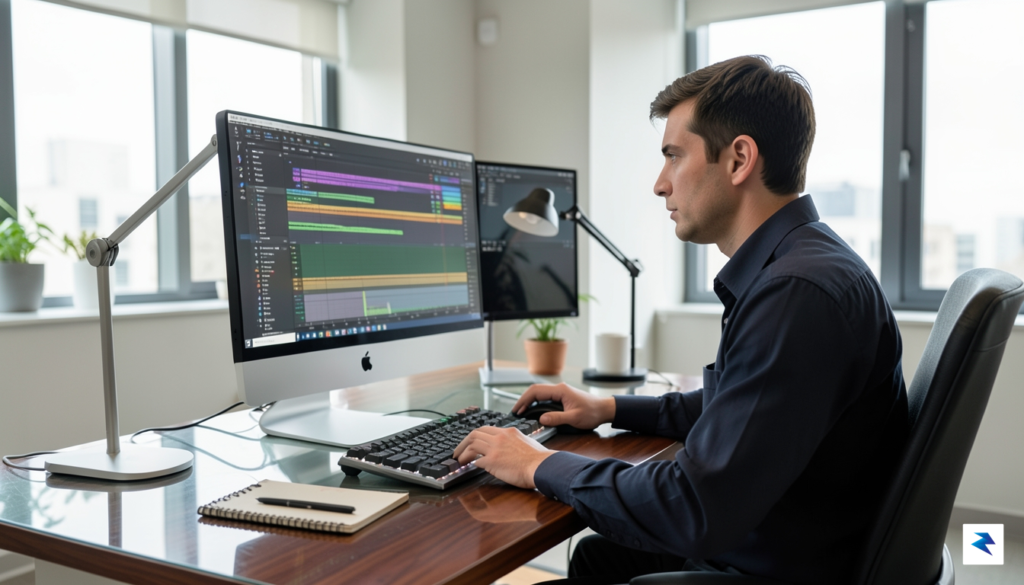
For creative professionals and high-end power users, the rumored transition from a standard M6 iteration toward a more ambitious, AI-centric M7 architecture creates a palpable sense of uncertainty. Many who rely on their machines for complex 3D rendering, massive data compilation, or high-bitrate video editing have grown accustomed to Apple’s predictable, incremental performance boosts. Now, these users face a difficult “wait-and-see” dilemma: should they invest in the current generation of silicon, or hold out for what promises to be a fundamental shift in computing architecture? While the prospect of waiting for a transformative leap is tempting, it leaves a significant gap for those whose current workflows demand immediate, reliable hardware upgrades to maintain competitive output levels.
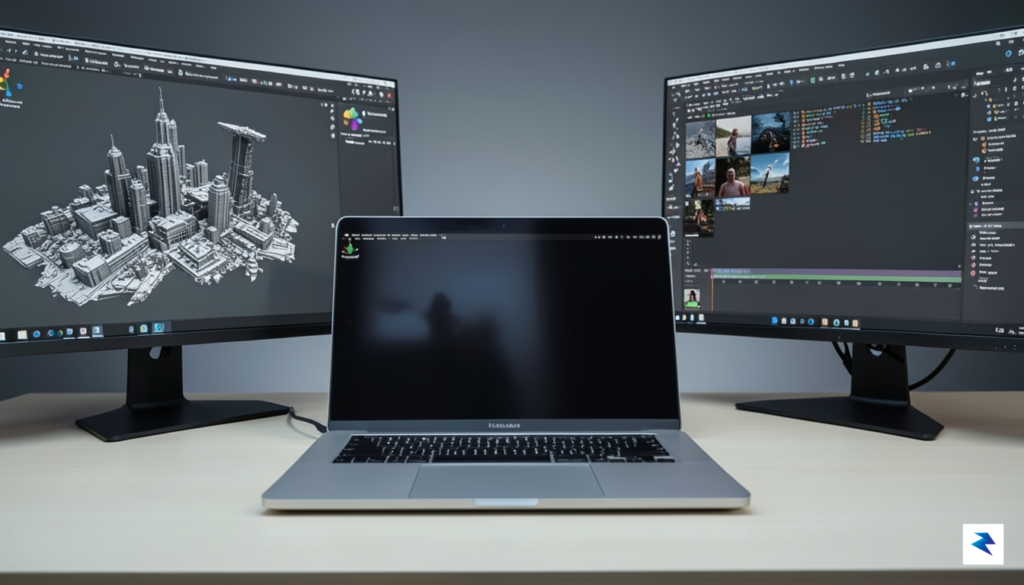
Despite the urge to chase the newest specifications, it is worth analyzing whether this shift represents a stagnation period or a necessary pivot. The existing M-series chips, from the M3 Max to the M4 lineup, are already remarkably efficient and powerful, often outperforming the needs of even the most demanding software suites. For many professionals, current hardware is far from obsolete; in fact, the performance overhead remains substantial enough that a temporary skip in the release cycle may not hinder productivity in the slightest. Instead of viewing this as a slowdown, users might consider this an opportunity to squeeze the maximum return on investment from their current machines, allowing software developers to catch up and fully optimize their applications for the next generation of neural-processing capabilities.
The long-term benefits of this strategic pivot to the M7 line likely outweigh the short-term frustration of a skipped generation. By consolidating resources into a chip designed specifically for advanced artificial intelligence workflows, Apple is positioning future Macs to handle tasks that are currently bottlenecked by general-purpose processing. A truly future-proofed machine will not just be faster at exporting a timeline; it will be capable of real-time generative AI processing, advanced predictive modeling, and hardware-accelerated machine learning that isn’t possible on today’s silicon.
Investing in a platform that prioritizes specialized AI performance over marginal clock-speed gains is a calculated bet on the future of professional computing.
Ultimately, while the lack of an M6 high-end chip might feel like a missed milestone, it signals a deeper maturation of the Apple Silicon roadmap. Those who choose to wait for the M7 will likely find themselves with a machine that feels significantly more capable than a mere iterative upgrade. By prioritizing deep-learning integration at the silicon level, Apple is moving toward a future where the hardware is finally as intelligent as the software it runs, offering a much greater leap in performance for those willing to exercise patience.
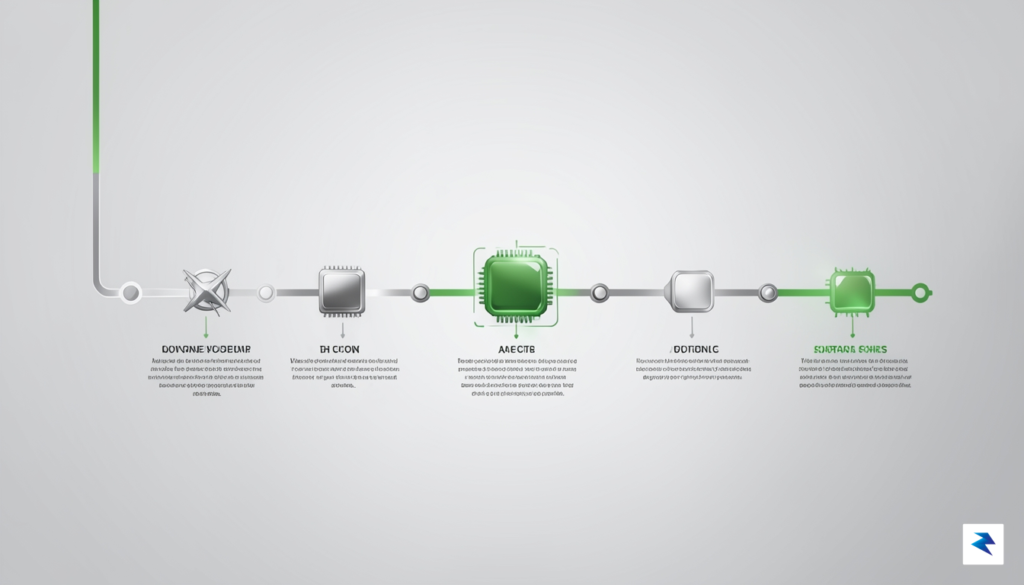
By opting to leapfrog the traditional incremental development of the M6 series in favor of an AI-optimized M7 architecture, Apple is signaling a profound departure from the industry’s standard release cadence. For years, silicon manufacturers have adhered to a predictable rhythm of performance gains, focusing primarily on clock speeds and thermal efficiency to drive annual upgrades. However, this strategic pivot suggests that Apple is no longer content to merely follow the industry clock; instead, they are aggressively positioning themselves to define the next era of computing. By sacrificing the immediate gains of a mid-cycle refresh, the company is effectively concentrating its massive R&D resources on a singular, transformative leap that prioritizes neural processing capabilities over traditional computational throughput.

This shift fundamentally alters the competitive landscape, placing Apple in a more direct and aggressive confrontation with industry giants like NVIDIA and Qualcomm. While these competitors have spent the last few years racing to capture the market for data center and edge-based AI processing, Apple’s move indicates an intent to dominate the consumer hardware space by integrating sophisticated AI hardware directly into the silicon of every Mac. By embedding these high-capacity neural engines into the M7 line, Apple aims to make complex local AI tasks—such as real-time language model inference, generative creativity, and autonomous system optimization—not just possible, but frictionless for the average user. This strategy essentially fences off their ecosystem, creating a hardware-software synergy that is increasingly difficult for competitors to replicate through off-the-shelf components.
The transition toward the M7 architecture represents more than just a chip update; it is a fundamental reconfiguration of the Mac as an AI-first platform, prioritizing machine intelligence as the primary engine of user experience.
Looking ahead, this decision sets a rigorous new tone for all future Apple hardware releases, where the benchmark for performance will no longer be measured solely by gigahertz or frame rates. Instead, the industry should expect a migration toward AI-defined performance metrics, where the quality of an experience is dictated by the chip’s ability to predict, analyze, and automate tasks in the background. As the M7 era begins, the success of Apple’s silicon will be evaluated by how effectively it can offload heavy lifting from the CPU and GPU to dedicated neural circuitry. This long-term outlook suggests that Apple is banking on a future where the distinction between “smart” software and “powerful” hardware dissolves entirely, leaving behind a computing environment that feels inherently intuitive and responsive to the specific needs of the user.
You must be logged in to post a comment.