The Best Walmart Tech Deals Worth Shopping Right Now
Introduction: Navigating the Retail Landscape The retail calendar has become increasingly crowded, with mid-year sales events now dominating…


In recent years, the landscape of personal computing hardware has undergone a seismic shift, with inflationary pressures and rising manufacturing costs pushing the price of premium laptops to record heights. For the average consumer, navigating these financial hurdles requires a more calculated approach to upgrading, moving away from impulsive purchases toward strategic acquisition. Prime Day has evolved beyond a simple retail clearance event; it now represents a vital financial buffer against the rising MSRP of high-end technology. By capitalizing on these specific windows of deep discounting, you can effectively bypass the premium “Apple tax” that has become increasingly pronounced as component costs, supply chain complexities, and global economic variables continue to influence the baseline pricing of silicon-based hardware.

Waiting for traditional retail cycles, such as the back-to-school season or the chaotic holiday rush, is a increasingly risky strategy in the current market. While those periods offer standard promotional discounts, they rarely match the aggressive price slashing seen during Prime Day, which often features current-generation hardware at prices usually reserved for refurbished units. Furthermore, the volatility of the tech sector suggests that waiting for later months may leave you vulnerable to potential price hikes or inventory shortages, as companies adjust their margins to account for ongoing economic shifts. By prioritizing an upgrade during this mid-year event, you secure top-tier performance at a cost-basis that remains manageable, ensuring your investment remains relevant for years to come without overextending your budget.
The most intelligent way to approach a MacBook purchase today is to view it as a long-term asset. Securing current-generation silicon at a discount now effectively insulates you from the unpredictable price inflation currently rippling through the global technology supply chain.
The value proposition of current-generation Apple silicon is perhaps the most compelling reason to act now. We have reached a point where the performance gains in the latest M-series chips are substantial enough to justify an upgrade, but only if that transition is financially optimized. When you combine the raw efficiency and longevity of these machines with a significant Prime Day discount, the cost-per-year of the device drops dramatically. Instead of paying full MSRP for a machine that will eventually be surpassed, you are capturing the peak of current engineering at a fraction of its expected price, effectively future-proofing your workflow while keeping more liquidity in your pocket for other essential expenses.

For years, the so-called “Apple tax”—the premium consumers pay for the brand’s ecosystem and hardware—remained remarkably predictable. However, the current landscape is shifting as supply chain volatility and the rising costs of advanced silicon production begin to erode the stability of retail pricing. Apple’s recent guidance suggests that the era of stagnant, reliable pricing for high-end laptops is effectively coming to a close. Consequently, viewing these Prime Day discounts simply as a percentage off the sticker price misses the broader reality: we are currently witnessing a rare window where aggressive pricing meets an incoming wave of hardware inflation. Securing a machine now is not just about immediate savings; it is about hedging against a future where the cost of entry for premium computing is poised to climb significantly.
When navigating these sales, it is vital to distinguish between two distinct tiers of discounts: the ubiquitous base-model promotions and the rarer, more meaningful configuration-specific deals. Retailers frequently discount entry-level MacBooks to move volume, creating an illusion of across-the-board affordability that rarely applies to the units professionals actually need. By contrast, deep discounts on 16GB or 24GB RAM configurations and upgraded storage tiers represent genuine value, as these components are essentially fixed upon purchase. Because Apple’s supply chain is increasingly prioritized toward higher-margin, AI-integrated chips, the inventory of these mid-to-high-tier configurations is tighter than ever, making the Prime Day window one of the few times you can snag a “future-proof” machine without paying a premium price.

The true value of a 2026 MacBook purchase lies not in the discount percentage, but in the generational leap that secures your workflow against the next three years of software complexity.
The 2026 hardware iteration represents a genuine generational leap, particularly regarding thermal efficiency and neural processing capabilities. Unlike incremental updates of the past, this year’s architecture is specifically optimized for the heavy demands of local generative AI models and complex multitasking environments. As software continues to require more memory and sophisticated background processing, buying a machine that barely meets today’s requirements is a recipe for premature obsolescence. By leveraging current sales to upgrade your specs, you aren’t just saving money today; you are effectively purchasing a longer lifespan for your device. In a market trending toward higher costs and more rigid pricing, these Prime Day offers serve as a critical opportunity to invest in a machine that will remain relevant well into the latter half of the decade.
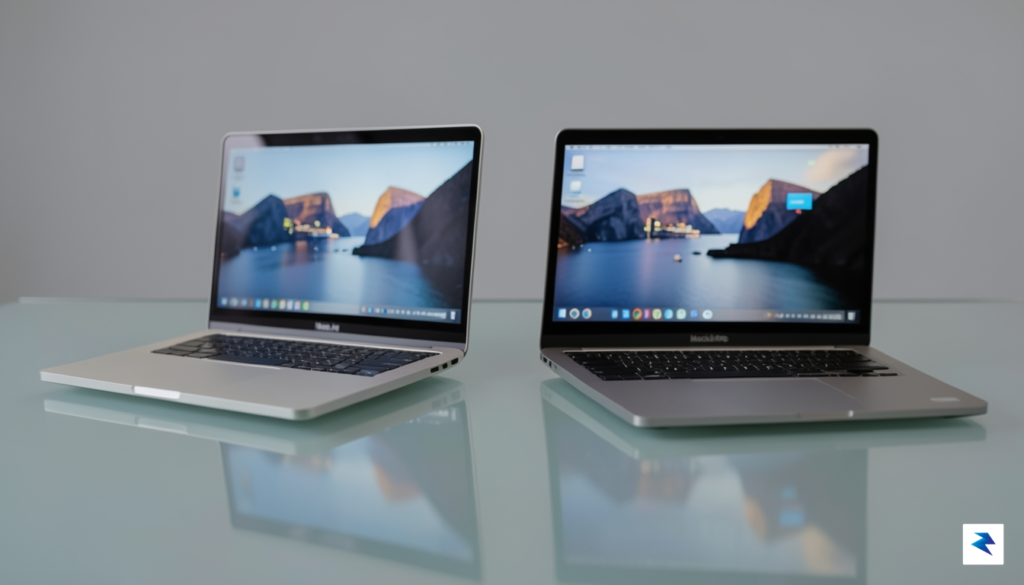
Navigating the sheer volume of Prime Day discounts can be overwhelming, but the secret to a smart purchase lies in aligning the hardware with your specific daily workflow rather than simply chasing the steepest percentage off. For the vast majority of students, writers, and casual creative professionals, the MacBook Air M3 remains the undisputed gold standard of value. Its fanless design offers complete silence during intensive tasks, and the lightweight chassis makes it the ultimate companion for those who find themselves moving between lecture halls, coffee shops, and home offices. When you see a deal on an M3 Air, prioritize the model with 16GB of unified memory; it is the single most important factor in ensuring the machine remains snappy and capable three or four years down the line.
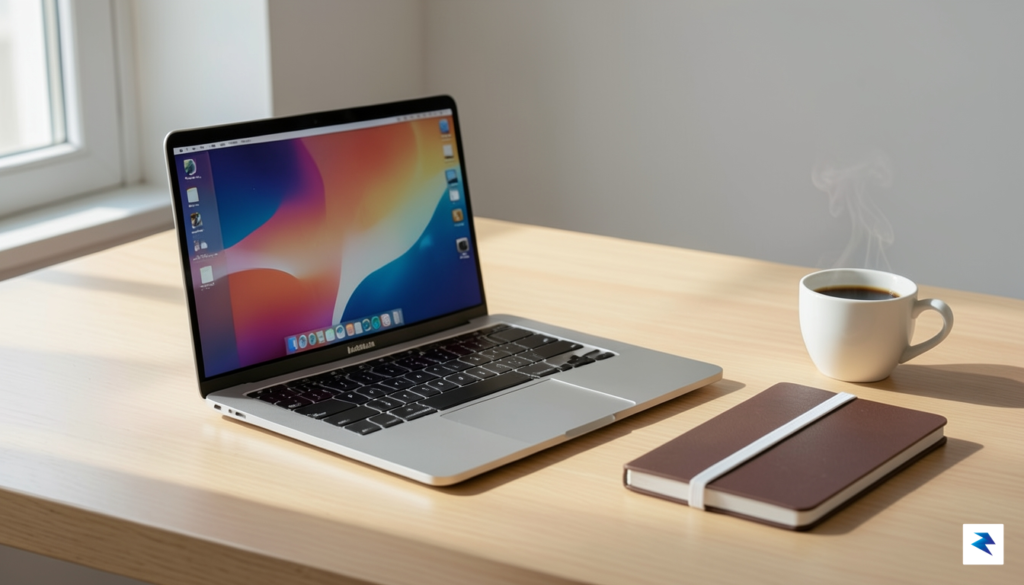
Conversely, if your professional life revolves around video editing, 3D rendering, or complex software development, the MacBook Pro M4 series is where you should focus your budget. These machines are engineered for sustained performance, featuring active cooling systems that prevent thermal throttling during heavy workloads. While the entry-level Pro models are tempting, be wary of base-level configurations that skim on storage. Upgrading to at least 512GB of SSD space is highly recommended, as external drives can be cumbersome and unreliable for primary work files. Investing in the Pro line is essentially buying yourself time—the sheer processing headroom means your machine won’t struggle as software updates grow more demanding in the coming years.
The most expensive MacBook isn’t the one with the highest price tag; it’s the one that becomes obsolete before you’re ready to replace it. Always prioritize RAM over a slight processor bump to ensure true long-term value.
When evaluating these deals, you must also be mindful of the common traps retailers set to clear out inventory. Frequently, you will find heavily discounted models featuring only 8GB of RAM. While these might seem like an absolute steal, they are increasingly insufficient for modern multitasking and can lead to sluggish performance when running multiple browser tabs alongside professional applications. Avoid these configurations unless your needs are strictly limited to light web browsing and document editing. Instead, look for Prime Day bundles that offer the “sweet spot” configurations: 16GB of memory and at least 512GB of storage. This specific combination acts as a protective buffer against future system requirements, ensuring your investment remains a powerful tool rather than a source of frustration.
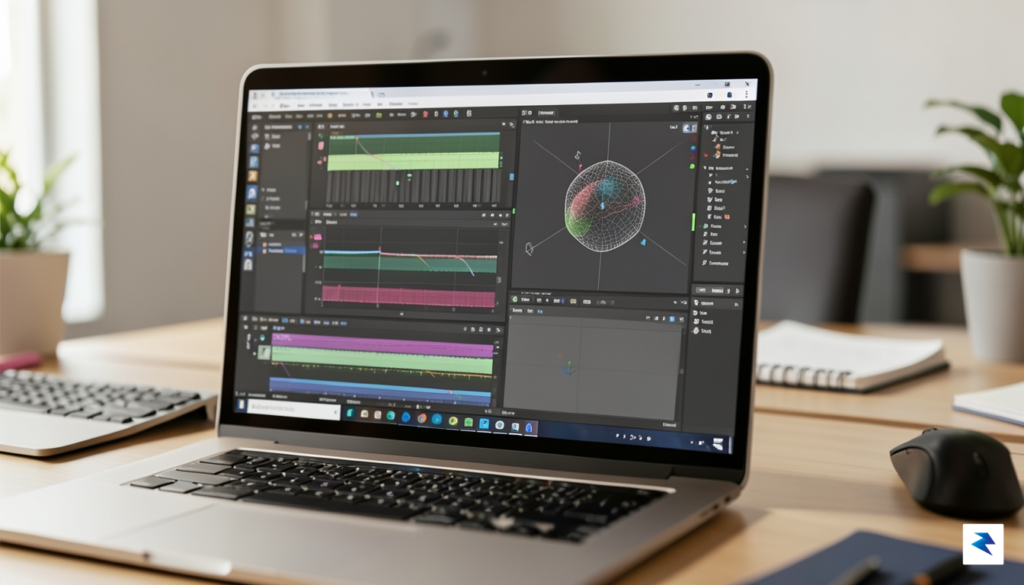
When navigating the sea of Prime Day discounts, it is easy to fall into the trap of equating the lowest price tag with the smartest purchase. However, the true value of a MacBook is not measured by the initial savings, but by its longevity and utility over the next three to five years. A machine that is five hundred dollars cheaper today becomes a liability if it struggles to keep up with your software requirements in eighteen months. Consequently, you must view your purchase as a long-term investment in your digital infrastructure rather than a simple consumer transaction.
As we move further into 2026, the baseline for system memory has shifted significantly. While base models may look enticing, operating systems and professional applications now demand more headroom than ever before. If your daily workflow involves heavy multitasking—such as keeping dozens of browser tabs open while running video conferencing tools and background sync services—the entry-level memory tier may lead to frequent system slowdowns. For most power users and casual creatives, 16GB of unified memory is the absolute functional minimum to ensure the machine remains responsive as software updates grow more resource-intensive. Opting for 24GB or higher is not just a luxury; it is a hedge against future obsolescence that will pay dividends in user experience.
One of the most persistent dilemmas during major sales events is whether to pay a premium for internal storage or rely on external solutions. Apple’s internal storage upgrades are notoriously expensive, often costing significantly more than a high-speed external SSD of the same capacity. However, if you are a creative professional who handles large video files or complex local databases, the convenience and speed of internal storage are worth the premium. Conversely, if your primary digital footprint consists of cloud-based documents and streaming media, you are better off allocating your budget toward a higher RAM configuration and purchasing an external Thunderbolt drive for your archives later.
The best deal isn’t the cheapest configuration; it is the machine that satisfies your peak workload requirements without forcing you to compromise on performance for the duration of the device’s lifespan.
Ultimately, your goal should be to find the intersection where your specific professional requirements meet the current discount structure. By avoiding the “budget-first” mindset and instead focusing on the “longevity-first” approach, you ensure that the device you buy today will still feel like a capable, reliable tool when 2029 rolls around.

Navigating the sheer volume of listings during a massive sales event like Prime Day requires more than just a quick click; it demands a strategic approach to avoid the pitfalls of impulsive consumption. Before the sale officially begins, utilize price-tracking tools like CamelCamelCamel or Honey to establish a baseline for the MacBook models you are eyeing. By observing the price history over the last few months, you can quickly distinguish between a legitimate, record-low deal and an inflated discount that merely hides a standard retail price. Maintaining this historical perspective is your strongest defense against the psychological pressure of countdown timers and “limited-time” banners that often trigger poor decision-making.
When you finally settle on a specific listing, exercise extreme caution regarding the vendor behind the offer. While third-party sellers can occasionally offer competitive pricing, it is almost always safer to prioritize the official Apple storefront or highly reputable, authorized retailers. Buying directly from authorized channels ensures that your device is brand new, covered by the standard manufacturer warranty, and eligible for AppleCare+ support. If you do choose a third-party seller, verify their rating history and confirm they are a recognized reseller; otherwise, you risk receiving a machine that may have been tampered with, lacks genuine components, or is ineligible for official service.

Beyond the primary hunt for new units, consider exploring the “Renewed” or “Open-Box” sections for significant savings that often fly under the radar. Many Amazon-certified refurbished MacBooks undergo rigorous testing and cleaning processes, offering nearly identical performance to factory-sealed units at a fraction of the cost. If you are comfortable with minor cosmetic imperfections, these tiers can save you hundreds of dollars that could otherwise be diverted toward memory upgrades or accessories. However, always confirm the merchant’s return policy before finalizing your order, ensuring you have a window of at least 30 days to stress-test the machine and confirm that the battery health meets your professional expectations.
To avoid “sale fatigue,” stick to your predefined specifications—such as a minimum of 16GB of RAM or a specific storage capacity—rather than letting the lowest price dictate your hardware choices.
Lastly, pay close attention to the fine print regarding extended warranties and return windows. Prime Day deals often come with specific stipulations that might differ from standard retail transactions, so verifying these details upfront prevents future headaches. If you intend to use your new MacBook for heavy professional workloads, purchasing an official extended warranty is an essential investment that secures your hardware against unforeseen failures. By combining diligent price tracking with a disciplined focus on verified vendors and long-term utility, you can ensure that your purchase is a calculated investment rather than a reactive impulse buy.
You must be logged in to post a comment.