
The Zuckerstreisand Effect: Why Corporate Silence Often Backfires
The Evolution of Corporate Suppression The landscape of corporate dissent has undergone a profound transformation, moving far beyond the…


The first twenty-four months of a child’s life constitute a period of biological transformation so rapid and profound that it is rarely replicated at any other stage of human existence. During this window, the infant brain undergoes a process known as synaptogenesis, where neurons form millions of new connections every single second. This intense architectural phase is not merely about physical growth; it is about building the fundamental neural pathways that will dictate how a child processes language, regulates emotions, and interacts with the physical world for years to come. Because the brain is so incredibly plastic, it is uniquely susceptible to the quality of input it receives from the immediate environment, making this era a delicate, high-stakes time for cognitive scaffolding.

To build a robust foundation, the developing brain requires a diverse array of sensory-rich, three-dimensional experiences. When a toddler interacts with their environment, they are engaging in a complex feedback loop: they touch a surface to feel its texture, they track an object moving through space to understand depth, and they listen to the subtle tonal shifts in a caregiver’s voice to decode language. These experiences are inherently multi-sensory and interactive, requiring the brain to integrate data from the eyes, ears, skin, and muscles simultaneously. This active engagement is the primary mechanism through which the brain learns to prioritize information and solidify neural pathways, effectively “pruning” away connections that are not reinforced through real-world interaction.
In stark contrast, the two-dimensional nature of digital screens offers a fundamentally different and often impoverished experience for a developing child. While a screen may appear stimulating due to bright colors and flashing lights, it lacks the depth, physical resistance, and true interpersonal responsiveness required for foundational motor and linguistic growth. A screen cannot respond to a child’s reach, nor can it offer the nuanced, real-time social feedback provided by a human partner. Because the brain is hardwired to learn through tangible, cause-and-effect exploration, the passive consumption of digital content can fail to provide the cognitive “exercise” necessary to support healthy development.
The structural integrity of a child’s future cognitive abilities depends on the richness of their early environment; digital interfaces simply cannot replicate the complexity of the physical world.
Ultimately, when children spend significant time in front of screens, they are often diverted from the vital, hands-on play that serves as the “work” of infancy. By prioritizing flat, digital imagery over the physical world, we may inadvertently limit the brain’s opportunity to practice the complex sensory integration it was evolved to master. Recognizing this biological reality is not about vilifying technology, but rather about understanding that for the under-two population, the best learning environment is one that is tactile, three-dimensional, and deeply rooted in human connection.
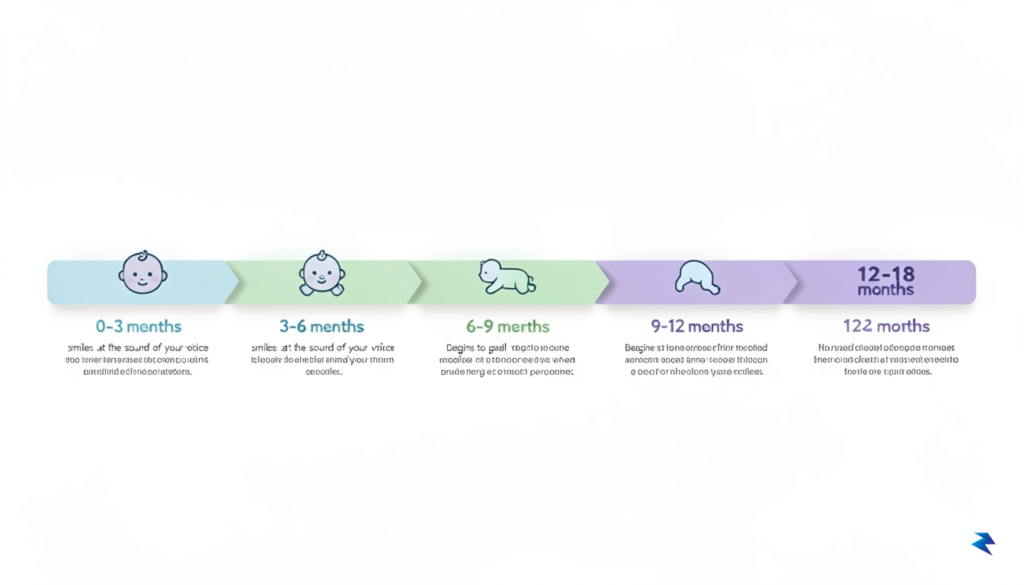
The recent landmark research into early childhood digital exposure provides a sobering look at how the rapid influx of screen time impacts a toddler’s neurodevelopmental trajectory. By analyzing thousands of hours of data, researchers have identified a clear, measurable correlation between high levels of daily screen usage and significant delays in core developmental milestones. Most notably, the study highlights a disruption in language acquisition; children who are consistently exposed to screens during their most critical formative months often show a diminished vocabulary and reduced capacity for expressive communication. This is likely because the passive nature of digital media lacks the essential, back-and-forth “serve and return” interaction that occurs during face-to-face dialogue with caregivers, which is the primary engine for early linguistic growth.

Beyond the realm of speech, the data points to troubling trends regarding attention spans and social-emotional regulation. The fast-paced, high-stimulation nature of modern digital content—often designed to capture and hold visual interest—can overstimulate a toddler’s developing brain. Consequently, when children are removed from these digital environments, they often struggle to focus on slower-paced, real-world activities that require sustained attention and patience. Furthermore, the study suggests that excessive screen exposure may impede the development of emotional self-regulation, as children miss out on the vital opportunities to practice navigating frustration, boredom, and social cues through physical play and human interaction.
The core takeaway is that the first two years of life are a critical window for sensory and social learning; replacing these organic experiences with digital stimulation can create developmental gaps that are increasingly difficult to bridge as the child ages.
It is important to address the nuances of media consumption, as not all screen time is created equal. While the study maintains a firm warning against excessive exposure, it distinguishes between passive consumption—where a child is merely a recipient of rapid-fire imagery—and active, co-viewing experiences. Passive media, which dominates much of the digital landscape for toddlers, offers zero opportunity for the cognitive engagement required to foster complex neural pathways. Even when media is educational, the study suggests that for children under two, the “digital-to-toddler” translation is rarely as effective as the human-to-toddler connection. Ultimately, the evidence indicates that while technology is a ubiquitous part of modern life, the developing brain requires the messy, unpredictable, and highly responsive nature of the physical world to reach its full potential.

The primary concern regarding early childhood screen exposure often centers on the quality of the content itself, yet the most significant danger may lie in what that digital engagement displaces. When a screen occupies a toddler’s focus, it creates a subtle but profound “displacement effect,” effectively pushing aside the essential, messy, and irreplaceable nature of human interaction. In these formative years, a child’s brain is not merely absorbing information like a sponge; it is actively mapping the social world through the nuanced, back-and-forth exchange of signals with their caregivers. By inserting a device into this delicate ecosystem, we inadvertently break the chain of human connection that is vital for healthy cognitive and emotional maturation.
At the heart of early development is the “serve and return” interaction, a concept frequently cited by child psychologists as the building block of brain architecture. Think of it like a game of tennis: a child “serves” by babbling, pointing, or making eye contact, and the caregiver “returns” the serve by responding with a smile, a word, or a gentle touch. This reciprocal cycle is more than just bonding; it is a biological feedback loop that reinforces neural pathways. When a child is tethered to a digital interface, this rhythm is abruptly severed. The screen offers a static, predictable stimulus that does not wait for the child’s input, thereby depriving them of the practice required to understand social cues, turn-taking, and the emotional resonance that only a living, breathing human can provide.
The most critical learning for an infant or toddler occurs in the gaps between stimuli—the moments where they observe a parent’s subtle facial expression, hear the modulation in a caregiver’s vocal tone, and learn to interpret the complex, non-verbal language of human emotion.
Furthermore, screens act as a barrier to the subtle, non-verbal cues that are foundational for language acquisition and emotional regulation. A child learns empathy and social nuance by observing the micro-expressions on a parent’s face—the slight narrowing of the eyes, the warmth of a genuine grin, or the comforting tilt of the head. Digital media, even when designed for education, lacks this dynamic flexibility. It cannot mirror the child’s frustration with a soothing tone, nor can it share in the pure, unbridled joy of a discovery. When these interactions are sidelined for digital entertainment, children miss the opportunity to develop the emotional intelligence necessary to navigate the complex social landscape they will inhabit throughout their lives.

Ultimately, the digital experience is inherently isolating because it is a one-way transaction. While it may provide short-term distraction or brief entertainment, it cannot replicate the complex neural stimulation generated by face-to-face play. By prioritizing the screen, we inadvertently signal to the developing brain that digital responses are equal to human ones, which can lead to significant gaps in language development and social competency. Protecting a child’s development, therefore, requires us to be mindful of the “cost” of screen time—not just in terms of minutes spent, but in the precious, irreplaceable human moments that are lost in the process.

In an increasingly digital landscape, the notion of complete “digital abstinence” for young children, while appealing in theory, often proves unrealistic for many families. Technology is interwoven into the fabric of modern life, from communication to education, making a blanket ban difficult to sustain without creating a sense of isolation. Instead, the focus for tech-minded parents should shift towards a framework of mindful integration, where screens are not inherently “bad,” but their use is carefully considered, purposeful, and always secondary to the critical developmental needs met through child-led, physical play and real-world interaction. This approach empowers parents to navigate the digital world strategically, rather than feeling overwhelmed by it.
One of the most immediate and impactful steps parents can take is to establish clear tech-free zones and times within the home. Designating certain areas, such as the dining table, bedrooms, or even specific play areas, as screen-free sanctuaries, sends a consistent message about priorities. Similarly, implementing device-free meal times, bedtime routines, and dedicated family play sessions carves out invaluable opportunities for genuine connection, conversation, and imaginative exploration. These boundaries aren’t about deprivation; they are about consciously creating space for the kind of rich, interactive experiences that are foundational for healthy brain development and emotional bonding, fostering a sense of presence that passive screen consumption simply cannot replicate.
Moreover, it’s crucial to find effective alternatives to using digital devices as default “pacifiers” for calming or entertaining children. While it’s tempting to hand over a tablet during a tantrum or a long wait, relying on screens can inadvertently hinder a child’s ability to develop their own internal coping mechanisms and self-regulation skills. Instead, consider a toolkit of non-digital strategies: reading a beloved book together, engaging in sensory play like play-doh or water tables, singing songs, going for a short walk outdoors, or simply offering a comforting hug and a listening ear. These interactions not only soothe the child but also strengthen the parent-child bond and build essential emotional intelligence.
When screens are introduced, even sparingly, applying the “Three Cs” framework — Content, Context, and Child-focus — can guide responsible decision-making. Firstly, **Content** refers to the quality and appropriateness of what your child is watching or interacting with. For under-twos, this means highly interactive, educational programs with slow pacing and clear narratives, ideally co-viewed with a parent who can engage with the child about what they are seeing. Avoid fast-paced, overstimulating, or purely entertainment-driven content that offers little developmental value. Secondly, **Context** examines where, when, and how screens are used. Is it during a moment of genuine need, or is it displacing physical activity, social interaction, or creative play? Is it being used as a reward, which can inadvertently elevate its perceived value, or as a distraction to avoid engagement? Mindful context ensures screens serve a specific, limited purpose, rather than becoming a default activity. Lastly, **Child-focus** emphasizes observing your individual child’s reaction and developmental stage. Some children are more sensitive to screen stimulation than others. Are they engaged and learning, or are they becoming overstimulated, irritable, or withdrawn? Tailoring screen exposure to your child’s unique temperament and needs is paramount, prioritizing their well-being over any perceived convenience.

Ultimately, children learn far more from observation than instruction, making parental modeling a cornerstone of healthy media habits. Parents who demonstrate a balanced relationship with technology — putting phones away during family meals, having designated “digital detox” periods, and engaging in device-free conversations — provide a powerful example for their children. Show them that there’s a vibrant, engaging world beyond the screen by prioritizing face-to-face interactions, outdoor adventures, creative arts, and shared experiences. By consciously curating our own digital lives, we equip our children not just with rules, but with an internalized understanding of how to thrive in a world that blends both the digital and the deeply human.
As we stand at the intersection of rapid technological advancement and the biological realities of early childhood, the imperative to safeguard the foundational years of development has never been more urgent. The first two years of life represent a unique window of neuroplasticity, where the brain is exceptionally sensitive to environmental input. While digital interfaces are ubiquitous in our modern lives, we must recognize that the developing infant brain is not wired to process the rapid-fire stimuli of screens. Instead, it is primed for the nuanced, three-dimensional interactions found in the physical world. Prioritizing these formative years means acknowledging that human connection—gaze, touch, vocal tone, and shared play—serves as the primary scaffolding upon which all future cognitive and emotional intelligence is built.
It is essential to reframe our perception of digital devices, shifting from a mindset that views them as educational tutors to one that recognizes them merely as tools of convenience. A tablet may offer a temporary distraction or a colorful interface, but it cannot replicate the complex feedback loop of a real-world social interaction. When a toddler points to a bird, the immediate, multi-sensory response of a caregiver provides a depth of data—language, empathy, and spatial reasoning—that no algorithm can match. By defaulting to screen-based engagement, we risk inadvertently pruning the neural pathways responsible for deep focus and social nuance, replacing them with habits of passive consumption that may have long-term consequences for attention spans and emotional regulation.

The goal is not to eradicate technology, but to curate an environment where digital exposure is secondary to the biological requirements of a growing brain.
Moving forward, our approach to early childhood must be one of intentional balance. This does not imply a total rejection of the digital age, but rather a disciplined prioritization of the experiences that foster resilience. We must protect the “analog” nature of infancy, ensuring that children have ample opportunity to explore the physical world, navigate social friction, and engage in unstructured play. By honoring these biological needs, we are not just protecting a child’s development in the short term; we are building a more robust cognitive foundation that will allow them to handle the complexities of the digital world with greater sophistication and focus when they are developmentally ready to do so.
In the long run, the most effective way to prepare our children for a high-tech future is to invest in their low-tech present. When we choose to replace screen time with conversation, physical exploration, and collaborative play, we are investing in the very architecture of the brain. These human experiences create a resilient foundation, ensuring that when children eventually transition into using digital tools for education and communication, they do so with a highly developed capacity for critical thinking and genuine human connection. Ultimately, the most sophisticated technology a child will ever interact with is the brain of a caregiver, and that remains an irreplaceable asset in their developmental journey.
You must be logged in to post a comment.