
The Algorithmic Trap: How AI Hiring Tools Are Narrowing Your Talent Pool
The Rise of Algorithmic Screening in Modern Recruitment In the contemporary job market, the sheer volume of applications has transformed…
In an era defined by an ever-expanding landscape of digital services, many households have found themselves trapped in a cycle of subscription fatigue. What began as a convenient alternative to cable has morphed into a fragmented ecosystem of rising monthly fees, where the cumulative cost of accessing your favorite shows often creeps into triple digits without you even noticing. Prime Day serves as far more than just an opportunity to snag a discounted air fryer or a pair of headphones; it acts as a critical financial reset button for your entertainment budget. By treating this mid-year sales event as a strategic audit period, you can effectively prune the services that no longer provide value and lock in significantly lower rates for the platforms you actually use.

The strategic advantage of Prime Day lies in the shift from recurring monthly overhead to discounted annual commitments. When you navigate the flurry of promotional offers, prioritize services that offer deep discounts on yearly plans, as these represent the most significant long-term savings compared to standard monthly billing cycles. Instead of paying a premium for the flexibility to cancel at any time—a feature many of us rarely utilize—you can secure a full year of premium content for a fraction of the cost. This approach not only shields you from mid-year price hikes but also simplifies your financial tracking, transforming a dozen monthly headaches into a single, predictable annual expense.
To determine if a subscription is worth keeping, calculate your true cost-per-view by dividing the annual cost of the service by the number of hours you estimate you spend watching that platform each month. If the number exceeds your personal threshold for hourly entertainment value, it is time to cut the cord.
To audit your digital footprint effectively, take a moment to evaluate your viewing habits over the past quarter. Many of us maintain multiple subscriptions out of habit rather than necessity, often paying for premium tiers that include features we never utilize, such as 4K streaming on devices that don’t support it or offline downloads that remain untouched. Use this window to consolidate your subscriptions through Prime-integrated bundles or promotional add-ons, which often provide a more streamlined billing experience. By ruthlessly analyzing which platforms are gathering digital dust and which ones are staples of your nightly routine, you can reallocate your hard-earned money toward the services that truly enhance your downtime, ensuring that your 2026 entertainment budget remains as lean and efficient as possible.
To secure the best value during the mid-year sales frenzy, it is essential to understand that streaming providers generally deploy three distinct pricing strategies. The most common offer involves a significant reduction in the monthly subscription fee—often dropping to as low as $0.99 or $1.99 per month for a duration of two to three months. Alternatively, platforms may offer extended free trials that stretch from the standard seven days to an entire month. Finally, there is the “bundle incentive,” where providers offer reduced rates when you subscribe to multiple services through a single ecosystem, such as Amazon Prime Video. Distinguishing between a genuine “doorbuster” deal and a standard marketing hook requires looking past the flashy banner ads and identifying the actual length of the discounted period.
When browsing deals on Amazon, you will frequently encounter the “Prime Video Channel” subscription model. Subscribing via this method means that the service is billed directly through your Amazon account, allowing you to manage all your platforms under one roof within the Prime Video app. While this provides unparalleled convenience, it is vital to remember that these subscriptions are often tethered to the Amazon ecosystem. If you choose to subscribe directly through the service provider’s own website or app, you may occasionally find exclusive features or account management options that aren’t available through a third-party channel subscription. Before you click “subscribe,” verify whether the discount applies specifically to the Prime Video add-on or if it is a site-wide promotion that could be redeemed elsewhere.
The most critical factor in determining your eligibility for these savings is your history with the service. Many of the deepest discounts are strictly reserved for “new or returning subscribers,” meaning if you have had an active account within the last six to twelve months, you may be disqualified from the promotional rate. Always check the terms and conditions for phrases like “valid for returning customers who have not had a subscription in the past 90 days.” Failure to read this fine print can result in being charged the full retail price immediately upon checkout.
Pro Tip: To maximize your savings, set a calendar reminder for two days before your promotional period expires. This allows you to cancel the subscription before it automatically renews at the standard, full-price monthly rate, ensuring you never pay more than you intended.
By keeping these structures in mind, you can transform from a passive shopper into a strategic subscriber. Whether you are hunting for a deal on the latest prestige drama on Max or looking to catch up on a sprawling franchise on Paramount Plus, these offers are designed to win your loyalty—but they only work in your favor if you play by the rules of the fine print.
The true strategic advantage of Prime Day doesn’t just rest in the individual price drops on HBO or Paramount Plus; it lies in the convenience of the Amazon Channels ecosystem. By consolidating your various streaming subscriptions under the familiar Prime Video interface, you effectively transform a fragmented digital landscape into a single, manageable hub. This unified billing approach means you no longer have to hunt through bank statements or juggle multiple login credentials across a dozen different standalone apps. Instead, every subscription appears as a clean, itemized charge on your primary Amazon account, providing a level of financial visibility that is often lost in the modern “subscription fatigue” era.
Beyond the administrative perks, the discovery engine integrated into Prime Video offers a superior way to navigate the vast ocean of available content. When you subscribe through Amazon, their recommendation algorithms synthesize your viewing habits across all your integrated channels, rather than keeping your data siloed within a specific provider’s app. This cross-pollination of data allows the platform to surface high-quality suggestions—such as a gritty HBO drama or a blockbuster Paramount film—right on your home screen. You spend less time switching between disparate applications and more time actually engaging with the stories you enjoy, as the system does the heavy lifting of surfacing relevant content based on your personal watch history.
The primary benefit of the Amazon Channels ecosystem is the ability to maintain a ‘single source of truth’ for your entertainment spending, ensuring you know exactly where your money is going each month.
However, it is important to navigate these waters with a discerning eye, as there are distinct trade-offs to consider when opting for third-party channel subscriptions versus native app experiences. While Amazon Channels provide unparalleled convenience, you may occasionally find that the standalone native apps offer more robust technical features, such as higher bitrate streaming, deeper subtitle customization, or specialized playback settings that aren’t fully supported within the Prime Video container. Additionally, some niche interactive features or early-access content drops that are exclusive to a network’s direct-to-consumer platform might not be immediately available through the channel interface. Before you commit to bundling everything under one roof, weigh whether the ease of unified billing and superior content discovery outweighs the potential loss of specific, advanced app-level functionalities that you might rely on for your daily viewing.

The most dangerous aspect of Prime Day isn’t the impulse purchase of a gadget you don’t need; it is the insidious nature of “subscription creep.” When you sign up for three or four discounted streaming services at once, it is incredibly easy to lose track of when those promotional windows expire. Before you know it, your bank statement is hit with multiple full-price renewals, turning what started as a savvy deal into an expensive monthly commitment. To avoid this, you must treat every subscription like a temporary project rather than a permanent fixture in your digital life.
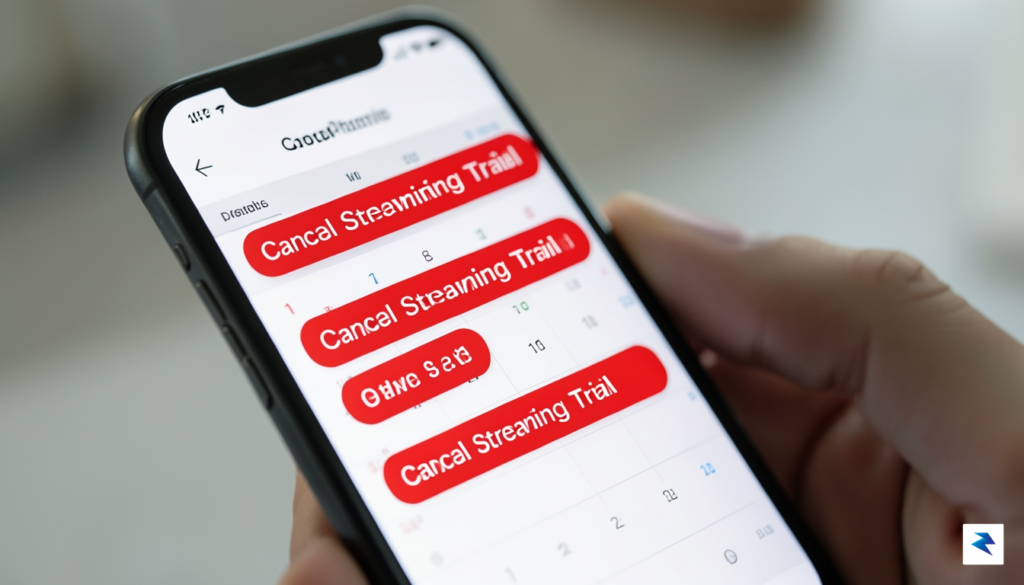
The most effective strategy to combat this is the “immediate cancellation” method. As soon as you complete the checkout process for a discounted streaming plan, navigate directly to your account settings and locate the subscription management page. Most platforms allow you to turn off auto-renewal immediately, which preserves your access for the duration of the promotional period while ensuring you aren’t charged a single penny once the offer expires. If a specific service doesn’t offer that functionality, set a recurring calendar alert for three days before the renewal date. By giving yourself this buffer, you ensure that you have enough time to evaluate whether the service is worth the full monthly subscription price before the charge hits your credit card.
Success in subscription management requires a proactive mindset: if you don’t plan to pay full price, your first action after subscribing should be to mark the day you plan to cancel.
Tracking these recurring expenses requires more than just good memory; it demands a reliable system. Consider using a dedicated spreadsheet or a subscription-tracking app to log the start date, promotional price, and the exact date the price reverts to standard rates. For those who prefer a low-tech approach, a simple physical note on your desk calendar or a shared family document can be equally effective. Furthermore, checking your bank statements or credit card apps at the start of every month can help you identify “zombie subscriptions”—those services you signed up for but haven’t used in weeks. By maintaining this level of transparency, you take back control of your digital budget and ensure that your Prime Day savings actually stay in your pocket rather than disappearing into a sea of unused entertainment services.

Navigating the deluge of Prime Day streaming offers requires a shift in mindset: instead of viewing every discount as a bargain, consider it an investment in your limited leisure time. A subscription is only truly valuable if it aligns with the specific content you and your household actually consume. To help you filter through the noise, evaluate your potential purchase against a simple decision matrix. If a service offers a massive library of evergreen content—classics you rewatch or deep back catalogs of procedurals—it earns a spot as a long-term utility. Conversely, if a service is anchored by a single tentpole series, it belongs in the “seasonal” category, where you subscribe only for the duration of that show’s run.
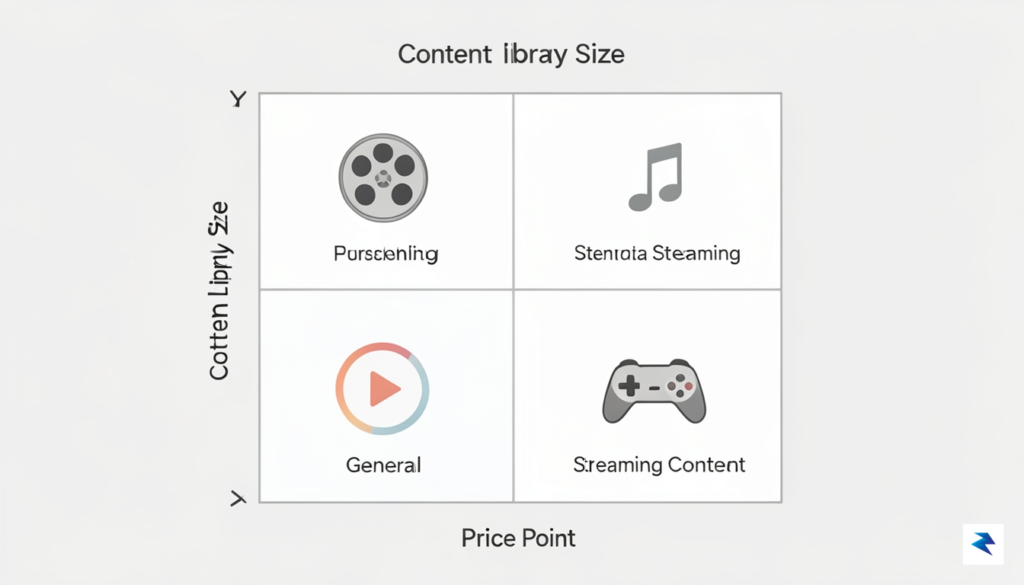
For the budget-conscious viewer, the “churn and return” strategy remains the most effective way to optimize your entertainment spending. Rather than maintaining five concurrent subscriptions, identify which platforms have peak release windows during the next quarter and rotate your memberships accordingly. By taking advantage of these Prime Day price drops to secure a few months of access, you can binge your must-watch shows and cancel before the regular monthly rate kicks in. This approach effectively keeps your total monthly streaming overhead low while ensuring you never miss the cultural conversations surrounding the latest prestige dramas or blockbuster hits.
The best streaming strategy isn’t about collecting the most services; it’s about curating a rotating roster that matches your current viewing appetite.
To finalize your decision, consider these demographic-based recommendations based on the current market landscape:
Ultimately, the “best” deal is the one that prevents you from paying for dormant accounts. Before clicking that buy button, audit your current list of apps and identify which ones you have ignored for more than thirty days. If you haven’t opened a specific streaming app in the last month, even a deep discount isn’t worth the digital clutter. Focus your spending on the platforms that bring the most consistent joy to your living room, and use the remaining savings to treat yourself to an occasional rental of a new-release movie that isn’t yet included in any subscription tier.
You must be logged in to post a comment.