
Age Verification: The Silent Surveillance Infrastructure Threatening the Web
The End of Anonymity: How Age Verification Rewrites the Web The internet was originally architected on the radical premise of pseudonymity, a…
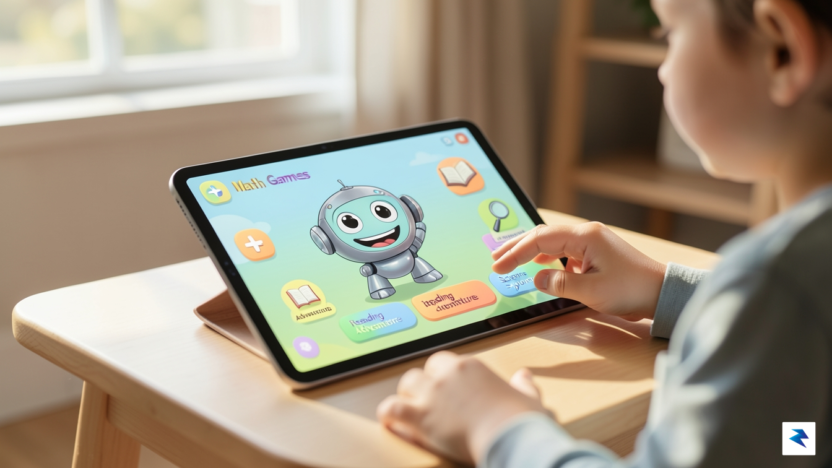
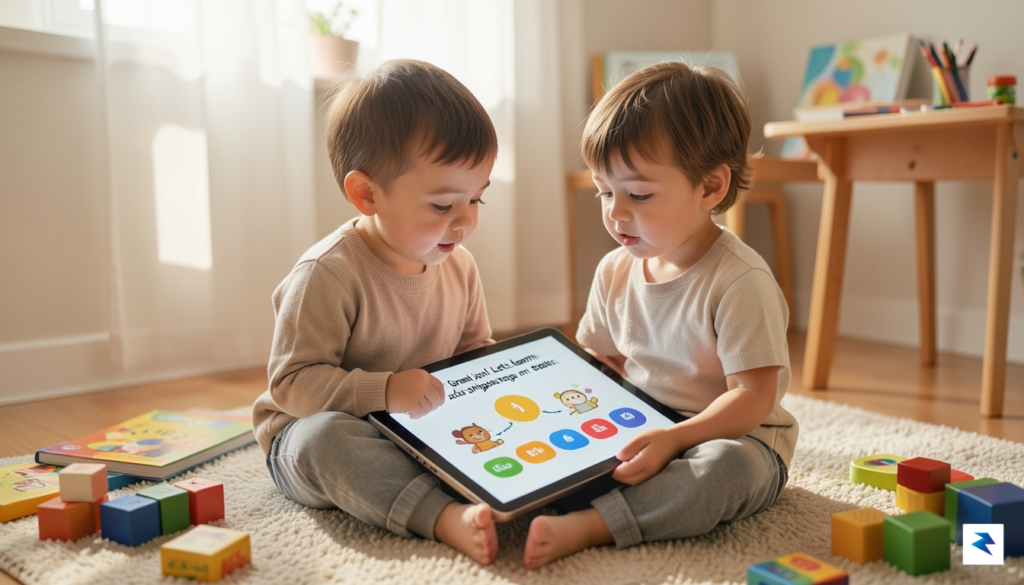
For children between the ages of four and nine, learning is a visceral, sensory experience that depends entirely on the rhythm of social interaction. Unlike adults, who can tolerate the mechanical “request-response” delay of a standard chatbot, a young child perceives a three-second lag not as a system processing overhead, but as a social vacuum. In that brief, silent window, a child’s attention inevitably wanders; the spark of curiosity is replaced by impatience or confusion, effectively severing the pedagogical bond. When an AI tutor takes too long to generate a response, the educational momentum evaporates, turning an engaging learning moment into a disjointed and frustrating experience.
The standard architecture powering most modern AI applications is fundamentally ill-suited for this age group. Typically, these systems rely on a multi-step pipeline: the user sends a query, the model processes the request, potentially executes a tool or external search, and then streams tokens back to the interface. While this works for productivity tasks like drafting emails or summarizing documents, it fails in a synchronous classroom setting. A child needs a tutor that understands the nuance of a pause, the importance of encouragement, and the ability to pivot topics mid-sentence. When the technical architecture introduces a “latency wall,” it prevents the AI from acting as a supportive companion and instead reduces it to a slow-moving information kiosk.
The difference between an educational breakthrough and a distracted student is often measured in milliseconds. In early childhood education, conversation is a dance, not a transaction.
To bridge this gap, we must look toward a 1000ms threshold for meaningful, human-like conversation. Research into human-computer interaction suggests that if an AI can respond within this sub-second window, the brain perceives the interaction as fluid and synchronous. Anything exceeding this threshold creates an artificial barrier that disrupts the child’s cognitive flow. Achieving this requires moving away from heavy, sequential tool-use loops that force the model to pause while searching for data. Instead, we must prioritize edge-optimized architectures and streaming multimodal models that can “think” while they are still speaking, allowing the AI to maintain a steady, comforting presence.
Designing for this reality forces us to reconsider the entire stack, from the initial speech-to-text processing to the final synthesis of the response. We are not merely optimizing for speed; we are engineering for the preservation of a child’s focus. By treating latency as a primary pedagogical constraint rather than a secondary technical metric, we can build tools that feel less like software and more like a patient, attentive mentor who is always ready to listen, encourage, and guide.
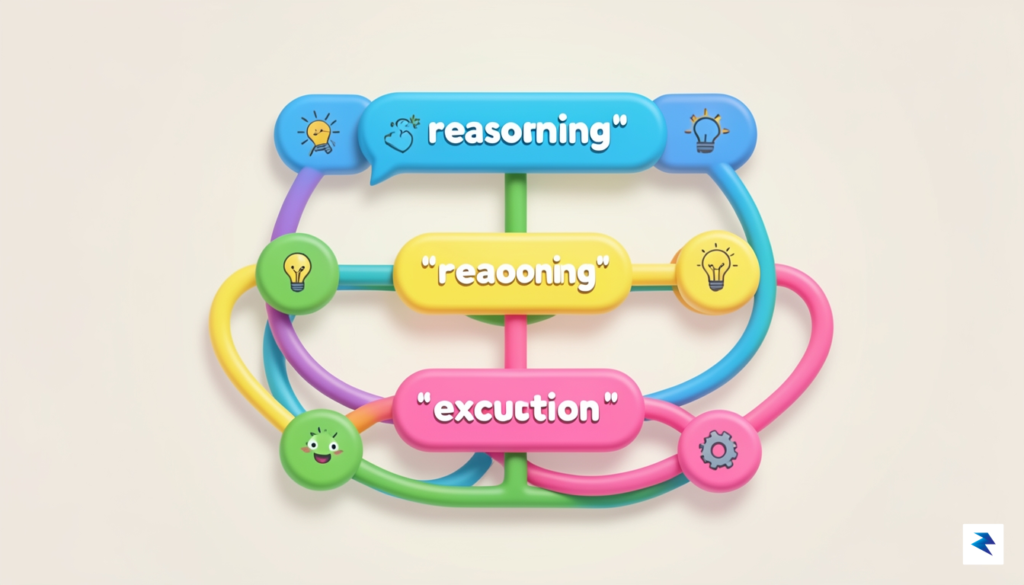
To create a truly engaging experience for a five-year-old, a tutor must transcend the limitations of the traditional wait-and-respond architecture. In conventional systems, the AI sits idle, effectively acting as a passive listener that only initiates a process once a user stops speaking. This linear delay creates a jarring, mechanical pause that disrupts the natural flow of conversation, making the interaction feel more like a robotic transaction than a mentorship. By decoupling the reasoning engine from the input interface, we can move toward a proactive, asynchronous planning model that anticipates the child’s learning journey in real-time.
The core of this architecture lies in a parallel processing pipeline that never truly sleeps. While the child is still formulating a thought or stumbling over a word, the system is already running predictive simulations based on the current context of the lesson. By analyzing partial transcripts and subtle cues in speech cadence, the model maps out potential learning gaps or next steps before the child even finishes their sentence. This is not merely about predicting the next word; it is about simulating the pedagogy of the next minute, allowing the system to prepare its response strategy well ahead of the silence that would otherwise define the transition.
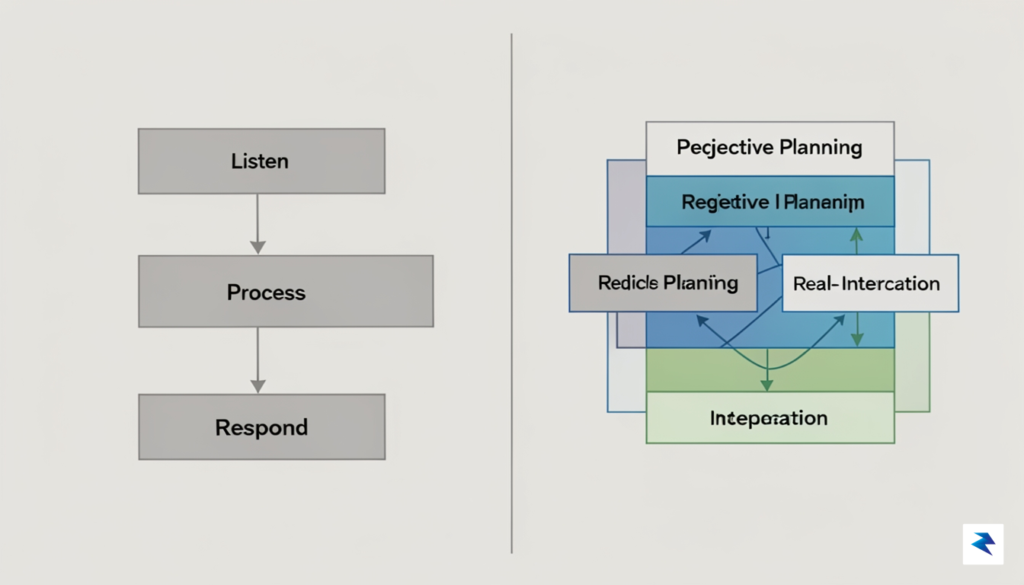
Transitioning to this proactive model requires a sophisticated orchestration layer that manages multiple threads of intelligence. Instead of waiting for a complete input string, the system generates “intent hypotheses” that are constantly refined as new data streams in. If the child begins to sound frustrated while solving a math problem, the asynchronous planner preemptively loads supportive encouragement or simplified analogies, effectively having the “right” response ready in a buffer. This removes the latency-heavy overhead of starting a fresh inference cycle from scratch, ensuring that when the child does stop speaking, the tutor responds with the fluidity and timing of a human companion.
True responsiveness is not measured by how quickly a machine processes an input, but by how little the user notices the transition between listening and speaking.
This shift from reactive to proactive architecture also allows for more nuanced handling of the unpredictable nature of young learners. Children often change subjects mid-thought or abandon a task entirely, behaviors that would cause a rigid, linear system to crash or output an irrelevant response. With asynchronous planning, the tutor maintains a persistent “contextual state” that tracks the child’s intent across shifts in focus. Because the system is already thinking three steps ahead, it can gracefully pivot its pedagogical strategy, ensuring that the learning environment feels supportive rather than confused. This level of technical foresight is what bridges the gap between a simple software tool and a dynamic, empathetic tutor that feels genuinely alive.
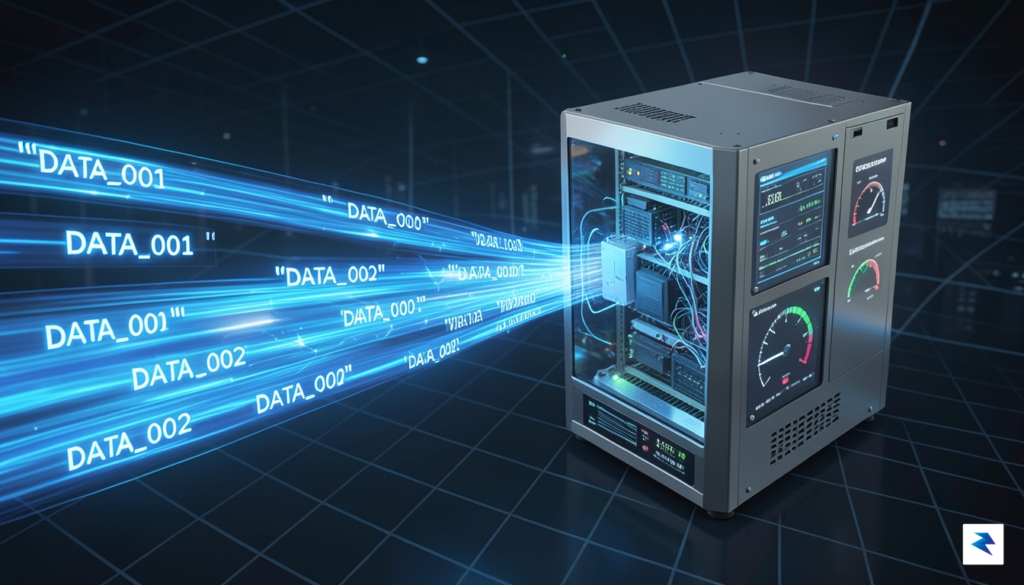
When building interactive experiences for five-year-olds, traditional LLM tool-calling patterns quickly reveal their limitations. In standard architectures, the model generates a structured JSON block to “call” a function, pauses the entire interaction, waits for the backend to execute the logic, and then receives a response before finally resuming the conversation. For a child learning to count or identify letters, this stutter-step delay is fatal to engagement; a three-second lag while the system decides whether to trigger a reward animation or highlight a character can cause a child to lose interest or become confused. The cognitive window for a preschooler is incredibly narrow, and the friction of a stop-and-start loop breaks the immersion essential for effective learning.
To overcome this, we engineered a custom tutor harness that shifts away from the request-response cycle toward a streaming interpreter model. Instead of treating “tool use” as a separate, blocking event, our system treats pedagogical actions as a continuous stream of instructions that interleave with the spoken dialogue. By utilizing a custom-built execution layer, the AI can emit control tokens directly into the audio-visual stream as it generates the response. This means that if the tutor decides to emphasize a letter on the screen, the instruction is executed the millisecond it is generated, rather than waiting for the model to finish its entire sentence.
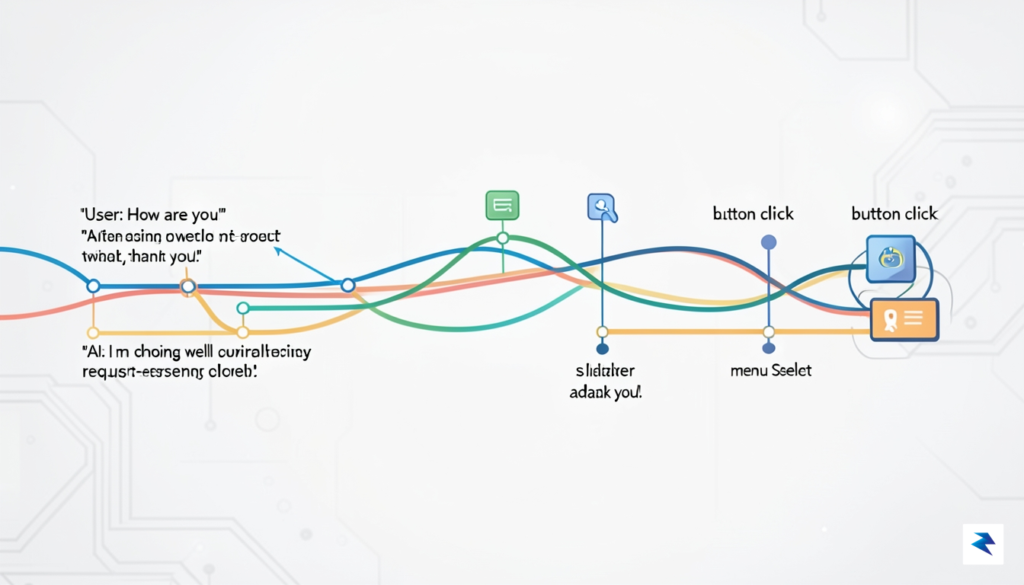
This streaming interpreter functions as a real-time bridge between the Large Language Model and the front-end game engine. As the model generates text, the harness parses specific control characters embedded in the output, triggering animations, highlights, or sound effects instantaneously. The visual feedback stays perfectly synchronized with the AI’s vocalized explanations, creating a fluid, responsive environment where the tutor feels physically present. Because the execution happens on the fly, the interface becomes a living part of the conversation rather than a static consequence of it.
The goal of a real-time tutor isn’t just to provide answers; it is to maintain the cadence of a conversation where action and intent occur simultaneously. By eliminating the wait-state, we transform the AI from a distant engine into a responsive companion.
Ultimately, this architectural shift allows us to design complex pedagogical interactions that feel natural and intuitive. Whether it is triggering a math-based animation the moment a child expresses confusion or dynamically updating the difficulty level of a word-matching game, the streaming interpreter ensures that the technology remains invisible. By treating the interface as a dynamic extension of the AI’s own consciousness, we can achieve sub-second latency, ensuring that the learning experience remains fast, engaging, and perfectly tailored to the developmental needs of our youngest users.

For a five-year-old, the magic of an AI tutor lies in its ability to feel like a responsive, living companion. If a child asks a question about why the sky is blue or how a caterpillar transforms, they expect an answer that is as immediate as a conversation with a parent. However, introducing heavy-handed safety filters that force a “Processing…” screen or a long delay can shatter that fragile sense of wonder. To maintain engagement, our architecture must treat safety not as a roadblock, but as a silent, high-speed verification layer that operates entirely in the background, invisible to the user.
The technical challenge is to implement a multi-stage validation process that occurs within the few hundred milliseconds between the child finishing their sentence and the AI beginning its vocal output. We achieve this by running lightweight, parallel safety checks that scan for restricted topics, inappropriate language, or potential hallucinations before the text-to-speech engine even initiates. By utilizing a “look-ahead” buffer, the system can sanitize the response stream in real-time, ensuring that if a generated sentence drifts toward an unsafe territory, it is pruned or redirected before the child ever hears a problematic word. This allows the conversation to flow naturally, maintaining the cadence of a real-time dialogue while strictly adhering to rigorous safety standards.
Achieving this “interruption-free” standard is the gold standard for child-facing technology because it preserves the child’s psychological focus. When an AI tutor functions without friction, the child remains in a state of “flow”—the optimal mental state for learning where they are fully immersed in the subject matter. If the system were to pause, stutter, or trigger frequent warnings, it would not only kill the joy of the interaction but also potentially confuse a young learner who does not understand the complexities of content moderation. By embedding these guardrails into the low-level infrastructure, we ensure that the tutor remains a reliable, steady presence that never interrupts the pedagogical journey.
True safety in educational AI is measured not by how often the system says “no,” but by how effectively it guides the child toward safe, constructive, and accurate information without breaking the illusion of the conversation.
Ultimately, this invisible approach is the single most effective way to build long-term trust with parents. Parents are naturally wary of giving their children access to generative models, and they need to know that the guardrails are absolute and unyielding. By demonstrating that the safety system is proactive rather than reactive, we provide peace of mind that the AI is not just “monitored,” but fundamentally engineered to be protective. This balance between high-performance engagement and ironclad safety is what transforms a simple chatbot into a trustworthy, long-term educational partner for early childhood development.
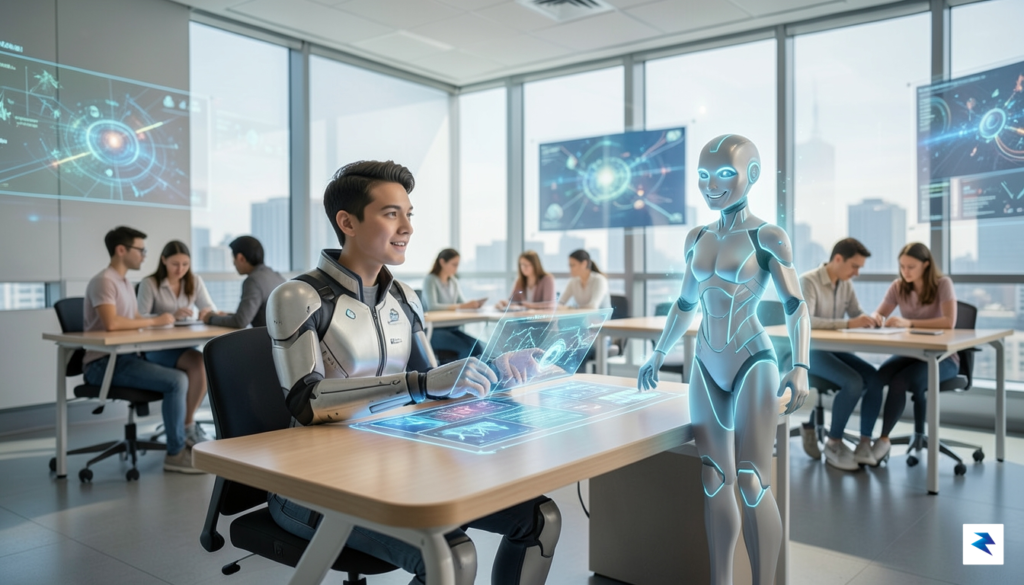
As we bridge the gap between high-speed engineering and early childhood development, we must recognize that the true value of an AI tutor lies not in its raw processing power, but in its ability to foster genuine cognitive growth. While achieving sub-second latency is a technical triumph, it is merely the foundation upon which meaningful interaction is built. For a five-year-old, the difference between a robotic response and a nurturing, responsive guide is the difference between rote memorization and the spark of genuine curiosity. We are moving toward an era where the focus must shift decisively from mere AI performance to measurable pedagogical impact. This requires us to prioritize the nuances of child psychology, such as patience, encouragement, and the ability to simplify complex concepts without stripping them of their wonder.

The user experience of education is rapidly becoming the next great frontier for artificial intelligence, transcending the static interfaces of yesterday. When we design for children, we are not just building software; we are crafting the digital environment in which their foundational thought patterns will take root. This shift demands that we move beyond basic gamification and toward adaptive, empathetic systems that can detect frustration, celebrate small milestones, and adjust the pace of instruction to match a child’s unique rhythm. By treating the AI as a pedagogical partner rather than a data-processing utility, we ensure that the technology serves the learner’s developmental needs rather than forcing the learner to adapt to the limitations of the tool.
The responsibility of designing for young minds is profound; we are not just building tools for today, but architects of the cognitive habits that will define how this generation approaches learning for a lifetime.
Ultimately, the ethical responsibility of building these systems cannot be overstated. Because these tools play an active role in shaping how a child perceives the world and their own potential, every design choice—from the tone of the AI’s voice to the way it handles an incorrect answer—carries significant weight. We must prioritize transparency and child-centric safety, ensuring that our algorithms encourage autonomy rather than dependency. If we approach this challenge with humility and a deep respect for the fragility of early development, we can create a future where technology does not replace the human touch, but instead amplifies the natural joy of discovery. The engineering of real-time education is a powerful endeavor, but it is the human-centered intent behind that engineering that will determine if we truly succeed in empowering the next generation of thinkers.
You must be logged in to post a comment.