
Why Ford is Betting on ‘Gray Beard’ Engineers Over Pure AI
The AI Illusion: Why Efficiency Isn't Always Innovation For the better part of the last decade, the automotive industry has been swept up…


For years, consumers have navigated the frustrating experience of settling into a quiet podcast or a mellow playlist, only to be jarred by an advertisement that suddenly spikes in volume. While this phenomenon feels like a modern annoyance, it is actually a regulatory holdover from the era of traditional broadcast television. Back in 2010, the federal Commercial Advertisement Loudness Mitigation (CALM) Act was enacted to prevent television stations from boosting the audio levels of commercials to grab viewer attention. However, as audiences shifted their habits toward digital streaming platforms, this regulatory framework failed to keep pace. The digital realm largely operated in a “Wild West” environment, where streaming services and third-party ad networks faced few, if any, technical mandates regarding consistent output levels. California’s new legislation finally closes this loophole, effectively extending the spirit of the CALM Act into the digital age to protect the user experience from intrusive, high-decibel marketing tactics.
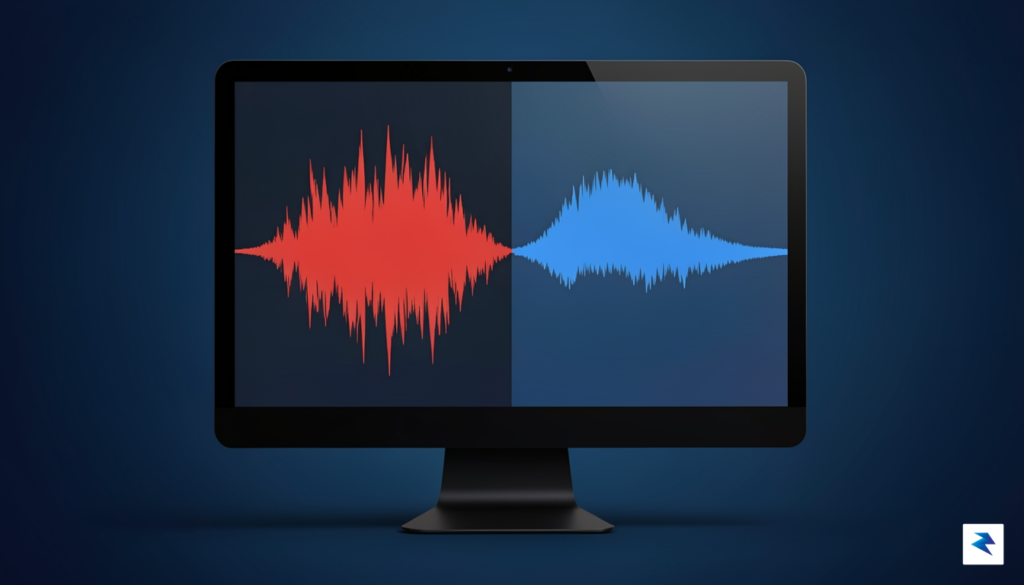
At the heart of this legislative shift is the technical necessity of audio normalization. In technical terms, loudness is not just about the peak volume of a sound; it is about the perceived intensity—measured in Loudness Units relative to Full Scale (LUFS)—that the human ear experiences over time. Advertisers often used aggressive dynamic range compression to make their clips sound “louder” without necessarily hitting the technical ceiling of a digital file. By mandating that streaming platforms implement strict normalization standards, California is compelling companies to calibrate their ad inventory to match the average volume of the surrounding content. This ensures that the transition between a movie scene and a commercial break feels seamless rather than jarring, preserving the immersive quality of the media that consumers pay to access.
The core objective of this mandate is to ensure that the average perceived volume of an advertisement does not exceed the average perceived volume of the underlying programming.
The motivation behind this law is as much about consumer comfort as it is about digital equity. When streaming services allow ads to bypass these volume controls, they create a negative feedback loop that degrades the platform’s brand value. Users frequently report that “loud ads” are a primary driver for upgrading to ad-free tiers or, worse, abandoning the platform entirely in favor of competitors who prioritize a better listening environment. By forcing a harmonized audio experience, California is setting a new baseline for digital advertising standards. This move is expected to ripple across the industry, as companies that operate nationwide will likely find it easier to adopt these technical standards for their entire U.S. footprint rather than maintaining separate, state-specific audio streams. Ultimately, this regulation represents a significant step toward a more cohesive and respectful digital landscape where technology serves the listener rather than overwhelming them.
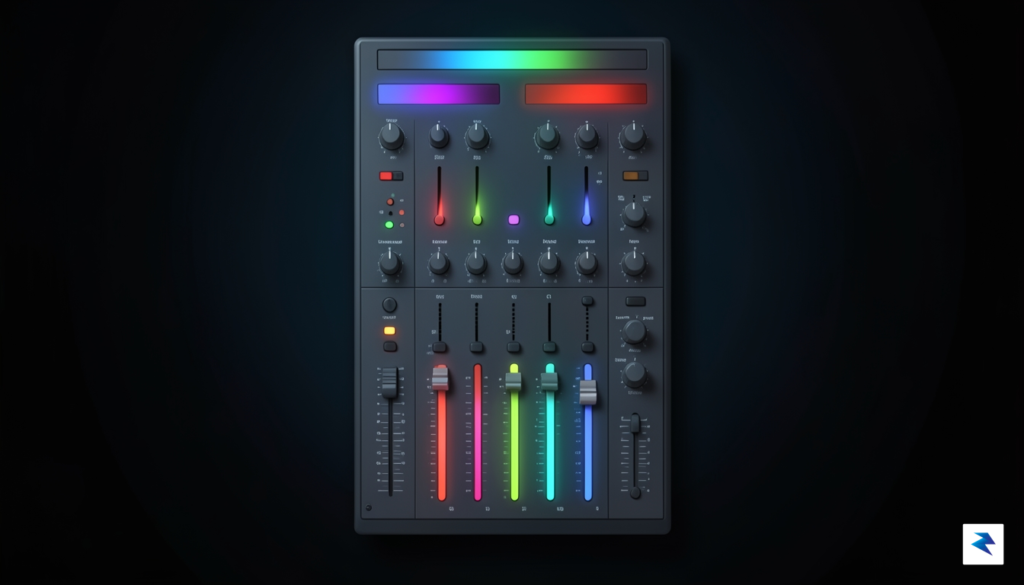
If you have ever found yourself lunging for the remote to mute a blaring commercial break, you are not experiencing a glitch or a sensitivity issue; you are reacting to a deliberate practice known as dynamic range compression. In the world of audio engineering, dynamic range refers to the difference between the softest and loudest parts of a sound signal. While a cinematic film might utilize a wide dynamic range to build tension through quiet whispers and sudden, booming explosions, advertisers generally aim for a flat, high-volume profile. By using compression tools, engineers shrink the gap between the quietest and loudest sounds, effectively pushing the entire audio track toward the maximum peak level allowed by the system. This ensures that every syllable of a pitch remains at a consistent, high intensity, preventing the sound from ever dipping into a “natural” lull that might allow a viewer to relax.
This technique relies heavily on human psychoacoustics—the study of how we perceive sound. Our ears are remarkably sensitive, but they do not perceive “volume” strictly through technical peak decibels. Instead, we perceive “loudness” based on the average energy of a sound wave over time. Because compressed audio maintains a consistently high average energy level, our brains interpret it as significantly louder than the more varied, dynamic content of the show we were just watching. Even if the actual peak volume of an ad is technically capped at the same limit as your favorite drama, the lack of quiet moments tricks your ears into feeling bombarded. Advertisers exploit this biological quirk because they know that a louder, more consistent signal is harder for the brain to ignore, effectively forcing their message to cut through the background noise of a living room or a multitasking viewer’s environment.
The goal of audio compression in advertising is to eliminate the “breathing room” in a soundscape, transforming the audio into a dense wall of sound that demands immediate auditory attention.
Over the years, this has become the industry standard, creating a digital landscape where viewers are constantly subjected to jarring shifts in audio quality. This practice prioritizes brand visibility over user experience, often shattering the immersion that streamers work so hard to cultivate. When a viewer is deep into a narrative, a sudden, aggressive spike in volume acts as a harsh reminder that they are being marketed to, rather than simply consuming content. This persistent intrusion has long been a source of frustration, leading to the regulatory push we are now seeing in California. By addressing the technical reality of how these signals are mastered, the new legislation aims to force streaming platforms to normalize their audio levels, ensuring that the transition between your show and the advertisements is no longer a jarring, high-decibel disruption.


The regulatory reach of California’s new legislation is intentionally broad, sweeping in virtually every streaming service provider that delivers advertising content to users within state lines. This mandate is not a mere recommendation for industry best practices; it is a rigid legal requirement that forces a structural audit of how platforms manage their audio delivery. Any entity that serves digital audio or video advertisements—ranging from massive subscription-based platforms with ad-supported tiers to niche streaming services and podcast aggregators—must now ensure that their ad-insertion technology is fully calibrated to meet strict loudness standards. By shifting the burden of compliance onto the platforms themselves, the state is effectively holding these companies accountable for the entire user experience, regardless of whether the platform produced the advertisement or merely served it.
For these streaming providers, the technical burden is significant. Compliance is not simply a matter of asking advertisers to turn down their volume; it requires a deep, automated integration within the ad-delivery pipeline. Platforms are now tasked with implementing signal-processing middleware that can normalize audio levels in real-time before the ad reaches the listener’s device. This presents a considerable challenge for legacy infrastructure, as many systems were originally designed to prioritize seamless ad insertion—focusing on latency and targeting—rather than granular, standardized audio normalization. Consequently, companies must now retrofit their existing technology stacks to include loudness monitoring tools that can intercept and adjust non-compliant files on the fly, preventing jarring volume spikes that have long frustrated audiences.
The core of this regulation is the accountability of the platform; service providers are now legally responsible for the consistency of the audio output, effectively making them the gatekeepers for sound quality across all third-party advertisements.

To navigate these requirements, platforms must clarify the division of labor between themselves and their advertising partners. While the law targets the platform level, many services are updating their contractual terms to enforce compliance at the source. This means that advertisers are increasingly being required to deliver assets that are pre-normalized to industry standards, such as those defined by the Advanced Television Systems Committee (ATSC). However, because the platform remains the entity ultimately responsible for the broadcast, they cannot simply rely on third-party assurances. They must deploy robust validation layers that audit incoming ad files; if a file does not meet the specified decibel thresholds, the platform’s internal systems must be capable of either rejecting the ad or automatically processing it to comply with California’s mandate before it is ever rendered to a user.
Ultimately, this shift represents a fundamental change in the economics of digital advertising. The necessity of maintaining sophisticated audio-processing hardware and software increases the operational overhead for streamers. As these companies refine their technical protocols to align with the new law, the industry will likely see a move toward more standardized, automated quality control measures. For the consumer, this signifies a future where the sudden, uncomfortable volume jumps between a quiet show and a blaring ad become a relic of the past, provided that the platforms can successfully bridge the gap between their current infrastructure and these rigorous new state standards.

California’s upcoming regulation, targeting the jarring volume disparities in streaming advertisements, represents far more than just technical compliance; it signals a significant victory for consumer comfort and digital well-being. In an age where our homes have become the primary hubs for digital media consumption, this legislation firmly pushes back against the high-decibel marketing tactics that were once, regrettably, a common nuisance on traditional broadcast television. It’s a clear recognition that the immersive, personalized experience promised by streaming platforms should not be routinely disrupted by sudden, overly loud commercial breaks. This move solidifies a growing trend towards ‘consumer-first’ digital policies, ensuring that technological advancements ultimately serve to enhance, rather than detract from, daily life.
Practically speaking, this law empowers viewers by significantly reducing the need for constant volume adjustments, a common frustration for anyone enjoying their favorite shows or movies. No longer will you have to scramble for the remote, either to mute an ear-splitting ad or to crank up the volume again for the program that follows. This constant back-and-forth disrupts engagement, breaks immersion, and can even cause discomfort. By mandating a more consistent audio experience, the new standard restores a sense of control and calm to your personal listening environment, allowing you to settle into your content without anticipating an auditory assault. It’s about reclaiming the sanctity of your living room from aggressive marketing strategies that prioritize loudness over listener comfort.
Furthermore, this California-led initiative holds the potential to set a crucial nationwide precedent for how streaming media companies manage their ad content. Historically, California has often been at the forefront of consumer protection and environmental regulations, with state-level standards frequently influencing federal policy or prompting industry-wide changes across the country. As major streaming platforms operate globally and serve audiences far beyond California’s borders, it becomes impractical and inefficient for them to maintain entirely separate audio standards for different regions. Therefore, this state regulation could very well spur a broader adoption of audio normalization best practices across the entire streaming industry, leading to a more pleasant and consistent listening experience for millions of consumers nationwide. It underscores the idea that what begins as a local safeguard can profoundly impact the broader digital landscape, championing a future where consumer comfort is paramount.

For years, the digital advertising industry has operated on a philosophy of “louder is better.” When faced with the challenge of capturing a fleeting human attention span across crowded streaming platforms, brands frequently resorted to aggressive audio normalization and volume spikes to cut through the noise. However, as California’s new legislation mandates a move toward consistent, non-intrusive sound levels, the industry is entering a mandatory period of recalibration. This regulatory shift signals the end of the brute-force era of advertising, where volume was often a substitute for genuine engagement. Consequently, advertisers can no longer rely on volume to force their message into the listener’s consciousness; they must now rely entirely on the strength of their creative concepts to earn that attention.
This transition presents a unique challenge for creative agencies, which must now pivot away from sensory overload and toward high-fidelity storytelling. When the ability to startle a user with a loud commercial is removed, the burden of performance shifts to the quality of the script, the relevance of the audio production, and the emotional resonance of the brand’s message. Agencies that master the art of subtle, immersive, and contextually aware audio will find themselves at a significant competitive advantage. We are likely to see a rise in sophisticated sound design—using clarity, texture, and silence as strategic tools rather than just relying on sheer decibels to dominate the soundscape.

The transition toward regulated volume levels is not a restriction on creativity, but a catalyst for it; it forces brands to stop shouting and start speaking to their audience.
Ultimately, this shift toward quality over volume promises to improve the long-term relationship between brands and consumers. When advertisements are less jarring and more harmonious with the content that listeners have actually chosen to consume, brand affinity naturally increases. Users are far more likely to retain a message if they do not view the advertisement as an aggressive interruption that necessitates an immediate skip. By fostering a more balanced digital ecosystem, this legislation encourages a “listening-first” approach to marketing. In the long run, a quieter advertising environment creates more space for meaningful connections, turning digital streaming platforms into spaces where quality content—and the thoughtful brands that support it—can truly thrive.
You must be logged in to post a comment.