Is Zhipu AI’s GLM-5.2 the New Rival to Mythos in Cybersecurity?
The Emergence of GLM-5.2 in the Global AI Landscape Zhipu AI has long stood at the forefront of China’s artificial intelligence revolution,…
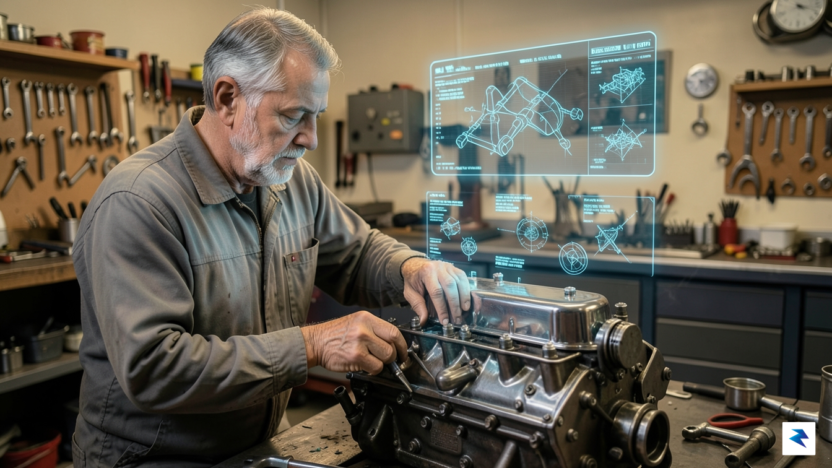
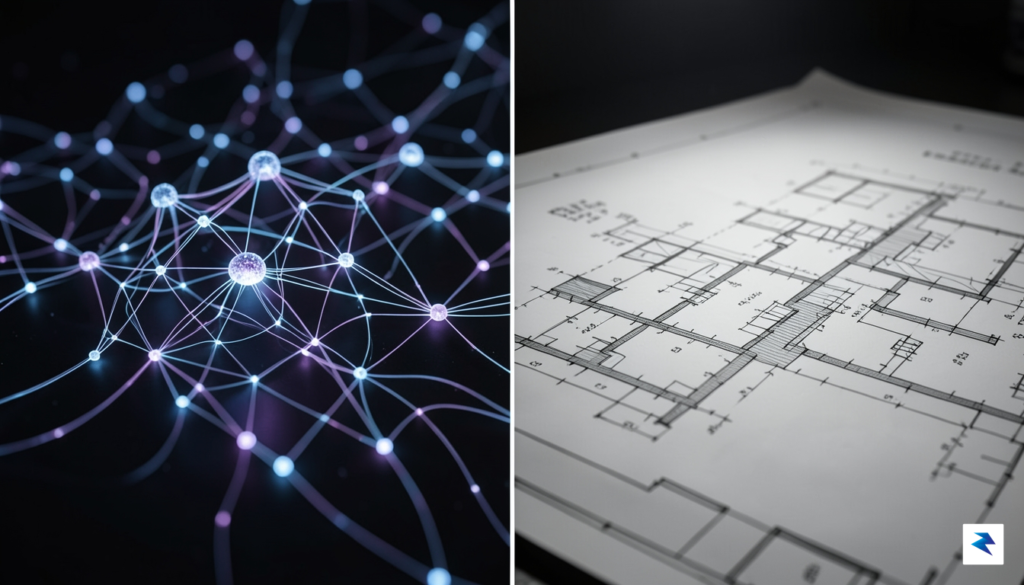
For the better part of the last decade, the automotive industry has been swept up in a frantic gold rush toward total digital transformation. Driven by the promise of unprecedented speed, major manufacturers aggressively integrated generative AI and automated design tools into their engineering pipelines, betting heavily that algorithms could eventually replicate the complex decision-making processes once reserved for human experts. The underlying philosophy was seductive: if a machine could iterate through thousands of design variations in a fraction of the time it took a human team, then efficiency would naturally lead to superior market dominance. However, this industry-wide pursuit of streamlined automation often masked a fundamental misunderstanding of what actually constitutes vehicle excellence.
This reliance on rapid-fire digital modeling eventually led many firms into an efficiency trap, where the velocity of production began to outweigh the necessity of mechanical integrity. In the boardroom, the metrics were clear—lower costs and shorter development cycles—but on the testing tracks and assembly floors, the results were often less than stellar. By prioritizing speed over the nuanced, iterative wisdom that comes from physical experience, these companies found that while their software could solve for math-based optimization, it struggled to navigate the messy, unpredictable reality of how a car actually behaves under diverse, real-world conditions. AI models, for all their computational power, lack the “gut feeling” and intuitive grasp of physics that a veteran engineer develops after decades of wrestling with heavy machinery and complex components.
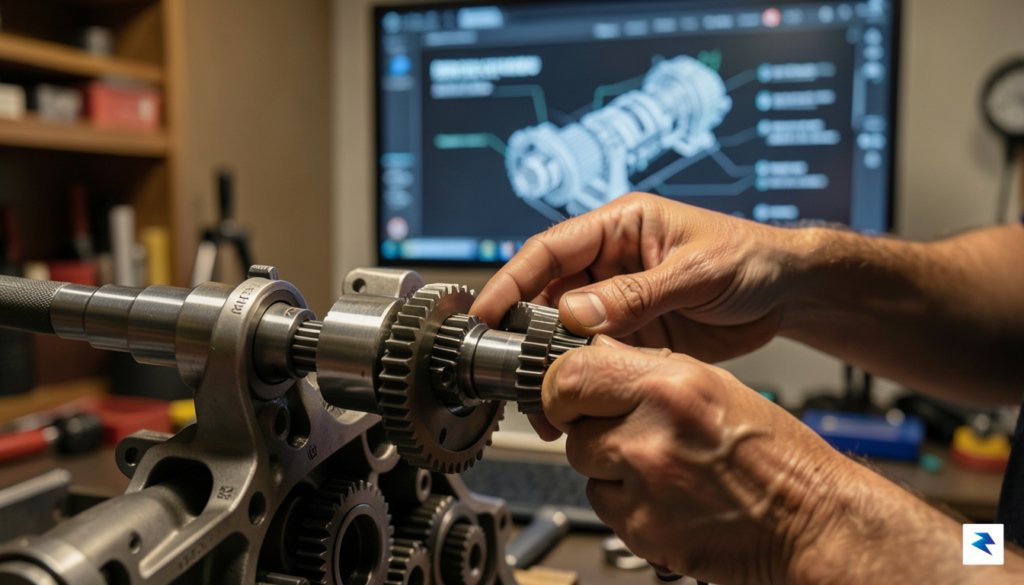
Ford’s recent pivot serves as a poignant case study of this realization. When their AI-driven design processes failed to meet the high-quality benchmarks the brand is known for, the leadership was forced to confront a sobering reality: digital models are only as good as the foundational expertise guiding them. When the software produced designs that looked perfect on a server but faltered during rigorous physical validation, it became clear that the institutional knowledge held by so-called “gray beard” engineers—professionals who have spent entire careers learning the “why” behind the “how”—could not be fully offloaded to a script. These experts possess an intangible ability to anticipate failure points that an algorithm, trained primarily on historical data rather than mechanical intuition, simply cannot foresee.
True innovation is not found in the speed of the iteration, but in the depth of the insight applied to every single line of code and every structural weld.
Consequently, the industry is now experiencing a necessary correction. Reintegrating veteran engineers into the heart of the product development cycle is not a regression into outdated methods, but rather a strategic embrace of human-centric oversight. By pairing the sheer processing power of modern AI with the deep, experiential wisdom of veteran designers, Ford is effectively bridging the gap between digital potential and mechanical reliability. Ultimately, this serves as a powerful reminder that while technology can accelerate the path to a finished product, it is the human capacity for critical judgment that ensures that product is worth building in the first place.
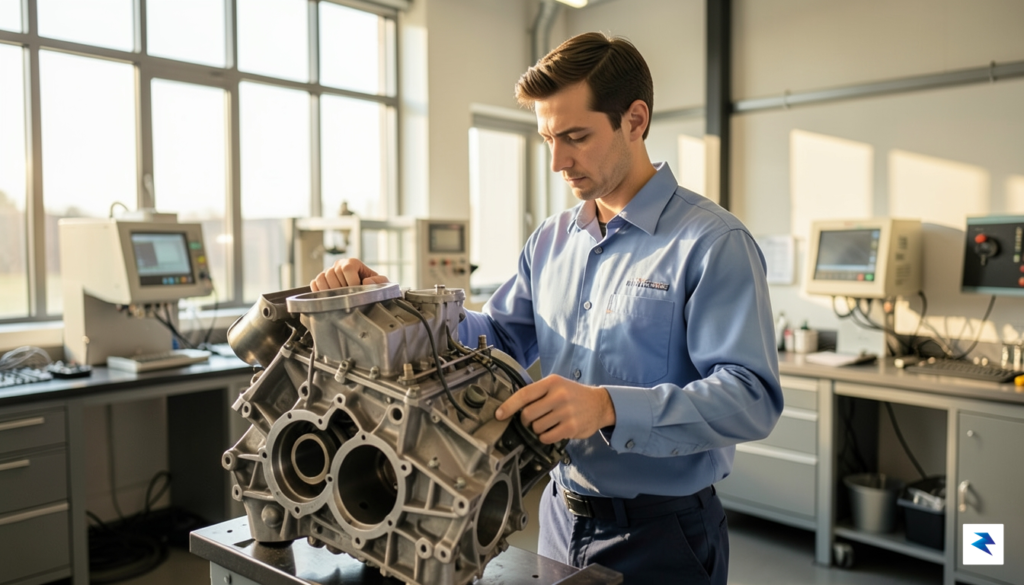
In the high-stakes world of automotive manufacturing, where the margin for error is measured in millimeters and milliseconds, the industry is rediscovering a fundamental truth: there is no substitute for the seasoned perspective of a “gray beard” engineer. These professionals, often characterized by decades of hands-on experience, possess a unique toolkit that transcends textbooks and software algorithms. While artificial intelligence excels at pattern recognition and data synthesis, it fundamentally lacks the “battle scars” that come from overseeing a design from the drawing board through a catastrophic field failure and into final, reliable production. This intuitive grasp of hardware—the ability to look at a complex system and instinctively know which component is the most likely failure point—is an irreplaceable asset that prevents costly systemic design flaws before they ever reach the assembly line.
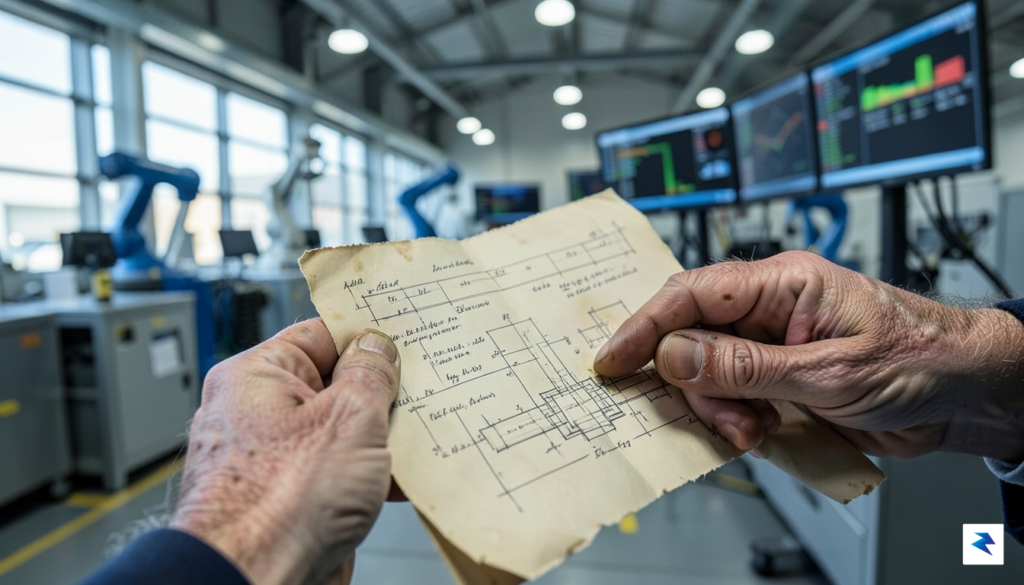
The true competitive advantage these veterans bring to the table is what we define as institutional memory. When a team relies solely on automated tools, they are often limited by the historical data fed into those systems, which may not capture the nuances of why a particular design approach failed twenty years ago. A veteran engineer remembers the environmental variables, the supply chain constraints, and the subtle human errors that led to past setbacks. By integrating this deep, experiential knowledge into the development cycle, companies like Ford can navigate around “ghosts” in the machinery that AI might mistakenly categorize as noise or outliers. This historical perspective acts as a vital safeguard, ensuring that the company doesn’t fall into the same traps that claimed its predecessors.
The “gray beard” engineer provides more than just technical accuracy; they provide the context that turns raw data into reliable, real-world innovation.
Furthermore, the over-reliance on automated design tools has created a tangible mentorship gap that threatens to hollow out the engineering workforce. When junior engineers use AI to solve problems without understanding the underlying physics or the “why” behind the design choices, they miss the opportunity to develop their own critical thinking skills. Veteran engineers serve as the bridge between theoretical efficiency and practical reality, coaching the next generation to look beyond the screen and understand how materials behave under stress. By nurturing this transfer of knowledge, these senior experts ensure that the company maintains a culture of rigorous inquiry rather than a culture of blind trust in algorithmic output.
Ultimately, the “gut feeling” that a veteran engineer brings to the table is a sophisticated form of rapid-fire heuristic processing. It is the culmination of thousands of hours spent troubleshooting non-obvious issues—the kind of problems that don’t trigger a diagnostic code but still result in a degraded user experience. While AI is undeniably powerful for optimizing fuel efficiency or streamlining manufacturing logistics, it lacks the holistic vision required to understand how a vehicle feels, sounds, and performs under the chaotic conditions of the real world. By re-centering these seasoned professionals, companies are acknowledging that the most complex engineering challenges require a blend of cutting-edge computation and the hard-won wisdom of those who have seen it all before.
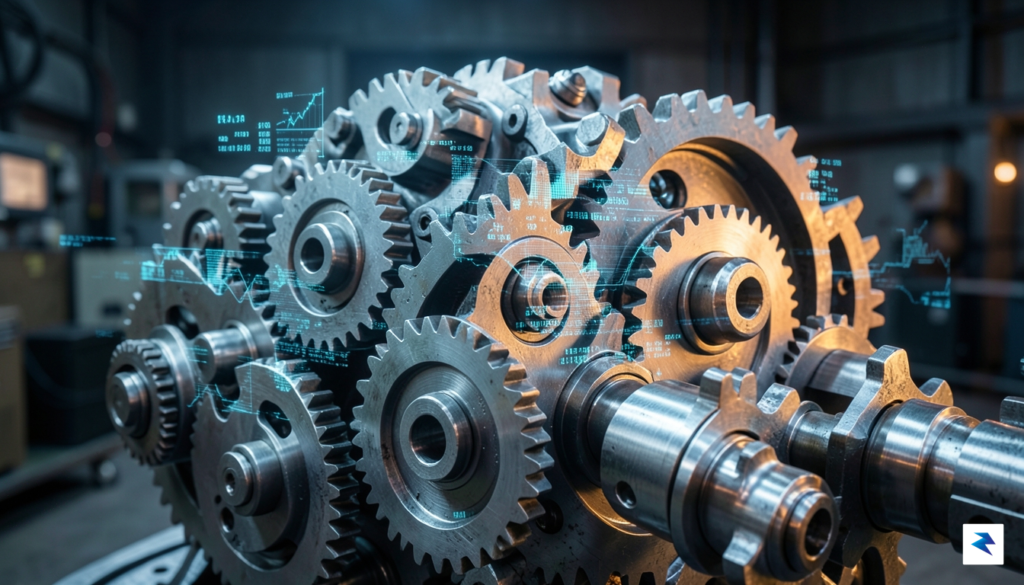
While generative AI has demonstrated an uncanny ability to generate code, draft marketing copy, and optimize static data sets, it fundamentally operates on a probabilistic foundation rather than a physical one. In the realm of high-stakes automotive engineering, this distinction is critical. AI models are trained to predict the most likely next word or pixel based on vast patterns of historical data, but they lack an intrinsic understanding of thermodynamics, metallurgy, or the unpredictable behavior of materials under extreme stress. When an engineer designs a transmission housing or a suspension component, they are not merely solving a statistical puzzle; they are navigating a complex landscape of physical constraints where there is no room for the “hallucinations” that plague large language models.
The core issue lies in the difference between predictive optimization and creative engineering. Current AI tools excel at refining known parameters—such as minimizing the weight of a bracket by shifting material according to established rules—but they consistently fail when confronted with “unknown unknowns.” Complex mechanical systems are rife with emergent behaviors that only appear when components interact in the real world, often in ways that never appeared in the digital training set. Because AI lacks the lived experience to foresee how a subtle vibration might cause fatigue in a specific alloy over five years of road exposure, it often delivers designs that look perfect on a screen but prove disastrous on the assembly line.
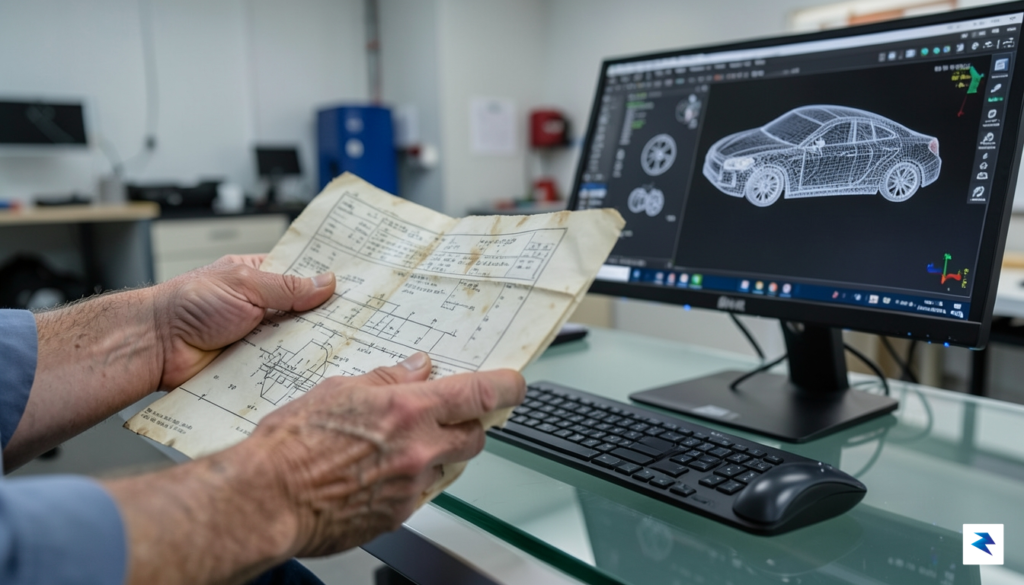
Furthermore, the reliance on simulated environments creates a dangerous feedback loop of over-simplification. AI models frequently optimize for the metrics they are given, ignoring the nuances of the physical environment that seasoned engineers—often referred to as “gray beards”—intuitively understand. These veterans know that a part that passes a simulation might fail due to subtle factors like heat dissipation, assembly-line tolerance stack-ups, or the way a bolt stretches over time. Because AI lacks this visceral connection to the shop floor, it often proposes solutions that are theoretically sound but practically impossible to manufacture, repair, or maintain at scale.
The most dangerous failure in high-stakes engineering is the “plausible error”—a design that looks mathematically perfect but ignores the messy, unforgiving realities of physics.
There are specific automotive domains where this disconnect becomes glaringly apparent. For instance, in power delivery and thermal management systems, where efficiency and safety margins are razor-thin, AI often struggles to balance competing priorities that require deep domain expertise. While an AI might suggest a configuration that maximizes cooling efficiency, it may inadvertently compromise the structural integrity of the chassis or create NVH (noise, vibration, and harshness) issues that a human engineer would identify instantly. Ultimately, until AI can account for the entropy of the physical world, the seasoned judgment of human experts remains the only safeguard against the costly, systemic failures that algorithmic optimization alone cannot prevent.
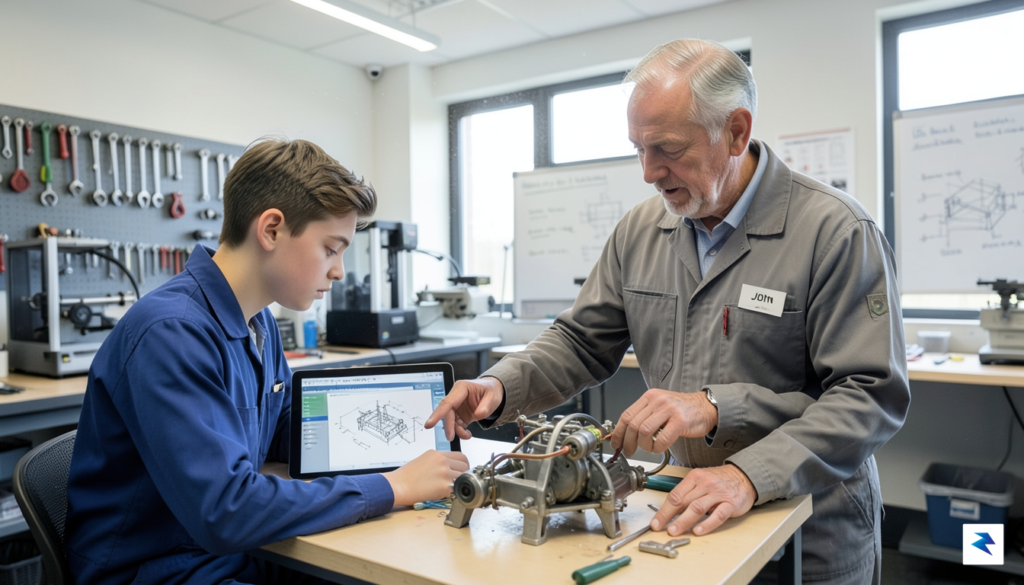
The future of automotive engineering is not a zero-sum game between silicon and synapses; rather, it is defined by a symbiotic relationship where technology amplifies human intuition. To achieve this, firms must transition toward a hybrid workflow that delegates the mundane to algorithms while reserving the soul of the vehicle for those who have spent decades mastering the craft. By automating the drudgery—such as massive data parsing, routine stress testing simulations, and identifying minor structural discrepancies—AI provides a foundation of efficiency. This allows veteran engineers, or the so-called “gray beards,” to shift their focus from reactive problem-solving to proactive innovation and high-level strategy.
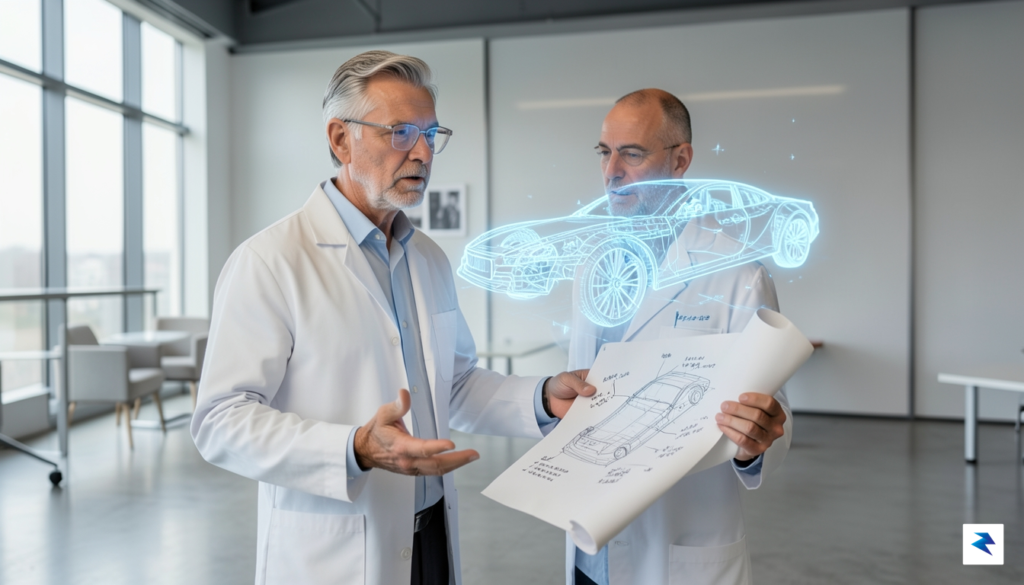
A successful implementation of this model relies on a robust “human-in-the-loop” quality control strategy. In this paradigm, AI acts as an tireless assistant, generating thousands of iterations or performance predictions based on historical data. However, the final judgment—the nuanced decision regarding how a vehicle feels on the road or the subtle calibration of a suspension system—must remain firmly in the hands of the human expert. These individuals possess a form of tacit knowledge that cannot be coded: the ability to understand how a vehicle behaves in unpredictable, real-world conditions that a static dataset simply cannot replicate.
True craftsmanship is defined not by the tools used to build a machine, but by the wisdom applied to ensure that machine serves its driver with reliability and character.
Transitioning to this hybrid model requires a significant cultural shift within automotive organizations. Companies must move away from the temptation to view AI as a cost-cutting replacement for human capital and instead recognize it as a sophisticated instrument. This involves:
Ultimately, the goal is to leverage AI to handle the “what” and the “how” of data, while human engineers maintain control over the “why.” When we treat seasoned engineers as the architects of the user experience and AI as the engine that powers their research, we produce vehicles that are not only smarter but also safer and more refined. By embracing this balance, automotive firms can preserve their unique brand identity and engineering excellence in an era of rapid technological disruption.
Ford’s strategic pivot to re-engage veteran engineers serves as a definitive turning point for the manufacturing sector at large. For years, the industry was captivated by the Silicon Valley mantra of “move fast and break things,” a philosophy that often prioritized rapid iteration over the rigorous, long-term reliability required for complex automotive systems. However, the recent limitations encountered when relying solely on artificial intelligence have forced a recalibration of priorities. This shift signals a departure from the blind pursuit of automation and a return to a more sustainable, high-quality engineering paradigm where the depth of human intuition is once again recognized as an indispensable asset.
In an era where AI can generate code or simulate stress tests in seconds, the ultimate differentiator for automotive brands will not be who can automate the fastest, but who can best marry algorithmic efficiency with the nuanced judgment of experienced professionals. AI is exceptional at optimizing known variables, yet it frequently lacks the contextual wisdom to anticipate the “unknown unknowns”—the subtle edge cases and physical constraints that only a seasoned “gray beard” engineer can instinctively identify. Consequently, manufacturers that view human expertise as a legacy to be discarded are likely to find themselves struggling with systemic quality failures, whereas those that integrate veteran oversight into their AI workflows will achieve a superior level of precision and safety.
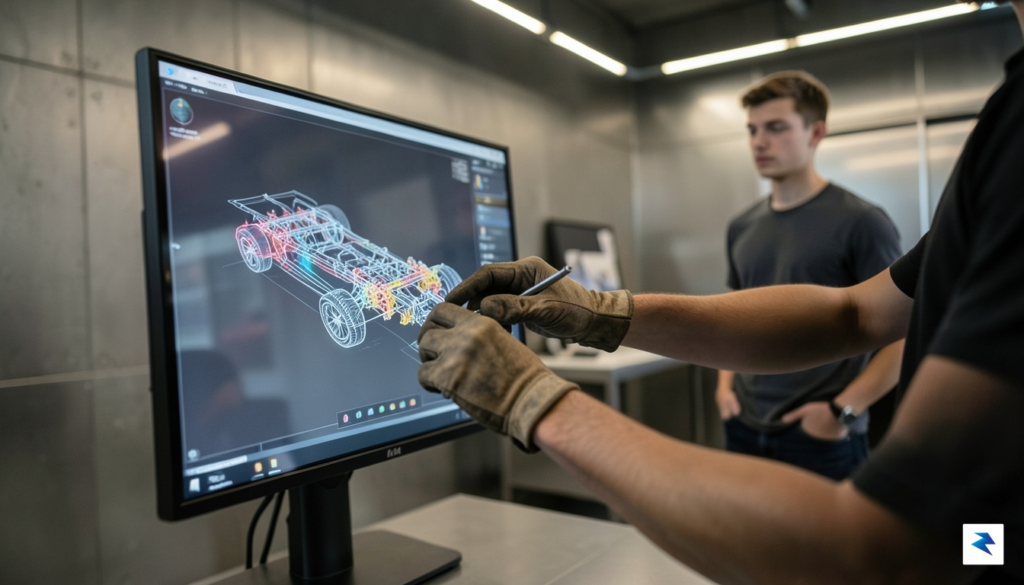
True engineering excellence is found in the intersection of cutting-edge computational power and the hard-won, experiential knowledge that only comes from decades of solving real-world physical problems.
Looking ahead, the career trajectory for automotive engineers is poised to undergo a significant evolution. We are moving toward a future where the most valuable talent will be “hybrid engineers”—professionals who possess the technical prowess to leverage AI tools while maintaining the foundational knowledge required to audit, validate, and refine the output of those tools. Mentorship programs, once considered a traditional corporate luxury, will likely become a critical competitive necessity as companies scramble to prevent the “brain drain” that occurs when institutional knowledge is lost to retirement. Preservation of this human expertise is not merely a sentimental choice; it is a vital safeguard against the risks of over-automation.
Ultimately, the industry is learning that while automation can accelerate the development cycle, it cannot replace the deep architectural foresight required to build vehicles that stand the test of time. As we continue to integrate more complex software into the mechanical heart of our machines, the presence of experienced engineers will remain the single most effective barrier against technical debt and catastrophic oversight. By balancing the speed of innovation with the steady hand of experience, the manufacturing sector can ensure that the next generation of vehicles is not only smart but fundamentally dependable.
You must be logged in to post a comment.