AI’s Most Important Protocol Just Got a Major Upgrade
The Evolution of MCP: Simplifying AI Connectivity For the past year, the Model Context Protocol (MCP) has functioned as the invisible…

The cinematic landscape has been fundamentally reshaped this past weekend as Christopher Nolan’s latest masterwork, The Odyssey, shattered expectations with a monumental $124.5 million domestic opening. In an era where the box office is frequently dominated by established cinematic universes, sequels, and long-running franchise intellectual property, this original epic has defied conventional wisdom. By securing such a massive debut, the film has not only solidified Nolan’s reputation as a rare auteur capable of commanding mass audiences but has also provided a much-needed jolt of electricity to the theatrical exhibition industry, which has been grappling with fluctuating ticket sales and a shifting appetite for big-budget spectacles.
This financial achievement is particularly significant because it proves that audiences are still hungry for original, high-concept storytelling when it is backed by a distinct directorial vision. Studio executives and theater owners have long feared that original, non-franchise films were becoming a dying breed in the blockbuster space, often relegated to smaller budgets or streaming platforms. However, The Odyssey has effectively debunked the notion that viewers will only turn out for familiar characters or pre-existing lore. Instead, the film’s massive opening weekend serves as a powerful reminder that prestige filmmaking—defined by scale, technical prowess, and narrative depth—remains the gold standard for creating a genuine cultural event that compels people to leave their homes.
The success of a film like The Odyssey is not merely a win for its production studio; it is a vital lifeline for theater owners who depend on massive, singular events to keep their venues profitable and relevant in a digital-first world.
The stakes surrounding this release were incredibly high, as the industry watched closely to see if a standalone epic could still generate the kind of sustained momentum typically reserved for superhero sagas. Because the film managed to pull in such staggering numbers, it has arguably set a new blueprint for how major studios might greenlight original projects in the future. By proving that a director’s brand, combined with a compelling, fresh narrative, can outperform the latest iteration of a tired franchise, Nolan has effectively forced a conversation about the value of creative risk. Ultimately, the cultural ripple effect of this triumph will likely be felt for years, as financiers look to replicate the formula of pairing visionary storytelling with grand-scale production to reignite the collective magic of the cinema experience.
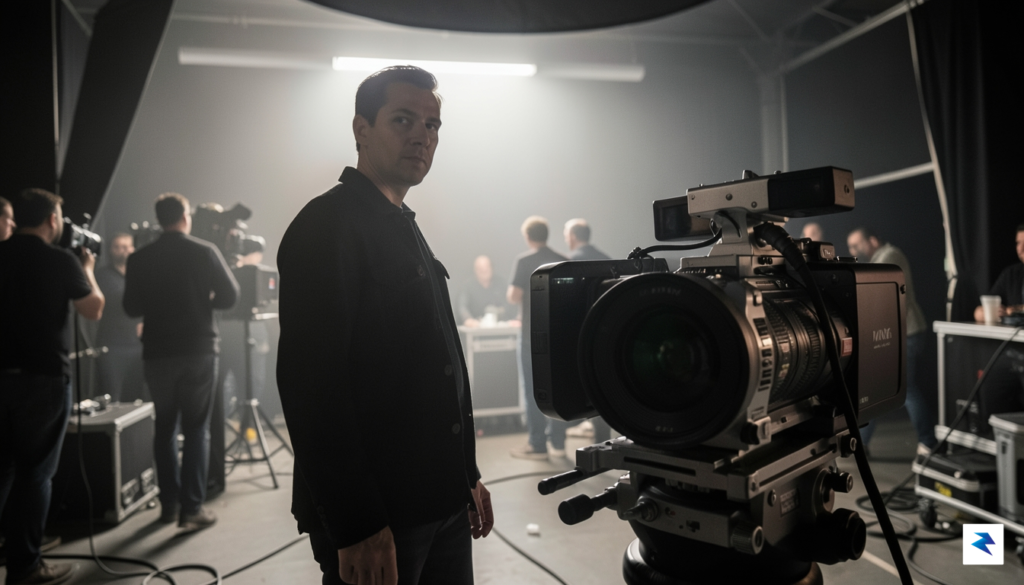
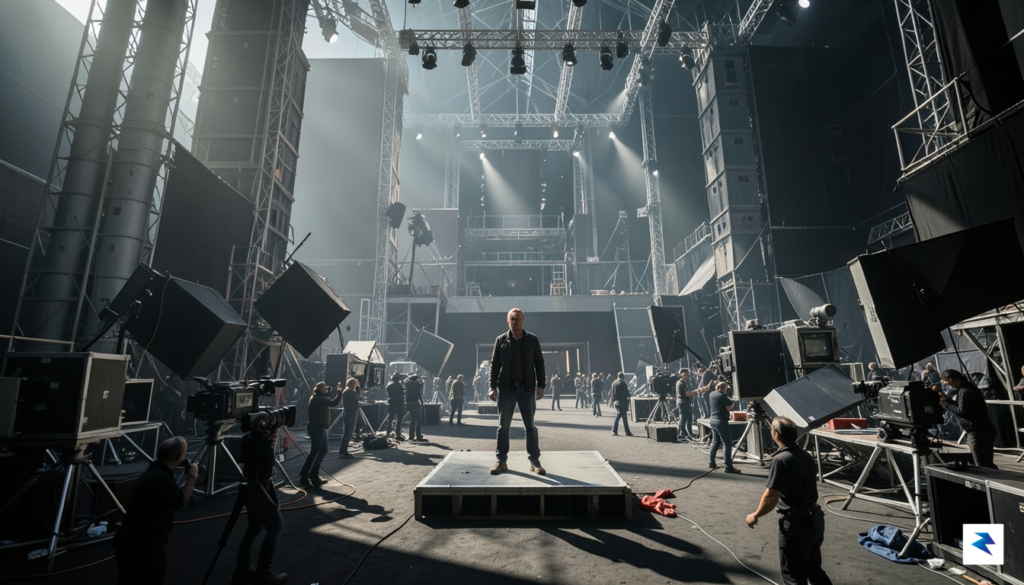
The consistent dominance of a Christopher Nolan project at the global box office is no longer a coincidence; it is a meticulously crafted phenomenon. Audiences have come to recognize his name as a seal of quality that transcends traditional genre boundaries, effectively transforming the director himself into the primary hook of the marketing campaign. While many modern blockbusters rely on established intellectual property or cinematic universes to draw crowds, Nolan consistently turns original, complex concepts into massive cultural events. By positioning his films as challenging, intellectual puzzles that demand the absolute immersion of a theater environment, he has created a unique brand of prestige blockbuster that commands immediate attention from casual moviegoers and cinephiles alike.
At the heart of this “Nolan effect” is an unwavering commitment to the sensory experience of cinema. In an era increasingly dominated by digital workflows and green-screen environments, Nolan’s vocal insistence on practical effects and large-format film—specifically IMAX—serves as a high-stakes promise to the audience. Viewers understand that a ticket to his latest film is not just an entry into a theater, but an invitation to witness a technical feat that cannot be replicated on a home screen. This dedication to tangible spectacle reinforces the idea that his films are “must-see” events, driving opening weekend numbers through the sheer force of technical prestige.
The Nolan brand is built on the rare fusion of uncompromising artistic vision and massive commercial scale, proving that audiences crave challenging narratives when they are presented with sufficient grandeur.
Furthermore, Nolan’s refusal to compromise on runtime or narrative complexity acts as a powerful marketing tool rather than a deterrent. By treating his audience with the intelligence expected of a literary readership, he fosters a sense of loyalty that few other directors can claim. This relationship creates a feedback loop where the complexity of the film becomes part of the discourse; audiences feel a sense of accomplishment in engaging with his intricate timelines and philosophical questions. When combined with his signature practical craftsmanship, this intellectual rigor ensures that the film remains the center of the cultural conversation long after the credits roll, cementing his position as one of the few true “event” directors in the modern industry.
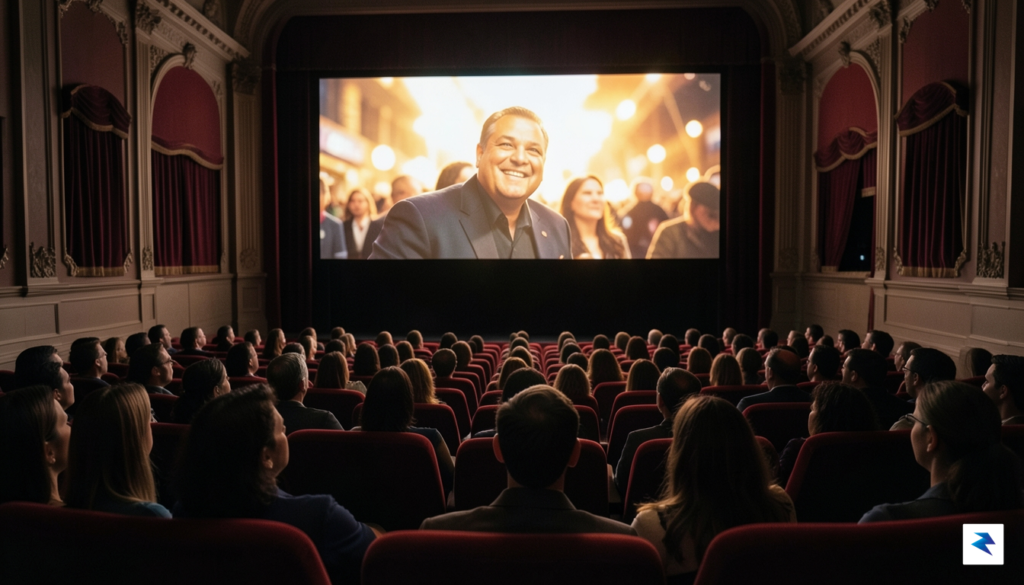
For several years, the prevailing narrative in the film industry suggested that the rise of high-quality home entertainment would inevitably render the theatrical experience a relic of the past. Yet, the massive $124.5 million opening of The Odyssey serves as a powerful rebuttal to the era of convenience viewing. Audiences are signaling a clear preference for intentional, immersive storytelling that demands their full attention. Rather than seeking out easily digestible, bite-sized content, viewers are demonstrating a renewed appetite for the “event film”—a cinematic experience that is meant to be felt in a shared, darkened room rather than paused for chores or interrupted by the distractions of a living room.
The psychological appeal of a three-hour epic lies in its ability to transport the viewer entirely out of their daily reality. When a director like Christopher Nolan crafts a narrative on such a grand scale, the time investment becomes a feature rather than a hurdle. This duration allows for a deep, rhythmic immersion that streaming platforms struggle to replicate. In a theater, the lack of control over the environment—the absence of a remote, the hum of the crowd, and the sheer scale of the projection—forces a level of engagement that is increasingly rare in our hyper-distracted lives. It transforms a simple movie outing into a communal ritual, where the collective reaction of the audience amplifies the emotional stakes of the film.
The success of a film like The Odyssey confirms that when a director creates a spectacle designed for the largest possible canvas, the audience will show up to witness it, proving that size and sound still hold an irreplaceable magic.
Comparing the home viewing experience to the premium large-format theater reveals exactly why this shift is occurring. At home, even the best television screen cannot compete with the sensory assault of a 70mm projection or a high-fidelity sound system that literally vibrates the floorboards. Watching an epic in a theater is a sensory commitment that aligns with the filmmaker’s original intent, whereas home viewing is often a fragmented compromise. By prioritizing the theater, audiences are not just watching a movie; they are reclaiming the sanctity of the cinematic medium, proving that they are willing to trade convenience for the unparalleled gravity that only a true, big-screen epic can provide.
The staggering $124.5 million opening for The Odyssey serves as a powerful testament to the enduring magnetism of event cinema, particularly when helmed by a visionary like Christopher Nolan. While industry analysts spent much of the year questioning whether audiences had permanently shifted toward streaming-first habits, this weekend’s returns provide a clear counter-narrative. By drawing a diverse demographic—ranging from Gen Z viewers enticed by the film’s buzz to older, dedicated cinephiles who follow Nolan’s filmography with religious fervor—the production has effectively bridged the gap that has plagued recent blockbusters. This broad appeal indicates that when a film is marketed as a “must-see” cultural milestone, the theatrical experience remains an indispensable destination for modern consumers.
When comparing these results to the broader box office landscape, it becomes evident that The Odyssey is performing as a stabilizing force in an otherwise volatile economy. Recent quarters have been defined by unpredictable fluctuations in ticket sales, often plagued by the “hit or miss” nature of franchise fatigue. Nolan’s latest project, however, has bucked the trend of diminishing returns by anchoring itself in technical spectacle and narrative weight. This performance suggests that the current market is not necessarily suffering from a lack of interest in cinema, but rather a lack of high-quality, appointment-viewing content that justifies the price of admission during inflationary times.
A significant factor in hitting this nine-figure milestone is the strategic reliance on premium large-format (PLF) screens and IMAX saturation. By prioritizing a rollout that funnels audiences toward premium experiences, the studio has successfully raised the average ticket price, extracting more value from every seat sold. IMAX screens, which have been fully committed to this release, were consistently sold out across major urban hubs, demonstrating that audiences are willing to pay a premium for superior sound and visual fidelity. This shift toward premium pricing is likely to become the standard blueprint for future major releases, as studios look to maximize revenue per capita rather than relying solely on high volume.
The success of this opening isn’t just about the dollar amount; it is a profound validation of the premium theatrical model in an age of infinite digital choice.
Ultimately, the $124.5 million haul is a wake-up call for the entire exhibition business. It proves that the “theatrical window” is far from dead, provided the content matches the scale of the venue. As studios look toward the next fiscal year, they will undoubtedly look to the strategies employed by this production—specifically the combination of high-concept storytelling and a commitment to large-format exclusivity—as the primary remedy for the industry’s current economic uncertainty. If The Odyssey can continue its momentum through the coming weeks, it may well stand as the definitive turning point for post-pandemic theatrical recovery.
The monumental box office performance of this latest epic serves as a definitive turning point for the major studio system, signaling that the three-hour runtime is no longer the commercial liability it was once considered. For years, executives operated under the assumption that shorter films maximized daily showtimes and, consequently, revenue. However, by prioritizing narrative scale and uncompromising vision over rigid scheduling constraints, the industry has discovered a lucrative path forward. This success provides a clear roadmap for studios looking to break the mold, proving that audience patience is not a finite resource—provided the quality of the experience matches the sheer ambition of the project. We are likely entering an era where original, long-form storytelling becomes a hallmark of premium theatrical releases, challenging the trend of relentless franchise expansion.
Of course, greenlighting high-budget, lengthy productions in an age of extreme content saturation carries inherent financial risks. Studios must grapple with the reality that, while an auteur-driven epic can generate massive headlines and cultural momentum, it also requires a singular, ironclad creative vision to justify its cost. When a project is this expansive, there is little room for mid-production course correction or tonal ambiguity. Yet, the rewards are equally significant; films that demand to be seen on the largest canvas possible create an “event” status that streaming services struggle to replicate. By fostering these grand, immersive journeys, studios are effectively distinguishing their products from the endless scroll of home-based entertainment, offering a tactile, communal experience that audiences are clearly hungry to support.
Ultimately, the health of cinema relies on the tension between commercial viability and the daring spirit of the individual director. When we empower filmmakers to pursue their most challenging, long-form narratives, we don’t just sell tickets—we expand the boundaries of what the medium can achieve.
The success of this production underscores the vital importance of auteur-driven filmmaking for the long-term vitality of the industry. When a director is given the resources to execute a complex, three-hour vision, the resulting film often possesses a distinct identity that resonates far longer than the typical assembly-line blockbuster. This approach does more than fill theater seats; it restores the prestige of the cinematic event and reminds audiences why the theater remains the premier destination for serious storytelling. As we look ahead, the industry would be wise to embrace this shift, leaning into the complexity of long-form epics to ensure that the future of the silver screen remains as expansive as the stories it tells.
You must be logged in to post a comment.