Android 17 Is Here: Why Pixel Users Get First Dibs and Others Must Wait
Understanding the Android 17 Pixel Exclusive Launch The official rollout of Android 17 has officially commenced, signaling a new chapter in…


Recently, security researchers at Microsoft uncovered a highly sophisticated new strain of malware specifically engineered to compromise cryptocurrency wallets, sending a ripple of concern through the decentralized finance community. This discovery marks a significant evolution in cybercrime tactics, moving beyond typical online phishing scams and deceptive websites to exploit physical hardware vulnerabilities. The malware represents a potent threat, meticulously designed to infiltrate systems and steal valuable digital assets, underscoring the ever-present need for robust security measures in the crypto space.
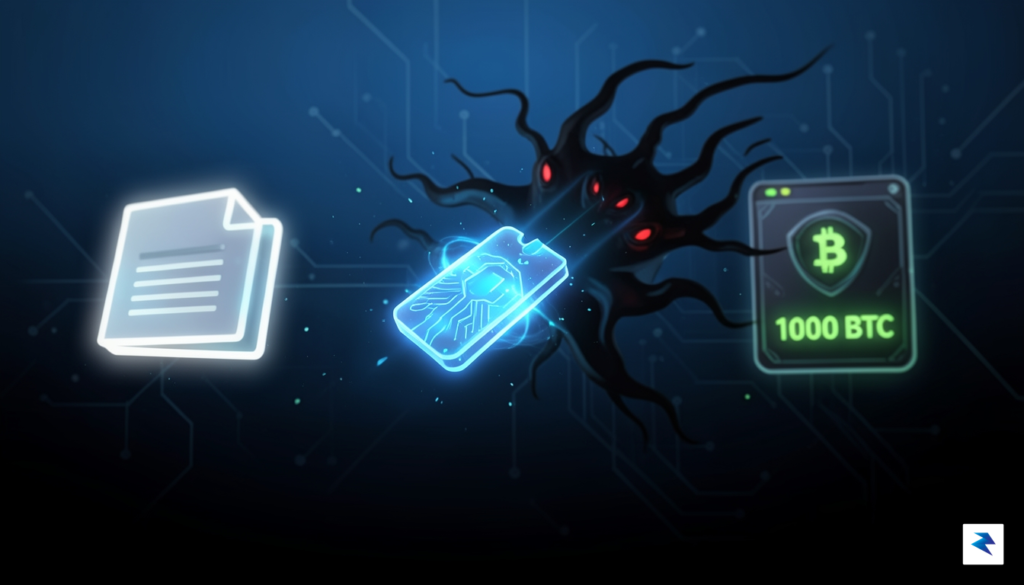
The defining characteristic of this newly identified threat is its insidious propagation method: worm-like spread through USB sticks. Unlike many other forms of malware that rely on internet-based distribution, this sophisticated attacker leverages the simple act of connecting an infected USB drive to a computer. Once a system is compromised, the malware stealthily establishes persistence, often remaining undetected while it scans for and targets cryptocurrency wallet data, including private keys and seed phrases. This offline vector makes it particularly challenging to detect with traditional network-based security tools, as the initial infection doesn’t necessarily trigger typical internet traffic anomalies.
Furthermore, this sophisticated approach signifies a significant escalation in crypto-cybercrime, posing a direct threat to the financial security of individuals and the integrity of the broader crypto ecosystem. The malware’s primary objective is to hijack digital assets, either by directly siphoning funds from wallets or by replacing legitimate wallet addresses during transactions, redirecting transfers to attacker-controlled accounts. The impact on victims can be devastating, leading to irreversible financial losses given the immutable nature of blockchain transactions. This makes understanding its mechanics and implementing preventative measures absolutely crucial for anyone holding digital currencies.
Ultimately, the emergence of such a potent, physically propagating threat underscores a critical shift in how attackers target decentralized finance. It highlights a move towards more elaborate and multi-layered attack vectors that combine social engineering (to get users to plug in infected USBs) with advanced technical capabilities. This particular method of propagation presents a unique challenge, as it preys on common user habits and the convenience of portable storage devices, demanding a renewed focus on endpoint security and user awareness. The implications extend beyond individual users, potentially impacting enterprises and exchanges if internal systems become compromised through this highly effective, yet deceptively simple, infection vector.
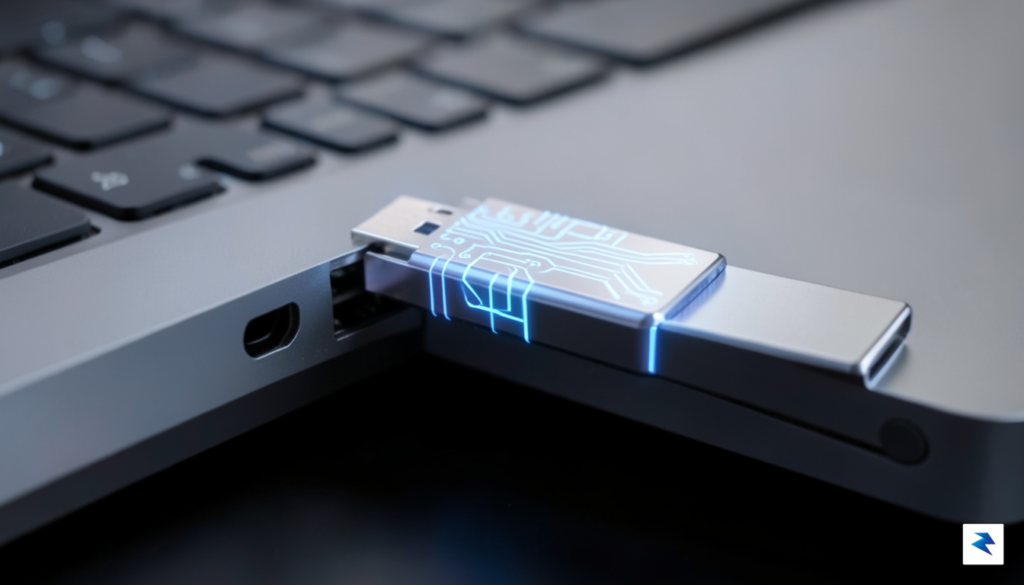
While the modern cybersecurity narrative is dominated by sophisticated phishing campaigns and cloud-based exploits, the physical world remains a remarkably fertile ground for digital theft. The latest strain of cryptocurrency-stealing malware exploits a lingering sense of human curiosity and misplaced trust in physical hardware. By repurposing the humble shortcut file (.lnk), attackers have transformed standard USB drives into high-efficiency infection vectors. When a user plugs an infected drive into their computer, they are often greeted by what appears to be a list of legitimate documents or folders. In reality, these are malicious shortcuts designed to execute hidden scripts that silently install backdoors on the host system without triggering immediate alarm bells.
The psychology behind this propagation method is as effective as it is simple: people inherently trust physical objects they can hold in their hands. Unlike an unsolicited email attachment that triggers immediate suspicion, a USB drive found in a parking lot or shared among colleagues feels tangible and benign. Once an unsuspecting user double-clicks one of the masked shortcuts, the malware initiates a multi-stage execution process. It quietly runs a command that triggers a PowerShell script, which in turn downloads the primary payload from a remote server. This script is specifically engineered to scan the local machine for cryptocurrency wallet data, private keys, and browser-stored credentials, all while the user believes they are merely opening a file from their drive.
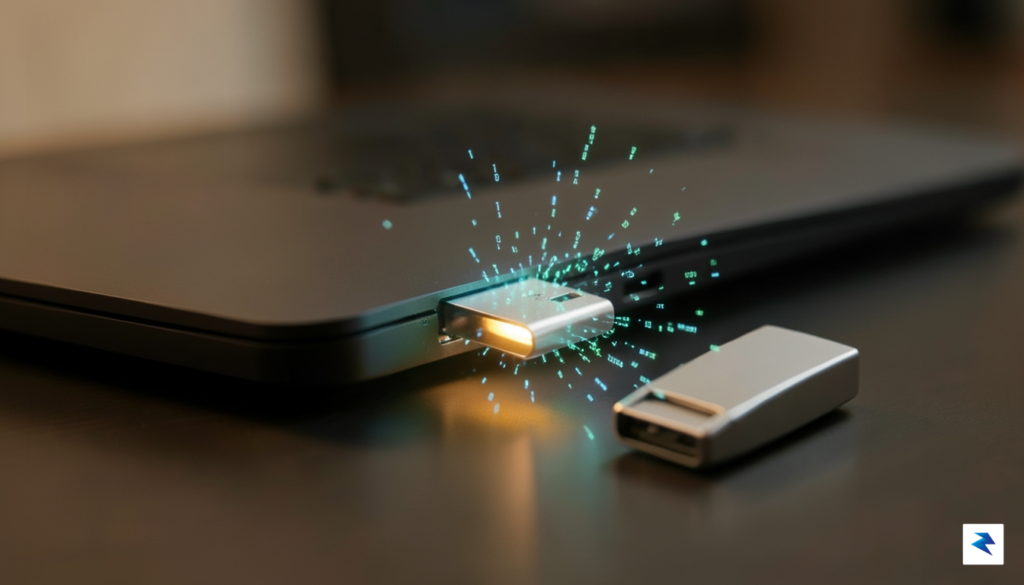
The danger lies in the malware’s ability to turn a single infected machine into a distribution hub; every time a new USB drive is connected to a compromised computer, the malware automatically replicates itself onto the new media, ensuring the cycle of infection continues indefinitely.
Beyond the initial infection, the worm’s propagation mechanism is particularly adept at navigating diverse Windows environments. It modifies the drive’s file structure to hide the original contents, replacing them with malicious shortcuts that inherit the icons of the actual files they mimic. Because these shortcuts are configured to execute the malware payload before opening the “hidden” legitimate content, the user is often unaware that anything malicious has occurred. This clever obfuscation allows the threat to move laterally across home PCs, office workstations, and public kiosks alike. By the time a user realizes that their crypto wallet has been drained, the malware has already spread to dozens of other drives, making the containment process an incredibly complex challenge for even the most diligent IT security teams.
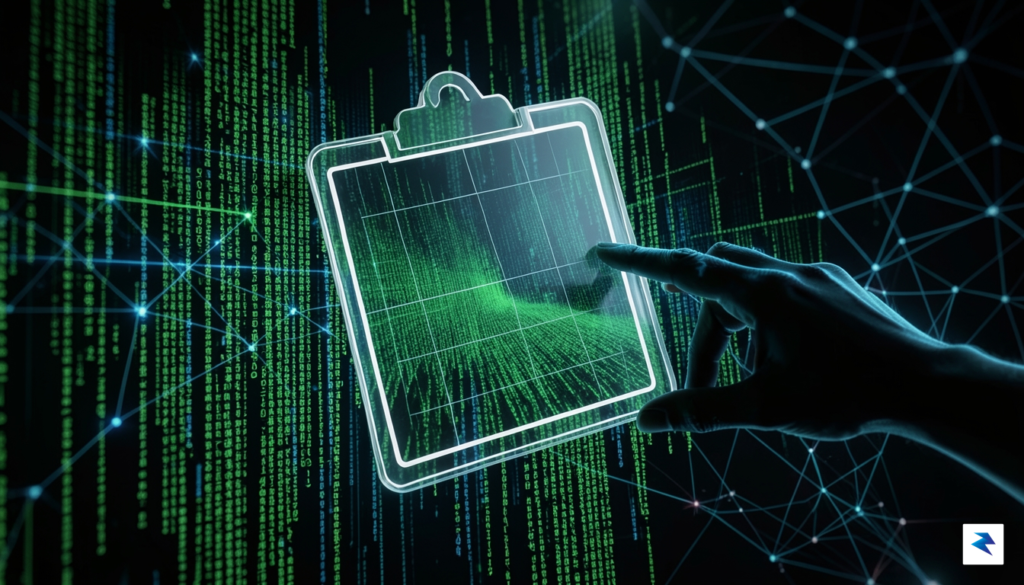
At the heart of this sophisticated campaign lies a stealthy, background-running process designed to monitor the Windows clipboard in real-time. By utilizing standard Windows APIs, the malware maintains a persistent hook into the system’s clipboard buffer, effectively “watching” every piece of text a user copies. Whenever the data in the clipboard matches the specific regex patterns associated with popular cryptocurrency wallet addresses—such as those for Bitcoin, Ethereum, or Monero—the malware immediately springs into action. Rather than alerting the user, it silently overwrites the legitimate address with one controlled by the attacker, ensuring that any subsequent “paste” operation inadvertently redirects funds to a malicious destination.
The danger of this mechanism is amplified by the common human tendency to rely on the convenience of copy-pasting long, complex alphanumeric strings. Because crypto addresses are often lengthy and difficult to memorize, users rarely perform a manual character-by-character verification of the string before hitting the send button. The malware exploits this psychological shortcut, banking on the fact that users assume the data they just copied remains pristine. By the time a user realizes the transaction has been sent to the wrong address, the decentralized and irreversible nature of blockchain technology makes recovery virtually impossible.
Security Alert: Always verify the first and last four characters of any cryptocurrency address before finalizing a transaction, as clipboard-hijacking malware is designed to bypass standard visual checks by mimicking the format of your intended recipient.
Beyond simple clipboard manipulation, this malware is also engineered to conduct more invasive forms of data exfiltration. Once it gains a foothold on a host machine, it systematically scans local storage for sensitive files, including wallet configuration files, private keys, and mnemonic recovery phrases. By targeting these high-value assets, the attackers move beyond simple transaction rerouting to gain full, unauthorized access to the victim’s entire wallet balance. This dual-pronged strategy—combining active transaction interception with passive credential harvesting—ensures that even if a user manages to avoid a faulty clipboard paste, their digital assets remain under constant threat from underlying system compromise.
The persistence of this threat is further bolstered by its ability to hide within removable USB drives, allowing it to migrate across different machines without ever needing an active internet connection to spread. Once plugged into a new system, the malware executes its malicious payload, re-establishing the clipboard-monitoring loop and continuing its hunt for private keys. This method of infection underscores the necessity of maintaining rigorous digital hygiene, as simply avoiding suspicious websites is no longer sufficient to protect your crypto holdings from modern, hardware-borne threats.

Securing your cryptocurrency portfolio requires a shift in mindset: you must treat physical hardware with the same level of scrutiny as your most sensitive online credentials. Because modern malware is increasingly designed to exploit the physical interfaces of your computer, such as USB ports, digital security is no longer confined to firewalls and strong passwords. A comprehensive defense strategy begins with the fundamental principle of minimizing the attack surface by disabling the AutoRun and AutoPlay features in your operating system settings. By preventing the system from automatically executing scripts or applications found on external drives, you effectively neutralize the primary delivery mechanism for many crypto-stealing worms that rely on immediate, unauthorized execution upon insertion.

Beyond managing system settings, you must prioritize the use of hardware wallets for any significant holdings. These devices store your private keys in a secure, offline environment that is physically separated from your computer’s operating system, meaning that even if your machine is compromised by sophisticated malware, the keys themselves remain inaccessible to digital thieves. Furthermore, you should adopt a rigorous protocol for handling transaction addresses to prevent clipboard hijacking. Many malicious programs operate by monitoring your clipboard; when you copy a wallet address, the malware silently swaps it for one controlled by the attacker, leading you to inadvertently send funds to the wrong destination.
To safeguard your transactions, always verify the first and last four characters of any wallet address before clicking send, or utilize QR code scanning to eliminate the need for manual copying entirely.
Implementing a layered security approach is the most effective way to protect your assets against both emerging threats and standard vectors. Follow this checklist to ensure your environment remains resilient:
Ultimately, the goal is to create as many friction points as possible for an attacker. By combining the physical security of offline storage with the digital discipline of manual verification and restricted system configurations, you force would-be thieves to overcome multiple layers of protection. Staying vigilant against physical vectors is not merely a precautionary measure; it is a vital component of responsible asset management in an era where malware is becoming increasingly creative in how it bridges the gap between your hardware and your wallet.


The recent emergence of malware leveraging physical hardware to compromise digital assets marks a sophisticated shift in the tactics employed by cybercriminals. For years, the crypto industry focused heavily on fortifying digital perimeters, such as securing exchange APIs and hardening browser-based wallet extensions. However, this hybrid approach—which bridges the gap between the physical world and digital networks—demonstrates that threat actors are increasingly looking for “analog” entry points to bypass sophisticated software firewalls. By utilizing USB drives as vectors for infection, attackers are effectively exploiting the inherent trust we place in physical hardware, turning a simple peripheral device into a potent delivery system for malicious payloads.
This transition from purely remote exploits to hybrid, offline-to-online attacks signals a maturation in the cyber-threat ecosystem that users cannot afford to ignore. As cryptocurrency continues to weave itself into the fabric of mainstream financial technology, the attack surface expands far beyond the blockchain itself. When developers and OS creators build security protocols, they must now account for the “air-gapped” vulnerability where a user’s physical habits—like plugging in an untrusted thumb drive—can immediately invalidate the strongest encryption keys stored on a machine. This creates a challenging tension: while operating systems are becoming more resilient against remote intrusion, they remain susceptible to the age-old risks of physical hardware manipulation and unauthorized peripheral access.
The future of digital security lies not just in better code, but in a holistic defensive strategy that accounts for the physical environment surrounding our devices.
Ultimately, the responsibility for securing digital assets must become a shared effort between technology providers and the end user. While OS developers must continue to implement stricter auto-run protections and hardware-level isolation, users must adopt a “zero-trust” mentality regarding any external storage device. Moving forward, we should expect the next generation of security protocols to include mandatory hardware authentication and more granular permission settings for external peripherals. Constant vigilance is no longer an optional best practice; it is a fundamental requirement for anyone navigating the modern crypto landscape. By treating physical hardware with the same level of scrutiny as we do suspicious email links, we can begin to close the loopholes that allow these hybrid threats to thrive.
You must be logged in to post a comment.