
Apple’s New Leasing Plan: Is It Worth It for Your Next Upgrade?
The Shift to Hardware-as-a-Service The digital economy has undergone a profound transformation over the last decade, evolving from a world of…
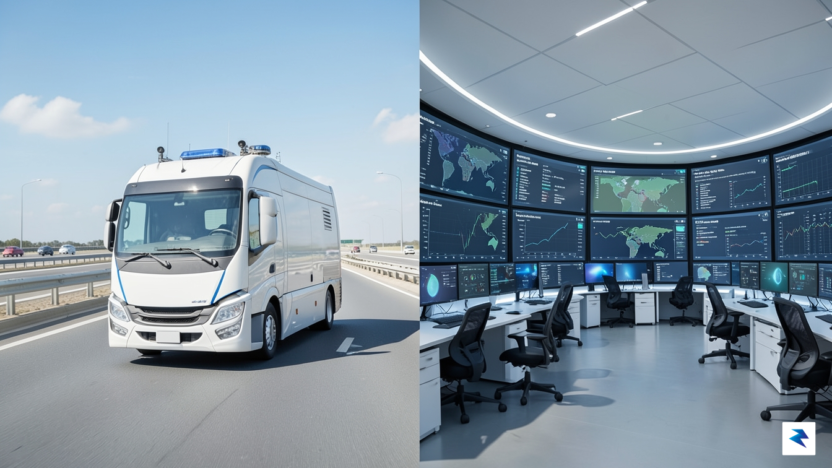
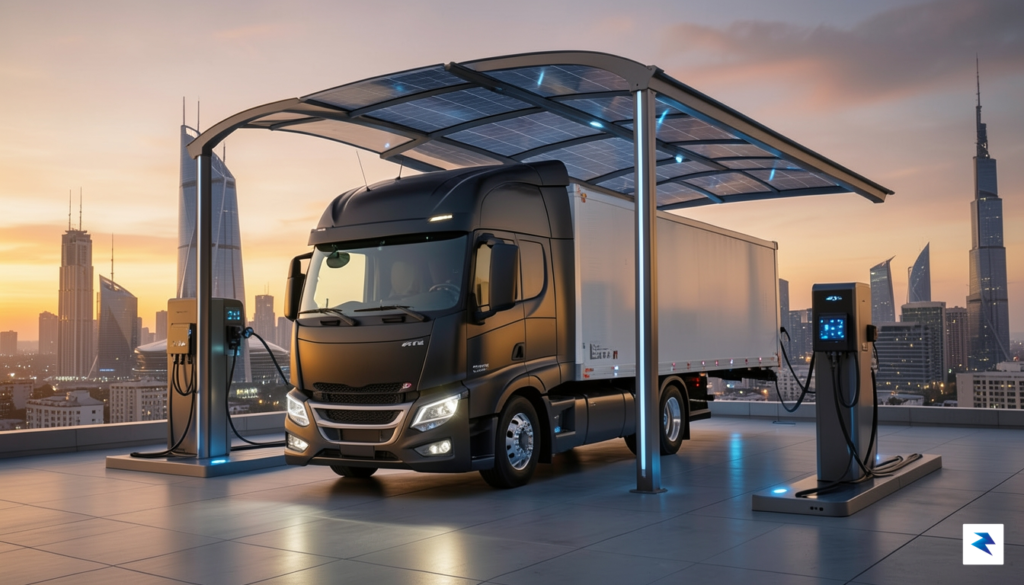
The global logistics industry stands at the precipice of a monumental transformation, moving beyond the centuries-old reliance on fossil fuels toward a fully electrified future. For years, diesel engines have been the undisputed workhorses of heavy-duty transport, powering the trucks that deliver everything from raw materials to consumer goods across continents. However, the era of electric vehicles (EVs) is rapidly maturing, evolving from experimental pilot programs and futuristic concepts into indispensable, core business assets within the freight sector. This isn’t merely an incremental upgrade; it represents a fundamental rethinking of how goods move, driven by urgent environmental imperatives, evolving regulations, and the promise of significant operational efficiencies. The shift away from the traditional diesel paradigm is now undeniable, pushing trucking companies and logistics providers to re-evaluate their entire operational model.
While the shift to electric trucks brings immense promise, it also introduces a new set of complex challenges, primarily centered around energy infrastructure. Unlike passenger vehicles that can often rely on a growing network of public charging stations for occasional top-ups, heavy-duty commercial fleets operate on stringent schedules and require vast amounts of power, delivered reliably and quickly, often at strategic locations. Current public charging networks are largely ill-equipped to meet these demands; they lack the megawatt-level charging capacity required to rapidly refuel a fleet of electric semi-trucks, the physical space to accommodate multiple large vehicles simultaneously, and the guaranteed uptime crucial for time-sensitive deliveries. Relying on a fragmented, often unreliable public charging ecosystem introduces unacceptable risks, including delays, increased operational costs due to charging bottlenecks, and the constant threat of stranded assets, making it a critical bottleneck for widespread electric truck adoption.
Consequently, for any serious player in the electric trucking arena, simply buying electric trucks is no longer sufficient; control over the charging infrastructure has become an absolute competitive necessity. This realization is driving a significant trend toward vertically integrated charging solutions, where logistics companies or their partners develop, own, and operate their power infrastructure. By managing everything from the grid connection and energy storage to the charging hardware and intelligent software platforms, companies can optimize energy procurement, predict costs more accurately, and ensure maximum uptime for their fleets. Such integration allows for sophisticated route planning that incorporates guaranteed charging stops, dynamic load balancing to minimize energy expenses, and robust resilience against grid fluctuations. In this evolving landscape, the ability to power a fleet efficiently and reliably isn’t just an operational detail; it is the strategic differentiator that will determine market leadership and operational viability in the electrified future of logistics.

The recent $38 million investment marks a transformative milestone for Einride, signaling a departure from being purely a technology and logistics provider toward becoming a comprehensive infrastructure owner. By acquiring specialized charging infrastructure capabilities, the company is effectively taking control of its own supply chain, shielding its operations from the inherent volatility found in fragmented, third-party energy markets. This significant capital allocation is not merely an operational upgrade; it represents a fundamental shift in how the company approaches the scaling of heavy-duty electric logistics. By internalizing the critical asset of energy delivery, Einride is ensuring that its fleet operations are tethered to reliable, high-capacity charging networks that the company itself controls, rather than waiting on external utility providers or public infrastructure developers to catch up to their aggressive growth targets.
As this acquisition stands as the company’s first major strategic move since its emergence into the public eye, it serves as a powerful statement to investors and industry observers alike. In the competitive landscape of electric trucking, the “range anxiety” that plagues individual consumers is eclipsed by “infrastructure anxiety” for commercial fleets, where downtime directly equates to lost revenue and broken supply chains. By securing these charging assets, Einride is effectively de-risking its business model, providing stakeholders with clear evidence that the company is building a sustainable, long-term moat. This proactive stance on asset ownership provides a blueprint for scalability, demonstrating that the future of freight depends as much on the power grid as it does on the trucks themselves.
The true bottleneck for the electrification of freight is no longer the vehicle technology itself, but the speed and reliability of the charging infrastructure that keeps those vehicles moving across continents.
Ultimately, this $38 million bet is about operational independence and the ability to guarantee performance for enterprise clients. When a company controls its own charging hubs, it gains the ability to optimize power load, integrate renewable energy storage solutions, and manage energy costs with surgical precision. This level of vertical integration is essential for scaling electric trucking beyond small-scale pilots and into the backbone of global logistics. By positioning itself as an end-to-end provider that owns the power source, Einride is not just reacting to the market—it is actively shaping the infrastructure standards required for a net-zero transportation future.
The ‘chicken and egg’ problem is particularly acute in the world of heavy-duty logistics. While electric trucks are increasingly available from various manufacturers, their widespread adoption remains largely tethered to the ground by a significant obstacle: the lack of adequate charging infrastructure. This absence of high-capacity, reliable charging hubs essentially confines today’s electric fleets to shorter, predictable routes, severely limiting their potential to fully displace diesel-powered vehicles across the vast network of commercial freight. Until robust charging solutions become as ubiquitous and efficient as diesel fuel stations, the ambitious vision of an entirely electrified trucking industry will struggle to move beyond its nascent stages.
Powering a Class 8 electric truck is an entirely different proposition from charging a passenger electric vehicle. These commercial titans, designed to haul tens of thousands of pounds over long distances, require immense battery capacities, often ranging from 500 kilowatt-hours (kWh) to well over 1 megawatt-hour (MWh). To put that into perspective, a typical passenger EV might have a 75 kWh battery, meaning a single electric semi-truck could carry the energy equivalent of ten or more electric cars. Consequently, rapidly replenishing such massive power reserves demands an astronomical amount of electrical current, far beyond what most existing grids or standard charging stations are equipped to deliver.
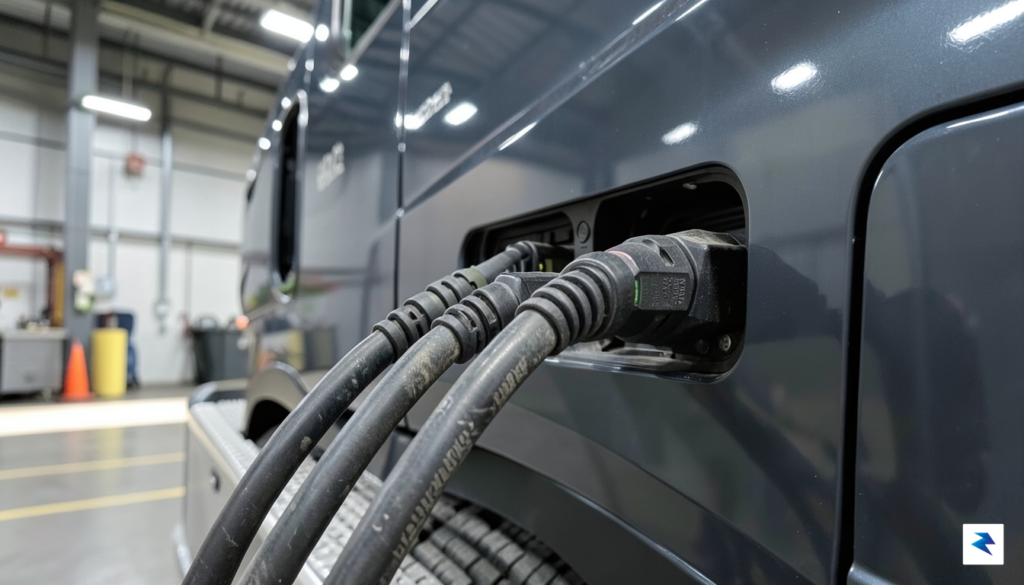
This brings us to the advent of “megawatt charging,” a term that aptly describes the colossal power levels necessary for commercial trucking. A single megawatt charger delivers 1,000 kilowatts, which is roughly five to ten times more powerful than even the fastest public DC fast chargers available for passenger cars today. Implementing such a system involves not only the charging units themselves but also a complete overhaul of the underlying electrical infrastructure. This includes deploying specialized, liquid-cooled cables and connectors to manage the intense heat generated by high current flow, along with significant upgrades to local grid connections, transformers, and substations. Developing an entire charging depot capable of simultaneously powering multiple trucks at megawatt speeds represents a monumental engineering and logistical undertaking, akin to building a small power plant.
The contrast between the charging needs of consumer EVs and commercial freight infrastructure couldn’t be starker. For passenger cars, charging typically involves overnight home charging, or quick top-ups at public stations with power outputs ranging from 50 kW to 350 kW, often allowing for leisurely breaks. Trucking operations, however, operate on razor-thin margins and strict schedules, where every minute of downtime directly translates into lost revenue. Fleets cannot afford hours-long charging sessions; they require rapid turnaround times to maximize vehicle uptime and maintain tight delivery schedules. Furthermore, while passenger EV charging can be somewhat decentralized, commercial trucking demands strategically located, purpose-built depots capable of handling multiple large vehicles, often requiring extensive real estate and specialized power access that is simply not present in urban or suburban environments designed for smaller vehicles.
Ultimately, these multifaceted technical and logistical hurdles coalesce to create the primary bottleneck hindering the full-scale electrification of the trucking industry. Without a robust network of high-capacity, reliable, and strategically located charging hubs, the economic viability and operational flexibility of electric trucks, especially for regional and long-haul routes, remain severely compromised. Companies cannot commit to large-scale fleet transitions if they cannot guarantee that their vehicles will have consistent access to the power they need, precisely when and where they need it. This fundamental challenge underscores why significant investment in charging infrastructure is not merely an option, but an absolute prerequisite for unlocking the transformative potential of electric trucking.
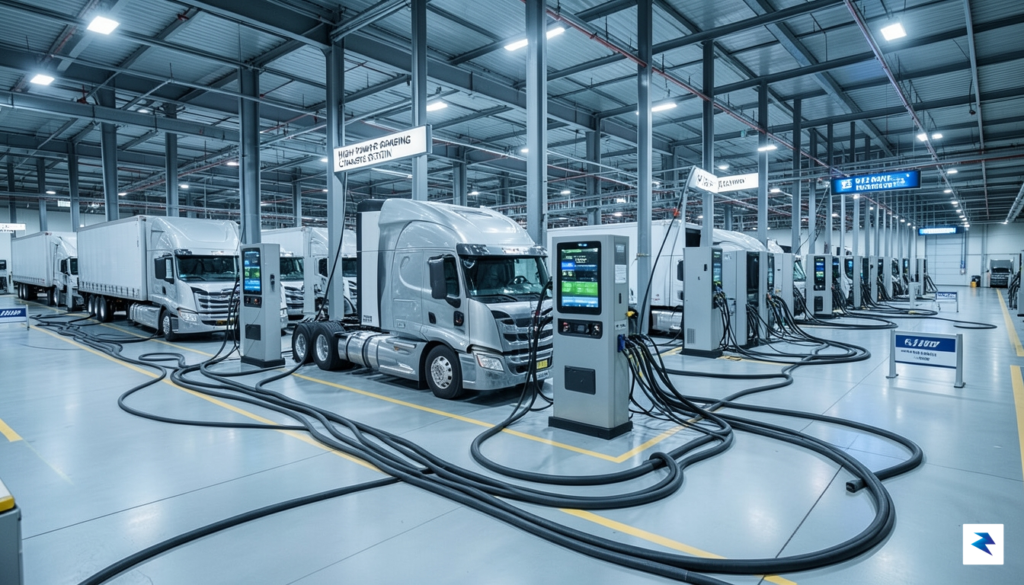
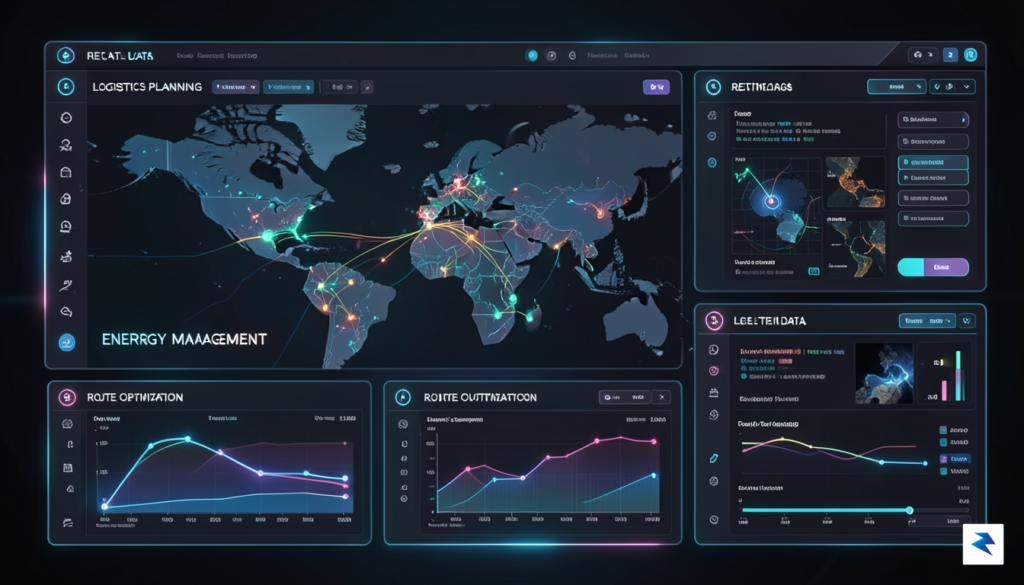
While the $38 million investment in physical charging infrastructure is a bold statement, the true value of Einride’s approach lies in the intelligence governing these assets. Hardware is ultimately only half the battle in the transition to electric logistics; a charger sitting idle or drawing power inefficiently is a stranded asset. By integrating a proprietary software layer, Einride transforms static charging stations into a dynamic, responsive energy ecosystem. This synergy ensures that the physical hardware is not just a place to plug in, but a fully optimized node within a broader, high-performance supply chain.
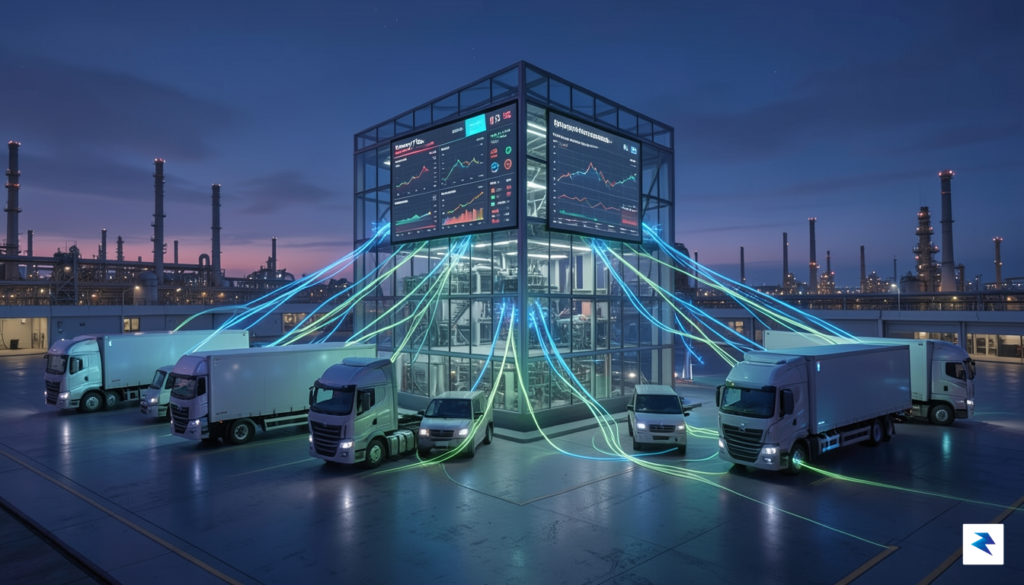
At the core of this operation is AI-driven route optimization, which serves as the nervous system for the entire fleet. Rather than treating charging as an afterthought, the software calculates precisely when and where a truck needs to power up based on real-time traffic data, cargo weight, and battery performance metrics. This predictive capability ensures that drivers are never left searching for a vacant station or facing unexpected delays. By syncing vehicle schedules with charging availability, Einride effectively eliminates the “range anxiety” that has traditionally plagued electric trucking, allowing for a seamless transition that mirrors the reliability of diesel operations.
Furthermore, managing the sheer electrical load of a heavy-duty fleet presents a significant challenge to local power grids, especially during peak demand periods. To mitigate this, Einride utilizes smart charging software that performs sophisticated load balancing across its network of stations. By intelligently staggering power delivery and tapping into energy reserves when grid prices or demand are high, the system prevents localized brownouts and minimizes operational costs. This layer of abstraction between the vehicle and the grid is critical for scaling, as it allows the fleet to grow without necessitating constant, expensive upgrades to the local electrical infrastructure.
The integration of real-time data into energy management isn’t just about efficiency; it is about turning the charging station into an active participant in the logistics network, reducing fleet downtime to an absolute minimum.
Ultimately, the benefit of this proprietary energy management system is a drastic reduction in total fleet downtime. Because the software continuously monitors the health of both the trucks and the chargers, it can proactively schedule maintenance and optimize charging windows to align with mandatory driver rest periods. By removing the friction between energy procurement and vehicle deployment, Einride is successfully proving that the future of freight depends less on the raw wattage of a charger and more on the sophistication of the digital brain managing the flow of electrons.
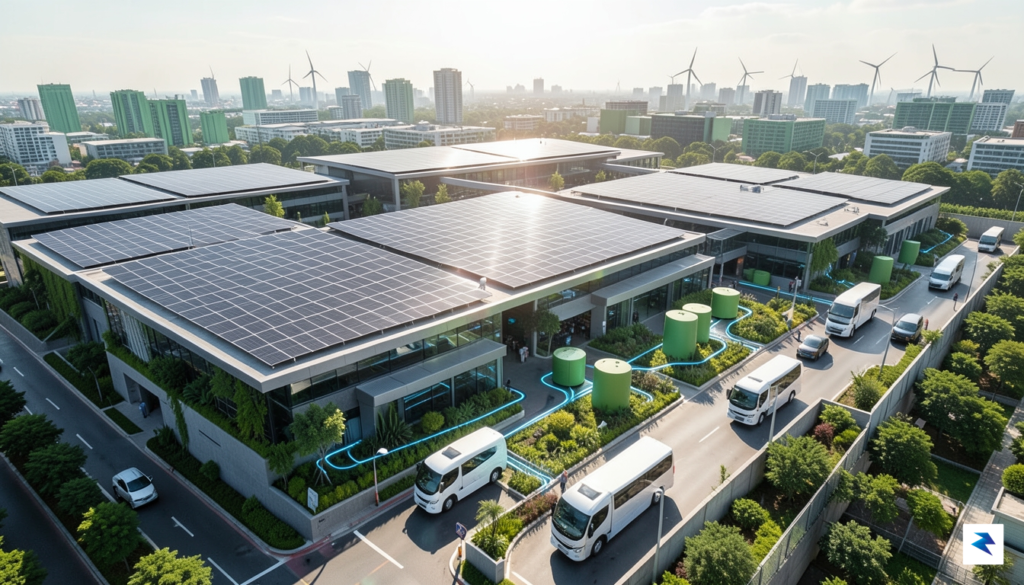
By investing $38 million into dedicated charging infrastructure, Einride is signaling a fundamental shift in the logistics sector: the transition from asset-light transportation providers to energy-integrated utility models. Historically, freight companies focused solely on the movement of goods, outsourcing the complexities of fuel procurement and station maintenance to third parties. However, as the industry grapples with the rapid electrification of heavy-duty fleets, the reliability of the grid has become the new primary constraint on growth. Einride’s proactive stance suggests that the future of competitive logistics will no longer be determined by fleet size alone, but by a company’s ability to secure and manage its own localized energy ecosystems.
This strategic pivot is likely to trigger a wave of consolidation across the global supply chain, where logistics firms increasingly behave like energy utilities to protect their operational continuity. As market leaders observe these capital-intensive investments, we can expect a domino effect where traditional carriers are forced to either partner with, acquire, or emulate energy-first logistics providers to remain relevant. In this new landscape, the charging depot is not merely a piece of infrastructure; it is a critical competitive moat that ensures uptime and service reliability in an era where public charging options for heavy-duty electric trucks remain sparse and unpredictable.
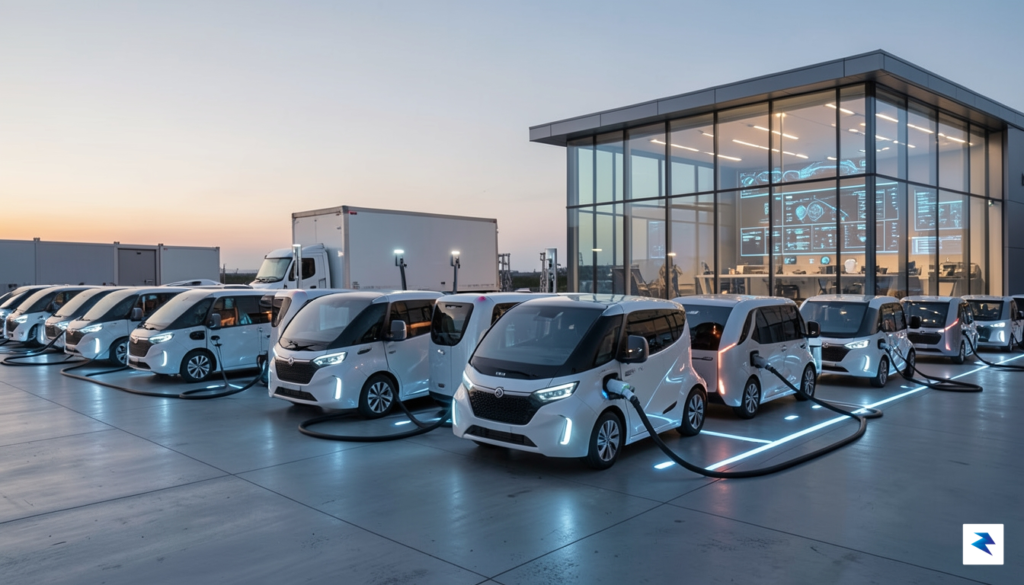
The winners of the next decade in logistics will be those who master the intersection of freight movement and energy management, effectively turning the supply chain into a distributed grid of intelligent, renewable power.
From a long-term sustainability perspective, this shift is essential for meeting the ambitious decarbonization targets set by global regulatory bodies. Reducing the carbon footprint of the freight industry is notoriously difficult due to the sheer energy density required to move massive loads over long distances. By creating robust, high-capacity charging networks, Einride and its peers are not just supporting their own fleets; they are establishing the foundational architecture necessary for the entire industry to migrate away from fossil fuels. This transition promises to radically lower Scope 3 emissions for major retailers and manufacturers who rely on these freight services, making carbon neutrality a tangible operational goal rather than a distant corporate promise.
Ultimately, the market impact of such significant investment will be a more resilient and transparent supply chain. As companies gain direct control over their energy supply, they become less susceptible to the volatility of global oil prices and more capable of optimizing their routes based on renewable energy availability. This evolution represents a maturation of green logistics, proving that sustainability and high-performance shipping are not mutually exclusive, but are instead becoming deeply, inextricably linked.
You must be logged in to post a comment.