Substack Launches AI Detection: Is Your Newsletter Content Truly Human?
The Rise of AI Content on Substack The digital landscape has undergone a seismic shift as large language models move from experimental…
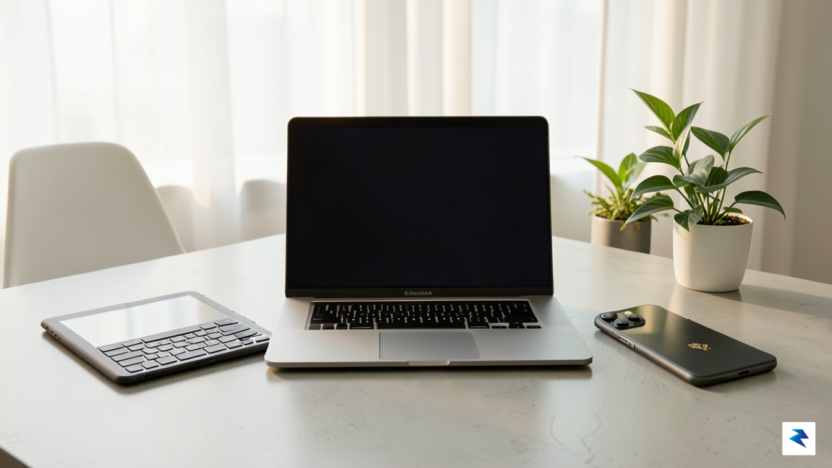
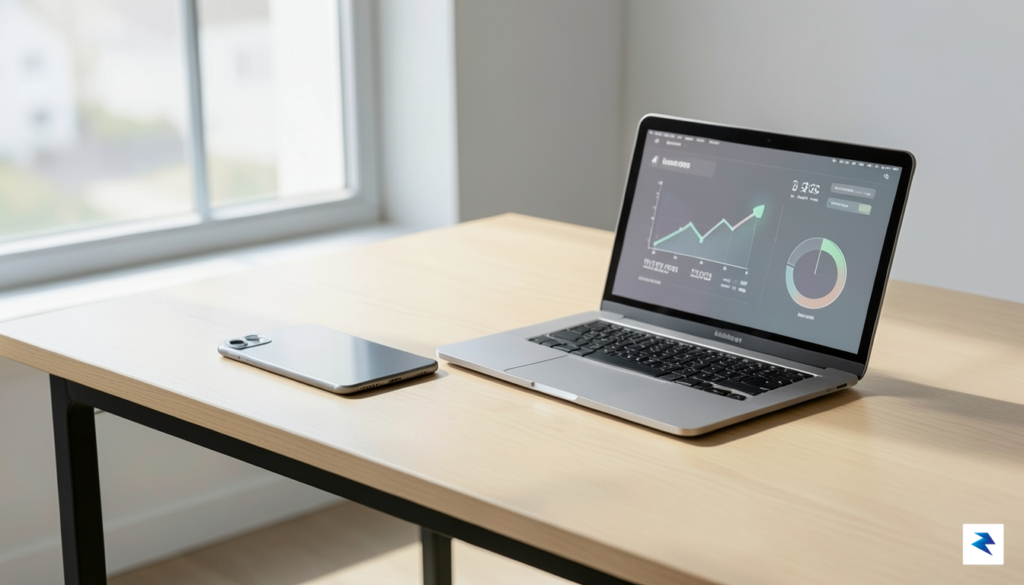
The digital economy has undergone a profound transformation over the last decade, evolving from a world of one-time perpetual licenses to a landscape dominated by recurring subscriptions. While this “subscription economy” originally gained traction through software giants and streaming services, the logic is now migrating to the physical world of high-end technology. By partnering with Klarna to offer a lease-to-own program, Apple is effectively signaling that it intends to treat premium hardware not as a static purchase, but as a continuous service. This transition—often referred to as Hardware-as-a-Service (HaaS)—represents a fundamental recalibration of the relationship between the manufacturer and the consumer, prioritizing seamless, ongoing access over the traditional model of outright ownership.
At its core, HaaS is designed to lower the psychological and financial friction associated with high-ticket purchases. As the price points for flagship iPhones, iPads, and MacBooks continue to climb, even the most loyal customers may find the upfront costs of constant upgrades prohibitive. By breaking these costs down into predictable, monthly installments that function like a subscription fee, Apple is effectively removing the barrier to entry for its most sophisticated ecosystem features. This strategy ensures that users remain within the “Apple bubble” indefinitely, rather than jumping to competitors or holding onto aging devices for longer cycles, which ultimately stifles the company’s ability to distribute the latest software innovations to its entire user base.
By shifting toward a subscription-based hardware model, Apple is betting that consumers value the ability to refresh their technology regularly more than they value the asset itself.
This philosophical pivot represents a broader shift in consumer behavior, where the value of a product is increasingly measured by the quality of the service it provides rather than its resale value or long-term durability as a piece of property. In this new paradigm, the device becomes a key to a vault of integrated services, cloud storage, and security updates, rather than a standalone tool. By formalizing this “access over ownership” model, Apple is insulating its revenue streams against the volatility of consumer spending cycles. Consequently, the company secures a more stable, recurring income while simultaneously deepening the user’s reliance on the broader Apple ecosystem, ensuring that the transition to the next model is always just a monthly payment away.
The integration of Klarna’s financial infrastructure into the Apple ecosystem fundamentally shifts the barrier to entry for high-end hardware. When a customer chooses the lease-to-own pathway, the process begins directly at the point of sale, whether online or in-store. During checkout, users select the leasing option provided by Klarna, which triggers a real-time credit assessment. Unlike traditional long-term financing, this model functions as an open-ended agreement where Klarna acts as the primary credit provider, underwriting the risk and managing the installment schedule. This streamlined digital application requires only basic personal identification and financial details, often delivering an approval decision within seconds, thereby removing the friction typically associated with traditional retail loans.
Eligibility for the program is tied to a standard credit check, which serves as the gatekeeper for the leasing agreement. While the specific threshold for approval remains proprietary to Klarna, users should be aware that the initial application typically results in a hard credit inquiry, which may temporarily impact one’s credit score. Once approved, the customer enters into a structured payment plan that spreads the cost of the device over a fixed period. Throughout the lifecycle of the hardware, the device remains under the umbrella of the lease agreement, meaning the user is essentially paying for the right to utilize the latest technology without the immediate burden of the full retail price.
As the lease term approaches its conclusion, the program provides users with a clear menu of strategic options designed to keep them within the Apple ecosystem. At the end of the predefined term, customers generally face three distinct paths:
The beauty of this model lies in its inherent flexibility; it transforms the purchase of a premium laptop or smartphone from a major capital expenditure into a manageable, recurring operational expense.
Ultimately, this partnership bridges the gap between those who desire cutting-edge equipment and the fiscal reality of rapid tech depreciation. By leveraging Klarna’s sophisticated backend, Apple ensures that the transition between lease cycles is seamless, allowing users to focus on their productivity rather than the logistics of financing. It is a strategic shift that prioritizes user retention and lower upfront costs, making top-tier technology more accessible to a broader demographic of consumers.
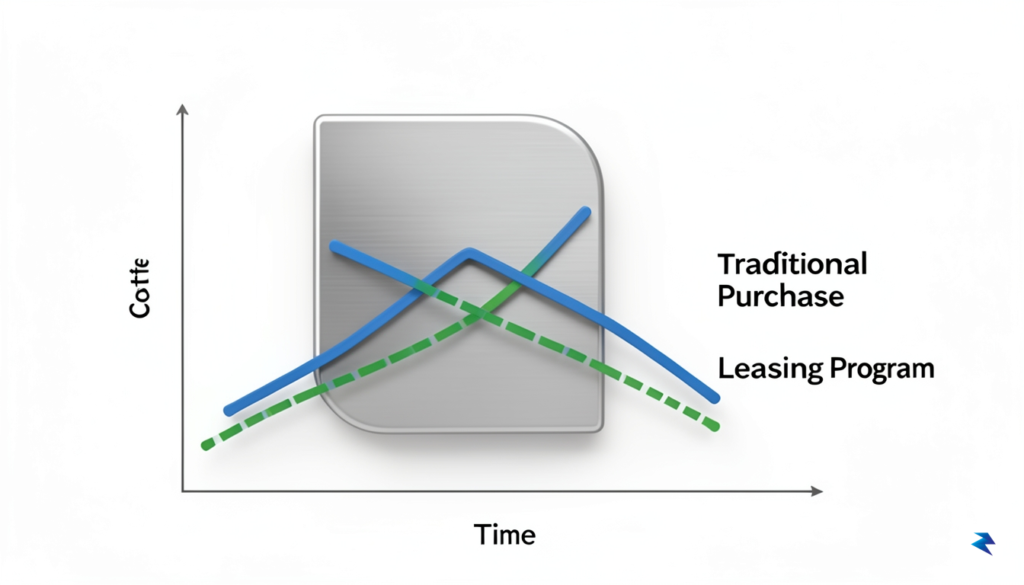
When considering whether to join Apple’s new lease-to-own program, the most critical step is looking beyond the attractive monthly payment and calculating the total cost of ownership (TCO). While a monthly installment plan offers immediate cash flow flexibility, it often masks the true expenditure of the device over a 24-to-36-month period. When you purchase a device outright, your financial commitment ends at the point of sale, leaving you with a tangible asset you own entirely. In contrast, leasing essentially commits you to a recurring subscription model; if the cumulative sum of your monthly payments—plus any potential interest or service fees—exceeds the retail price of the hardware, you are effectively paying a premium for the convenience of deferred payment.
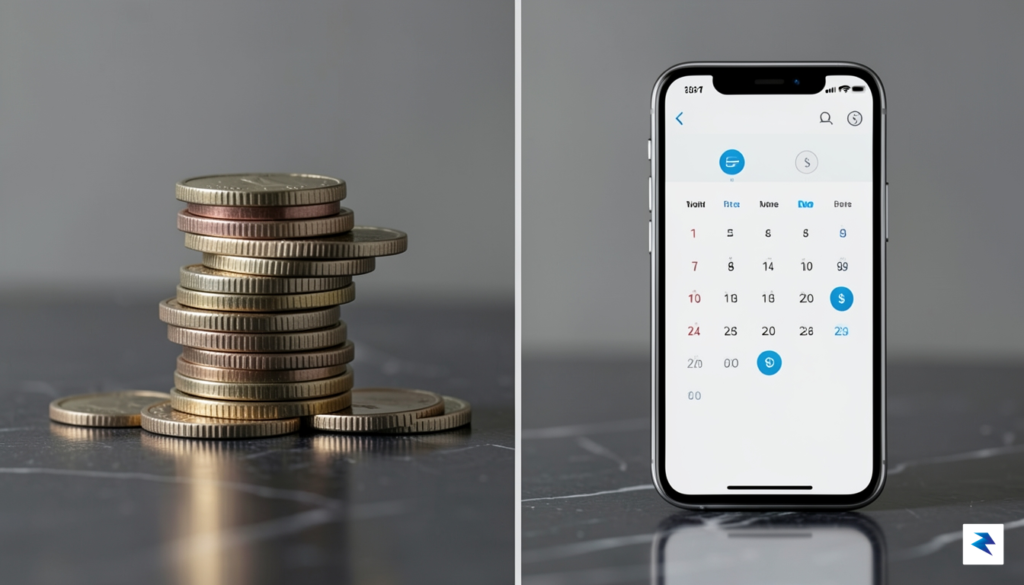
The “upgrade cycle” is perhaps the most significant hidden factor in your long-term financial health. Leasing programs are designed to keep you in a perpetual loop of hardware turnover, encouraging you to swap your device for the latest model every two or three years. While this ensures you always have the most cutting-edge features, it is rarely the most economical choice. Historically, a modern MacBook or iPad can remain highly functional and supported for five years or more. By choosing to own your device, you avoid the “leaser’s trap” of constant payments, allowing you to maximize the value of your tech long after the initial cost has been recouped. Keeping a device for four years instead of two can effectively cut your annual technology expenditure in half.
The true cost of leasing isn’t just the price tag; it is the opportunity cost of the money you continue to pour into hardware rather than investing it elsewhere.
For small business owners and freelancers, however, the math shifts slightly due to tax implications. Depending on your local tax jurisdiction, lease payments may be categorized as operational expenses (OpEx), which can sometimes be fully deducted in the year they are paid. Purchasing a device outright is often treated as a capital expenditure (CapEx), meaning it must be depreciated over several years. Before signing up for a lease, it is vital to consult with a tax professional to determine if the immediate deduction potential of a lease program outweighs the long-term benefits of asset ownership. Ultimately, if you tend to keep your devices until they are obsolete, buying outright remains the most fiscally responsible path. If you are a power user who requires the absolute latest hardware for professional performance, the lease model may serve as a manageable, albeit more expensive, tool for maintaining your competitive edge.
The decision to partner with Klarna for a lease-to-own model is far more than a simple nudge toward convenience; it is a calculated structural shift designed to navigate the tightening reality of today’s consumer electronics market. As hardware price ceilings continue to rise, driven by inflation and the integration of advanced components like proprietary silicon and high-end camera arrays, consumers have begun to show significant hesitation toward full-price, upfront investments. By decoupling the exorbitant cost of a new iPhone or MacBook from the immediate point of sale, Apple is effectively lowering the psychological and financial barriers that have recently threatened to stifle their hardware upgrade cycles. This move allows the company to maintain high adoption rates for its latest technology, ensuring that premium hardware remains within reach even as the average selling price continues to climb.
Beyond the immediate hardware sale, this strategy is deeply rooted in the necessity of maintaining a robust, ever-expanding ecosystem. Apple’s long-term financial health is increasingly tethered to its services division—covering everything from iCloud storage and Apple Music to Apple One bundles—which relies heavily on a user base that is consistently equipped with the latest, most capable devices. If a user is priced out of a hardware upgrade, they are also less likely to engage with the advanced features and software integrations that define the modern Apple experience. By facilitating easier access to new devices through leasing, Apple secures its position as the central hub of the consumer’s digital life, effectively guaranteeing that the flywheel of service subscriptions continues to spin regardless of macroeconomic volatility.
Furthermore, the shift toward a leasing model allows Apple to protect its healthy profit margins while simultaneously stabilizing its recurring revenue streams. Unlike traditional financing which often involves heavy third-party interest charges, a structured lease-to-own program managed alongside a fintech partner like Klarna offers Apple more control over the customer relationship and the lifecycle of the device. This approach addresses the mounting competitive pressure from other smartphone manufacturers who have utilized aggressive financing and trade-in incentives to capture market share in a cooling economy. By normalizing the “subscription” mindset for physical hardware, Apple is not just selling a product; they are solidifying a long-term contract with the consumer, ensuring that the brand remains the primary choice for hardware upgrades year after year.
The core of this strategy is simple: Apple is transforming the high-friction purchase of a luxury device into a manageable monthly utility, thereby insulating its ecosystem from the growing price sensitivity of the global consumer market.
Ultimately, this pivot ensures that the company does not have to compromise on its premium pricing strategy to remain competitive. By offering a path that emphasizes affordable monthly payments over the daunting reality of a four-figure purchase price, Apple successfully mitigates the risk of consumers opting for cheaper, lower-tier alternatives. It is a win-win scenario that keeps the latest innovations in the hands of users, sustains the growth of the high-margin services sector, and reinforces the brand’s dominance in a market that is increasingly defined by the ability to keep users locked into a seamless, high-performance ecosystem.
Deciding whether to lease your next Apple device through the new Klarna partnership requires a clear-eyed look at your personal financial habits. While the allure of securing a flagship iPhone or a high-end MacBook for a modest monthly payment is undeniable, it is essential to look past the immediate gratification and consider the long-term fiscal impact. To determine if this program aligns with your lifestyle, ask yourself a few critical questions:
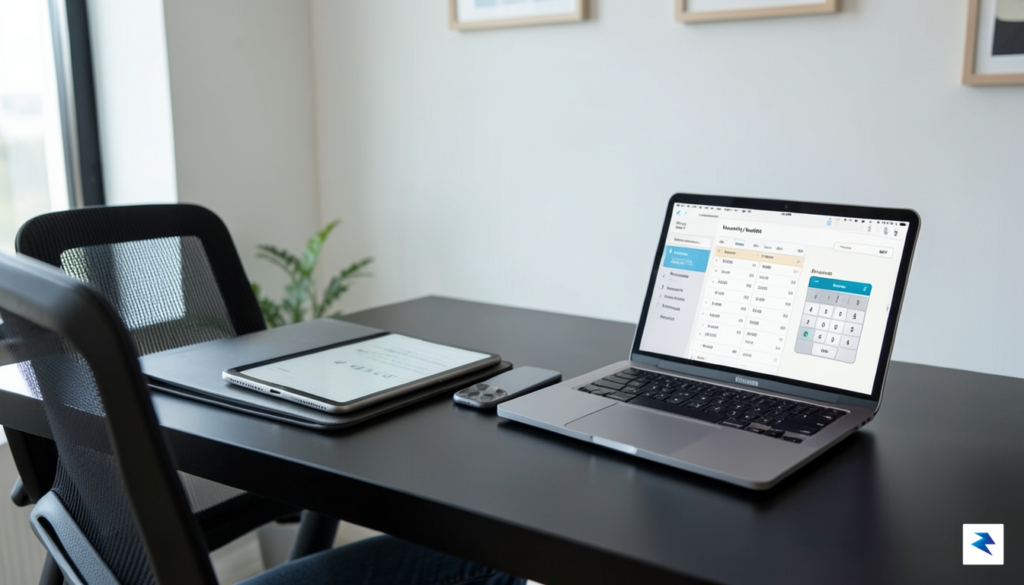
The psychological impact of these “micro-payments” can be deceptive. By breaking down a significant capital expenditure into small, manageable monthly chunks, the program lowers the barrier to entry, making premium technology feel accessible. However, this convenience often comes at the cost of perpetual debt. When you lease, you are essentially entering a cycle where your monthly obligation never truly ends; once one device is paid off, the next model is already calling, keeping you in a state of continuous financial commitment rather than ownership.
The Verdict: Leasing is a powerful tool for those who prioritize immediate access to cutting-edge technology and prefer predictable monthly expenses over large, upfront capital outlays. Conversely, if you are the type of user who holds onto a device for three to five years until it is truly obsolete, purchasing remains the superior financial choice, as it grants you full equity and eliminates the long-term burden of monthly service fees.
Ultimately, the best way to manage your tech budget is to treat leasing as a utility cost rather than a form of savings. If you decide to move forward with the program, ensure that your monthly payments are accounted for in your fixed budget alongside your rent and utilities. By treating these payments with the same scrutiny as any other bill, you can enjoy the benefits of Apple’s latest innovations without compromising your broader financial stability. Remember, the goal of technology is to enhance your productivity and life, not to become a permanent line item that restricts your future financial flexibility.
You must be logged in to post a comment.