
How QuantumDiamonds Is Using EU Support to Revolutionize Chip Manufacturing
The Semiconductor Bottleneck: Why Inspection Matters As the global appetite for high-performance computing and energy-efficient electronics…

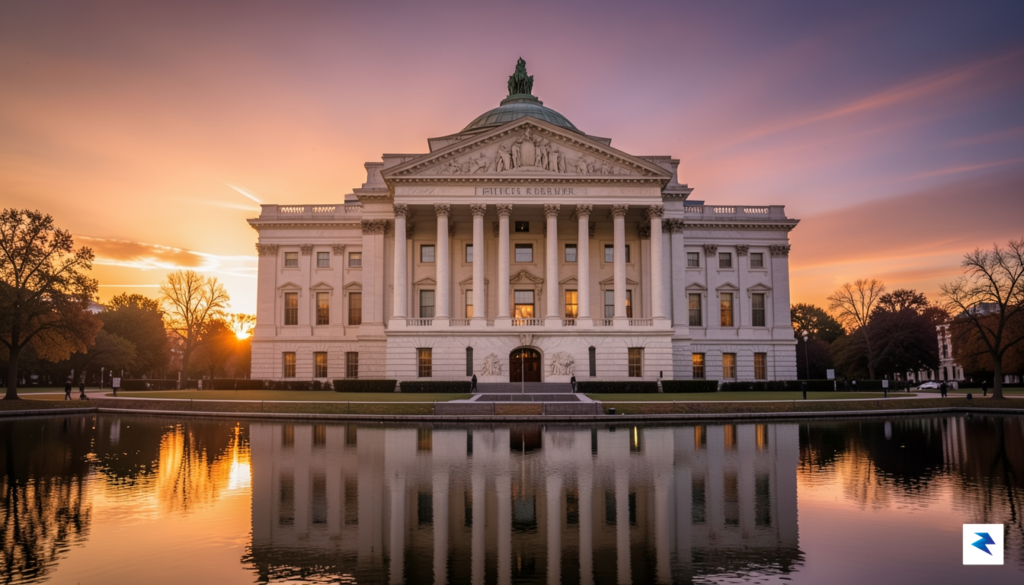
The arrival of Kevin M. Warsh at the helm of the Federal Reserve signals more than just a change in personnel; it marks a definitive pivot in how the central bank intends to navigate one of the most precarious economic climates in recent history. As he presided over his inaugural meeting as chairman, the weight of the moment was palpable, underscored by an inflation environment that has reached levels unseen in three years. For market participants and economists alike, this transition represents a potential departure from previous strategies, as the Fed grapples with the persistent and sticky nature of rising prices that have begun to erode consumer confidence and complicate long-term capital investment planning.
The urgency surrounding this particular meeting stemmed from the realization that the traditional levers of monetary policy may need to be applied with newfound vigor. Inflation, having quietly crept upward over the last several quarters, has forced the committee to reconsider its tolerance thresholds. Because the current trajectory of the economy remains shrouded in uncertainty, the minutes from this initial session were scrutinized with extraordinary intensity. Investors were looking for more than just a standard policy stance; they were searching for a clear indication of whether the leadership shift would bring a more aggressive, hawkish commitment to price stability, or if the board would prefer a more cautious, data-dependent approach that risks falling behind the curve.

The transition in leadership occurs at a critical juncture where the Federal Reserve must balance the necessity of cooling an overheated economy against the fragile recovery of the broader labor market.
Furthermore, the historical context of this meeting cannot be overstated. We are currently operating in a cycle that defies simple textbook solutions, as global supply chain dynamics and shifting fiscal policies collide with domestic consumer demand. Under the new guidance, some officials have already begun to signal an openness to raising interest rates, a move that would represent a significant tightening of financial conditions. By examining the nuances within these meeting minutes, it becomes evident that the central bank is no longer content to merely monitor the situation from the sidelines. Instead, there is a burgeoning consensus that proactive intervention may be the only path forward to ensure that the purchasing power of the dollar remains intact despite the inflationary headwinds currently battering the national economy.
Ultimately, the market’s reaction to these minutes reflects a broader search for stability in an era of volatility. As stakeholders dissect the language used by the committee, they are essentially trying to decode the future trajectory of borrowing costs, corporate earnings, and overall market liquidity. Whether this new chapter under Warsh will result in a soft landing or a more turbulent adjustment period remains the central question on Wall Street, and the Fed’s willingness to act decisively will undoubtedly be the defining factor of the coming fiscal year.
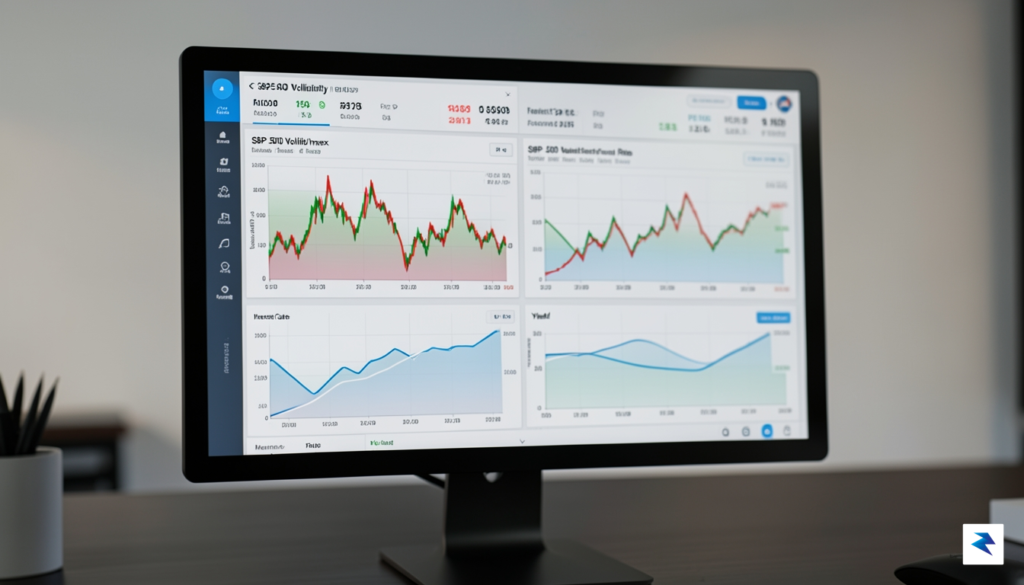
The latest meeting minutes offer a clear departure from the previously relaxed stance held by committee members, marking a pivotal moment where the rhetoric surrounding inflation has visibly tightened. While earlier communications emphasized a wait-and-see approach, the recent documentation employs more urgent, decisive language that suggests the central bank is losing its appetite for continued passivity. This shift is not merely a nuance in tone but a fundamental realignment of priorities, as officials begin to openly acknowledge that the risks associated with holding rates steady may now outweigh the benefits of maintaining the status quo.
Central to this transition is the emergence of what can be described as “heightened unease” regarding the trajectory of price stability. In previous sessions, discussions were often framed through the lens of transient pressures, suggesting that inflation would naturally resolve itself without aggressive intervention. However, the current language suggests a growing consensus that these pressures are becoming more entrenched in the broader economy. By prioritizing the word “vigilance” over “patience,” the committee is signaling to both markets and the public that they are preparing to move away from a stimulus-heavy environment toward a more restrictive policy stance.
The transition from a rhetoric of patience to one of active concern indicates that the window for maintaining current interest rate levels is rapidly closing.
When deconstructing the specific terminology used by participants, it becomes evident that the committee is no longer comfortable with the ambiguity of their previous position. Phrases that previously signaled a flexible outlook have been replaced by more binary, direct assessments of economic overheating. This hardening of sentiment reflects a strategic move to prepare the market for potential hikes, effectively telegraphing that the Fed is willing to prioritize the long-term health of the currency over short-term growth incentives. For investors and consumers alike, this change in vocabulary serves as a definitive warning shot that the cost of borrowing is likely to rise in the coming months.
Ultimately, the significance of this shift lies in the collective urgency expressed by the board. By moving beyond the abstract goal of long-term stability and focusing on the immediate necessity of price control, officials are signaling that they have reached a threshold of risk tolerance. The focus has decisively moved from protecting economic expansion to safeguarding against the corrosive effects of persistent inflation, a shift that will inevitably reshape the financial landscape for the foreseeable future.

The Federal Reserve operates under a congressionally mandated dual mandate: to promote maximum employment and maintain stable prices. In periods of economic equilibrium, these two goals often move in tandem, as a healthy labor market supports consumer spending while price stability ensures long-term confidence. However, when the economy faces the specter of runaway inflation, this delicate balance inevitably tilts. Policymakers are currently confronted with a volatile landscape where the cost of living is rising faster than the economy can comfortably absorb, forcing the Federal Open Market Committee (FOMC) to prioritize the containment of inflationary pressures over the immediate pursuit of aggressive job growth.
Recent economic data points have painted a clear, if concerning, picture for central bankers. Elevated consumer price indices, persistent supply chain bottlenecks, and a tight labor market that threatens to fuel a wage-price spiral have all contributed to a growing consensus that the era of “easy money” must come to an end. When inflation becomes embedded in the public’s expectations, it ceases to be a temporary inconvenience and instead becomes a structural impediment that erodes purchasing power and discourages long-term capital investment. For the FOMC, the risk of acting too slowly—allowing inflation to take root—far outweighs the risk of cooling the economy too rapidly through interest rate hikes.

Proactive rate adjustments are designed as a preemptive strike against the corrosive effects of stagflation. By raising the cost of borrowing, the Fed aims to dampen aggregate demand, thereby slowing the velocity of price increases before they spiral out of control. Officials are acutely aware that if they fail to rein in inflation now, they may be forced to implement much more draconian measures later, which could trigger a deeper, more painful recession. This hawkish pivot represents a strategic shift toward protecting the long-term integrity of the dollar, even if it introduces temporary headwinds for equity markets and borrowing-dependent industries.
The core philosophy currently guiding the committee is that price stability is the bedrock upon which all other economic successes are built. Without a stable currency, the gains made in the labor market are ultimately hollow, as the rising cost of goods and services quickly outpaces wage growth for the average American household.
Ultimately, the transition toward higher interest rates is a calculated trade-off. It is an acknowledgment that while job creation remains a vital objective, it cannot be sustained in an environment of runaway inflation. By signaling a willingness to tighten monetary policy, the Fed is attempting to anchor long-term expectations and steer the economy toward a “soft landing.” This path requires navigating narrow margins, but for the current leadership, maintaining the credibility of the central bank as an inflation fighter is the most effective way to ensure the long-term prosperity of the national economy.
The prospect of a shift toward tighter monetary policy often serves as a wake-up call for investors who have grown accustomed to a low-interest-rate environment. When central banks signal an intent to raise rates, the immediate ripple effect is typically felt in the bond market, where prices and yields move in an inverse relationship. As new bonds are issued with higher coupon payments, existing bonds with lower fixed rates become less attractive, leading to a decline in their market value. For those holding long-duration fixed-income portfolios, this transition can result in significant short-term volatility, necessitating a strategic re-evaluation of duration risk and credit exposure to protect against eroding purchasing power.
Equity markets, meanwhile, often react with a mix of apprehension and sector-specific rotation. Higher borrowing costs increase the hurdle rate for corporate capital expenditures and debt refinancing, which can squeeze profit margins, particularly for companies with high levels of leverage. Furthermore, the discounted cash flow models favored by institutional analysts often penalize high-growth technology and speculative stocks when the “risk-free” rate rises, as the present value of future earnings is diminished. Investors are increasingly shifting their focus toward “value” sectors—such as financials, which may benefit from wider net interest margins, and energy—which have historically demonstrated greater resilience during periods of economic expansion and rising interest rates.
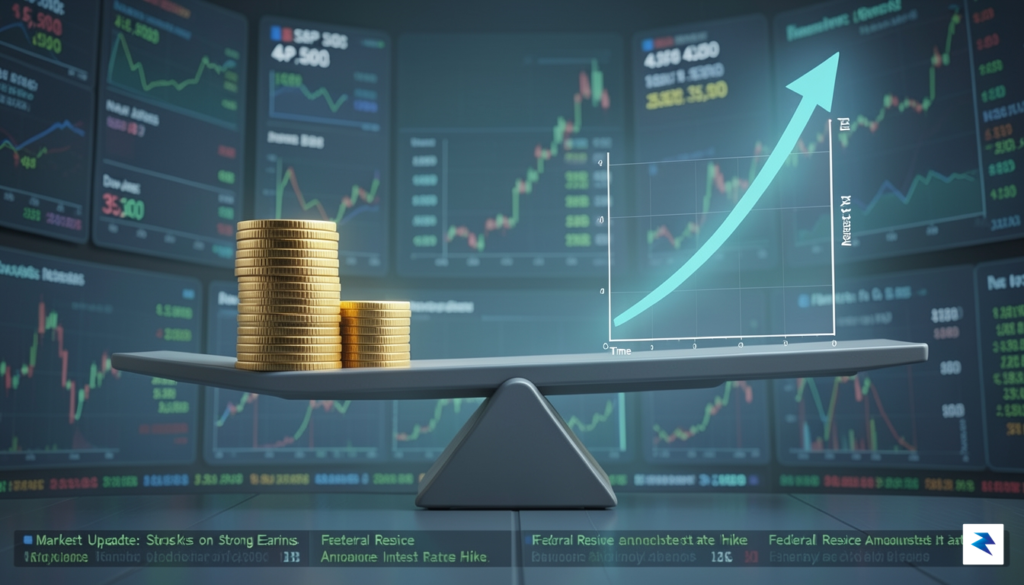
The transition to a higher-rate regime is rarely a smooth process, but it often marks a shift from a liquidity-driven market to one defined by fundamental earnings strength and disciplined capital allocation.
For the average consumer and the broader economy, the impact of these changes is just as profound. Increased interest rates raise the cost of capital for mortgages, auto loans, and credit cards, which can eventually cool consumer spending and moderate inflationary pressures. While this might feel like a restrictive force in the short term, it is often a necessary medicine for long-term economic health. By preventing the economy from overheating, the central bank aims to foster a more sustainable growth trajectory. Investors who maintain a long-term perspective should view these adjustments not as an inevitable signal of a downturn, but as a healthy recalibration of market expectations that ultimately rewards those who prioritize balance sheets with strong cash flows and manageable debt levels.

The conclusion of Chairman Warsh’s inaugural meeting marks a definitive pivot in the Federal Reserve’s strategic posture, signaling a departure from hesitation toward a more proactive stance on price stability. By clearly articulating a willingness to consider interest rate adjustments, the central bank is effectively signaling to both markets and the public that the era of “wait-and-see” policy is giving way to a framework prioritized by long-term economic resilience. This transition is not merely a technical adjustment; it represents a fundamental commitment to anchoring inflation expectations, even at the cost of short-term market volatility. For investors and households alike, this shift underscores that the Fed is prioritizing the prevention of structural economic imbalances over the comfort of status quo monetary settings.

As we look toward the subsequent policy sessions, observers should pay close attention to the specific language used in the official meeting minutes and post-meeting statements. The Federal Reserve often utilizes these communications as a primary tool for “forward guidance,” meaning the nuance in their rhetoric regarding labor market data and inflationary pressures will likely serve as the strongest precursor to future rate hikes. Key metrics to monitor include the committee’s assessment of wage-price spirals and their reaction to incoming consumer price index reports. If the central bank continues to emphasize a “data-dependent” approach, it suggests that any upcoming interest rate increases will be calibrated carefully against the latest signs of economic cooling or overheating.
The core of sustainable economic growth relies on the central bank’s ability to act decisively when the data warrants it, ensuring that inflation does not become embedded in the long-term cost of doing business.
Ultimately, the evolving nature of global monetary policy reflects a broader realization that the post-pandemic economic landscape is uniquely volatile and requires a more nimble response. As central banks worldwide grapple with supply chain fluctuations and shifting geopolitical realities, the Federal Reserve’s commitment to prioritizing stability serves as a crucial anchor. The path ahead will likely involve a series of incremental, calculated decisions rather than abrupt shocks, provided the economy maintains its current trajectory. By maintaining transparency and a steadfast focus on its dual mandate, the leadership team is positioning the institution to navigate these complexities while preserving the foundational health of the financial system for the years to come.
You must be logged in to post a comment.