Could Microsoft Sell Xbox? Analyzing the Future of the Gaming Giant
The Structural Shift: Analyzing Microsoft's Xbox Divestment Strategy The recent landscape of the gaming industry has been defined by a…
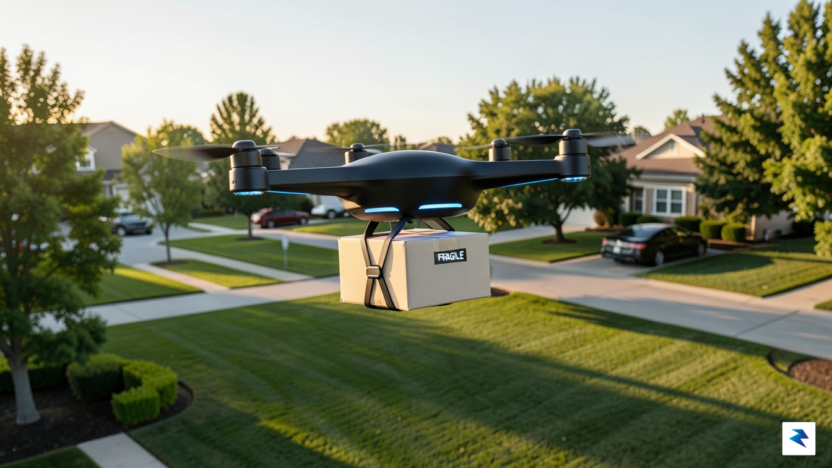
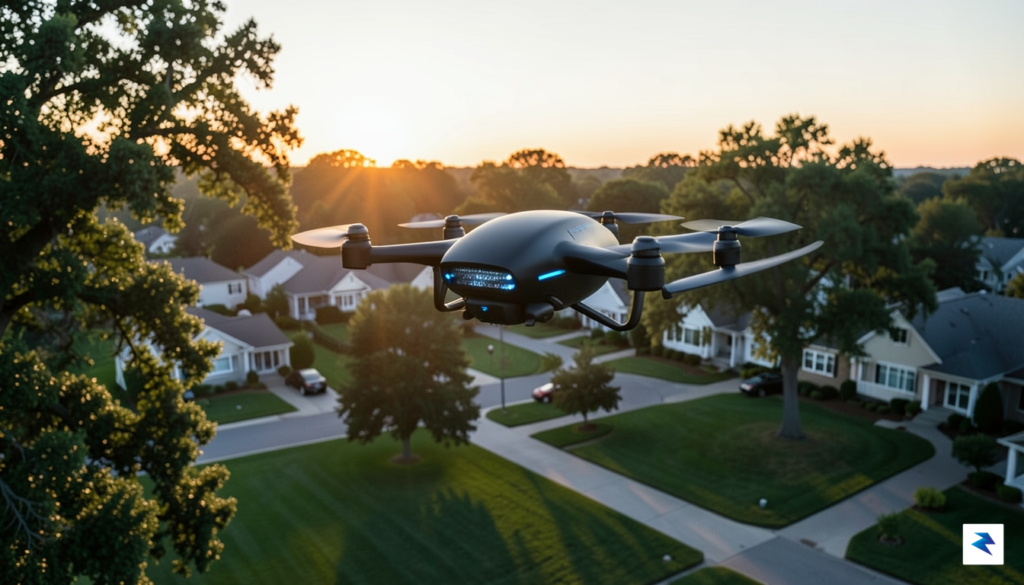
For decades, the concept of aerial package delivery was relegated to the realm of science fiction, an imaginative vision of a future where the skies hummed with automated logistics. Today, that vision has shifted from a speculative curiosity into a tangible, high-speed reality. The last-mile delivery sector, traditionally bogged down by traffic congestion, rising fuel costs, and labor shortages, is undergoing a profound transformation. By bypassing the physical limitations of paved roads, autonomous systems are proving that the most efficient route between two points is often a straight line through the air.
At the forefront of this evolution is Manna, an innovator that has moved beyond mere prototyping to establish a proven, scalable model for rapid urban and suburban logistics. Unlike traditional delivery methods that rely on human-operated vehicles navigating erratic traffic patterns, Manna utilizes a fleet of proprietary drones designed for precision. These aircraft employ Vertical Take-Off and Landing (VTOL) technology, allowing them to depart from hubs and land at customer locations with surgical accuracy. Safety is baked into the architecture, featuring multiple redundant flight systems and sensors that ensure the drone maintains flight integrity even in challenging conditions. This technological maturity is not theoretical; it is a battle-tested framework built on thousands of successful, autonomous flights.
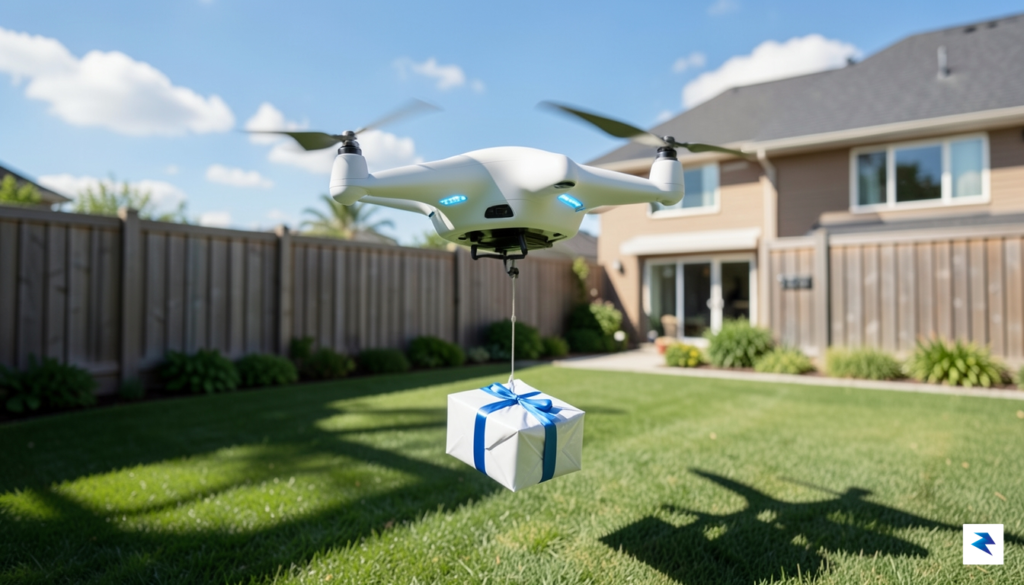
The contrast between ground-based courier models and Manna’s aerial approach is stark. While a standard delivery van might take thirty minutes to navigate a few miles of urban gridlock, a Manna drone can complete the same journey in a fraction of the time, often reducing delivery windows from an hour to just a few minutes. This speed is complemented by a significant reduction in carbon emissions, as these electric-powered drones circumvent the idle time and inefficiencies inherent in traditional combustion-engine logistics. For the end consumer, this creates a seamless, on-demand experience that feels less like a traditional shipment and more like an instantaneous service.
The transition to drone delivery represents the most significant shift in last-mile logistics since the invention of the motorized delivery truck.
Manna’s decision to pursue a major expansion into the United States is not a leap into the unknown, but a calculated progression supported by a robust international track record. Having successfully navigated the complex regulatory and operational landscapes of European markets, the company has refined its flight-path algorithms and community-integration strategies. By proving that autonomous flight can be safe, quiet, and reliable at scale, Manna has effectively cleared the path for its entry into American airspace. As they bring their proven infrastructure to US cities, the company is set to redefine expectations, turning the sky into the next frontier for commerce and convenience.
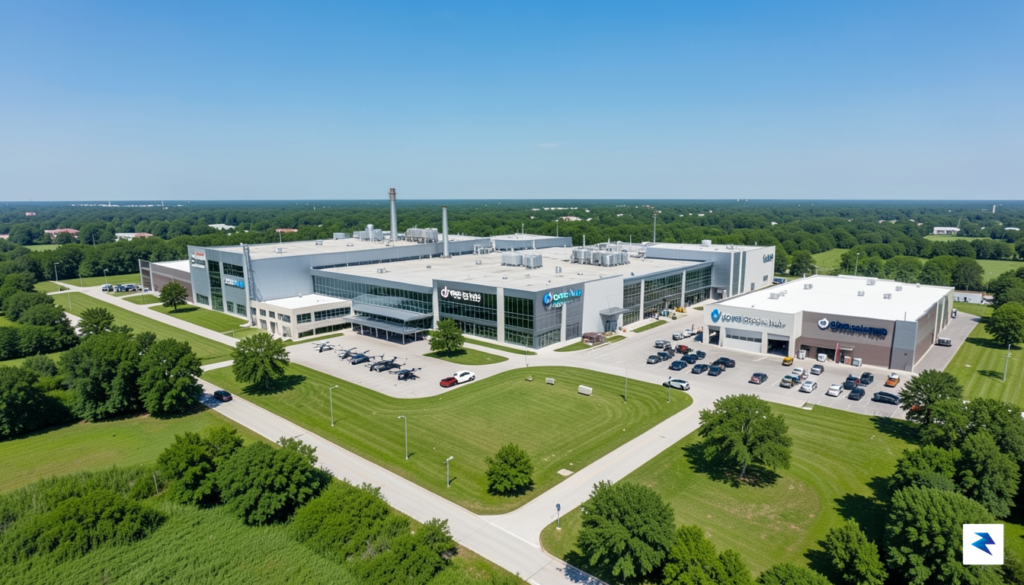
The decision to plant roots in Tulsa, Oklahoma, is far more than a simple geographical choice; it represents a sophisticated understanding of the evolving American logistics landscape. By situating its inaugural U.S. manufacturing and operations hub in the heart of the country, Manna is strategically positioning itself to bypass the congestion often found in coastal tech corridors. Tulsa offers a unique combination of lower operational overhead and a robust, centralized transportation network that allows for rapid scaling across the Midwest and beyond. This “middle-out” approach ensures that the company can test, refine, and deploy its autonomous delivery fleet with a logistical agility that would be significantly harder to replicate in more saturated markets.
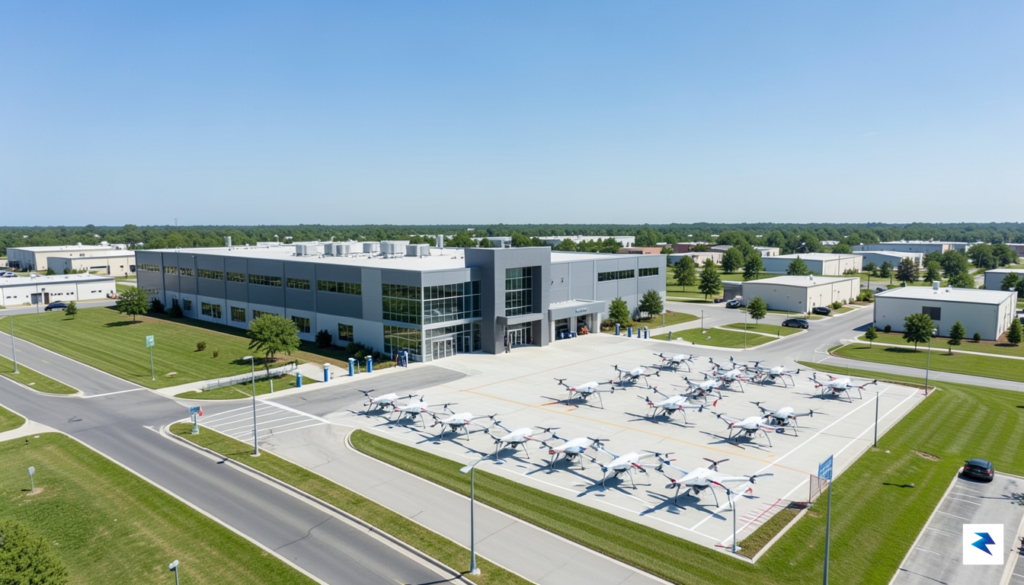
Beyond the simple advantages of central U.S. positioning, Tulsa has steadily transformed into a genuine destination for emerging technology and advanced logistics. The city’s proactive investment in infrastructure and its commitment to fostering a business-friendly environment have attracted a diverse array of innovators looking to optimize their supply chains. By building a full-scale manufacturing plant rather than a mere operations center, Manna is signaling a long-term commitment to the region. This integrated model allows the company to tighten the feedback loop between production and deployment, ensuring that real-world flight data gathered in local skies can be immediately incorporated into the next generation of drone hardware rolling off the assembly line.
The synergy between regional government incentives and private sector ambition is the true catalyst for this expansion, creating a fertile ground where drone technology can transition from experimental trials to reliable, everyday utility.
This expansion is heavily bolstered by the synergy between Tulsa’s regional government incentives and private sector innovation. Local authorities have been quick to recognize the potential of the autonomous delivery sector, offering the support necessary to navigate the complex regulatory frameworks that often impede drone operations. By aligning these public-private interests, the partnership creates a sustainable ecosystem where logistics startups can thrive. This collaboration serves as a blueprint for future expansion, proving that the future of autonomous delivery does not necessarily belong to the traditional tech hubs of Silicon Valley, but rather to those regions that are willing to actively build the infrastructure of tomorrow.
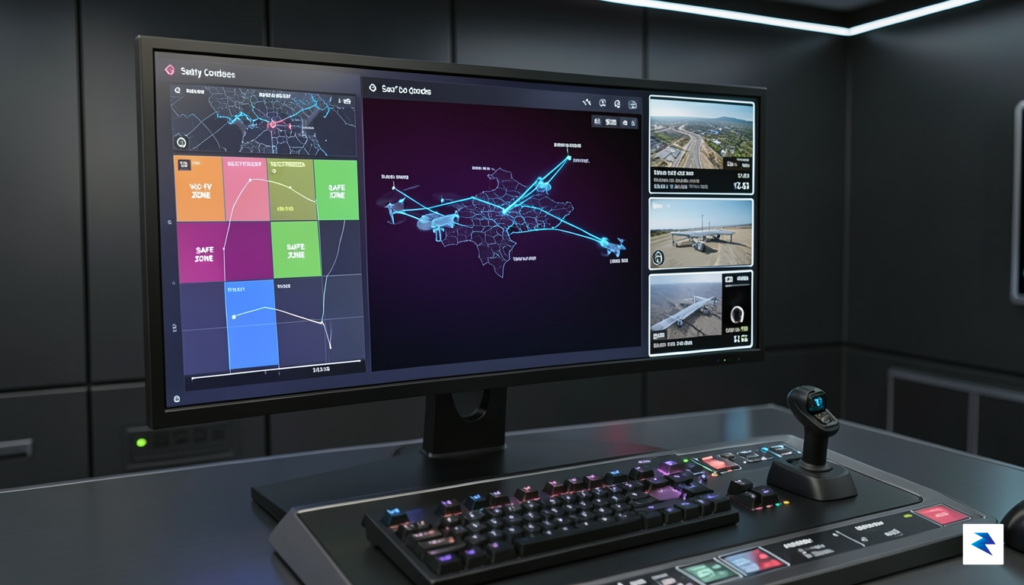
Deploying autonomous drone fleets at scale requires much more than sophisticated hardware; it demands a seamless integration into the intricate, high-stakes web of Federal Aviation Administration (FAA) regulations. The primary hurdle for any logistics startup is the transition from localized testing to routine Beyond Visual Line of Sight (BVLOS) operations. Under current FAA standards, drones must typically be monitored by a human pilot within the operator’s line of sight, which inherently limits the speed and geographic reach of delivery services. To overcome this, Manna is working closely with aviation authorities to demonstrate that their proprietary autonomous systems—which utilize real-time sensor fusion and predictive analytics—can navigate complex urban environments as safely, if not more safely, than human-piloted craft.
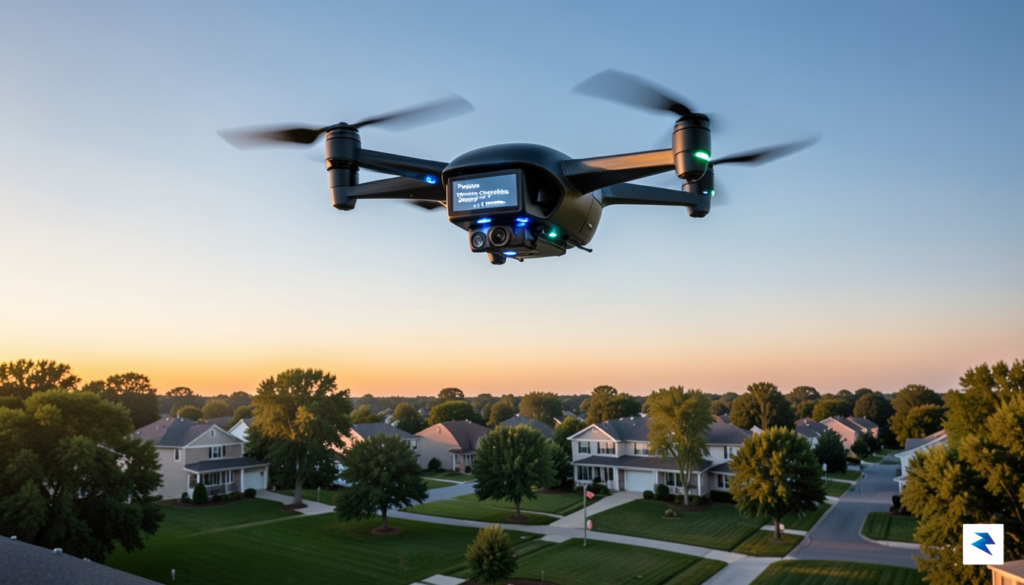
Safety is not merely a regulatory checkbox for the company; it is the cornerstone of their operational design. Manna has engineered its aircraft with redundant flight systems and advanced obstacle avoidance technology, ensuring the drones can detect and maneuver around unexpected hazards like power lines, trees, or neighborhood pets. Beyond collision mitigation, the company is acutely aware of the “neighborhood impact” associated with drone deliveries. They have focused heavily on noise reduction, utilizing custom propeller designs that operate at frequencies less intrusive to the human ear. By maintaining lower flight altitudes and specific speed profiles, they aim to minimize the auditory footprint, ensuring that the convenience of rapid delivery does not come at the cost of community tranquility.
“True scalability in autonomous logistics isn’t just about the technology’s capability; it’s about building a foundation of trust with the regulators who govern the skies and the communities that live beneath them.”
Privacy and community acceptance represent the final, often overlooked layers of this complex puzzle. Manna proactively engages with local municipal leaders and neighborhood councils to map out flight corridors that respect residential privacy and adhere to local zoning preferences. Rather than simply imposing a technology on a city, the company works to establish transparent communication channels, allowing residents to understand flight paths and safety protocols. By treating local regulators as partners rather than obstacles, Manna is creating a repeatable framework for expansion. This collaborative approach not only satisfies the FAA’s rigorous safety oversight but also builds the social capital necessary to normalize drone delivery as a mundane, reliable utility in the everyday life of the American consumer.

Beyond the impressive feat of autonomous aerial technology, Manna’s planned expansion serves as a massive stimulus for the American labor market. The company has committed to creating 1,000 new high-skilled positions, marking a strategic pivot toward integrating advanced robotics into the fabric of domestic logistics. This initiative is not merely about scaling delivery routes; it is about building a specialized workforce capable of managing, maintaining, and innovating within the burgeoning drone ecosystem. By prioritizing local recruitment, Manna is positioning itself as a cornerstone employer that bridges the gap between traditional manual logistics and the high-tech requirements of the future.
The job landscape created by this expansion is remarkably diverse, spanning a wide array of specialized disciplines. On the technical front, the company is actively seeking aerospace engineers to refine drone flight dynamics and software developers to strengthen the proprietary AI that navigates urban airspace. However, the ripple effect extends well beyond the coding desk. Manna is also investing in a robust operational workforce, including facility managers who oversee regional distribution hubs and highly trained drone maintenance technicians responsible for keeping the fleet in peak condition. This multidisciplinary approach ensures that the economic benefits permeate multiple tiers of the professional sector, offering opportunities for both seasoned engineers and skilled trade workers.
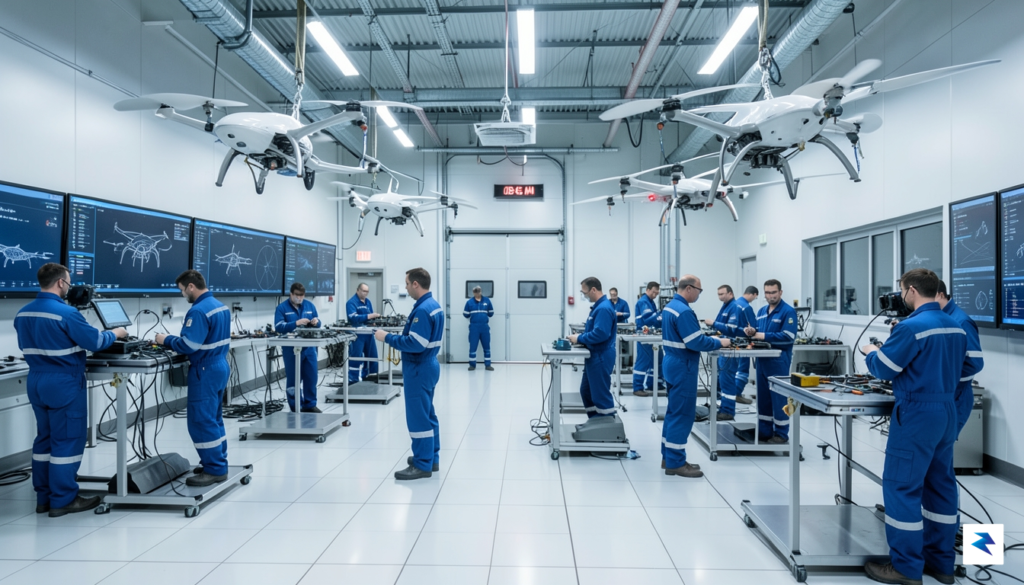
The selection of Tulsa as a primary staging ground for this expansion underscores the potential for a localized “drone hub” ecosystem. By clustering talent, infrastructure, and supply chain partners in a centralized region, Manna is laying the groundwork for a technological cluster that could attract ancillary businesses. When a major innovator establishes a significant footprint, it often triggers a magnetic effect: software startups, battery manufacturers, and specialized logistics firms frequently relocate or expand into the area to capitalize on the existing talent pool and infrastructure. This synergy creates a sustainable economic engine that fosters long-term growth, turning a single startup’s expansion into a regional transformation.
The integration of Manna’s aerial delivery network is set to act as a catalyst for regional revitalization, transforming standard logistics infrastructure into a sophisticated, tech-centric hub that draws further investment and innovation to the American heartland.
Ultimately, the impact of these 1,000 jobs will be measured by more than just payroll figures. By fostering a workforce that is fluent in the language of autonomous systems, Manna is helping to future-proof the American logistics industry against global competition. This investment in human capital ensures that as the regulatory and technological landscape of autonomous delivery evolves, the necessary expertise remains rooted domestically, providing a sturdy foundation for the next generation of commerce.
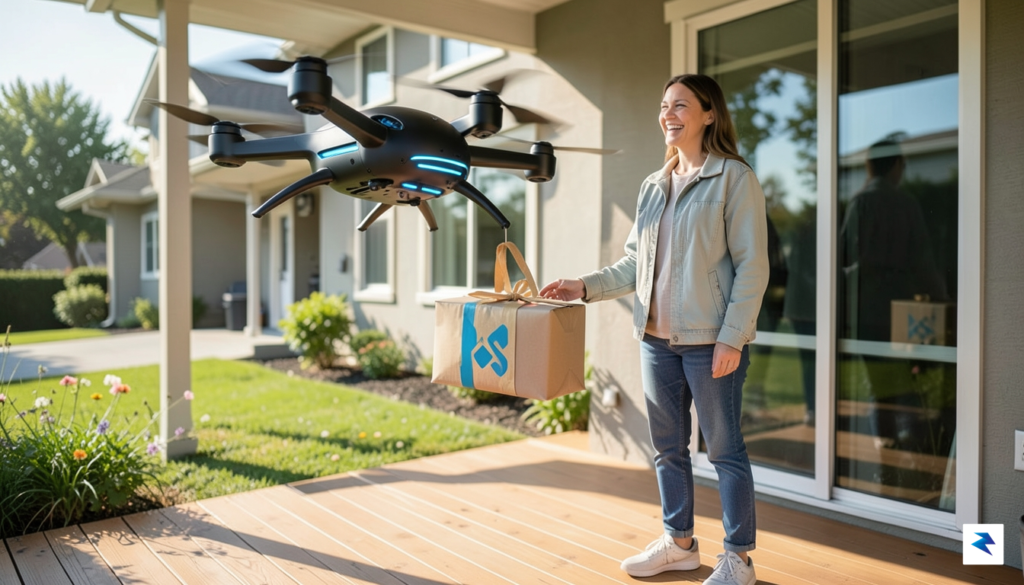
The integration of autonomous drone fleets into the retail ecosystem represents far more than a mere logistical upgrade; it signifies a complete restructuring of the “last mile” cost model. Historically, the final leg of the delivery process has been the most expensive and inefficient component of the supply chain, burdened by high fuel costs, traffic congestion, and the labor intensity of human-operated vehicles. By deploying drones, retailers can bypass these traditional bottlenecks, significantly slashing the operational overhead associated with small-parcel delivery. As these autonomous systems scale, the per-delivery cost is projected to drop below that of traditional courier services, effectively decoupling delivery speed from labor availability and allowing businesses to maintain thinner margins on low-cost everyday essentials.
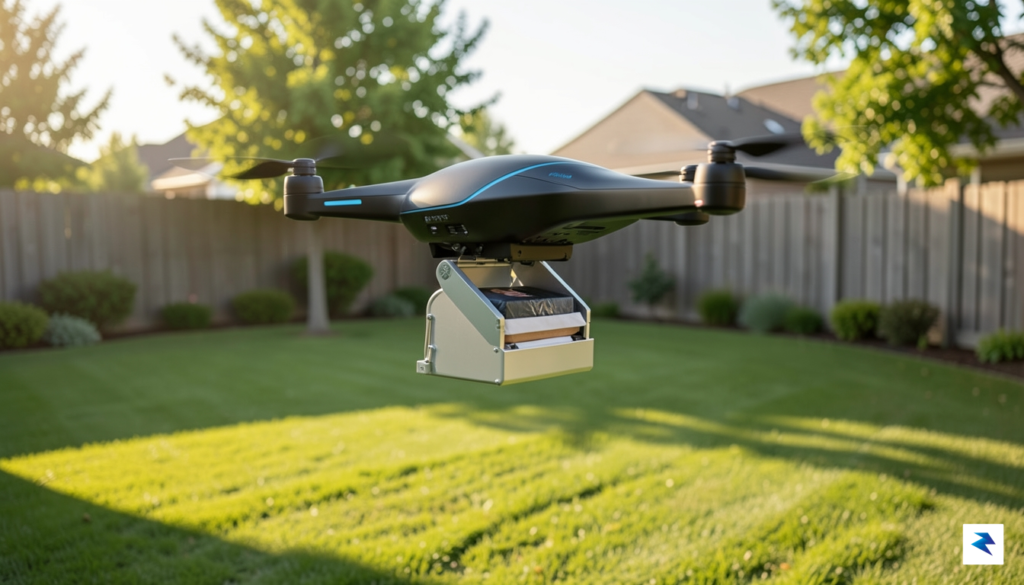
This economic shift will inevitably catalyze a profound change in consumer behavior, permanently altering our expectations of convenience. We are currently transitioning from an era of “next-day” or “same-day” delivery toward a new standard of “instant” fulfillment, where the time between craving a product and receiving it is measured in minutes rather than hours. As shoppers grow accustomed to having groceries, over-the-counter medications, or hot meals arrive via air in under fifteen minutes, the psychological barrier to impulse purchasing will dissolve. Retailers will no longer compete solely on price or inventory depth, but on the immediacy of their fulfillment infrastructure, creating a market where consumer loyalty is increasingly tethered to the velocity of the delivery network.
The true disruption of the autonomous era lies not in the technology itself, but in the shift from scheduled delivery to on-demand lifestyle integration.
Looking toward the next five years, Manna’s expansion into the United States signals a definitive turning point in how physical goods are distributed across urban and suburban landscapes. As autonomous logistics become standardized, we should expect to see the physical layout of retail change as well; “dark stores” and micro-fulfillment centers will likely replace traditional storefronts in residential neighborhoods to support rapid drone dispatch. This evolution will force a massive reconfiguration of urban planning and supply chain management, as infrastructure must adapt to support constant, low-altitude aerial traffic. By the end of this decade, the presence of autonomous drones in the sky will likely be as ubiquitous as the delivery trucks that currently dominate our streets, marking the final transition into a truly frictionless retail economy.
You must be logged in to post a comment.