
Why the Electrical Grid is the Biggest Bottleneck for AI
The Hidden Power Constraint of the AI Revolution For the past few years, the narrative surrounding the artificial intelligence boom has been…
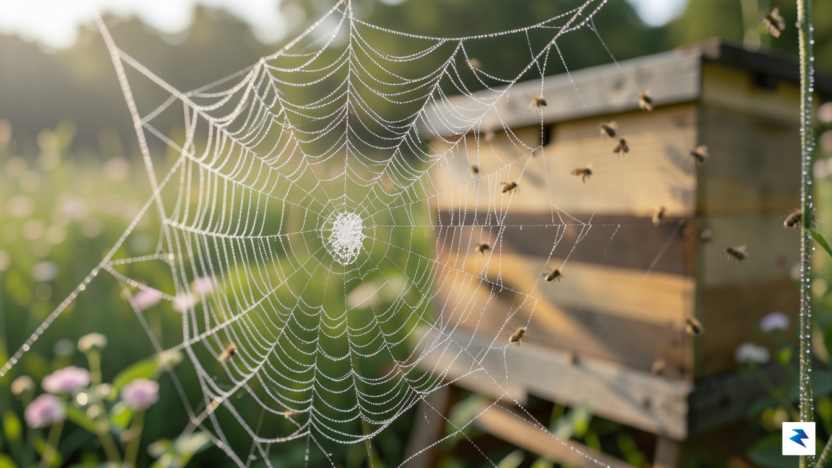
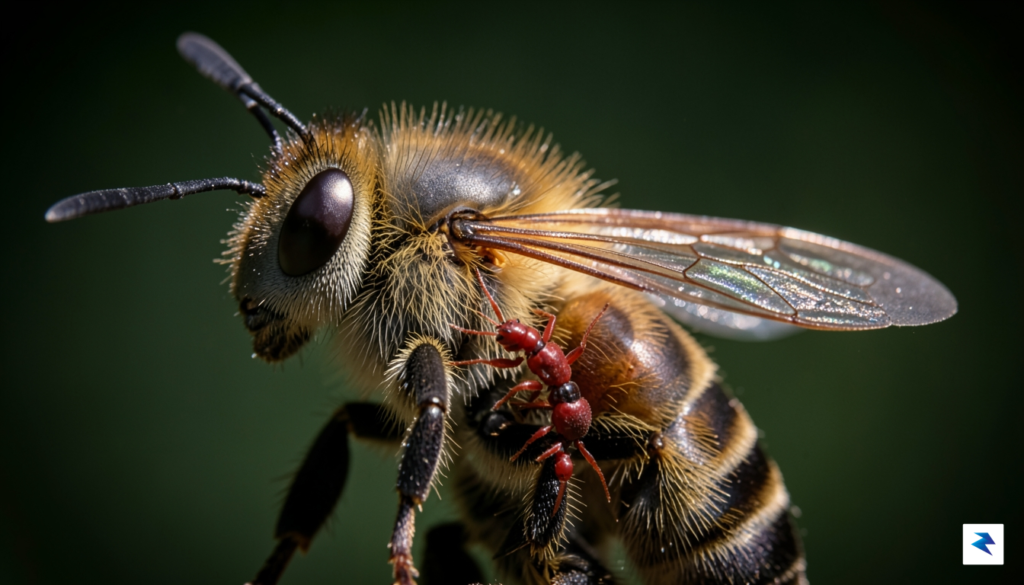
The Varroa destructor mite is far more than a simple external parasite; it is the primary driver of colony collapse disorder and a silent architect of global agricultural instability. These reddish-brown arachnids attach themselves to the bodies of honeybees, feeding on their fat body tissue—an organ essential for the bee’s immune function, pesticide detoxification, and winter survival. By draining the life force of individual bees, the mites simultaneously act as vectors for a suite of lethal pathogens, most notably the Deformed Wing Virus (DWV). As the mites reproduce within the sealed brood cells of a hive, they introduce these viral infections directly into the developing bee population, resulting in stunted wings, shortened lifespans, and a catastrophic reduction in the colony’s ability to forage and sustain itself.
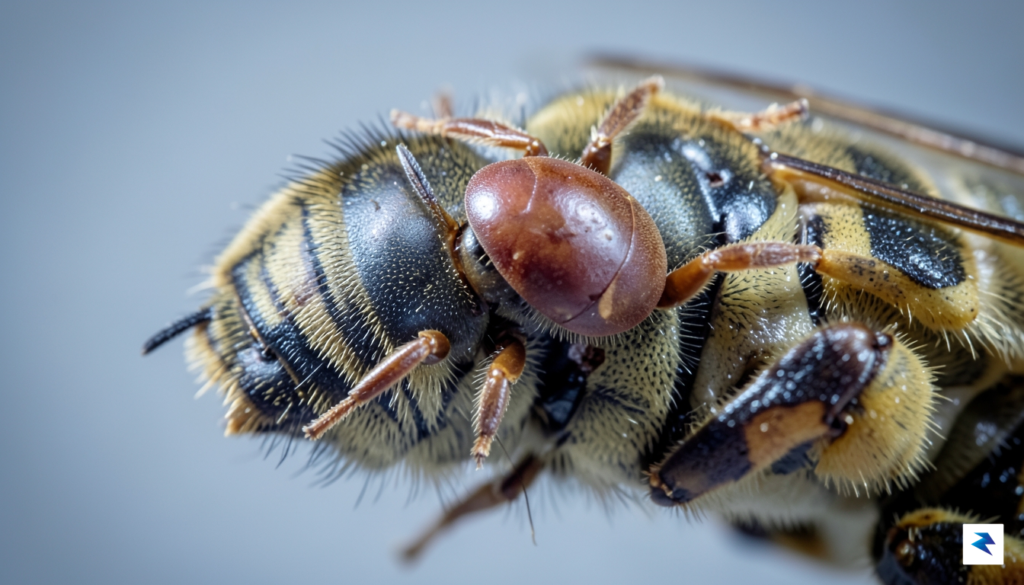
For decades, beekeepers have relied on a limited arsenal of synthetic miticides, such as organophosphates and pyrethroids, to manage mite populations. While these chemical interventions initially provided a reprieve, they have become increasingly ineffective over time. The biology of the Varroa mite is remarkably adaptive; through constant exposure to these same chemical compounds, mite populations have developed widespread genetic resistance. This evolutionary “arms race” has left many beekeepers in a precarious position, where standard treatments either fail to suppress the infestation or, worse, contaminate the wax and honey reserves within the hive, potentially harming the bees themselves.
The reliance on traditional chemical miticides is reaching a breaking point, as the very tools intended to protect our pollinators are failing to keep pace with the rapid evolution of resistant mite strains.
The consequences of this ongoing failure extend well beyond the apiary. Because honeybees are responsible for pollinating roughly one-third of the human food supply, the decline of healthy colonies directly threatens the yield and quality of essential crops, including almonds, berries, and various vegetables. As current mitigation strategies falter, the beekeeping industry faces an existential crisis that is fundamentally a food security issue. Without the development of novel, targeted interventions that bypass the resistance mechanisms built up by decades of chemical use, we risk a future where the essential service of pollination is no longer sustainable, leaving global agriculture vulnerable to the unchecked spread of one of nature’s most persistent and destructive pests.
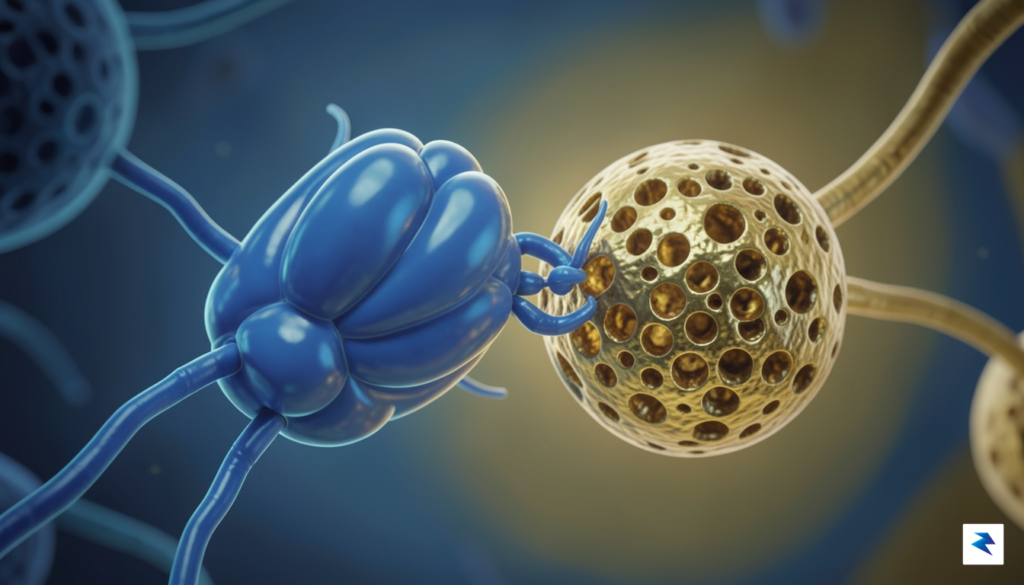
The secret to this biological breakthrough lies in the intricate world of ion channel modulation. At the cellular level, both mites and honeybees rely on electrical signals to control essential functions like muscle contraction and nerve impulses. These signals are governed by ion channels—tiny “gates” that regulate the flow of sodium, potassium, or calcium into cells. Spider venom is naturally packed with neurotoxic peptides that have evolved over millions of years to lock these gates, effectively paralyzing or killing the spider’s prey. By isolating specific peptides from this complex chemical cocktail, researchers have identified compounds that target the unique architectural structure of the Varroa mite’s ion channels while bypassing those found in the honeybee.
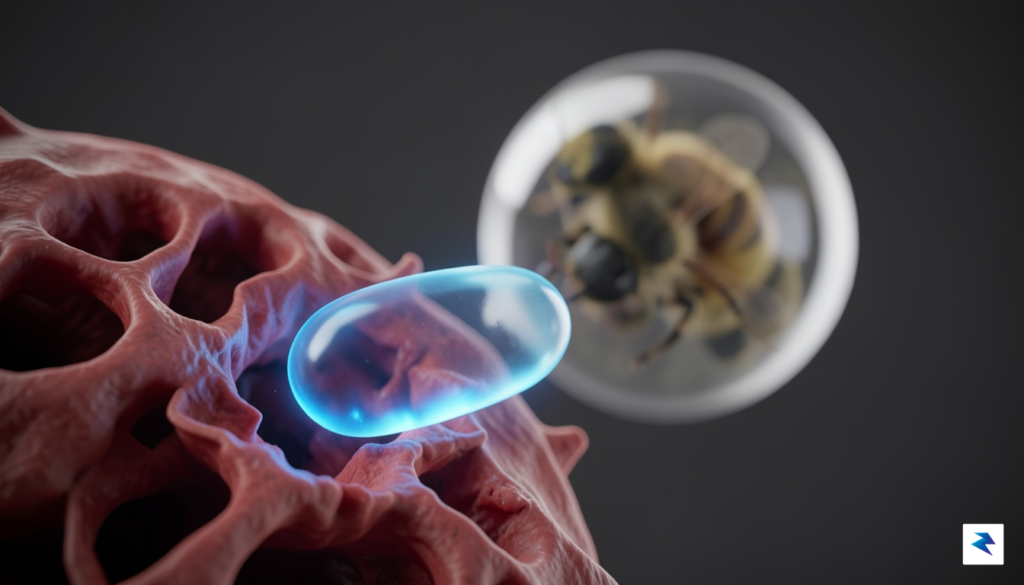
The core of this discovery rests on the fundamental differences in receptor sensitivity between arachnids—the class to which mites belong—and insects like Apis mellifera. Because mites and honeybees diverged along the evolutionary tree hundreds of millions of years ago, their physiological “locks” have developed distinct shapes. The targeted peptides act as a specialized key: they possess a molecular shape that fits perfectly into the mite’s receptor sites, triggering a fatal disruption in their nervous system. Conversely, when these peptides encounter the honeybee’s receptors, they fail to bind. The bee’s biological “lock” simply does not recognize the peptide, allowing the substance to pass through the insect’s body without causing any physiological interference or toxic side effects.
The specificity of these peptides is the “holy grail” of pest control, allowing us to deploy a lethal dose against the parasite while the host remains completely oblivious to the presence of the treatment.
This precision is a significant departure from traditional chemical pesticides, which often function like a blunt instrument, indiscriminately harming both the target parasite and the beneficial honeybee. By leveraging the evolutionary refinement of spider venom, scientists have effectively turned a natural defensive weapon into a surgical-grade tool. This development is not merely about finding a new way to kill mites; it is about respecting the complex, delicate physiology of the honeybee. As we move toward field trials, this mechanism promises a future where beekeepers can protect their hives from devastating infestations without the unintended consequences that have historically plagued chemical-based agricultural interventions.
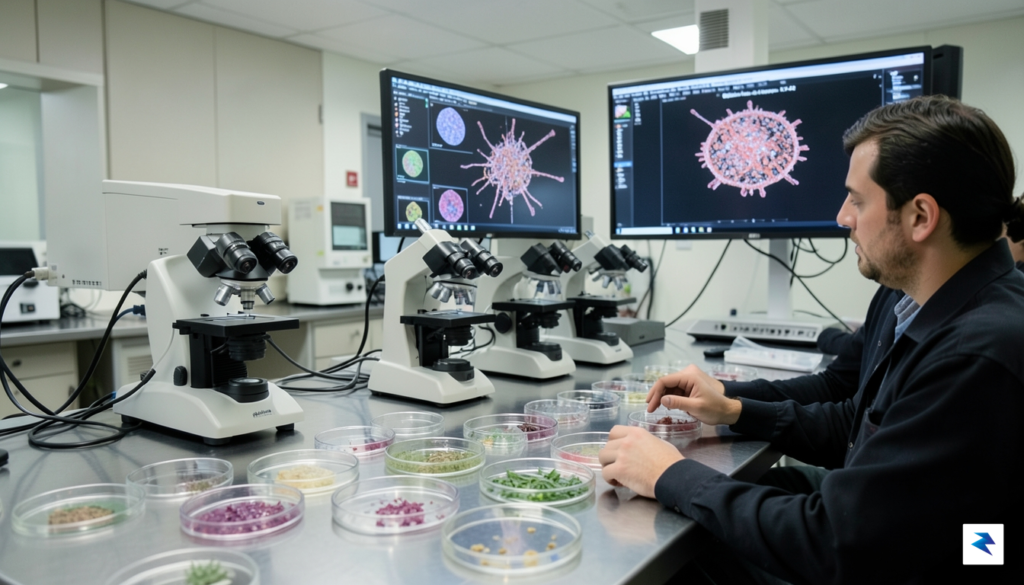
The true genius of this biotechnological advancement lies in its departure from the era of “blunt-force” chemical pesticides. For decades, beekeepers have relied on synthetic acaricides that, while effective at killing varroa mites, often leave toxic residues in wax and can compromise the health of the honeybees themselves. By contrast, the use of spider-derived peptides represents a shift toward selective toxicity—a precision-engineered approach that acts like a biological key, fitting only the specific “locks” found in the physiology of the mite while leaving the honeybee completely unaffected. This high-specificity targeting is achieved by identifying molecular receptors unique to the mite, ensuring that the therapeutic peptide remains inert within the honeybee’s system.
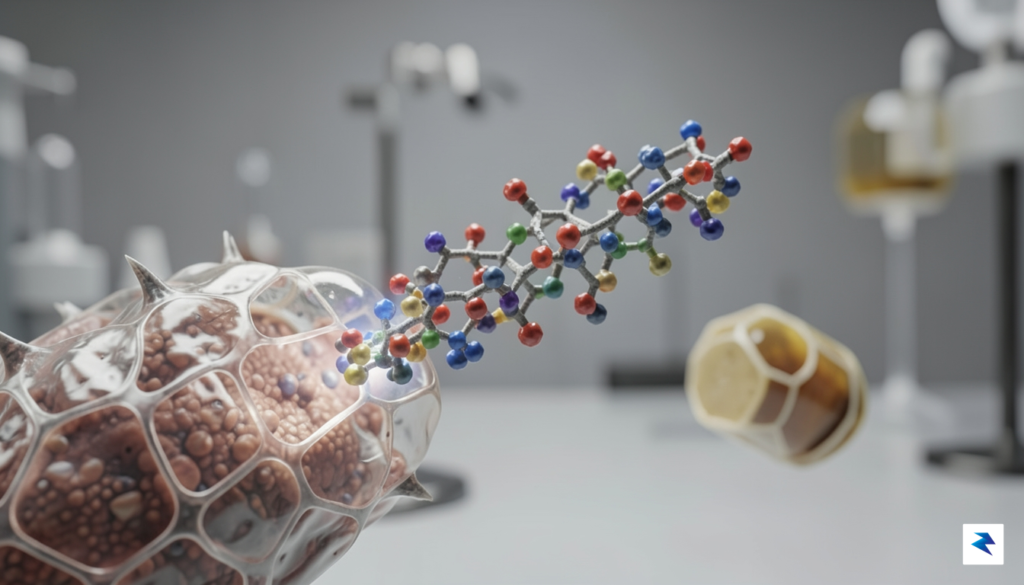
To make these potent venoms viable for agricultural use, scientists utilize advanced protein engineering to stabilize the peptides. Naturally occurring venoms can be fragile and prone to rapid degradation when exposed to the harsh environmental conditions of a working hive. Through synthetic biology, researchers can modify the amino acid sequences of these peptides to enhance their stability, ensuring they remain active for the necessary duration to clear a mite infestation. This engineering process also allows for the design of delivery systems—such as specialized feeding substrates or slow-release strips—that guarantee the treatment reaches the target pest without overwhelming the hive’s delicate microbial balance.
Beyond the immediate benefit to bee health, this transition to organic, peptide-based treatments offers a significant environmental advantage over conventional synthetic chemicals. Traditional pesticides are often persistent, meaning they accumulate in the environment and break down into potentially harmful secondary metabolites that can contaminate the soil and surrounding water supplies. In contrast, these spider-venom peptides are biodegradable proteins. Once their task is completed, they are broken down by natural enzymatic processes into simple, harmless amino acids. This cycle essentially turns a powerful pest management tool into a benign nutrient source for the hive’s environment, eliminating the long-term ecological footprint typically associated with agricultural chemicals.
The power of this innovation is that it mimics nature’s own design, leveraging the evolutionary precision of predators to solve a modern agricultural crisis without leaving a toxic legacy behind.
Ultimately, the advantage of this bio-inspired approach is its ability to function within the complex, interconnected ecosystem of a honeybee hive. Because these peptides do not rely on systemic toxicity, they do not jeopardize the queen’s longevity, the brood’s development, or the foraging capabilities of the worker bees. By prioritizing biological specificity over indiscriminate chemical exposure, we are entering a new frontier of apiculture—one where the health of our pollinators is protected by the very mechanisms of the natural world, rather than being threatened by the tools intended to save them.
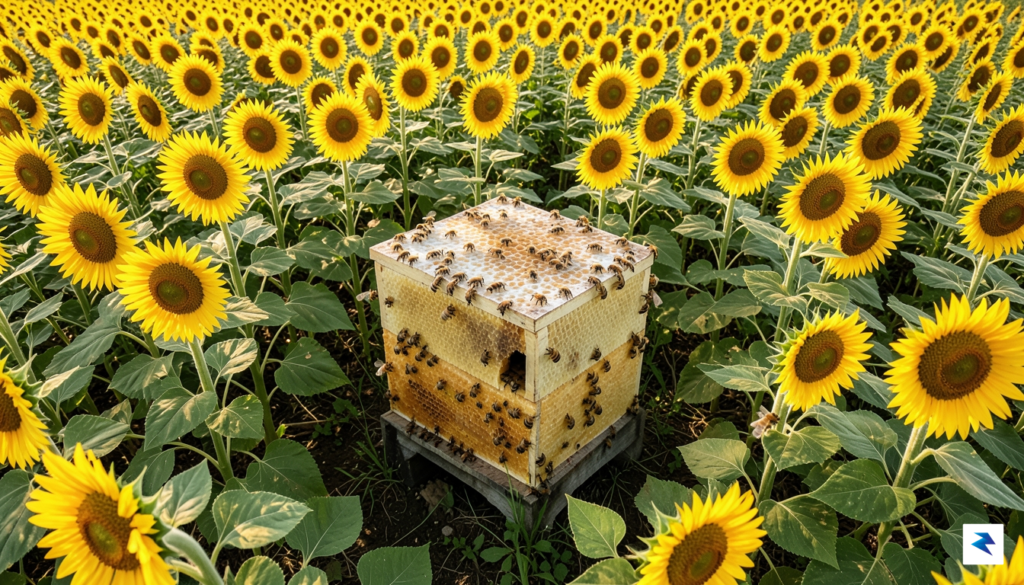
The introduction of a spider-venom-derived treatment for Varroa destructor represents a paradigm shift in how we manage the delicate balance of our global food systems. For decades, beekeepers have relied on synthetic acaricides that often leave chemical residues in wax and honey, potentially compromising the long-term health of the colony and threatening the “organic” status of apiary products. By utilizing a targeted, bio-derived solution, we can effectively mitigate the primary vector for honeybee disease—the Varroa mite—without introducing harmful synthetic toxins into the hive environment. This advancement is not merely a tool for pest control; it is a fundamental step toward restoring the resilience of pollinator populations that are essential to the growth of one-third of the human food supply.
The potential to stabilize honeybee health has massive implications for curbing the devastating effects of Colony Collapse Disorder (CCD). While CCD is a multifactorial problem, the chronic stress and viral loads transmitted by Varroa mites remain at the forefront of the crisis. By implementing a highly selective, venom-based intervention, beekeepers can significantly lower the threshold of mite infestation, thereby reducing the physiological burden on the bees. When bees are free from the constant strain of parasite-induced immune suppression, they are better equipped to withstand environmental stressors such as climate instability and poor forage quality, ultimately leading to more robust and long-lasting colonies.
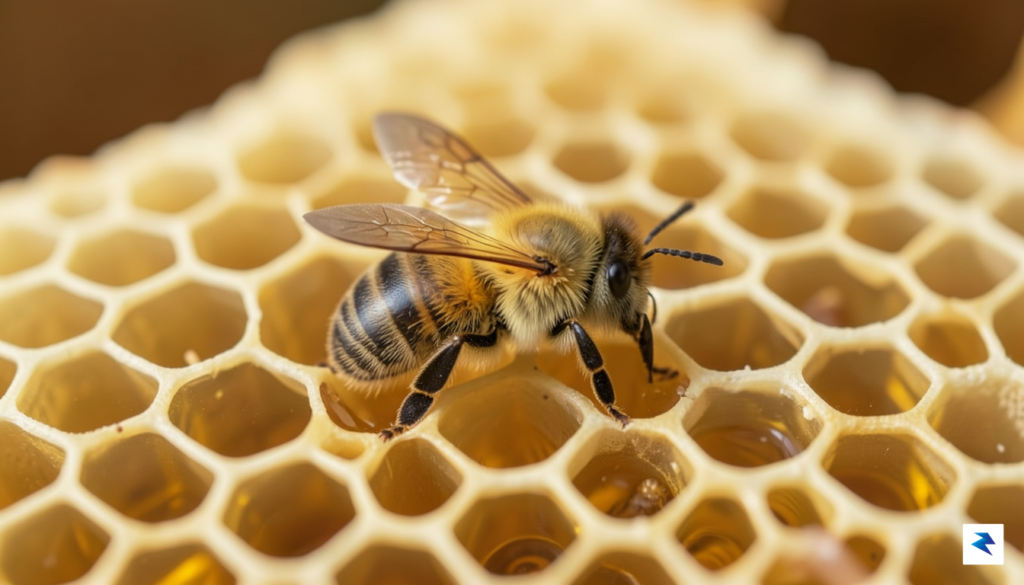
The transition to bio-based, selective treatments marks a move away from the “scorched-earth” tactics of traditional chemical management and toward a more harmonious, science-backed stewardship of the hive.
Beyond the immediate biological benefits, the economic impact of this innovation for commercial beekeepers cannot be overstated. Pollination services are the backbone of modern agriculture, particularly for high-value crops like almonds, blueberries, and stone fruits. Currently, commercial operators face exorbitant costs for colony maintenance and frequent losses that disrupt agricultural supply chains. If this spider-venom technology can be scaled for widespread use, it will provide a cost-effective, sustainable pathway to ensure that millions of hives remain healthy enough for intensive pollination schedules. This shift promises a more predictable economic outlook for farmers and beekeepers alike, ensuring that the critical service of pollination remains a reliable pillar of global food security for generations to come.
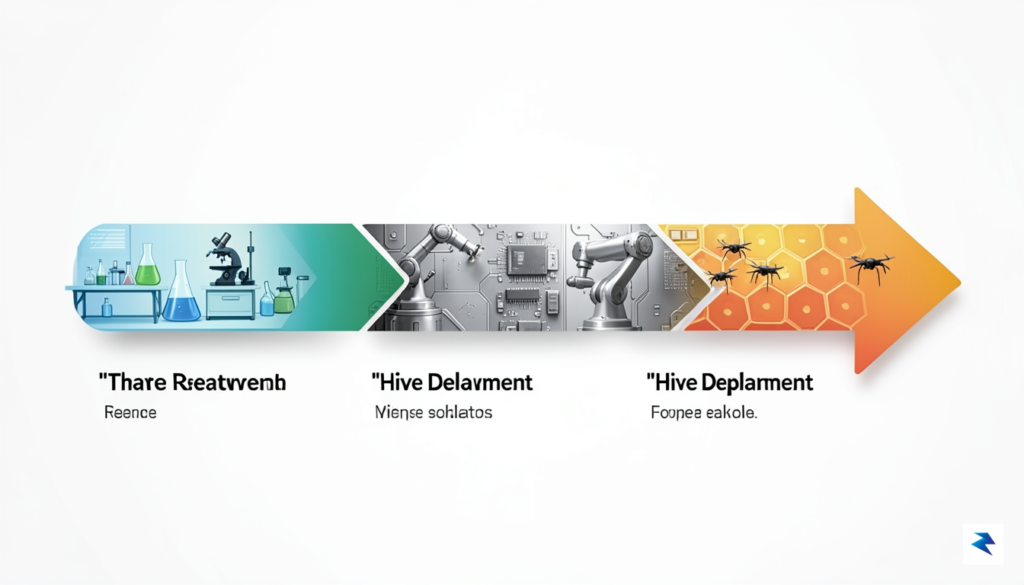
Transitioning from a promising laboratory breakthrough to a viable commercial product is a formidable undertaking, particularly when dealing with biological pesticides. Before this spider-venom-based solution can reach the shelves of beekeeping supply stores, it must navigate a rigorous gauntlet of regulatory oversight, primarily managed by the Environmental Protection Agency (EPA) in the United States. Because this treatment involves a synthetic peptide—a bio-engineered version of a natural toxin—regulators must treat it with the same scrutiny as traditional chemical pesticides. This involves extensive toxicological studies to confirm that the venom derivative does not accumulate in beeswax, impact honey quality, or leave harmful residues that could inadvertently affect human consumers or the broader ecosystem.
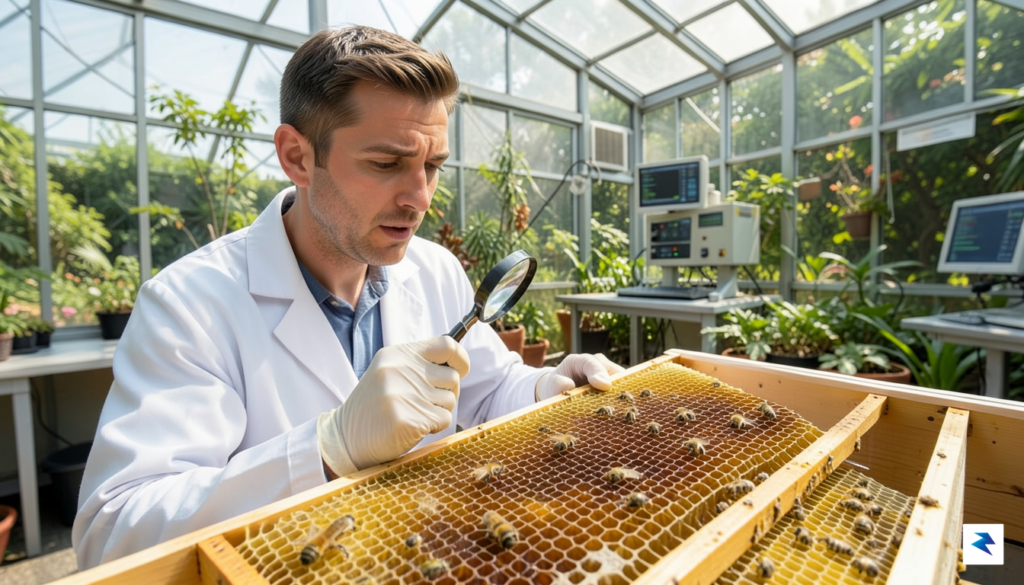
Beyond the regulatory paperwork, the logistical challenge of scaling up production remains a significant hurdle. Synthesizing complex peptides in a laboratory setting is vastly different from manufacturing them by the ton for global agriculture. Currently, the cost of high-purity peptide synthesis is prohibitively expensive for widespread beekeeping operations, which operate on notoriously thin margins. Researchers and biotech partners are now focused on refining “bioreactor” technology, which utilizes yeast or bacteria to “grow” the venom peptides in large vats. Achieving a high enough yield at a price point that makes sense for the average beekeeper is the primary bottleneck preventing immediate commercial viability.
The true test of any new varroa treatment is its efficacy under the unpredictable and harsh conditions of real-world apiaries, where temperature fluctuations and hive health vary wildly.
Field testing represents the final, and perhaps most unpredictable, stage of development. While lab results have been stellar, the substance must prove it can survive the complex micro-climate of a beehive throughout all four seasons. A treatment that works perfectly in a temperature-controlled laboratory may break down prematurely when exposed to the heat, humidity, and chemical complexity of a working hive. Consequently, multi-year, multi-regional field trials are essential to ensure the peptide remains stable and effective in diverse environments, from the damp, cool climates of the Pacific Northwest to the scorching heat of the southern United States. Given these complexities, industry experts suggest that while early-stage pilot programs may begin within the next two years, widespread commercial availability is likely a four-to-six-year horizon. This timeline ensures that when the product finally arrives, it is not only effective but also safe for the delicate balance of the hive.
You must be logged in to post a comment.