
Balmuda NatureWind Studio Review: Is This Premium Breeze Worth the Price?
The Engineering of Natural Airflow Traditional electric fans operate on a simple, albeit aggressive, principle: they force a high-velocity,…

For decades, the global sporting community treated climate change as a hypothetical scenario—a distant, abstract threat that might one day inconvenience future generations of athletes. However, that era of complacent detachment has abruptly ended as the planet’s shifting climate transforms from a background concern into an active, disruptive force on the pitch. Record-breaking heatwaves, erratic precipitation, and declining air quality are no longer just meteorological data points; they are tangible hazards that compromise the integrity of elite competitions. When professional soccer players are forced to compete in stifling, near-lethal temperatures, or when matches are abandoned due to smoke-filled skies from nearby wildfires, the illusion that sports exist in a vacuum, insulated from environmental reality, evaporates entirely.

The vulnerability of outdoor sports is particularly acute because they rely on the stability of the natural environment to function safely. Unlike indoor sports, which can be climate-controlled, soccer is tethered to the whims of the atmosphere. As global temperatures rise, the scheduling of major tournaments—which often require intense physical exertion in equatorial or arid regions—has become a high-stakes gamble with athlete health. Medical experts now warn that professional athletes, who push their bodies to the absolute limit, are uniquely susceptible to heat-related illnesses that can have career-ending or even fatal consequences. This reality forces us to confront an uncomfortable truth: the very conditions that make the beautiful game possible are being systematically undermined by the climate crisis.
The climate crisis is no longer a distant warning; it is the primary challenge facing the future of global sports, requiring a fundamental shift in how we schedule, host, and perceive the safety of elite competition.
This escalating volatility creates a direct, irreconcilable conflict between FIFA’s current expansionist business model and the necessity of environmental stability. While the organization continues to pursue aggressive growth, increased frequency of tournaments, and travel-heavy scheduling, the physical world is signaling a hard limit. By prioritizing massive, globe-spanning events that carry a significant carbon footprint, the governing body of world soccer is effectively accelerating the very atmospheric changes that threaten its own infrastructure. Without a radical pivot toward sustainability, the organization risks presiding over a future where the world’s most popular sport is consistently interrupted, rescheduled, or localized, fundamentally altering the global fan experience and leaving the beautiful game at the mercy of an increasingly unpredictable planet.
The physiological threshold of a professional athlete is designed to handle immense physical exertion, but that capacity is fundamentally compromised when ambient temperatures consistently push beyond 35°C (95°F). At these extremes, the human body struggles to dissipate heat through sweat, leading to a dangerous rise in core temperature that can trigger heat exhaustion, cardiovascular strain, and, in the worst cases, heatstroke. When FIFA selects host regions that are prone to such stifling conditions, they are essentially gambling with the health of the very players who generate the sport’s massive revenue. The intensity of 90 minutes of high-level soccer becomes a gauntlet of biological survival rather than a display of athletic prowess, forcing players to operate at a fraction of their potential while risking long-term damage to their bodies.
Beyond the immediate threat of heat, the encroaching reality of wildfire season and poor air quality creates an invisible, yet equally lethal, barrier to safety. Exposure to fine particulate matter, known as PM2.5, is particularly hazardous for athletes who are performing deep, rapid inhalations during intense aerobic activity. These microscopic particles bypass the natural filtration of the upper respiratory tract, embedding themselves deep within the lungs and entering the bloodstream, which causes systemic inflammation and impairs oxygen delivery. For spectators and staff, the risks are compounded, yet FIFA’s site selection criteria rarely account for the regional likelihood of smoke-filled corridors or the inevitable air quality degradation that occurs during tournament windows.
The reliance on localized cooling technologies—such as stadium-wide air conditioning or misting stations—is a dangerous stopgap that ignores the broader climate reality.
To mitigate these environmental hazards, organizers have increasingly turned to energy-intensive cooling infrastructures, attempting to create artificial microclimates within massive open-air stadiums. While this may provide a temporary measure of comfort for those inside the perimeter, it is fundamentally a regressive solution that increases the overall carbon footprint of the tournament. By investing in massive cooling systems rather than adjusting tournament scheduling or prioritizing cooler, more sustainable host regions, FIFA is choosing a model of commercial convenience over systemic environmental responsibility. This approach fails to address the reality that fans must travel to and from venues, often through hazardous outdoor conditions, and it does nothing to protect the integrity of the game when environmental volatility inevitably overwhelms technological interventions.
Ultimately, the current trajectory suggests that FIFA’s logistical planning is running on a timeline that no longer matches the reality of our changing planet. When human health is treated as a secondary concern to the rigid demands of global broadcasting schedules, the sport loses its moral authority. If the governing body continues to ignore the physiological limits imposed by extreme heat and toxic air, they will eventually be forced to reckon with a crisis that no amount of stadium cooling can fix: a sport that is no longer safe for its participants or its audience.
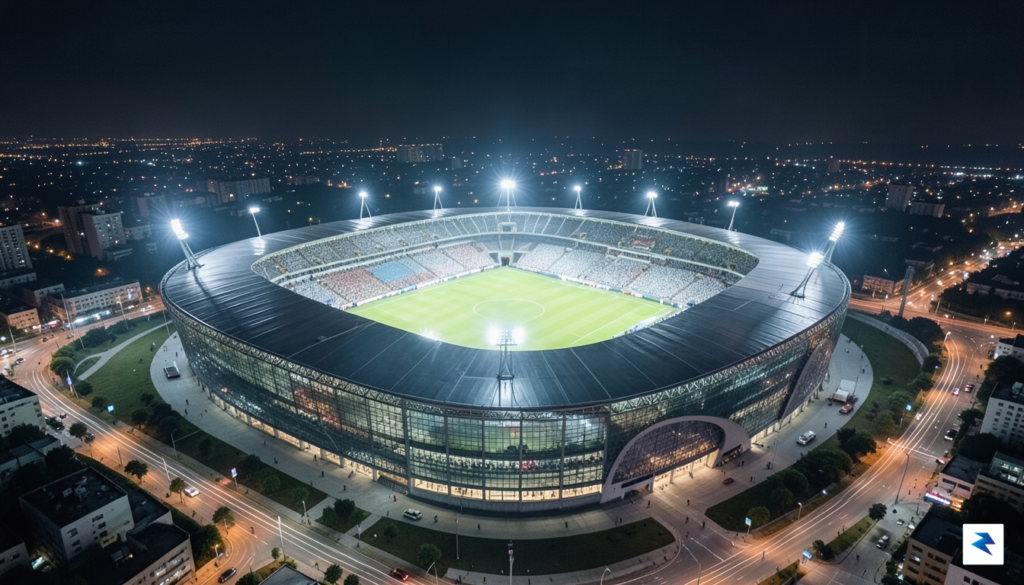
When the world turns its gaze toward the FIFA World Cup, the spectacle on the grass often obscures a far more sobering reality occurring behind the scenes. While the tournament is frequently marketed as a celebration of global unity, the logistical machinery required to mobilize millions of fans, thousands of staff, and dozens of national teams creates an environmental burden that is difficult to justify in the modern era. The carbon footprint of a single tournament is staggering, largely driven by the sheer volume of long-haul international air travel. When spectators and officials traverse the globe to converge on a single host nation, the resulting emissions from aviation often dwarf the impact of the actual matches, effectively negating any small-scale green initiatives implemented at the venue level.
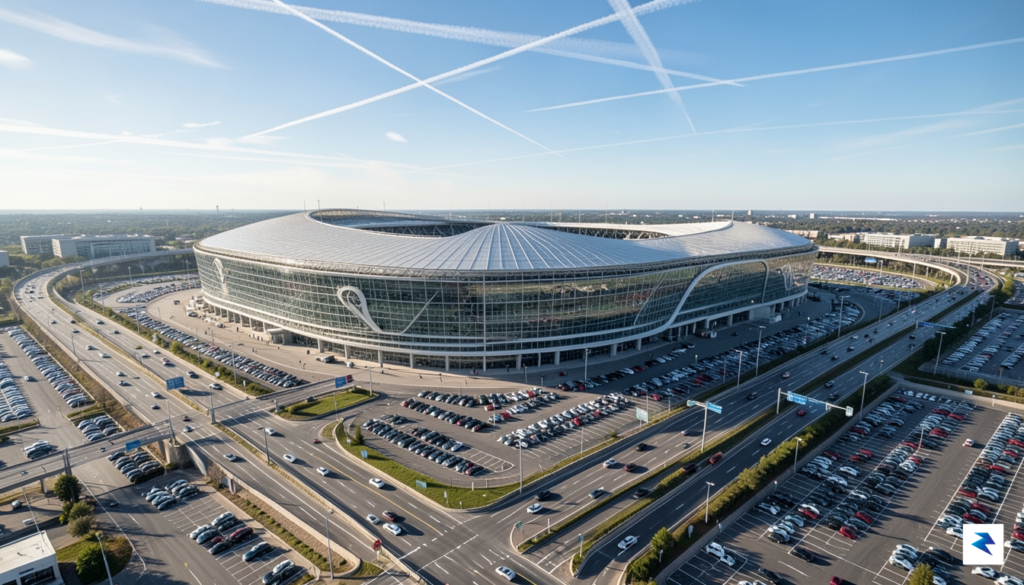
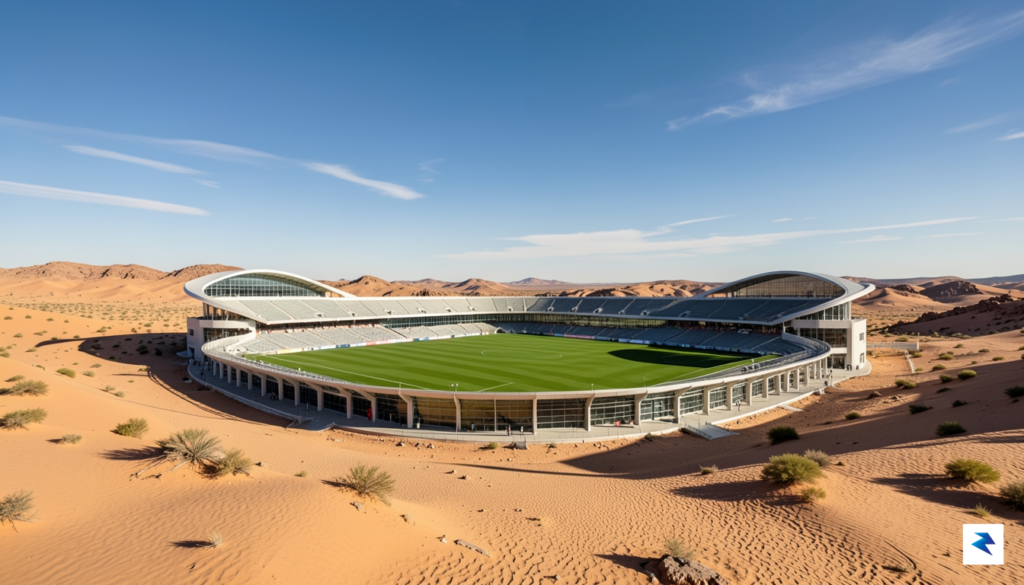
Beyond the transit crisis, the physical infrastructure of the tournament presents a different set of ecological challenges. In recent cycles, there has been a recurring trend of building massive, state-of-the-art stadiums in regions where the climate necessitates extreme measures to keep players and fans comfortable. This is perhaps most evident in the reliance on energy-intensive cooling technologies designed to combat desert heat. Powering these massive refrigeration systems requires a constant, colossal supply of electricity, which, in many host nations, is still heavily dependent on fossil fuels. These “white elephant” stadiums—often built at a gargantuan cost to both the treasury and the environment—frequently face abandonment or underutilization once the closing ceremony concludes, leaving behind a legacy of concrete, steel, and wasted resources that will never pay back their “carbon debt.”
The true cost of the World Cup is not measured in currency, but in the permanent environmental degradation caused by temporary infrastructure that serves a global audience for only a few weeks.
Discrepancies between FIFA’s sustainability rhetoric and verifiable carbon accounting continue to widen with every tournament cycle. While organizers frequently tout “carbon neutrality” plans, these claims often rely on questionable carbon offset schemes rather than actual, systemic reductions in energy consumption. The promise to host a “green” tournament often crumbles when subjected to rigorous scrutiny, as the scale of construction, waste management, and energy consumption continues to balloon. Ultimately, if the sport is to have a sustainable future, the governing bodies must move beyond superficial pledges and address the fundamental contradiction between hosting a high-emissions nomadic festival and the urgent, global mandate to stabilize our climate.

At the heart of FIFA’s reluctance to confront the climate crisis lies a deeply entrenched governance structure that prioritizes short-term commercial expansion over long-term environmental stewardship. Despite the growing chorus of athletes, environmental scientists, and civil society groups demanding more robust action, the organization’s sustainability guidelines remain largely performative. These documents often rely on voluntary pledges and vague targets that lack the teeth necessary to force meaningful change. By framing environmental responsibility as an elective pursuit rather than a core requirement of hosting rights, FIFA has effectively shielded itself from the accountability mechanisms that would otherwise disrupt its traditional business model.
The fundamental tension within the organization stems from its “growth-at-all-costs” philosophy. FIFA operates as a massive commercial engine, where the primary objective is to maximize broadcasting rights, sponsorships, and ticket sales through an increasingly packed international calendar. This relentless pursuit of expansion creates an inherent conflict with the reality of climate change, as the logistical demands of hosting mega-events—such as massive air travel requirements, carbon-intensive infrastructure construction, and energy-heavy stadium operations—are inherently at odds with global decarbonization goals. Because the governing body’s leadership is incentivized by revenue benchmarks, there is little institutional appetite to pivot toward a climate-resilient framework that might impose constraints on future hosting opportunities.
The reliance on voluntary environmental reporting allows FIFA to highlight minor successes while masking the systemic carbon footprint generated by its global operations.
Furthermore, the lack of binding accountability in host nation contracts represents a significant policy failure. While FIFA has increasingly included sustainability clauses in its bidding requirements, these provisions are frequently toothless, lacking specific penalties for failing to meet environmental milestones. Without contractual consequences, host countries often treat sustainability as a branding exercise rather than a measurable mandate. This systemic inertia ensures that the status quo remains undisturbed, leaving FIFA in a reactive cycle where it only addresses environmental concerns when public pressure reaches a breaking point. Ultimately, the organization’s inability to integrate climate science into its core governance suggests that it is not currently equipped to ensure the long-term viability of the sport in a warming world.

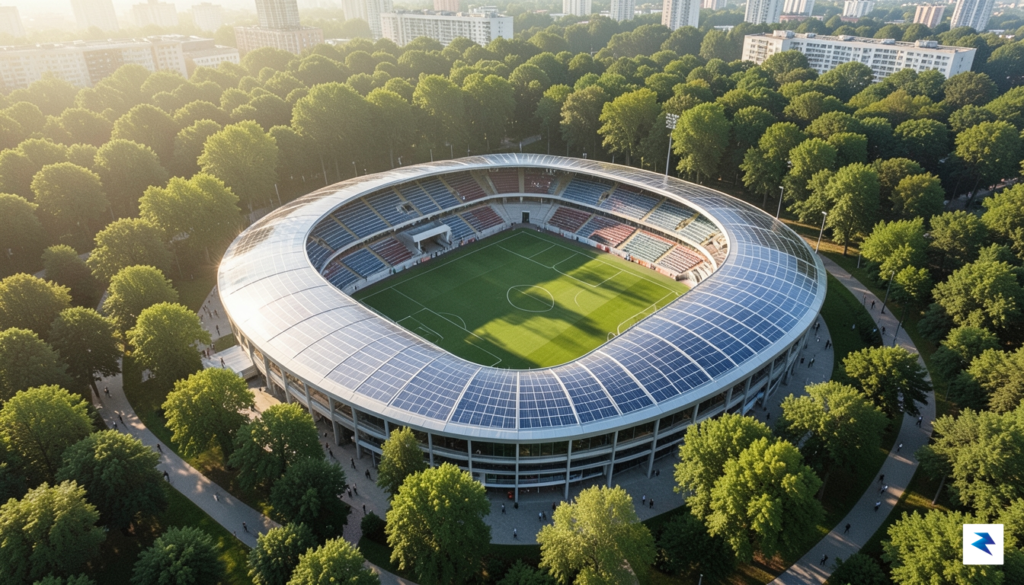
To secure the long-term viability of international football, FIFA must pivot from empty sustainability rhetoric toward a rigorous, science-based operational framework. The current model—characterized by sprawling infrastructure projects and massive, carbon-intensive travel requirements—is fundamentally incompatible with a warming planet. Moving forward, the governing body should adopt a strict, evidence-based site selection process that prioritizes existing, climate-resilient infrastructure over the construction of “white elephant” stadiums. By mandating that host nations utilize pre-existing venues and demonstrate a reliance on renewable energy grids, FIFA can drastically minimize the embodied carbon footprint associated with tournament cycles, ensuring that the legacy of a World Cup is measured in community benefit rather than wasted concrete.
Beyond site selection, the organization must overhaul its approach to global movement and spectator logistics. Transporting millions of fans and dozens of national teams across continents generates an astronomical carbon toll, which can no longer be ignored or offset through questionable carbon credit schemes. Instead, FIFA should implement a mandatory carbon-neutral transport policy that prioritizes regional tournament clustering, significantly reducing long-haul flight requirements. Furthermore, by integrating public transit passes into every ticket sold and incentivizing low-carbon travel for traveling supporters, the organization can actively reduce the scope 3 emissions that currently dominate its impact reports.
Perhaps the most critical evolution required is the institutionalization of mandatory heat-protocol policies. As global temperatures rise, the tradition of scheduling matches for peak broadcast audiences—often in the sweltering heat of midday—is becoming a severe human rights issue for both athletes and fans. FIFA must adopt a science-led scheduling mandate that prioritizes player welfare, utilizing real-time meteorological data to trigger mandatory cooling breaks, shifting match times to cooler periods, or even postponing fixtures during extreme weather events. The “show must go on” mentality is a relic of a more stable climate; in the present day, it represents a dangerous disregard for the physical limits of the human body.
True leadership in the sporting world requires FIFA to accept that the climate crisis is not merely a public relations obstacle, but an existential threat that demands a fundamental redesign of how the beautiful game is played, viewed, and governed.
Finally, FIFA occupies a unique position of cultural influence that can be leveraged to drive systemic change far beyond the pitch. By utilizing its massive global platform to educate billions of viewers on the necessity of climate action, the organization can normalize sustainable behaviors and advocate for policy shifts in host countries. This involves more than just wearing green armbands; it requires FIFA to align its commercial partnerships with organizations that share its commitment to decarbonization. If the governing body chooses to lead, it could transform the world’s most popular sport into a powerful vehicle for climate awareness, proving that the future of football is inextricably linked to the health of the planet.
You must be logged in to post a comment.