Slate Auto’s $24,950 Electric Truck: A New Era for Affordable EVs?
The Evolution of Affordable Electric Trucks For years, the promise of an electric revolution in the pickup truck segment felt largely confined…
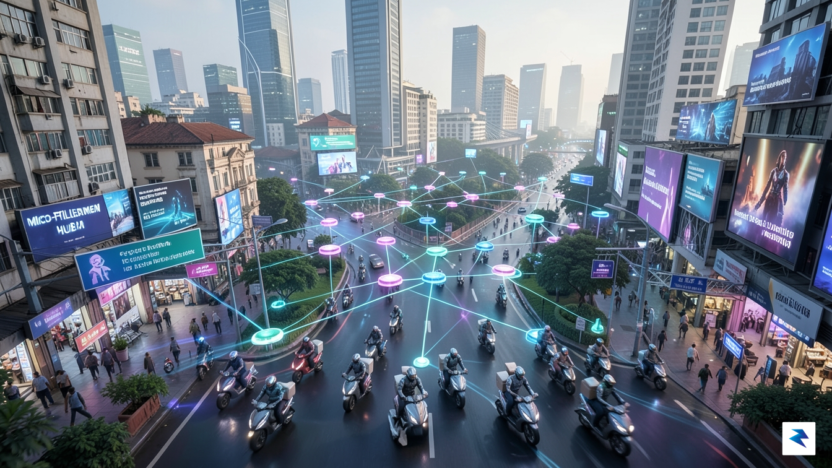
The Indian retail landscape is currently undergoing a seismic shift, one where the traditional boundaries between local grocery shopping and digital e-commerce have effectively dissolved. Just a few years ago, the convenience of online shopping was defined by two-day shipping windows; today, the market has pivoted toward a hyper-local model where 10-to-20-minute delivery is no longer a premium luxury, but a fundamental consumer expectation. This rapid compression of the supply chain—often referred to as ‘quick-commerce’ or ‘q-commerce’—has fundamentally altered the urban Indian lifestyle. By leveraging dense networks of micro-fulfillment centers, or ‘dark stores,’ positioned strategically within residential neighborhoods, companies have managed to transform the logistics of last-mile delivery from a bottleneck into a competitive advantage.
This paradigm shift is driven by a unique confluence of demographic and economic factors that distinguish India from its Western counterparts. While markets in North America and Europe often grapple with high labor costs and sprawling suburban geography that make ultra-fast delivery economically precarious, India’s hyper-dense urban centers provide the perfect environment for a high-frequency, low-cost delivery model. Furthermore, the Indian consumer base has shown an unprecedented appetite for instant gratification, transitioning from the weekly supermarket haul to on-demand, fragmented consumption. Whether it is a forgotten ingredient for dinner or a last-minute household essential, the reliance on digital platforms to bridge the gap between “need” and “possession” has become deeply ingrained in the daily routine of the modern urbanite.
The rise of quick-commerce in India is not merely a logistical upgrade; it represents a fundamental change in how households manage inventory, shifting the burden of storage and planning from the individual consumer to the retail infrastructure.
As the competition intensifies, the operational stakes have risen significantly for retail giants. Moving beyond the delivery of fresh produce and snacks, platforms are now expanding their catalogs to include electronics, beauty products, and home essentials, forcing incumbents to re-evaluate their entire supply chain architecture. This requires a sophisticated integration of predictive analytics and real-time inventory management to ensure that popular items are always available within a short radius of the customer. Consequently, the industry is moving toward a more decentralized model where speed is the primary currency. As major tech players ramp up their investments to capture this lucrative segment, they are effectively turning every city block into a potential marketplace, signaling the end of the traditional, slow-moving retail era.
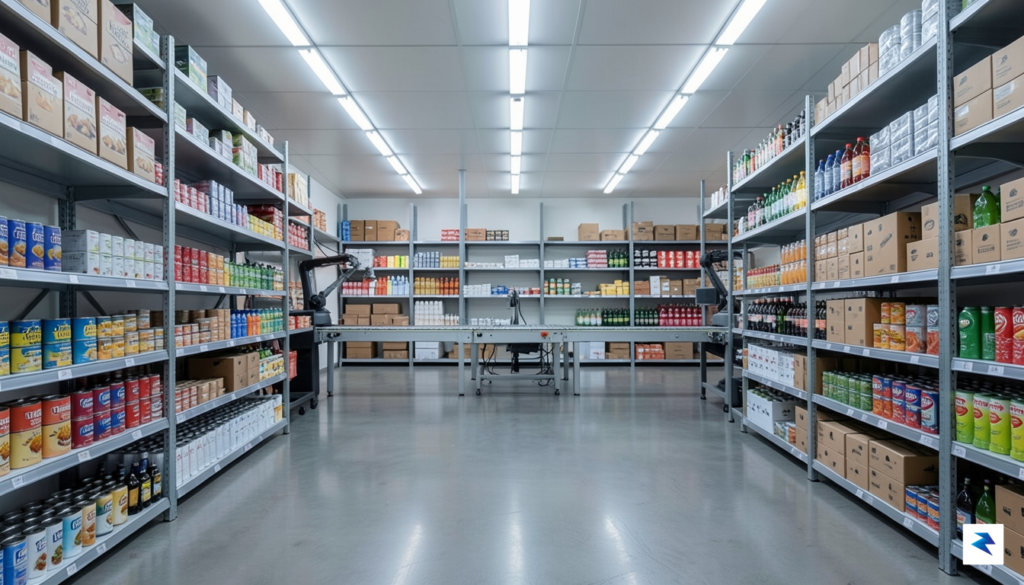
The recent milestone of 1,000 micro-fulfillment centers marks a pivotal shift in Flipkart’s operational architecture, signaling a transition from traditional, centralized warehousing to a hyper-localized logistics model. By embedding these smaller, agile nodes deep within urban clusters, the company is effectively shrinking the physical distance between high-demand inventory and the end consumer. This geographic proximity is not merely a logistical convenience; it is a calculated response to the soaring expectations of Indian shoppers who increasingly view 30-minute to two-hour delivery windows as the new industry standard rather than a premium luxury.
From an economic standpoint, these micro-fulfillment centers act as the backbone of a highly efficient cost-management strategy. By positioning stocks closer to residential hubs, Flipkart significantly reduces the transit time and fuel consumption typically associated with long-haul “last-mile” delivery routes. These facilities, often operating as “dark stores,” are optimized for rapid picking and packing, allowing the company to bypass the bottlenecks of traditional courier sorting centers. By streamlining these processes, Flipkart can maintain thinner margins while still achieving the speed-to-door metrics required to outpace competitors in the fiercely contested quick-commerce landscape.
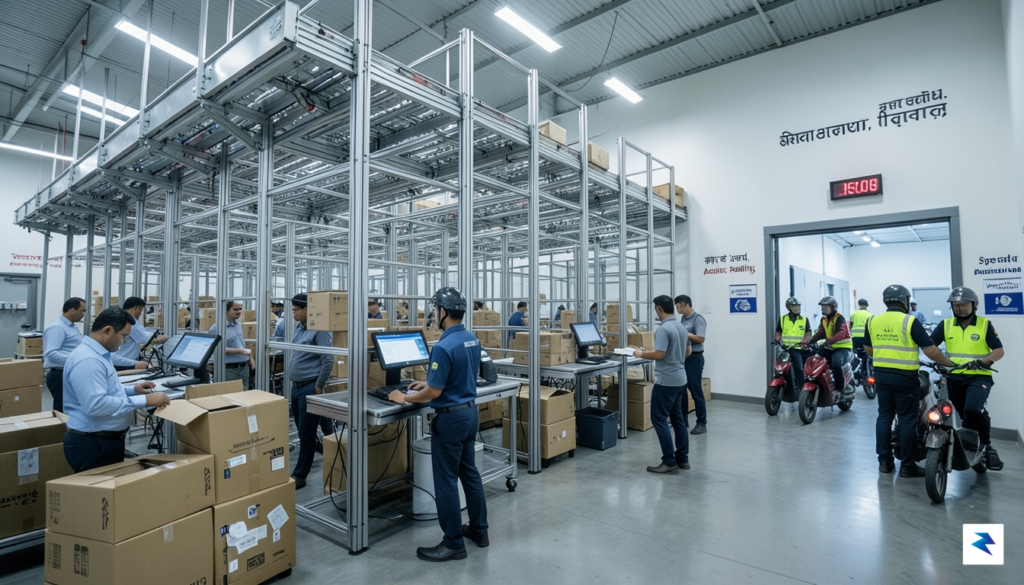
The transition to a thousand-center network represents a fundamental decoupling of delivery speed from the constraints of traditional, distance-based logistics.
Functioning as hyper-localized distribution points, these centers are strategically mapped using predictive analytics to anticipate consumer demand based on neighborhood-specific shopping patterns. Instead of holding vast inventories of slow-moving goods, these locations focus on high-velocity items such as groceries, personal care products, and electronics accessories. This targeted inventory management ensures that the most frequently purchased items are always within a short ride of the customer, thereby minimizing route complexity for delivery partners. As these nodes continue to populate major metropolitan areas, the cumulative effect creates a dense, resilient supply chain network that is difficult for competitors to replicate without significant capital expenditure and time.
Ultimately, this push toward micro-fulfillment is about more than just speed; it is about building a sustainable ecosystem for urban retail. By optimizing last-mile delivery routes through these localized nodes, Flipkart is simultaneously tackling the challenges of urban traffic congestion and operational overhead. As the retail war in India intensifies, this massive infrastructure investment serves as a formidable barrier to entry, proving that the future of e-commerce lies not just in the breadth of a product catalog, but in the precision and immediacy with which that catalog reaches the customer’s front door.
For years, Amazon India built its formidable reputation on the back of its “long-tail” inventory model, prioritizing a massive selection of goods and reliable, multi-day shipping over the instant gratification demanded by modern urban consumers. However, the meteoric rise of quick-commerce platforms has forced the e-commerce giant to undergo a fundamental strategic pivot. Recognizing that the battle for the Indian consumer is increasingly being won in the narrow window of minutes rather than days, Amazon is now aggressively scaling its own rapid-delivery infrastructure. This shift represents a significant evolution in their operations, as they transition from a centralized warehouse model to a decentralized, hyper-local network designed to place high-demand items within reach of metropolitan hubs in record time.
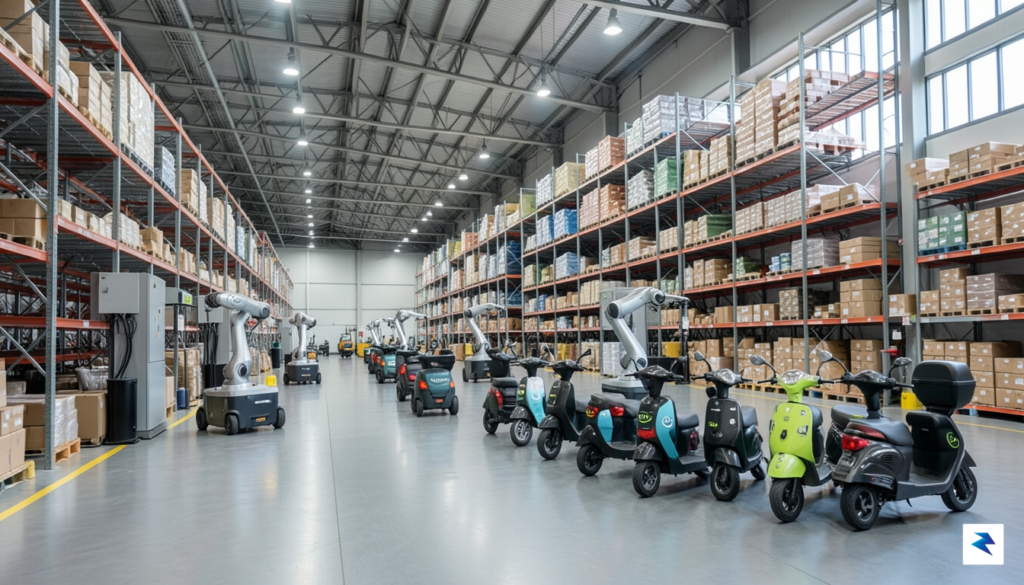
To facilitate this pivot, Amazon is pouring substantial investment into advanced supply chain technologies, including predictive analytics that anticipate local demand patterns with high precision. By leveraging machine learning, the company is optimizing its “dark stores” and micro-fulfillment centers, ensuring that inventory is stocked based on hyper-local shopping behaviors rather than regional averages. This technological backbone allows Amazon to bypass the traditional logistical bottlenecks that once hindered rapid delivery, effectively narrowing the gap between their expansive catalog and the immediate, urgent needs of city-dwelling shoppers.
The competitive landscape in India has shifted from a race for the greatest inventory to a race against the clock, forcing even the most established global players to rethink their logistical foundations.
The market response to these maneuvers has been intense, creating a pressure cooker environment where pricing and delivery fees are being squeezed to attract and retain users. As Flipkart pushes further into the quick-commerce space, Amazon has responded by refining its own loyalty incentives and membership perks to offset the costs of rapid fulfillment. While consumers currently benefit from competitive delivery fees and frequent promotional discounts, the long-term sustainability of this model remains a point of industry scrutiny. Ultimately, this logistical showdown is not just about moving boxes faster; it is a calculated effort by Amazon to protect its market share against an increasingly nimble rival, ensuring that they remain the dominant force in the rapidly evolving Indian retail landscape.
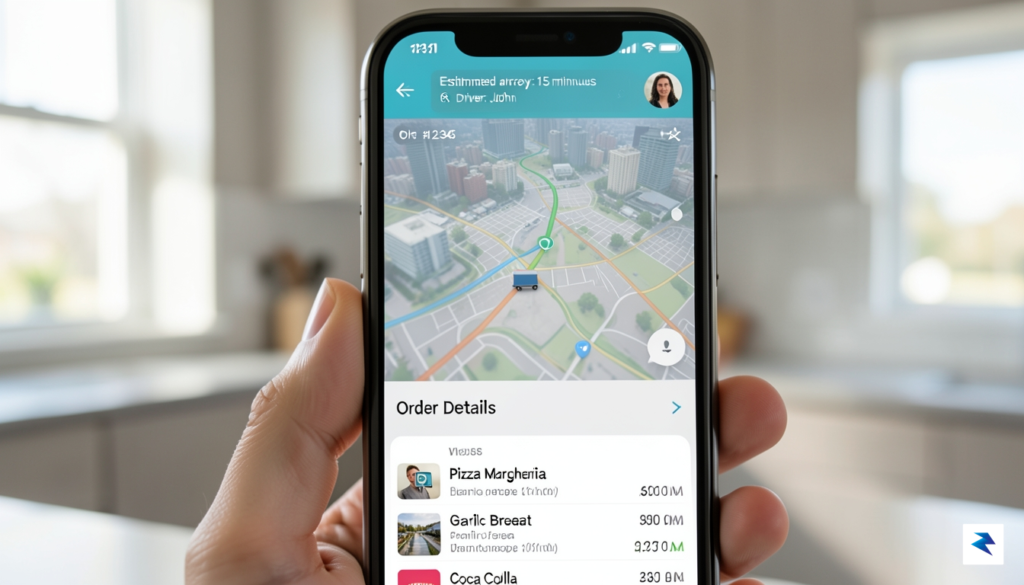
The pursuit of sub-30-minute delivery is a masterclass in operational engineering, requiring a seamless synchronization of technology and human labor. At the heart of this transformation lies the power of predictive analytics, which allows platforms like Flipkart and Amazon to anticipate demand with uncanny precision. By leveraging machine learning models, these companies analyze historical purchase patterns, local weather conditions, and even festive trends to position stock in micro-warehouses—known as “dark stores”—before a customer even places an order. This proactive replenishment strategy ensures that high-demand items are never more than a few kilometers away from the end consumer, effectively shrinking the traditional supply chain into a hyper-local ecosystem.
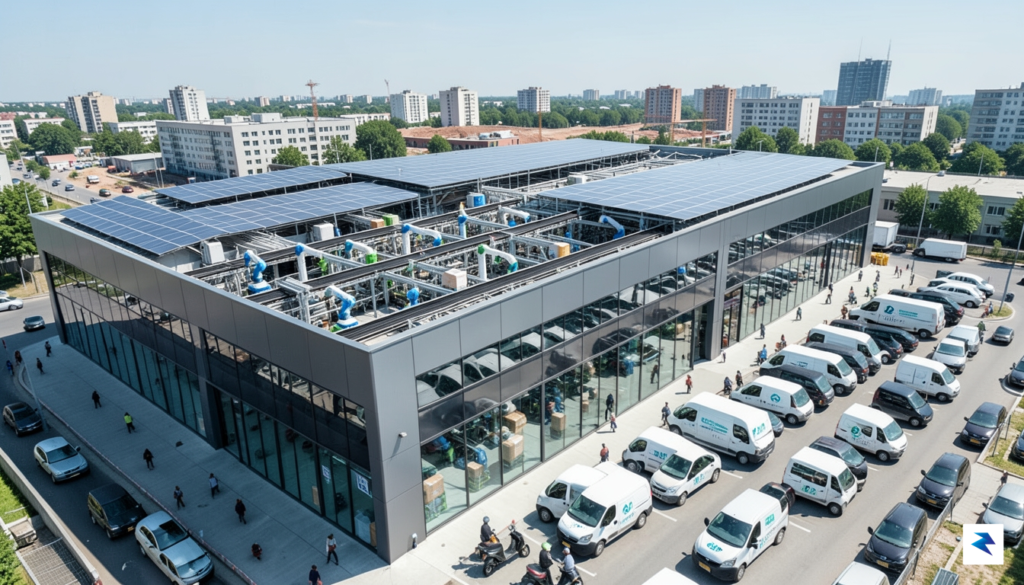
Managing inventory at this level of granularity presents a unique set of challenges. Unlike traditional e-commerce, which relies on large, centralized distribution hubs, quick-commerce necessitates an expansive network of small, agile facilities embedded deep within residential neighborhoods. Maintaining near-perfect stock accuracy in these tight spaces requires robust, real-time inventory management systems that communicate instantly with the consumer-facing app. When a user checks for availability, the system must account for current shelf stock, ongoing transit, and even the live status of the delivery fleet. If the data is off by even a fraction, the promise of near-instant delivery collapses, leading to customer dissatisfaction and operational bottlenecks.
Success in the quick-commerce race is defined by the ability to master the “last-mile” puzzle, where every second saved is a victory in supply chain efficiency.
Beyond the digital infrastructure, the physical execution relies on a highly efficient, high-density fleet of riders who navigate the labyrinthine streets of India’s major cities. Orchestrating this fleet requires sophisticated routing algorithms that account for real-time traffic congestion, road closures, and optimal pickup points. However, speed cannot come at the cost of safety. Platforms are increasingly under pressure to balance aggressive delivery windows with the welfare of their riders, implementing AI-driven monitoring to prevent reckless driving while providing insurance and support systems. Balancing these high-speed requirements in dense, unpredictable urban environments remains the ultimate test for Flipkart and Amazon as they continue to refine their logistical operations to meet the rising expectations of the modern Indian shopper.
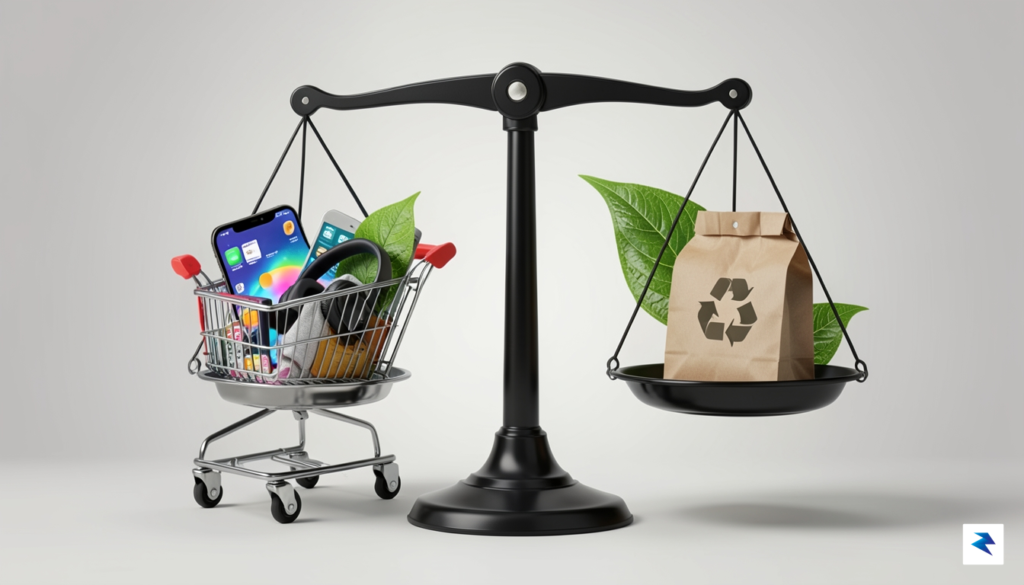
The rapid ascent of quick-commerce in India, fueled by the aggressive expansion strategies of titans like Flipkart and Amazon, has undeniably redefined the parameters of consumer convenience. By promising delivery windows measured in minutes rather than days, these platforms have tapped into a modern desire for instant gratification. However, beneath the veneer of seamless service lies a complex web of environmental and economic externalities that challenge the long-term viability of the model. Every “on-demand” order necessitates a granular supply chain that relies on a high frequency of small-batch deliveries, a process that significantly amplifies the carbon footprint per unit sold compared to traditional bulk logistics.
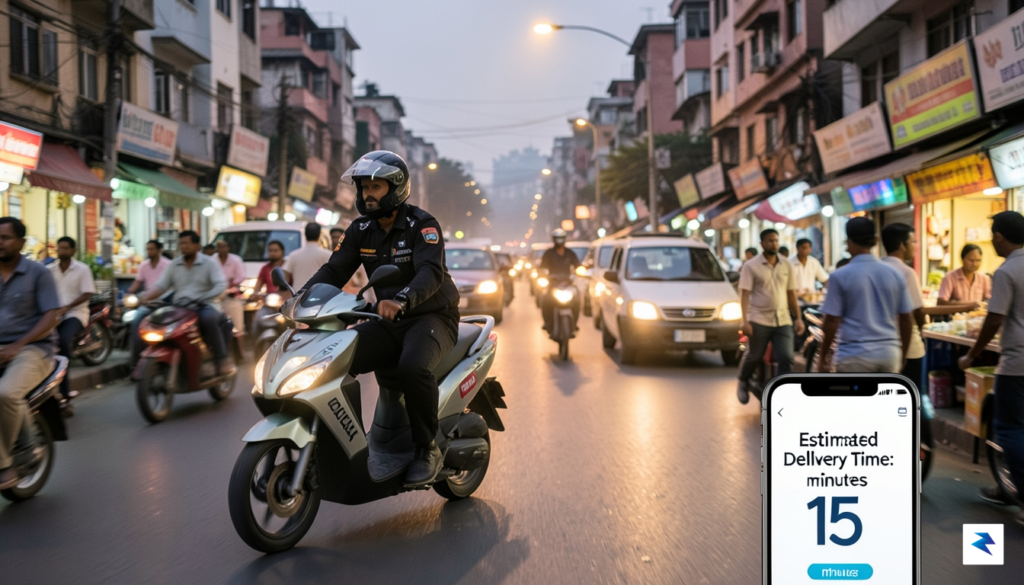
From an economic perspective, the current quick-commerce landscape operates on razor-thin margins that are often subsidized by venture capital to capture market share. The reliance on dark stores—hyper-local fulfillment centers located in expensive urban real estate—combined with the logistical costs of last-mile delivery, creates a persistent tension between profitability and speed. While consumers currently enjoy low or non-existent delivery fees, this model faces an inevitable reckoning as platforms move toward sustainable unit economics. Businesses must eventually reconcile the high operational costs of maintaining a fleet of riders and micro-warehouses with the willingness of consumers to pay a premium for the luxury of speed.
The true test for quick-commerce will be whether it can transition from a cash-burning convenience feature into a structurally profitable logistical ecosystem without losing its core value proposition.
Looking ahead, the evolution of this sector will likely be dictated by a convergence of regulatory pressure and shifting consumer sentiment. As urban congestion and air quality concerns mount, local governments may introduce stringent mandates regarding delivery vehicle emissions and the labor rights of gig workers. Furthermore, as the novelty of “ten-minute delivery” wanes, a segment of the eco-conscious consumer base may begin to prioritize sustainable delivery practices—such as consolidated shipping windows—over raw speed. To survive, companies like Flipkart and Amazon will need to pivot toward greener technologies, such as widespread electric vehicle fleets, and explore innovative ways to optimize delivery density, ensuring that the future of retail is not just fast, but also fundamentally sustainable.
You must be logged in to post a comment.