
Why Everyone Has AI Wrong: A Reality Check on the Future
The AI Hype Paradox: Why Current Predictions Miss the Mark The current conversation surrounding artificial intelligence is locked in a binary…
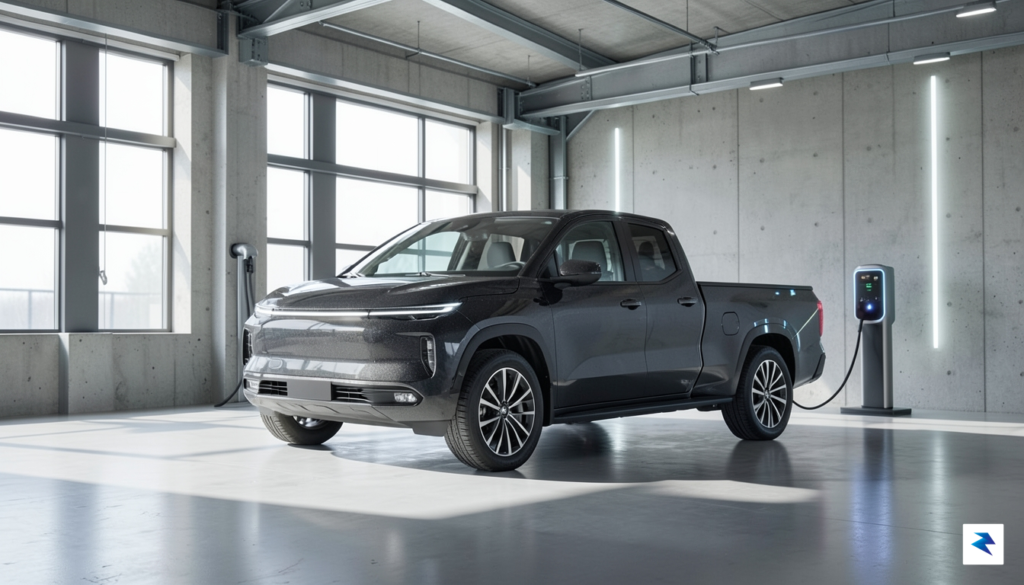
For years, the promise of an electric revolution in the pickup truck segment felt largely confined to the realm of luxury goods. Early entrants into the EV truck market prioritized massive battery packs, futuristic aesthetics, and high-performance specs that pushed prices well into the six-figure territory. While these vehicles were technological marvels, they effectively sidelined the average American driver who views a truck primarily as a workhorse rather than a status symbol. The industry seemed locked in a cycle of “more is better,” ignoring a vast demographic of contractors, small business owners, and rural residents who simply require a reliable, affordable utility vehicle that can handle daily tasks without the high overhead of gasoline.
The arrival of the Slate Auto pickup, priced at $24,950, represents a long-awaited pivot in this trajectory. This price point is not merely a number; it is a fundamental shift in strategy that prioritizes accessibility over excessive luxury. By stripping away non-essential bells and whistles and focusing on the core utility that defines the American pickup market, Slate Auto is attempting to bridge the gap between high-end innovation and the practical requirements of the working class. This development is significant because it challenges the prevailing narrative that electrification must be synonymous with premium pricing, suggesting instead that the technology has finally matured enough to serve the masses.

It is important to acknowledge that the path to this price point has not been without its complexities. When the concept of a sub-$20,000 electric truck was first floated, it ignited significant industry excitement, but the realities of the modern global economy quickly set in. Global supply chain disruptions, the rising cost of raw materials like lithium and cobalt, and general inflationary pressures necessitated a recalibration of those initial financial targets. Despite these hurdles, the final retail price of $24,950 remains a remarkable achievement in an era where the average new vehicle price has consistently climbed.
The true measure of the electric vehicle transition will not be found in the performance of luxury super-trucks, but in the widespread adoption of affordable, utilitarian models that can replace the traditional internal combustion engine in everyday work environments.
Ultimately, the move to this pricing structure reflects a mature understanding of market demand. While early adopters were willing to pay a premium for brand-new technology, the broader market requires vehicles that make fiscal sense. By acknowledging the economic pressures that forced a slight deviation from their original, more aggressive pricing goals, Slate Auto has demonstrated a level of transparency that resonates with pragmatic buyers. This transition marks the beginning of a new chapter where electric utility is no longer a luxury choice, but a viable, budget-conscious decision for the American driver.
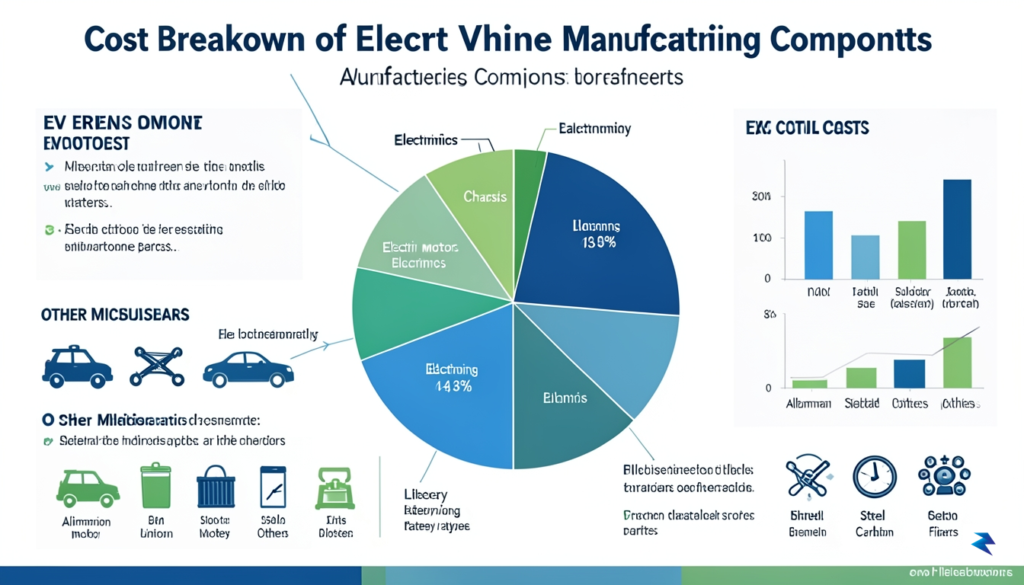
Achieving a starting price of $24,950 for an electric pickup truck is not merely a manufacturing milestone; it is a calculated disruption of the current automotive economic landscape. By positioning this vehicle well below the industry average for electric trucks, the company is effectively challenging the long-standing narrative that electrification must inherently come with a luxury price tag. This strategy relies on highly efficient modular manufacturing and a streamlined supply chain designed to mitigate the volatility of raw material costs, such as lithium and cobalt, which have historically plagued EV profitability. In an era where inflationary pressures have pushed the average new vehicle price toward the $50,000 mark, this aggressive entry-level pricing is a bold maneuver aimed at capturing the underserved segment of utility-focused buyers who have been priced out of the transition to electric mobility.
The economic feasibility of this price point is particularly notable given the shifting landscape of federal and state-level incentives. As various government tax credits become more restrictive—often tied to stringent battery sourcing requirements and domestic assembly mandates—manufacturers are finding it increasingly difficult to rely on subsidies to lower the effective cost for consumers. By building the foundation of their business model on an inherently affordable sticker price rather than a price reliant on fluctuating government rebates, the manufacturer is insulating its customers from future policy uncertainty. This approach signals a transition toward a “post-subsidy” market, where the viability of electric vehicles will be determined by genuine manufacturing efficiency rather than the availability of temporary legislative lifelines.
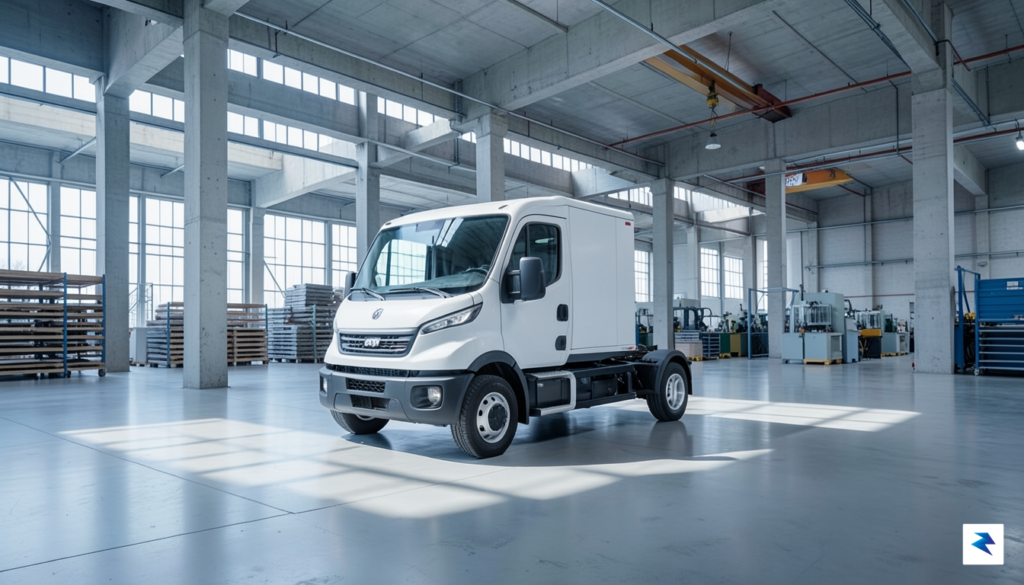
The true test of a mass-market EV isn’t its performance in a vacuum, but its ability to remain profitable while undercutting the legacy market’s entry-level internal combustion vehicles.
To understand the magnitude of this offering, one must look at the current market gap. Premium electric trucks like the Ford F-150 Lightning and the Rivian R1T have successfully demonstrated the potential of high-performance electric utility, but they often command prices ranging from $60,000 to well over $90,000. These vehicles cater to a demographic that prioritizes luxury, extreme off-road capability, and cutting-edge software features. By contrast, the $24,950 model targets the “work truck” demographic—contractors, small business owners, and rural commuters who need a utilitarian tool rather than a status symbol. This creates a functional market bifurcation: while major manufacturers battle for the high-margin, feature-rich segment, this new entry fills a critical void for affordable, reliable, and sustainable transportation that can actually handle the rigors of daily commercial and personal labor.
Ultimately, this pricing strategy forces a conversation about the democratization of electrification. If a manufacturer can successfully deliver a functional, durable truck at this price, it places immense pressure on legacy automakers to reconsider their own cost structures and assembly processes. The economic ripple effect could be substantial, potentially accelerating the retirement of older, less efficient fossil-fuel-dependent vehicles. As the industry matures, the success of this model will likely serve as a blueprint for how American-made EVs can compete globally, proving that affordability and advanced engineering are not mutually exclusive goals.
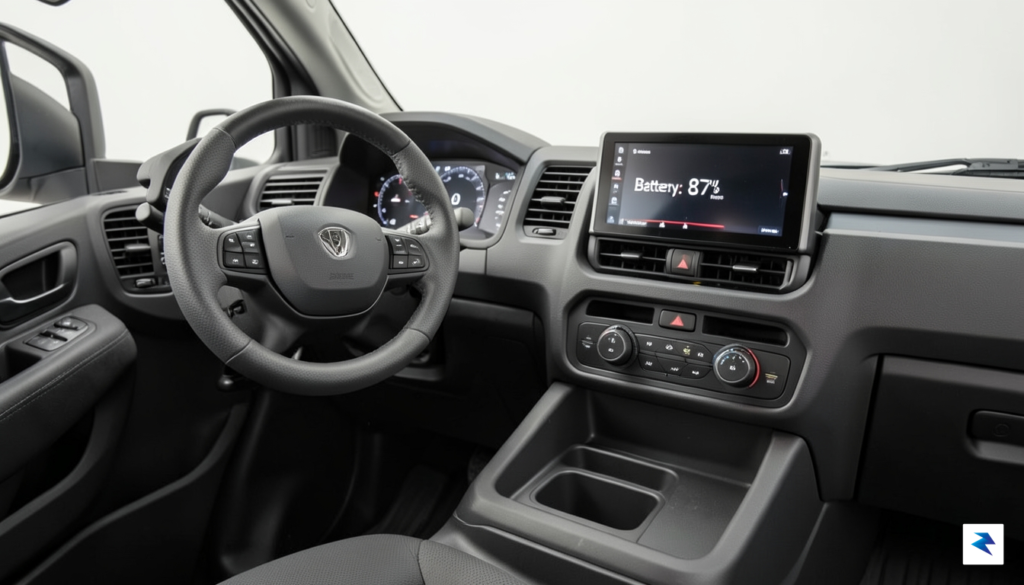
Entering the market at a sub-$25,000 price point requires a fundamental shift in how we perceive the modern electric vehicle. In an era where most EVs are marketed as rolling tech suites laden with ambient lighting, panoramic glass roofs, and complex automated driving systems, the Slate Auto pickup opts for a return to pure, unadulterated utility. This “no-frills” philosophy is not about cutting corners, but rather about intentional subtraction; by stripping away expensive, non-essential luxury components, the manufacturer is able to prioritize the core mechanical and structural integrity required for a functional work truck. For the daily driver or the tradesperson, this means the interior will likely favor durable, easy-to-clean materials like rugged plastics and heavy-duty vinyl over premium leather or soft-touch surfaces that often succumb to the wear and tear of a job site.
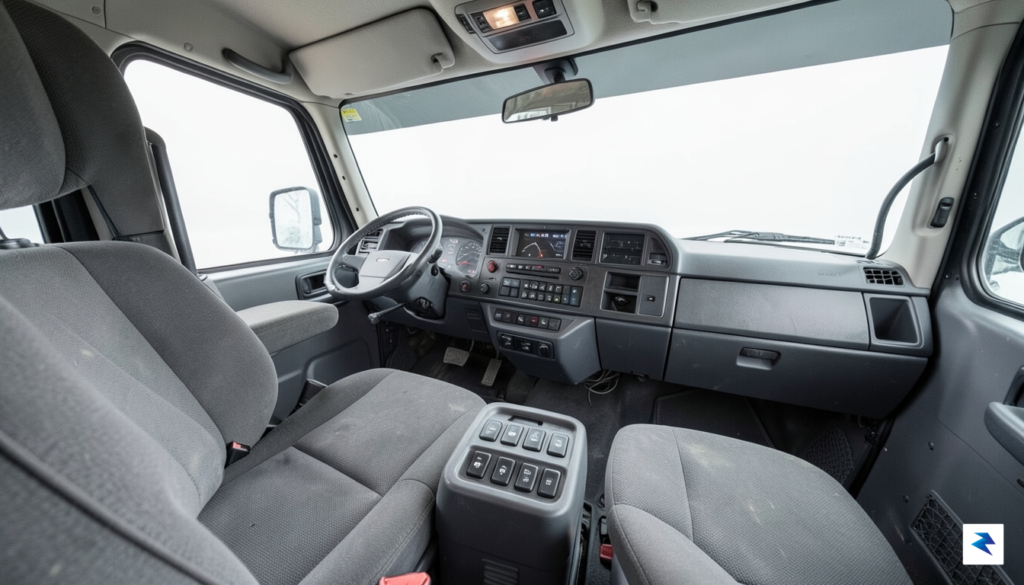
The trade-offs inherent in this price-conscious engineering extend to the digital experience as well. Consumers should anticipate a straightforward infotainment system that focuses on the essentials—connectivity for smartphones and basic vehicle diagnostics—rather than a subscription-heavy, expansive ecosystem that requires constant over-the-air updates to feel current. Similarly, the battery architecture is designed for efficiency rather than record-breaking long-distance endurance. While this may result in a more modest range compared to high-end electric competitors, it remains entirely sufficient for local hauling, regional commuting, and short-range delivery tasks. By avoiding the massive, high-density battery packs that drive up both weight and cost, the vehicle maintains a level of agility that is often lost in heavier, luxury-laden trucks.
The true value of an entry-level electric truck lies in its ability to serve as a reliable tool rather than a status symbol; it is an investment in capability that avoids the “feature creep” that inflates the price of today’s typical electric fleet.
When evaluating the vehicle’s capability, it is vital to keep expectations aligned with the reality of an affordable, utility-first design. Towing and payload capacities are calculated to handle the average workload of a private owner or small business, though they will naturally lack the “over-engineered” overhead found in six-figure electric trucks. The suspension will be tuned for load-bearing stability rather than plush, cloud-like comfort, reflecting its identity as a machine built for productivity. Ultimately, this vehicle represents a pragmatic choice for those who view a truck as a partner in labor. By focusing on the essential pillars of power, durability, and cost-effectiveness, the manufacturer has crafted an accessible entry point into the electric revolution that leaves the unnecessary vanity behind.
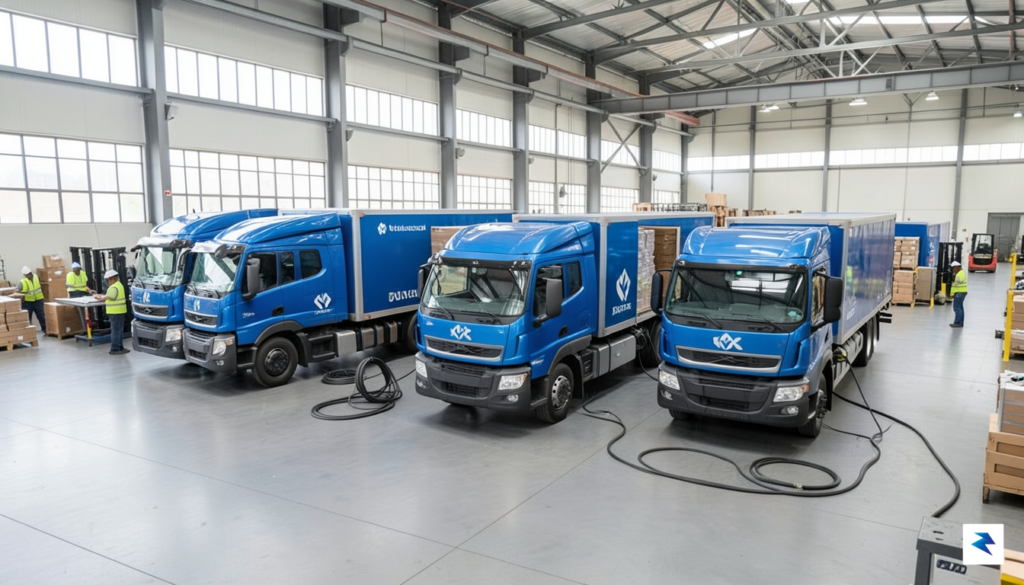
The introduction of a sub-$25,000 electric pickup truck serves as a disruptive wake-up call for an automotive industry that has largely prioritized high-margin, luxury-adjacent electric vehicles. By stripping away the unnecessary bloat of oversized touchscreens, premium leather interiors, and redundant autonomous features, Slate Auto is effectively recalibrating the baseline for what a modern utility vehicle should be. This aggressive pricing strategy forces legacy automakers to reconsider their long-term product roadmaps, which have thus far relied on the assumption that early EV adopters would tolerate premium price tags. As consumers increasingly demand practical solutions that don’t compromise their financial security, major manufacturers will likely face mounting pressure to pivot away from high-end “halo” cars and toward the high-volume, budget-conscious segment.
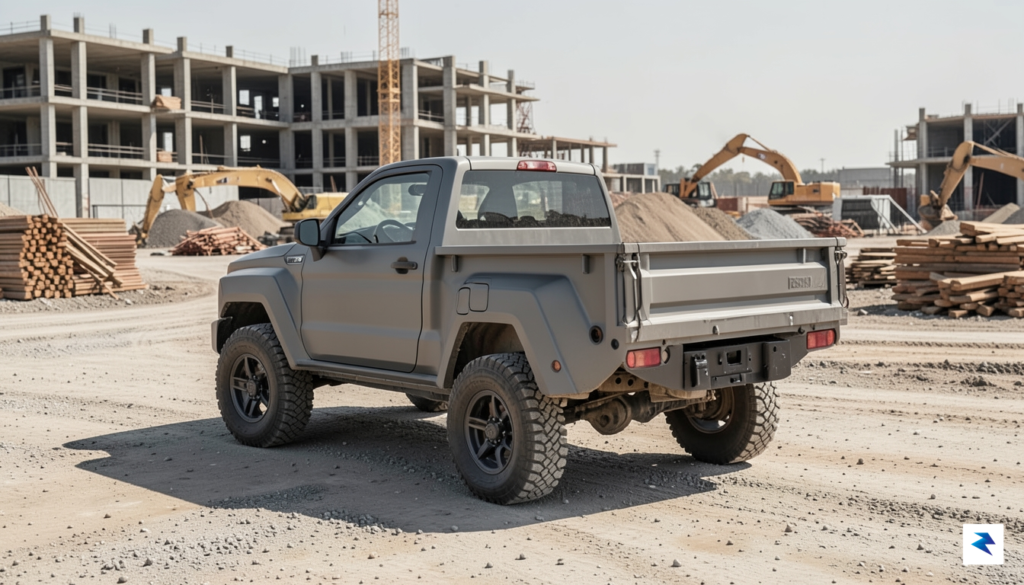
Beyond the individual consumer, this value-oriented strategy is poised to catalyze a massive shift in the commercial sector. For years, fleet managers, local contractors, and small business owners have been hesitant to transition to electric power, largely due to the prohibitive acquisition costs associated with current electric truck offerings. By providing a work-ready tool that is competitively priced against combustion-engine counterparts, Slate Auto is opening the door for widespread fleet electrification. When construction companies and utility providers can justify the purchase of electric vehicles based purely on total cost of ownership and utility rather than brand prestige, the transition to sustainable energy becomes a logical business decision rather than a performative environmental gesture.
The true success of the electric revolution will not be measured by high-end luxury models, but by how quickly we can replace the internal combustion workhorses that power our economy with affordable, reliable electric alternatives.
Furthermore, the industry ripple effect could lead to a healthy “race to the bottom” regarding manufacturing efficiency. As competition in the budget EV space intensifies, we can expect to see manufacturers innovating more aggressively in battery chemistry and modular vehicle architecture to squeeze out every cent of cost without sacrificing safety or durability. This shift toward austerity in design—prioritizing modularity, ease of repair, and essential functionality—is likely to reshape the expectations of a new generation of buyers. Ultimately, if Slate Auto can maintain this price point while delivering a reliable daily driver, they will have proven that electric mobility is not a niche luxury, but a scalable, utilitarian reality for the working class.
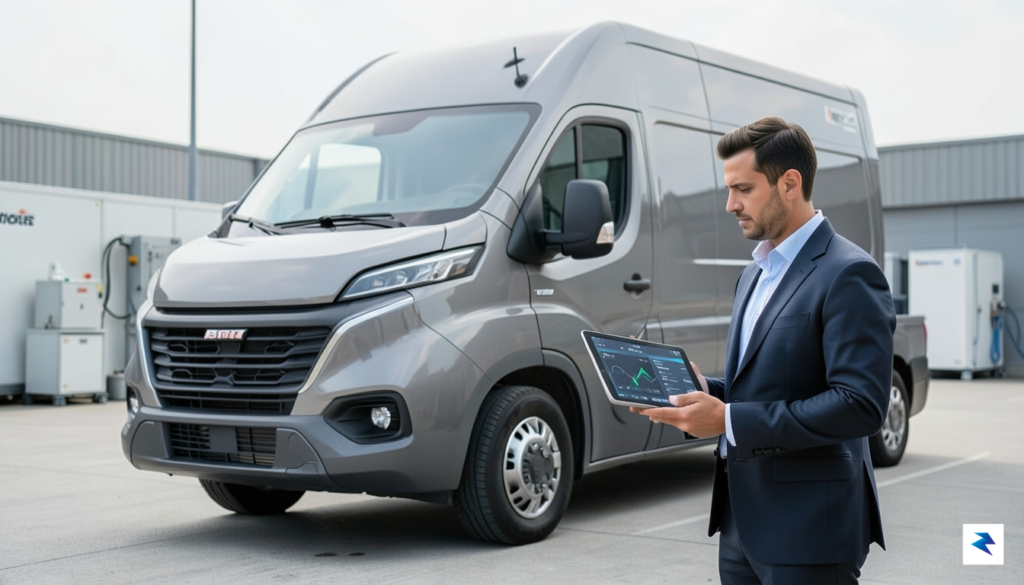
Before rushing to secure a spot in the reservation queue, it is essential to conduct a pragmatic assessment of how a budget-oriented electric pickup fits into your unique lifestyle. While the attractive entry price point of $24,950 lowers the barrier to entry for EV ownership, buyers must be realistic about the trade-offs inherent in a base-model vehicle. Start by auditing your daily driving habits; if your commute consistently pushes the limits of the vehicle’s expected range, or if you frequently require heavy-duty towing capacity that might strain an entry-level powertrain, you may find that the base model requires compromises you aren’t prepared to make. Furthermore, evaluate your current home infrastructure, as the convenience of an electric truck is fundamentally tied to your ability to install a Level 2 charger. Without reliable overnight charging, the ownership experience can quickly shift from seamless to burdensome.

Beyond daily utility, prospective owners should take a granular look at the financial ecosystem surrounding the purchase. While the upfront sticker price is undeniably compelling, it is crucial to investigate your eligibility for federal and state tax incentives, which can further offset the initial investment. However, do not let these savings blind you to long-term ownership realities. Consider the following checklist before finalizing your decision:
The true cost of a vehicle is measured over years of ownership, not just at the moment of sale. A low purchase price is a strong starting point, but it should be balanced against the vehicle’s long-term utility and its ability to remain relevant as technology evolves.
Finally, weigh the immediate benefit of a low monthly payment against the potential for “feature envy” a few years down the line. Base models often lack advanced driver-assistance systems, premium interior materials, or modular bed configurations that might be standard in higher trims or future model years. If you view this truck as a long-term tool for your business or personal life, ensure the base configuration includes the foundational capabilities you need to succeed. By meticulously balancing these strategic factors, you can determine whether this affordable entry point serves as a smart investment or a premature jump into an evolving electric market.
You must be logged in to post a comment.