
Meta Halts AI Image Feature Following Backlash Over Public Account Data
The Rise of Generative AI and Consent The digital landscape is undergoing a profound transformation, driven by the explosive growth and…
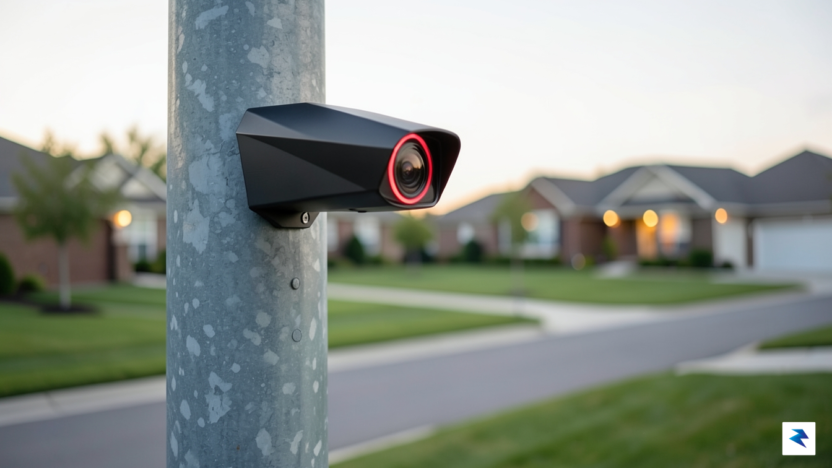
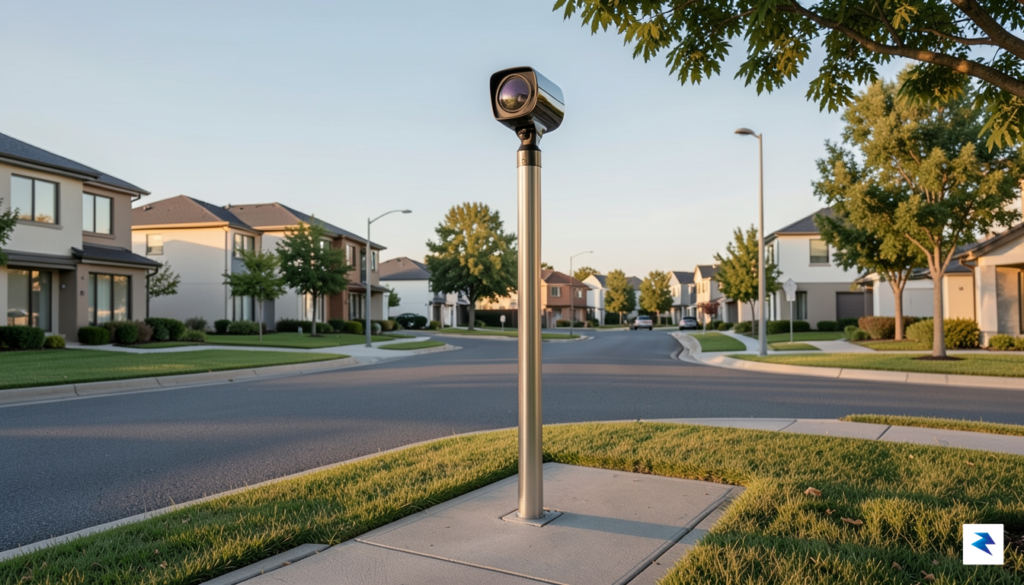
At its core, Flock Safety operates as a sophisticated network of Automated License Plate Recognition (ALPR) cameras designed to capture high-resolution images of vehicles and their occupants. Unlike traditional surveillance systems that simply record grainy footage, these devices utilize machine learning algorithms to identify specific vehicle attributes—such as make, model, color, and unique aftermarket modifications—while instantly cross-referencing license plates against databases of stolen vehicles or active warrants. This technical capability has positioned the company as a leader in municipal security, promising law enforcement agencies a powerful tool to solve crimes more rapidly and deter potential offenders through the sheer ubiquity of their monitoring presence.
However, this rapid expansion into public spaces has ignited a firestorm of criticism from privacy advocates and civil liberty organizations who argue that the technology represents a fundamental shift in the nature of mass surveillance. The primary concern lies in the transition of Flock’s ecosystem from its origins as a tool for private neighborhood security to a massive, interconnected grid integrated directly with municipal police departments. Critics contend that this creates a “dragnet” effect, where the movements of ordinary citizens are tracked, logged, and stored in a centralized system without their explicit consent or knowledge, effectively turning every street corner into a potential checkpoint.

The tension surrounding Flock Safety stems from a classic societal trade-off: the desire for increased public safety versus the preservation of individual anonymity in public spaces.
This technology has become a lightning rod for debate precisely because it challenges our traditional expectations of privacy. When a vehicle is tracked across multiple jurisdictions, the data collected can create an intimate map of an individual’s personal life, including their frequent locations, medical appointments, places of worship, and social associations. While proponents highlight successful case studies where these cameras led to the recovery of stolen property or the apprehension of violent suspects, opponents emphasize the lack of robust legislative oversight and the risk of “function creep.” As the network grows, the fear is that the data will be used for purposes far beyond its original intent, such as tracking political protesters or monitoring the movements of marginalized groups, thereby fundamentally altering the relationship between the state and the private citizen.

The controversy ignited when a lecture series in Newport Beach posted a letter from Flock Safety on social media, framing the document as an act of corporate intimidation aimed at silencing dissent. To the casual observer scrolling through an Instagram feed, the post appeared to be a classic “David versus Goliath” scenario, suggesting a powerful tech firm was using legal muscle to bully local citizens for questioning the efficacy of surveillance infrastructure. However, a closer examination of the actual document reveals a much more mundane, standard legal interaction that is common in corporate operations. Rather than targeting the opinions of the lecturers, the correspondence was rooted in the company’s efforts to protect its intellectual property and maintain the accuracy of its brand representation.

The narrative of “threatening critics” largely stems from a misunderstanding of how intellectual property law functions in the modern digital age. When a company issues a cease and desist, it is rarely an attempt to stifle public debate or infringe upon First Amendment rights; instead, it is a defensive mechanism designed to prevent the unauthorized use of proprietary assets, trademarks, or copyrighted materials. In this specific instance, the communication from Flock Safety was a request to correct specific misrepresentations regarding the company’s technology and to cease the unauthorized use of their branding in a way that could mislead the public. By conflating a demand for factual accuracy and brand protection with an assault on free speech, the viral social media reaction effectively stripped the incident of its legal context.
It is essential to distinguish between a company challenging a public policy opinion and a company defending its legal right to control its own name and branding.
Furthermore, the public outcry often ignores the procedural reality of how these letters operate within a corporate framework. Legal departments are tasked with monitoring the marketplace to ensure that their company’s tools, services, and identity are not being misused or misrepresented, as such errors can lead to long-term confusion for potential clients and the public alike. The intent behind the Newport Beach letter was not to prevent the lecture series from discussing surveillance or privacy concerns—topics which remain subject to robust public debate—but rather to ensure that the claims made about the specific hardware and software in question were grounded in reality. When we peel back the layers of viral outrage, we find that the incident was not a targeted campaign of intimidation, but rather a routine administrative request to clarify the facts and uphold the integrity of the company’s intellectual property.


The intersection of private technology companies and public oversight creates a delicate, often volatile, landscape. When corporations that contract with law enforcement attempt to manage their public image through legal pressure, they inadvertently risk triggering the “Streisand Effect,” where the very act of silencing dissent only serves to amplify it. This dynamic creates a chilling effect on public discourse, as citizens may fear that voicing concerns about privacy, data retention, or algorithm accuracy could invite a legal response. When companies prioritize reputation management over open dialogue, they risk alienating the very communities they claim to protect, transforming legitimate technical or ethical concerns into a broader debate about corporate accountability and the erosion of free speech.
Furthermore, there is a fundamental expectation in a democratic society that companies providing critical infrastructure to government entities remain open to public scrutiny. Because these technologies are increasingly integrated into the fabric of urban life, the public possesses a vested interest in questioning how such systems function, who accesses the data, and what safeguards prevent potential abuse. When a firm chooses to utilize cease-and-desist letters or aggressive legal posturing against critics, it threatens to turn a standard public debate into a high-stakes legal conflict. This approach not only discourages researchers and activists from performing necessary watchdog functions, but it also signals a lack of confidence in the technology itself; a truly robust system should be able to withstand—and even welcome—the rigors of public interrogation.
Transparency is not merely a public relations strategy; it is a prerequisite for the social contract between private tech providers and the public they monitor.
To foster long-term trust, companies in the surveillance space must establish clear ethical boundaries that differentiate between protecting intellectual property and stifling protected speech. Rather than defaulting to legal threats when criticism arises, industry leaders should lean into radical transparency, providing clear documentation and hosting forums that address technical concerns head-on. By engaging with dissent through open dialogue rather than legal intimidation, these organizations can demonstrate that they are committed to the public good rather than just their bottom line. Ultimately, the health of our civic discourse depends on the ability of citizens to raise alarms without fear, ensuring that the integration of new technology is guided by public consensus rather than corporate mandate.

For technology firms operating within the public safety sector, the challenge of maintaining a pristine corporate reputation is uniquely fraught. Unlike consumer software companies that operate in relatively private digital spheres, Flock Safety exists at the volatile intersection of municipal law enforcement, private property rights, and individual civil liberties. This positioning necessitates a precarious balancing act; the company must satisfy the operational needs of police departments while simultaneously addressing the valid, often deep-seated skepticism of taxpayers who worry about the erosion of privacy. When a company’s primary product is the collection of data on public movement, every corporate communication is scrutinized through a lens of suspicion, leaving the brand vulnerable to intense public fallout whenever a misunderstanding or policy enforcement action occurs.
The surveillance technology sector is held to a significantly higher standard of transparency than typical SaaS companies, and for good reason. Because these tools are integrated into the fabric of public life and governance, citizens feel a heightened sense of ownership over the policies that dictate their use. When viral misinformation spreads—such as the recent, unfounded claims that the company was threatening individuals for engaging in public debate—it can do lasting damage to a brand’s credibility before the truth even has a chance to catch up. Corporate PR strategies in this space often struggle to combat these narratives because a simple denial is rarely enough to satisfy an audience that is already primed to expect the worst from surveillance providers.

To navigate this minefield, the company has had to pivot toward a more aggressive stance on public education and policy clarity. By proactively releasing white papers, legal documentation, and clear usage guidelines, they attempt to replace the vacuum of information that often fuels viral rumors with hard, verifiable data. However, the responsibility for maintaining an informed public discourse does not rest solely on the shoulders of the corporation. As consumers and observers, it is vital to develop a healthy skepticism that is backed by rigorous fact-checking rather than emotional reaction.
When encountering inflammatory claims about surveillance companies, readers should follow a few essential steps to verify the information before sharing it:
The goal of public transparency is not to create a brand that is immune to criticism, but to provide a clear, factual baseline that allows for genuine, productive debate about the role of technology in our communities.
Ultimately, the reputational health of a surveillance company depends on its ability to withstand constant, microscopic public scrutiny without resorting to opaque or reactionary measures. By prioritizing transparency and inviting rigorous third-party analysis, firms can help distinguish between legitimate concerns regarding privacy and the noise of misinformation that threatens to derail meaningful public dialogue.

As the integration of automated license plate recognition and advanced surveillance tools becomes increasingly commonplace, the discourse surrounding public safety must shift from reactive, social-media-driven alarmism toward proactive, evidence-based policy. When communities face the prospect of implementing new surveillance infrastructure, the debate often becomes polarized by viral misinformation or sensationalist claims. To move beyond this cycle, stakeholders—including local officials, tech providers, and the public—must commit to a framework rooted in transparency and clearly defined legal parameters. The path forward requires a transition from viewing technology as a “set-it-and-forget-it” security solution to recognizing it as a powerful tool that necessitates ongoing, rigorous administrative oversight.

Meaningful community consent is the cornerstone of responsible technology adoption. Rather than relying on vague promises of safety, citizens should demand that their local councils hold public hearings where the specific capabilities, data retention policies, and privacy guardrails of proposed systems are scrutinized. Residents should feel empowered to ask pointed questions regarding these contracts: Who exactly owns the data collected? How long is it stored, and under what specific conditions can it be shared with third-party agencies? Furthermore, what mechanisms are in place to audit the use of these systems to ensure they are not being misused? By normalizing these inquiries, communities can establish a healthy baseline of accountability that protects both public safety and individual privacy rights.
True public safety is not achieved by sacrificing civil liberties, but by ensuring that the tools designed to protect the community are governed by the very laws they are meant to uphold.
Ultimately, achieving a sustainable balance requires a move toward localized legislative oversight that is both responsive and adaptive. Technology evolves far faster than the legal frameworks that govern it, which makes it essential for city governments to implement sunset clauses and periodic review cycles for all surveillance contracts. This ensures that if a technology fails to deliver on its promises or begins to infringe upon the expectations of privacy held by the public, the community retains the leverage to terminate or overhaul the program. By fostering a culture of informed skepticism and active participation, citizens can ensure that the future of public safety tech is defined by democratic consensus rather than unilateral implementation, safeguarding the delicate equilibrium between secure neighborhoods and a free society.
You must be logged in to post a comment.