Inside OpenAI: What Recent Leadership Changes Mean for AI Safety
The Evolution of OpenAI's Safety Architecture In its infancy, OpenAI operated under a research-first philosophy, where the primary…
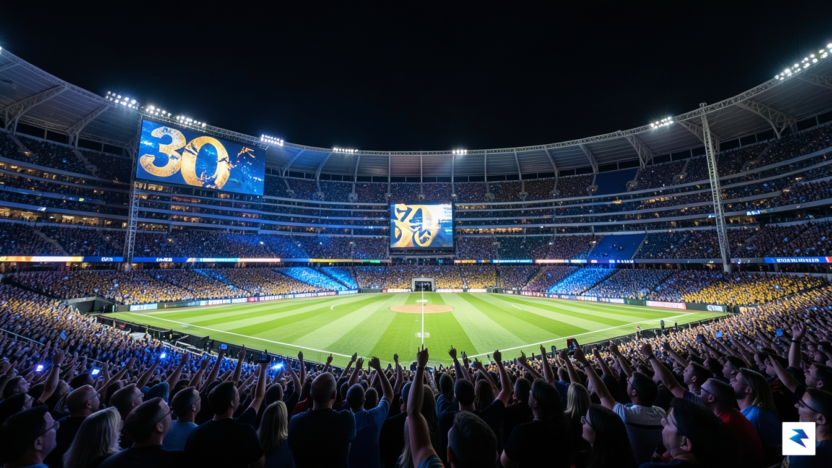
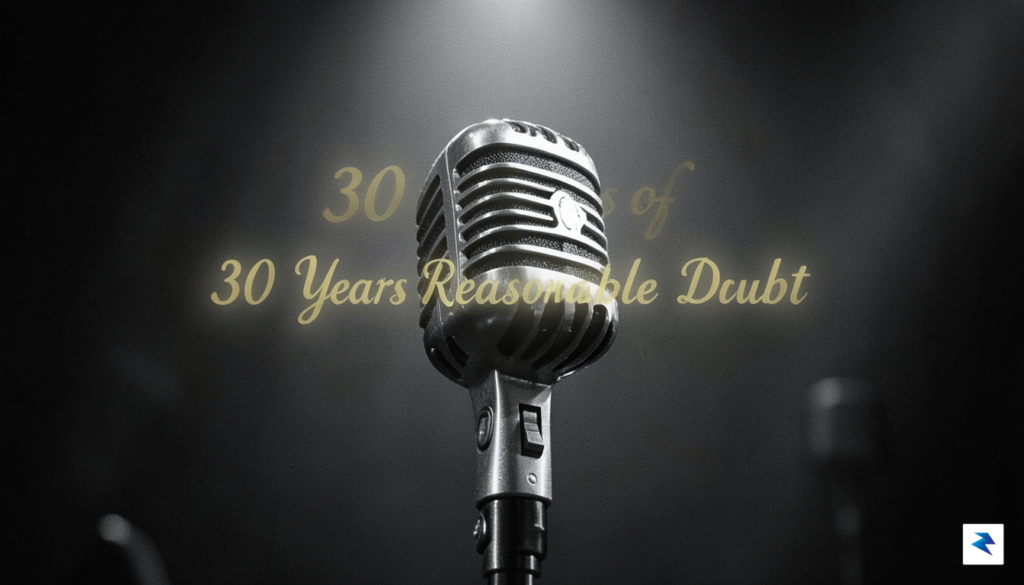
Thirty years ago, a debut album dropped that would not only redefine a genre but also lay the groundwork for one of the most remarkable careers in music history. Jay-Z’s “Reasonable Doubt,” released in 1996, stands today as an undeniable cornerstone of hip-hop, a meticulously crafted mosaic of street wisdom, entrepreneurial ambition, and unparalleled lyrical dexterity. Its recent anniversary celebration at Yankee Stadium was far more than a mere concert; it was a profound cultural pilgrimage, a collective journey back to the genesis of a mogul whose influence now spans music, fashion, spirits, and technology. This monumental event served as a powerful homage to an album that continues to resonate deeply with generations, proving its timeless appeal and foundational significance.
Upon its initial release, “Reasonable Doubt” carved out a distinct lane in a rap landscape dominated by the burgeoning East Coast-West Coast rivalry and the rugged narratives of gangsta rap. While others were painting broad strokes of street life, Jay-Z offered a more nuanced, introspective, and aspirational perspective on the hustle. His intricate storytelling, delivered with a cool confidence and a sophisticated flow, detailed the complexities of street economics and the dreams of escaping them, presenting a blueprint for a different kind of success. This debut was praised for its mature themes, sophisticated production, and a lyrical honesty that felt both raw and polished, immediately distinguishing Shawn Carter as a singular voice.
The album is not just a collection of tracks; it is the definitive origin story of Shawn Carter’s transformation into Jay-Z, the global icon. From the very beginning, “Reasonable Doubt” was an independent endeavor, a testament to his self-belief and business acumen, co-founding Roc-A-Fella Records to release his vision on his own terms. This audacious move foreshadowed the empire he would meticulously build over the next three decades, evolving from a street-savvy lyricist into a billionaire entrepreneur, philanthropist, and cultural tastemaker. The album encapsulates the very essence of his journey, showcasing the grit, intelligence, and ambition that would propel him from the Marcy Projects to the boardrooms of global enterprises, all while remaining authentically himself.
Celebrating this seminal work in the heart of New York City, particularly at the iconic Yankee Stadium, imbued the anniversary with an unparalleled emotional resonance. New York is not merely Jay-Z’s hometown; it is intrinsically woven into the fabric of “Reasonable Doubt,” with its streets, aspirations, and struggles serving as the album’s vivid backdrop. To witness thousands gather in the Bronx, just a stone’s throw from the neighborhoods that shaped his early life and career, felt like a homecoming on an epic scale. This specific album, with its tales of Brooklyn hustles and big city dreams, found its most fitting tribute in the very metropolis that inspired its creation, solidifying the unbreakable bond between artist, art, and environment.
In essence, the anniversary spectacle was a living testament to “Reasonable Doubt’s” enduring legacy and its profound impact on popular culture. It was an acknowledgment that some albums transcend their musical form to become cultural touchstones, defining moments for both an artist and an era. Attendees weren’t just experiencing a concert; they were participating in a collective affirmation of hip-hop history, celebrating the initial spark that ignited a monumental career. This event underscored why “Reasonable Doubt” remains not just a great album, but a vital historical document, continually inspiring new generations to dream bigger, hustle harder, and craft their own enduring legacies.
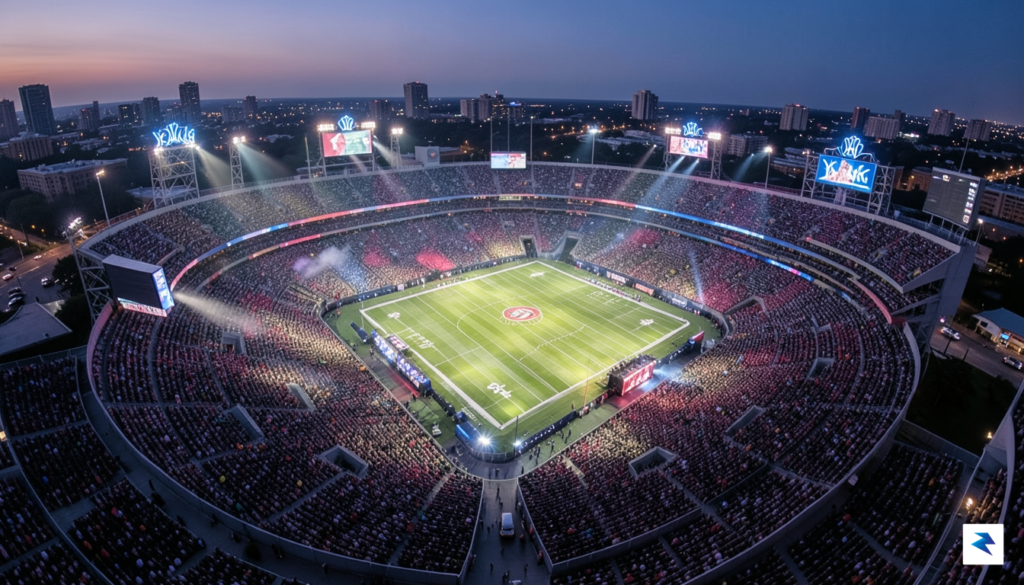
Executing a concert of this magnitude within the historic confines of Yankee Stadium is a logistical feat that borders on the impossible, requiring the kind of military-grade precision usually reserved for global summits. Transforming a premier baseball diamond into a world-class amphitheater involves more than just setting up a stage; it necessitates a sophisticated dance of engineering, structural reinforcement, and acoustic calibration. The production team had to navigate the delicate balance of preserving the stadium’s integrity while creating an immersive environment capable of housing a multi-generational lineup of rap royalty. Every truss, lighting rig, and speaker array had to be meticulously mapped to ensure that the sonic experience remained crisp, regardless of whether the listener was in the front row or the highest tier of the bleachers.
The true triumph, however, lay in what industry insiders refer to as the “security of silence.” Maintaining absolute secrecy for an event of this caliber in a city as plugged-in as New York is a monumental challenge, demanding non-disclosure agreements that spanned hundreds of crew members, vendors, and venue staff. By utilizing encrypted communication channels and compartmentalizing rehearsal schedules, the production team ensured that no single person had the full picture of the night’s surprises until the moment they walked onto the stage. Secret rehearsals were held in darkened, off-site warehouses under the cover of night, ensuring that even the local neighborhood buzz couldn’t leak the star-studded guest list that would eventually define the night.
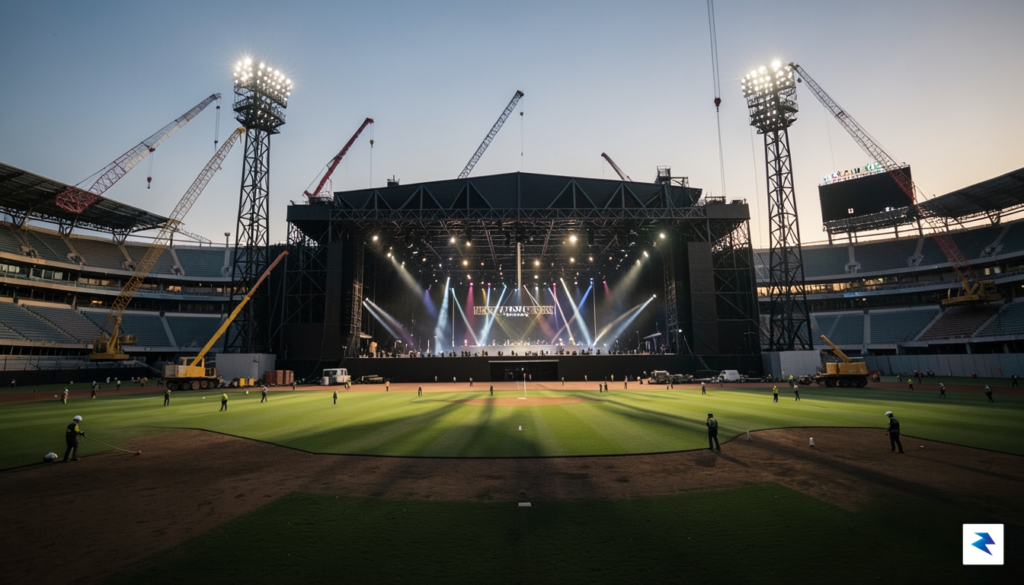
The complexity of the operation was not just in the hardware, but in the psychological discipline required to keep thousands of moving parts perfectly synchronized without a single premature leak.
Beyond the secrecy, the stage design itself was an engineering marvel, specifically curated to accommodate a diverse array of artists who have defined the last three decades of hip-hop. The audio engineering team faced the daunting task of blending classic analog-style vocal performances with modern, bass-heavy production, requiring a custom-built, distributed sound system that could handle rapid transitions between decades of musical evolution. To achieve this, engineers implemented a seamless “rolling stage” system, allowing artists to transition in and out without interrupting the flow of the evening. This level of technical agility allowed the show to move from intimate, stripped-back verses to explosive, full-band anthems without a single hitch, proving that behind the glamour of a surprise-filled setlist lies a foundation of exhaustive planning and technical mastery.
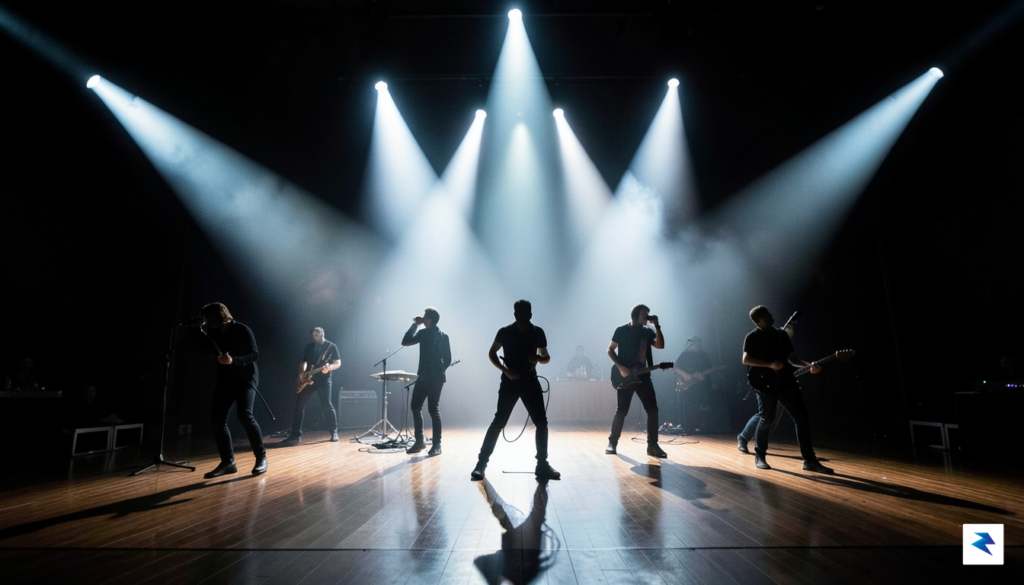
The hallmark of a truly transcendent Jay-Z performance has always been his ability to transform a standard concert into a living, breathing timeline of New York City’s cultural evolution. By curating a guest list that felt less like a series of cameos and more like a summit of hip-hop royalty, the show became an experiential masterclass in East Coast dominance. When the stage lights hit and the first chords of a surprise anthem rang out, it became clear that this wasn’t just a career retrospective; it was a testament to the collaborative spirit that built the modern soundscape of the boroughs.
Perhaps the most poignant moment of the evening was the appearance of Nas, a figure whose history with Jay-Z is etched into the bedrock of rap folklore. Their shared presence on stage served as a definitive closing chapter on a rivalry that once defined the early 2000s, replacing old tensions with a profound display of mutual respect and seasoned brotherhood. Seeing them trade bars in front of a roaring crowd was not merely a nostalgic exercise; it was a symbolic bridge between two titans who have both successfully transitioned from young challengers to the elder statesmen of the genre. Their chemistry was palpable, proving that while they may have once competed for the throne, they now share a legacy that is inextricably linked.
The narrative arc of the show was further elevated by the inclusion of Alicia Keys and Beyoncé, whose contributions shifted the energy from the gritty street corners of Brooklyn to the soulful, polished heights of global superstardom. Alicia Keys brought a touch of New York elegance, grounding the performance in the piano-driven anthems that have become the city’s unofficial soundtrack. When Beyoncé joined the fray, the energy shifted into a different stratosphere entirely. Her appearance underscored the power dynamic of the evening, showcasing a partnership that transcends music and represents the pinnacle of modern cultural influence. These performances did more than just satisfy the audience’s appetite for hits; they contextualized the intricate history of New York R&B and rap, reminding everyone that these genres were forged in the same creative furnace.
The true magic of the guest list wasn’t found in the star power alone, but in how each artist acted as a connective tissue between the different eras of Jay-Z’s thirty-year career.
Ultimately, these carefully selected appearances turned a single stage into a museum of sound. By weaving together the street-hardened narratives of Nas with the soulful, melodic brilliance of Keys and the unmatched spectacle of Beyoncé, the event effectively mapped the DNA of New York music. It was a masterclass in curation, proving that the art of the surprise is not just about the shock of an unannounced entrance, but about the deeper, historical resonance that follows when legends stand together to celebrate a shared journey.
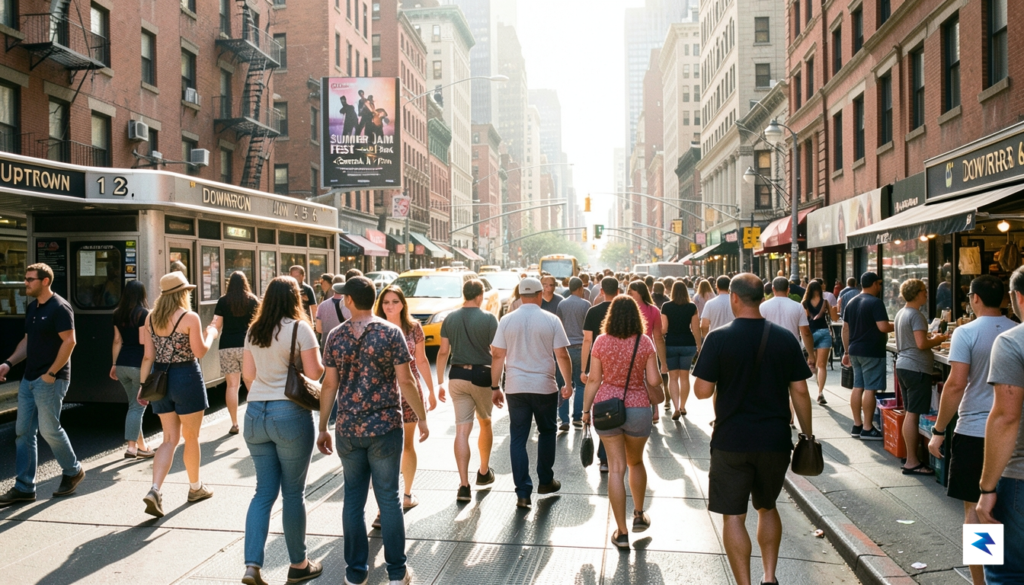
The atmosphere in New York throughout the summer of 2026 felt different—a palpable shift from the tentative recovery of previous years into a season of unbridled, kinetic energy. It was a summer defined by the return of the city’s legendary swagger, where the humid air seemed to vibrate with a renewed sense of possibility. Amidst the pop-up street festivals and the late-night resurgence of the jazz scene, the city needed a singular, unifying moment to crystallize this collective mood. Jay-Z’s surprise performance did more than just provide entertainment; it acted as a massive cultural anchor, grounding the scattered, high-octane energy of the five boroughs into one singular, historic experience that will likely define the city’s narrative for years to come.
Large-scale cultural events are rarely just about the music or the performance; they function as potent catalysts for urban morale. When a figure of such magnitude commands the stage, the event ripples outward, transforming the local economy and the social fabric of the surrounding neighborhoods. For those few hours, the usual divisions of the city—the transit delays, the rising costs of living, and the daily grind—were suspended in favor of a shared identity. This morale boost was essential for a city that had spent months rediscovering its footing. It reminded every New Yorker, from the Bronx to the Battery, that the city remains the undisputed epicenter of global culture, a place where legends are made and history is written in real-time.
“Great performances in this city don’t just happen; they change the frequency at which the entire metropolis operates. You could feel the pulse of New York sync up with the beat of the show.”
Beyond the social euphoria, the economic impact of such a massive undertaking served as a vital injection for the city’s hospitality and transit sectors. Restaurants, bars, and local retailers experienced a surge in activity that mirrored the bustling days of peak tourism, proving that New York’s cultural magnetism remains its most valuable asset. The logistical feat of orchestrating such a surprise show required seamless cooperation between municipal leaders, private promoters, and the community, setting a new benchmark for how the city can handle spontaneous, high-profile gatherings. By successfully anchoring the season with this event, New York didn’t just host a concert; it staked a claim on the future, signaling that the summer of 2026 was not merely a return to normalcy, but an evolution into something bolder and more vibrant.
The transformation of Jay-Z from a hungry lyricist performing in smoke-filled, intimate clubs to a titan of industry commanding sold-out stadiums is more than just a narrative of commercial success; it is a profound evolution of the hip-hop medium itself. In the early 1990s, the blueprint for a rap show was largely defined by raw energy and minimalist staging, often relying on little more than a DJ and a microphone to anchor the crowd. Today, Shawn Carter has effectively redefined the “stadium rapper” as a legitimate, high-stakes art form, merging the visceral grit of street-corner poetry with the intricate, polished production values of a Broadway spectacle or a symphony orchestra.
This recent surprise performance served as a definitive masterclass in stage presence, illustrating how Jay-Z has mastered the art of pacing, silence, and engagement. Unlike his contemporaries who often rely on frenetic movement to keep an audience’s attention, Jay-Z operates with a deliberate, almost conversational ease that suggests he is not just performing for the stadium, but having a private moment with every single fan in the rafters. By integrating live instrumentation and carefully curated setlists that span three decades of cultural impact, he has elevated his live shows into a cohesive narrative experience. It is this transition from a traditional rapper to a seasoned bandleader that cements his status as a permanent fixture in the pantheon of live performance greats, placing him alongside legendary rockers who command arenas with nothing but charisma and a catalog of anthems.
The true mark of a stadium-level artist is the ability to shrink a massive, cavernous space into something that feels intensely personal and immediate.
Ultimately, this concert signals that Jay-Z’s creative output is far from static; rather, it is in a constant state of refinement. As he moves deeper into a career that has already defied the traditional shelf life of a hip-hop artist, he continues to treat the stage as a laboratory for his own legend. This latest performance wasn’t merely a victory lap for past hits; it was a bold statement on the endurance of his artistry and a clear indication that his future creative endeavors will likely continue to push the boundaries of what a rapper can achieve on the global stage. By bridging the gap between the underground origins of his sound and the orchestral heights of his current presentation, Jay-Z has ensured that his influence will remain woven into the very fabric of live music for decades to come.
You must be logged in to post a comment.