Why Goldman Sachs Is Banning Employee Prediction Market Trading
The Rise of Prediction Markets in Finance For years, prediction markets existed primarily as niche experiments—digital playgrounds for…
For decades, Volkswagen stood as the undisputed titan of the Chinese automotive landscape, a position cemented in 1984 when the German automaker became one of the first foreign companies to establish a foothold in the country through a landmark joint venture. As a pioneer in local manufacturing, Volkswagen did more than just sell cars; it helped build the foundational infrastructure of China’s modern automotive industry. For millions of Chinese families, a Volkswagen sedan became the definitive status symbol, representing reliability, prestige, and the promise of a burgeoning middle-class lifestyle. This deep-rooted legacy allowed the brand to enjoy an almost unchallenged dominance, maintaining a market share that most global rivals could only envy.

However, the recent announcement of significant production cuts marks a sobering inflection point for the brand, signaling that its historical pedigree is no longer a shield against shifting market winds. Sales figures in China, which was long considered the company’s most vital engine for global growth, have plummeted as the domestic appetite for internal combustion engines wanes. This decline is not merely a temporary fluctuation; it reflects a tectonic shift in consumer sentiment. Today’s Chinese buyers are increasingly turning toward domestic champions like BYD and a host of nimble, tech-centric electric vehicle startups that offer integrated smart features, advanced autonomous driving capabilities, and aggressive price points that legacy manufacturers struggle to match.
In this new reality, Volkswagen’s long-standing status as a legacy leader has paradoxically transformed into a significant liability. While the brand’s reputation for mechanical engineering was its greatest asset for thirty years, it now finds itself burdened by the inertia of traditional manufacturing processes and a software-defined market that demands rapid, iterative updates. The company is currently caught in an uphill battle to pivot its massive infrastructure toward a digital-first approach while attempting to maintain its identity in a country that is moving faster than the German boardroom anticipated.
The challenge for Volkswagen is not just about producing vehicles; it is about proving that a legacy brand can shed its skin to survive in a market that prioritizes software agility and electrification over traditional powertrain performance.
The significance of these production cuts cannot be overstated, as they represent a strategic retreat to balance inventory against a reality where the “Volkswagen” badge no longer carries the same weight of aspiration it once did. As the company recalibrates its presence in China, it must navigate the difficult transition from being a market incumbent to an underdog fighting for relevance in a landscape that has fundamentally outpaced its traditional strengths.
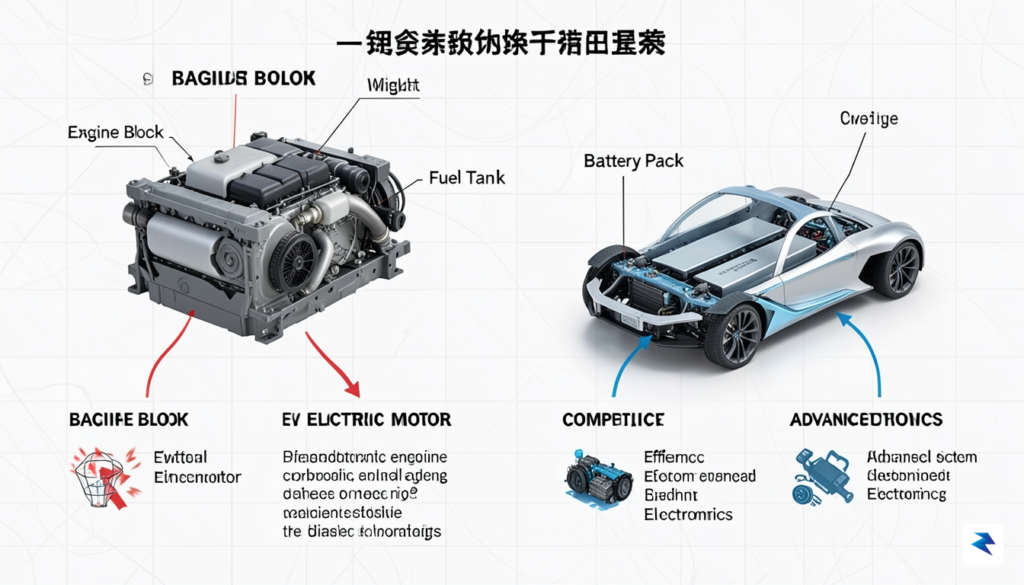
The landscape of the Chinese automotive market has undergone a seismic shift, evolving from a global manufacturing outpost into an aggressive, innovation-driven powerhouse. For decades, established legacy automakers like Volkswagen relied on their brand prestige and combustion engine expertise to dominate the region. However, the rapid ascent of domestic giants such as BYD, NIO, and the sudden, high-tech entry of companies like Xiaomi has fundamentally rewritten the rules of competition. These local champions are no longer merely followers replicating Western designs; they are now setting the global pace for battery efficiency, rapid vehicle iteration, and sophisticated software integration.
Central to this transformation is the strategic advantage of vertical integration. BYD, for instance, controls nearly every aspect of its supply chain, from the raw materials required for lithium-iron-phosphate (LFP) batteries to the semiconductors that power the vehicle’s brain. By internalizing these critical components, domestic brands have insulated themselves from the global supply chain volatility that frequently plagues traditional manufacturers. This autonomy allows them to slash production costs and bring new models to market at a velocity that leaves legacy rivals struggling to keep pace. While a traditional European manufacturer might take several years to overhaul a vehicle’s digital architecture, Chinese firms have perfected the ability to push over-the-air (OTA) software updates every few weeks, ensuring that their cars remain as current as a smartphone.
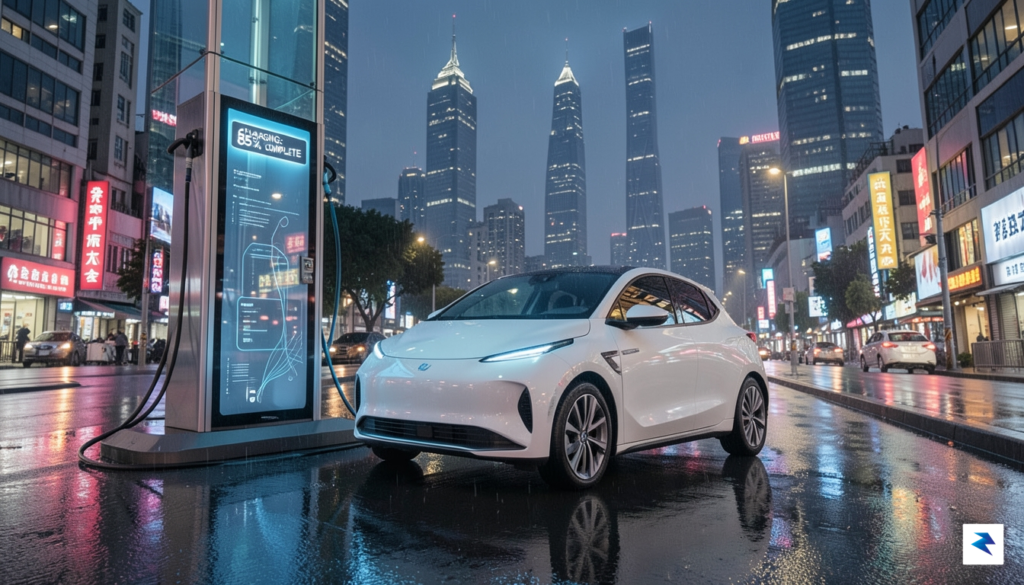
The competitive edge of companies like NIO and Xiaomi lies in their deep understanding of the Chinese consumer’s expectations, which prioritize high-end connectivity and autonomous features over traditional mechanical heritage. NIO has pioneered unique infrastructure solutions, such as battery-swapping stations, which effectively eliminate range anxiety for urban commuters. Meanwhile, Xiaomi—a newcomer that leveraged its massive ecosystem of consumer electronics—has successfully integrated its vehicles into a broader digital lifestyle, offering seamless connectivity that makes a vehicle feel like an extension of one’s home or office. This approach resonates deeply with a younger, tech-savvy demographic that views the car as a mobile living space rather than a simple mode of transportation.
The success of domestic brands is less about lower prices and more about a fundamental misalignment between what legacy automakers offer and what the modern Chinese consumer demands in terms of digital experience.
Furthermore, this rise is bolstered by robust government backing, which has funneled massive investment into national charging infrastructure and research and development initiatives. This state-level commitment has cultivated a fertile environment where innovation is rewarded and rapid growth is the standard. As these domestic brands continue to refine their autonomous driving stacks and artificial intelligence capabilities, they are increasingly positioning themselves as the architects of the future mobility ecosystem. For legacy players, the challenge is no longer just about building a better car, but about competing with a dynamic, software-first culture that moves with relentless speed.
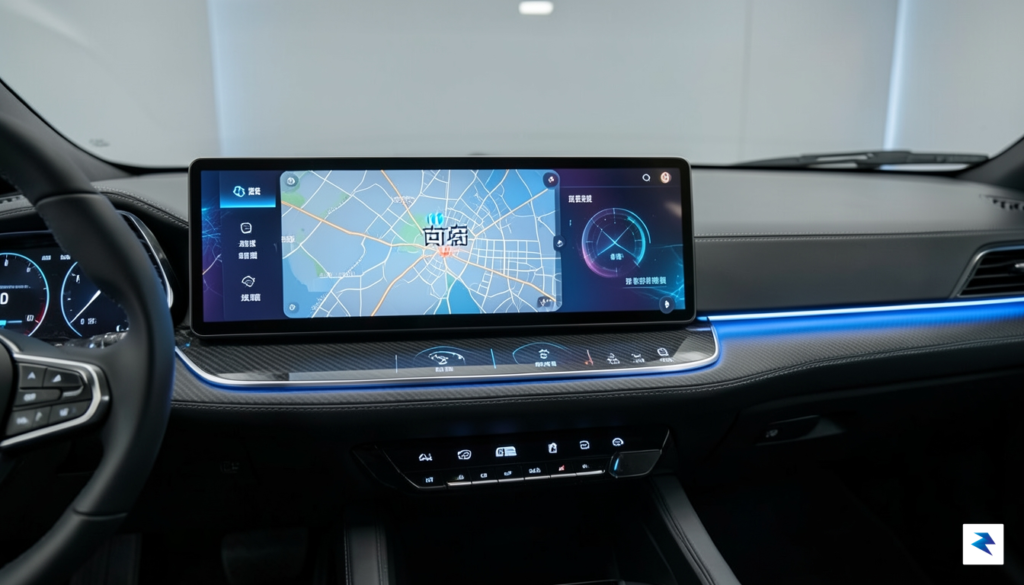
The landscape of the Chinese automotive market has shifted from a battle of brand prestige to a ruthless race for technological superiority and pricing agility. For decades, a Volkswagen badge served as a shorthand for quality and social status, but that currency is rapidly devaluing in an environment where the “in-car experience” has become the primary purchase driver. Today’s Chinese consumer, particularly in the younger demographic, views a vehicle less as a mechanical appliance and more as a high-performance extension of their smartphone ecosystem. While legacy manufacturers have focused on refining steel, powertrains, and traditional chassis dynamics, local EV powerhouses like BYD, Nio, and Xpeng have pivoted entirely toward software-defined mobility.
This shift has triggered a punishing price war that traditional European automakers are finding increasingly difficult to navigate. Local Chinese manufacturers benefit from deeply integrated supply chains and a domestic cost structure that allows them to produce cutting-edge EVs at margins that would be unthinkable for an automaker burdened by the legacy costs of combustion engine infrastructure. Consequently, a consumer can now walk into a showroom and purchase a vehicle packed with premium digital features for a fraction of what a comparable German model costs. The price-to-feature ratio has tilted so heavily in favor of local brands that the traditional “European premium” is no longer perceived as a value proposition, but rather as an unnecessary markup for outdated technology.
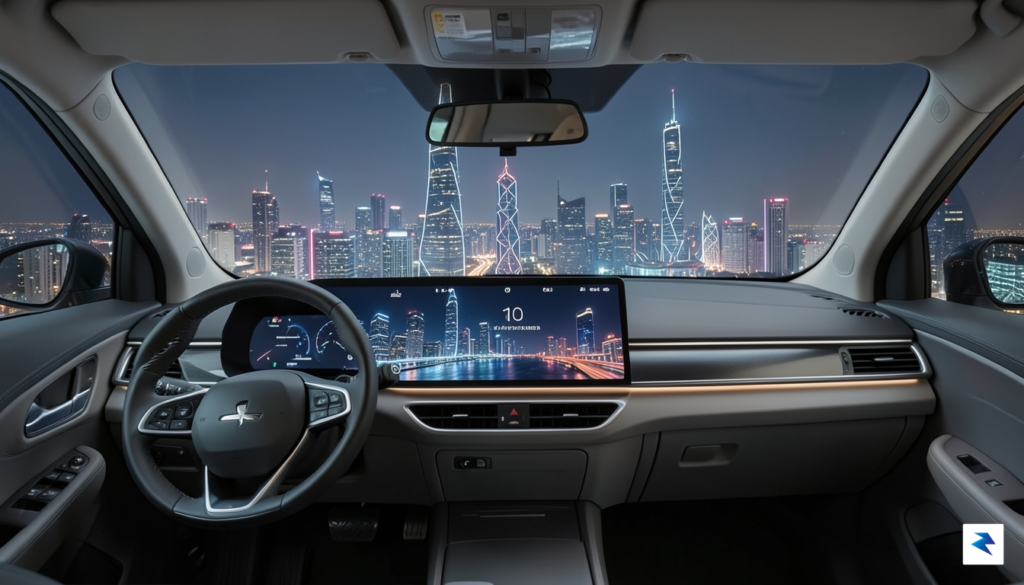
The competitive gap is no longer defined by how well a car drives, but by how seamlessly it integrates into the user’s digital life.
Beyond the sticker price, the definition of “standard equipment” has undergone a complete metamorphosis. The modern buyer in Beijing or Shanghai expects more than just cruise control; they demand sophisticated AI-powered voice assistants that can control everything from seat temperature to stock portfolios, autonomous parking capabilities that handle the complexities of crowded urban garages, and robust over-the-air (OTA) update systems that ensure the car feels brand new years after purchase. Volkswagen’s struggle to harmonize its complex, fragmented software architecture with these rapid-fire consumer demands has created a significant “tech gap.” While local competitors push daily software deployments to satisfy user requests, legacy brands often find themselves tethered to cumbersome development cycles that fail to keep pace with the hyper-connected expectations of the modern Chinese market.
To remain relevant, Volkswagen is now forced to reconcile its historical manufacturing strengths with the reality that software is the new engine. The challenge is not just about reducing costs, but about fundamentally restructuring the vehicle development process to favor agility over the traditional multi-year iteration cycles. Unless legacy automakers can bridge the divide between their reliable hardware and the software-centric demands of the Chinese consumer, the price war will continue to erode their market share, leaving them to defend a shrinking segment of the market that prioritizes brand nostalgia over digital utility.

To reverse its sliding market share, Volkswagen has initiated a fundamental transformation under the banner of its “In China, for China” strategy. This pivot represents a significant departure from the company’s historical approach, which relied on exporting German-engineered platforms to the East with minimal modification. Recognizing that the Chinese consumer now demands a digital-first experience that legacy automakers often struggle to provide, VW is aggressively localizing its entire value chain. By empowering regional teams to make independent decisions, the automaker aims to bypass the bureaucratic sluggishness that has historically plagued its headquarters in Wolfsburg, effectively shortening the development cycle for new models to compete with the rapid-fire innovation of domestic rivals like BYD and Xiaomi.
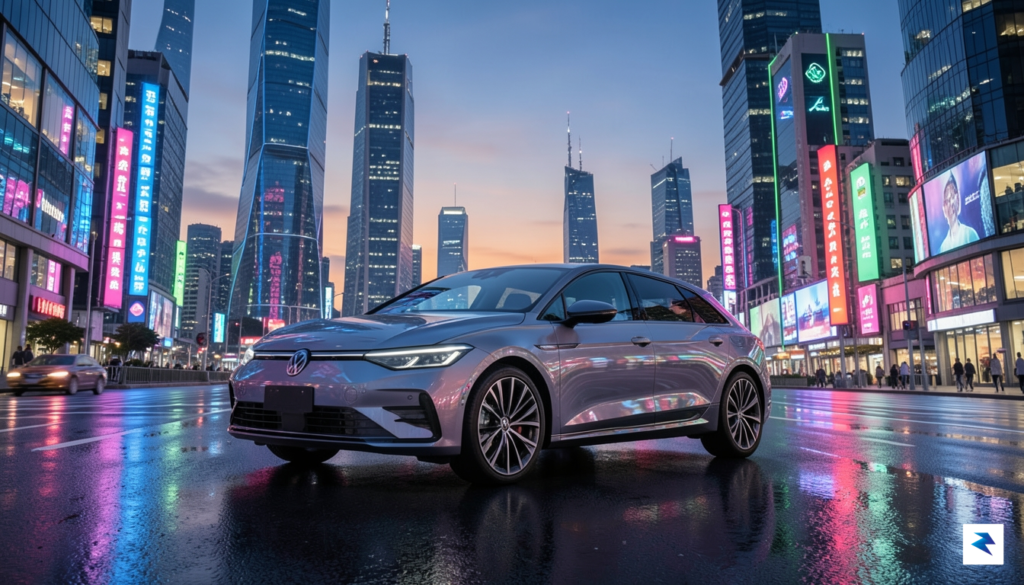
A core pillar of this strategic realignment is the company’s deepening integration with local technology leaders, most notably its multi-billion dollar investment in Xpeng Motors. By co-developing electric vehicle architectures, Volkswagen is essentially “buying” the agility and software sophistication it failed to cultivate internally. This partnership is designed to bridge the gap in autonomous driving capabilities and smart cockpit features, areas where Chinese tech giants have set a blistering pace. Furthermore, the establishment of massive R&D hubs, such as the 100% VW-owned VDI (Volkswagen Group China Technology Company) in Hefei, signals a commitment to embedding deep engineering resources directly within the Chinese ecosystem. This shift ensures that future vehicles are designed not just with local hardware preferences in mind, but with the specific software ecosystems—like Baidu and Tencent integrations—that Chinese drivers consider essential.
The challenge for Volkswagen is no longer about the quality of its steel or the precision of its engines, but the speed of its code. The company must successfully transition from a traditional manufacturing powerhouse into a software-defined mobility provider.
However, the real test lies in the immense difficulty of cultural integration. Shifting a corporate culture steeped in decades of rigorous, slow-moving traditional engineering toward the “agile” software development mindset required for modern EVs is a gargantuan task. While the company is pouring capital into its digital arm, CARIAD, it continues to face friction between its German engineering heritage and the necessity for rapid, iterative updates that characterize the domestic Chinese market. Successfully regathering momentum will require more than just financial investment; it will require Volkswagen to fundamentally change how it views the car—not as a finished product leaving a factory, but as a living piece of software that must evolve daily to stay relevant in an increasingly crowded and sophisticated market.

The erosion of Volkswagen’s dominance in China serves as a profound harbinger for the entire Western automotive establishment, signaling that the era of unchallenged legacy supremacy is effectively over. For decades, traditional manufacturers viewed China primarily as an export destination or a lucrative production hub, but the rapid ascent of domestic Chinese brands—powered by superior battery technology and aggressive software integration—has fundamentally inverted this relationship. As these agile Chinese manufacturers set their sights on European and North American markets, legacy automakers are discovering that their historical brand equity and internal combustion expertise are no longer sufficient to secure a competitive moat against a new generation of high-tech, cost-efficient electric vehicles.
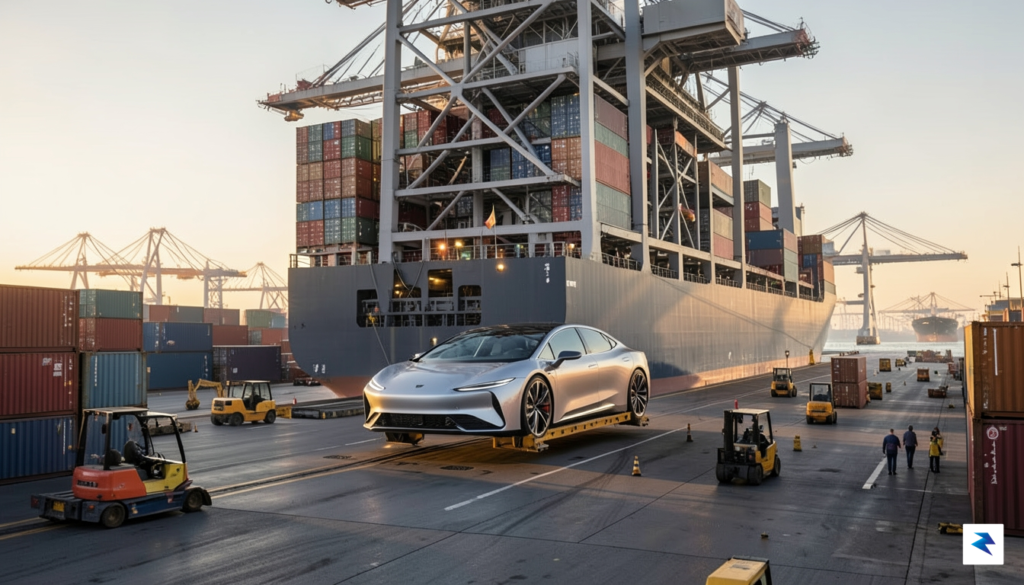
This shifting landscape presents a complex dilemma for Western policymakers and industry leaders alike: should they lean into protectionist trade barriers, or must they embrace a period of forced, accelerated innovation? While tariffs and import levies might provide a temporary reprieve for aging manufacturing bases in Europe and the United States, they often act as a double-edged sword. By artificially insulating domestic companies from global competition, these policies risk stifling the very urgency required to iterate on battery efficiency, autonomous driving stacks, and manufacturing scalability. Relying on government intervention rather than product evolution may ultimately leave Western manufacturers even more vulnerable to an inevitable influx of superior technology.
The primary challenge for legacy automakers is not just the hardware of the electric car, but the speed at which their Chinese rivals can bring software-defined features from concept to the showroom floor.
Ultimately, the future of the global automotive industry will be defined by a transition from mechanical engineering to software-centric platforms, a pivot that legacy firms have struggled to navigate with the necessary velocity. To survive this paradigm shift, established giants must transcend their traditional operating models, shedding the bureaucratic inertia that has hindered their agility. The warning signs emanating from the Chinese market are clear: the automotive industry is no longer about who can manufacture the most reliable engine, but rather who can provide the most compelling, connected, and electrified user experience. If Western automakers fail to bridge this innovation gap, they risk not only losing their foothold in Asia but witnessing their own domestic markets slowly be overtaken by the very players they once dismissed as secondary competitors.
You must be logged in to post a comment.