Apple Sues OpenAI: A High-Stakes Battle Over Hardware Secrets
The Allegations: Decoding Apple's Legal Filing Apple has formally escalated its concerns into a full-blown legal battle against OpenAI,…
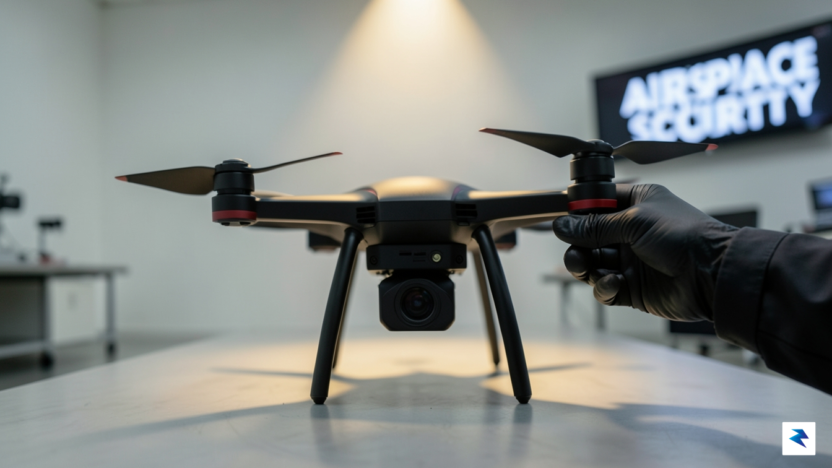

The rapid proliferation of consumer and commercial drones in the past decade brought with it not only incredible technological advancements but also burgeoning concerns for national security. As companies like DJI dominated the global market with their inexpensive yet highly capable devices, these drones became ubiquitous, flying over everything from private properties to sensitive government installations. This widespread adoption, while a testament to innovation, quickly raised red flags within U.S. government circles, initiating a crucial re-evaluation of the origins and security implications of the technology being integrated into American skies. Early discussions often centered on the sheer volume of data these drones could collect and where that data ultimately resided.
What began as a simmering apprehension regarding market dominance soon escalated into a full-blown national security imperative. The focus shifted dramatically from simple trade tensions to the fundamental questions of data privacy and potential infrastructure surveillance. Lawmakers and intelligence agencies began to articulate explicit worries that drones manufactured by foreign adversaries could serve as sophisticated tools for espionage, potentially transmitting sensitive imagery, telemetry data, and even network information back to their home countries. This perceived vulnerability highlighted a critical gap in national security protocols, necessitating a proactive stance against technology that could inadvertently compromise U.S. interests and strategic advantages.
A cornerstone of this evolving policy was the urgent need to protect America’s critical infrastructure. The thought of foreign-made drones, potentially compromised, conducting surveillance over power grids, water treatment facilities, military bases, or government buildings presented an unacceptable risk. These devices, often equipped with high-resolution cameras and advanced sensors, could map out vulnerabilities, monitor operations, or even disrupt communications if weaponized or exploited. Consequently, the legislative intent behind the subsequent restrictions was not merely about economic protectionism, but a clear strategic move to safeguard foundational national assets from covert intelligence gathering or potential sabotage by foreign entities.
To address these escalating concerns, the U.S. government began implementing various legislative measures, including provisions within defense authorization acts and executive orders that explicitly restricted federal agencies from purchasing or operating drones from designated foreign manufacturers. This marked a deliberate pivot towards fostering a “trusted” drone ecosystem, prioritizing manufacturers whose supply chains and data handling practices could be vetted and deemed secure. The aim was to ensure that any drone technology deployed by government entities, or even critical private sectors, adhered to stringent cybersecurity standards and posed no risk of data exfiltration or foreign government access, thereby creating a secure domestic alternative where national interests could be confidently protected.
These foundational legislative actions and policy shifts were instrumental in shaping the current regulatory landscape and set the stage for the ongoing crackdowns on foreign drone technology. The initial concerns about data security, potential espionage, and the integrity of critical infrastructure were not fleeting anxieties but deeply rooted strategic considerations that continue to drive U.S. policy. Understanding this historical context is vital, as it reveals that the recent FCC actions against companies attempting to circumvent these bans are not arbitrary, but a direct continuation of a long-standing and evolving national security strategy aimed at securing American airspace and digital sovereignty from persistent and sophisticated threats.
The landscape of global technology trade has become an intricate dance of innovation and evasion, particularly in sensitive sectors like drone manufacturing. With geopolitical tensions rising and national security concerns at the forefront, manufacturers whose origins raise red flags are increasingly resorting to sophisticated strategies to circumvent export controls and reach lucrative markets. This dynamic has transformed the drone market into a complex game of cat-and-mouse, where the true provenance of hardware is deliberately obscured through a web of corporate structures and supply chain manipulations designed to bypass direct bans.
At the heart of this complex evasion strategy are companies like Xtra and Skyrover, which have emerged as prime examples of what regulators are increasingly identifying as “front” brands. These entities present themselves as independent manufacturers or distributors, complete with their own branding, websites, and marketing materials, creating an illusion of distinct market players. However, beneath this superficial layer, investigations often reveal deep, intricate ties to larger, restricted manufacturers, effectively acting as conduits for technology that would otherwise be barred from entering certain markets, including the United States. They serve as a vital buffer, distancing the original equipment manufacturer from the end-user sales in regulated territories.
One of the most straightforward yet effective methods employed by these front companies is extensive rebadging and rebranding. This involves taking a product, often a fully developed drone system, from the restricted manufacturer and simply applying a new brand name, logo, and model number. While the internal components, flight controllers, cameras, and software remain fundamentally identical to the original banned product, the exterior presentation suggests an entirely different item. This cosmetic transformation is powerful enough to create ambiguity in the marketplace and can sometimes even lead to initial confusion among customs officials who primarily check for brand names and declared manufacturers rather than conducting in-depth hardware analysis of every shipment.
Beyond simple rebranding, the operational mechanics extend to establishing seemingly independent distribution shells. These are legally separate entities, often incorporated in different countries, that handle the importation, marketing, and sales of the rebadged drones. While legally distinct, their financial backing, strategic direction, and often even key personnel can be subtly linked to the parent company. This intricate separation creates multiple layers of corporate distance, making it significantly harder for regulators to trace the ultimate beneficial ownership or direct control back to the original restricted manufacturer. The goal is to present a clean, compliant facade to customs, retailers, and end-users, ensuring a smooth path to market.
Furthermore, these front companies often engage in minor hardware modifications specifically designed to evade customs scrutiny. This can range from subtle alterations to the drone’s chassis design, changes in connector types, or even slight tweaks to firmware versions that are just enough to differentiate them from officially sanctioned “banned” models, without impacting core functionality or performance. Such subtle changes create plausible deniability, allowing the front company to argue that their product is technically distinct and therefore not subject to the same prohibitions. These modifications are meticulously planned to be just significant enough to differentiate the product on paper, but not so substantial as to require significant re-engineering or increase manufacturing costs.
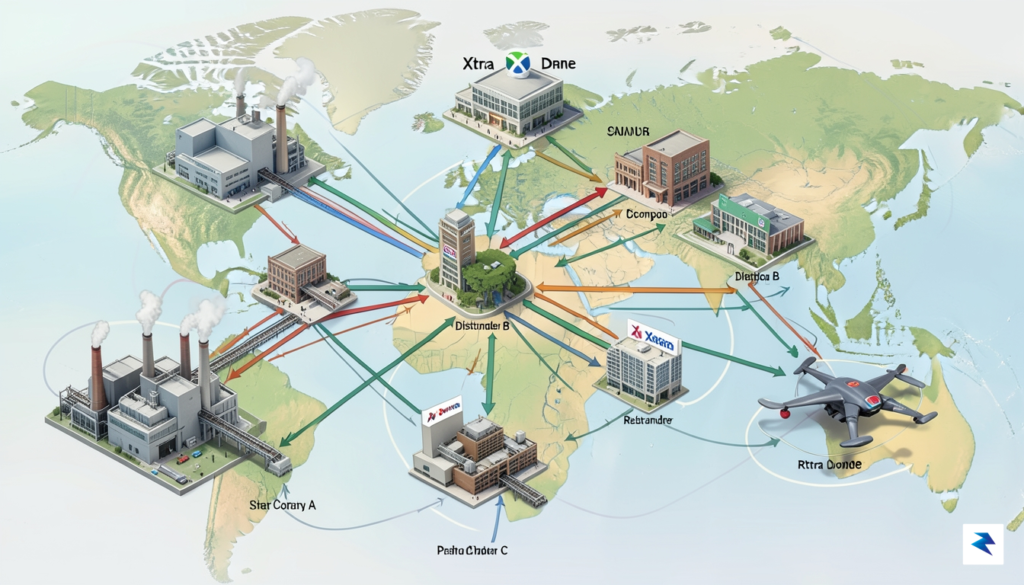
The cumulative effect of these techniques—rebadging, independent distribution networks, and minor hardware tweaks—is a deliberately complex and opaque supply chain. This multi-layered approach makes it incredibly challenging for regulatory bodies like the FCC to effectively enforce bans based on hardware origin. By the time a product reaches a consumer market, it has passed through several hands, undergone identity changes, and been presented under a new guise, creating a significant hurdle for authorities attempting to uphold national security directives and protect domestic markets from potentially compromised technology. This intricate game of corporate hide-and-seek highlights the ongoing challenge regulators face in an interconnected global economy.
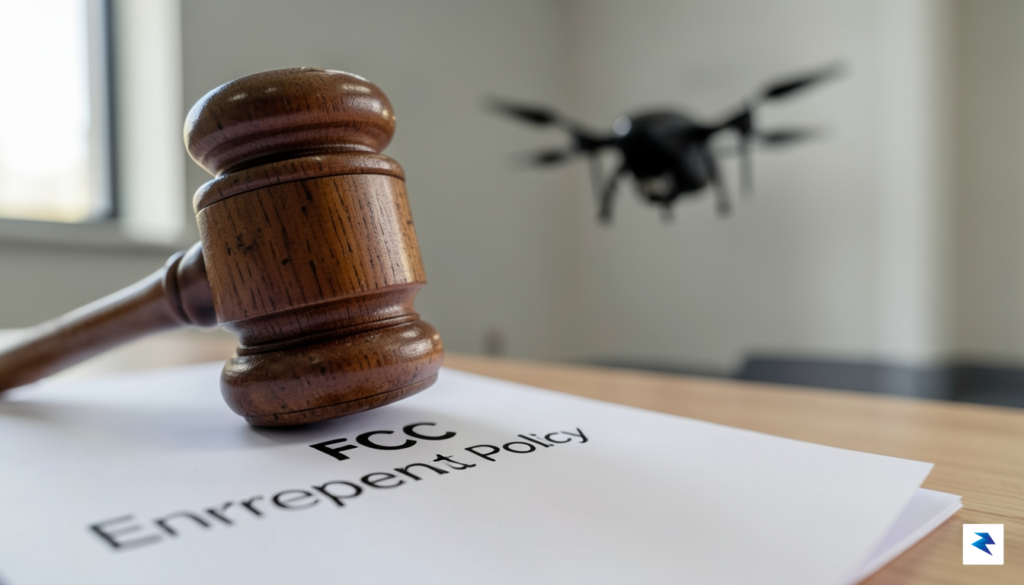
The Federal Communications Commission is no longer merely observing the landscape of foreign-made drones entering the U.S. market through various channels. Instead, the commission has initiated a robust regulatory offensive, fundamentally shifting its approach from passive oversight to proactive intervention. This marks a significant pivot, as the agency is now directly targeting the sophisticated workarounds employed by manufacturers to circumvent existing bans. This enhanced scrutiny aims to secure the nation’s airwaves and critical infrastructure from potentially compromised technology, ensuring that all devices operating within U.S. borders adhere to strict federal communications standards.
One of the primary battlegrounds for this new enforcement push lies in the realm of equipment authorization and certification. The FCC is meticulously tightening its certification requirements, making it significantly harder for devices, especially those with questionable origins, to gain approval for sale and operation in the United States. Furthermore, the commission is delving deep into the often-opaque ownership structures of seemingly independent, smaller drone brands. These investigations aim to uncover instances where these brands might serve as thinly veiled fronts or subsidiaries for larger, blacklisted entities, effectively exposing attempts to rebrand and reintroduce prohibited technology under a new guise. This strategic move directly addresses the “whack-a-mole” problem of new brands emerging to fill market gaps left by banned manufacturers.
Beyond corporate structures, the FCC’s unique jurisdiction over the electromagnetic spectrum provides a powerful tool in this crackdown. The agency is leveraging its authority over signal regulation and equipment authorization protocols to block these specific entities at a fundamental technical level. Every wireless device, including drones, must receive FCC authorization to operate within designated frequency bands, ensuring it doesn’t cause harmful interference and meets security standards. By scrutinizing the underlying radiofrequency components and communication protocols of these drones, the FCC can identify and deny authorization to those that either fail to meet technical specifications or are linked to banned foreign manufacturers, effectively shutting down their ability to communicate and function within U.S. airspace. This technical gatekeeping is a formidable barrier that bypasses mere branding.
This specialized regulatory approach is proving to be far more effective than traditional trade tariffs or import bans alone. While tariffs impose financial penalties and import bans restrict entry at the border, they often fall short when manufacturers employ clever rebranding or technical circumvention strategies. The FCC’s actions, however, strike at the core operational capability of these drones by denying them the fundamental right to transmit signals within the U.S. This isn’t just about what comes into the country, but what operates within it. By controlling the airwaves and dictating what equipment can legally transmit, the FCC can effectively render non-compliant drones inoperable or illegal for sale and use, irrespective of how they managed to initially cross the border. It’s a comprehensive strategy that targets both the supply chain and the operational viability of the technology.

The recent intensification of FCC scrutiny on drone technology, particularly concerning devices that may have circumvented existing bans on foreign-made equipment, introduces a complex layer of uncertainty for countless drone users across the United States. For both dedicated hobbyists and professional operators, this isn’t merely a distant policy debate; it directly impacts the utility, legality, and future viability of devices already in their possession. Many have invested significant time and financial resources into their drone fleets, often unaware of the intricate supply chain origins or geopolitical considerations that now place their equipment in regulatory crosshairs. Understanding these evolving implications is paramount for anyone who currently owns or plans to operate a drone, as the landscape of acceptable technology is clearly shifting.
For commercial drone operators, the stakes are undeniably higher. Businesses spanning critical sectors like infrastructure inspection, precision agriculture, land surveying, and cinematic production have meticulously built their operations around the proven reliability and advanced capabilities of specific drone models. A sudden regulatory shift that renders their existing fleet unusable could trigger substantial financial losses, operational bottlenecks, and even contractual breaches. The concern extends far beyond an outright ban; it encompasses the insidious risk of hardware obsolescence, where devices might become unsupported, lose access to crucial features, or even become incompatible with new industry standards. Consequently, professional pilots must now meticulously evaluate their current inventory, considering the long-term viability of their equipment and potentially planning for costly replacements or alternative solutions to ensure business continuity and compliance.
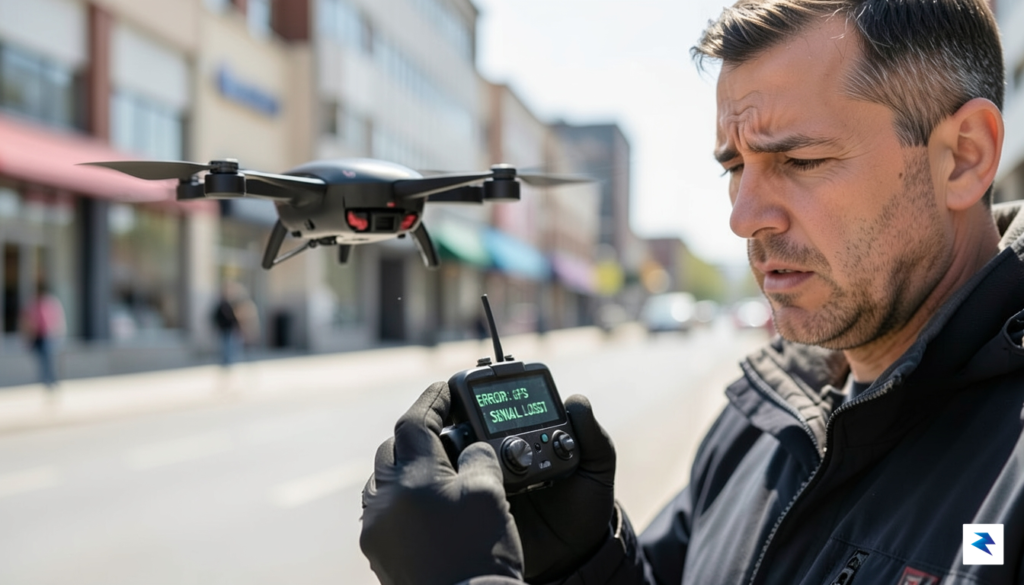
One of the most immediate and disconcerting threats for current drone owners is the potential for their devices to be effectively “bricked” or rendered inoperable, either directly or indirectly. While a direct, technical disablement by the FCC on existing hardware is an extreme scenario, the more probable outcome stems from regulatory pressures compelling manufacturers to cease providing critical software updates, essential security patches, or even access to vital flight applications. Modern drones are sophisticated computing platforms, heavily reliant on continuous software support for optimal functionality, safety features, and compliance with rapidly evolving airspace regulations. Without these ongoing updates, drones could become vulnerable to security exploits, incompatible with newer systems, or simply fail to perform their intended tasks, thereby transforming once-valuable equipment into expensive, ground-bound relics. This potential for engineered obsolescence represents a significant depreciation of investment for countless users.
Moving forward, all drone users, whether flying for recreational enjoyment or professional gain, must prioritize ensuring unwavering compliance with both FAA and FCC standards. While the FAA primarily governs airspace operations and pilot certification, the FCC’s critical role in regulating communication devices means their decisions directly dictate what hardware can legally transmit and operate within U.S. borders. Pilots should proactively monitor official announcements from both agencies, engage with industry associations, and consider consulting with legal or regulatory experts to fully grasp how these evolving stipulations apply to their specific drone models. It is no longer sufficient to merely possess a valid remote pilot certificate; understanding the provenance, regulatory status, and ongoing support for your drone hardware is rapidly becoming an equally critical facet of responsible and legal drone operation in the United States. This heightened vigilance will be absolutely essential to navigate the complex new landscape and safeguard flight privileges.
The landscape for drone technology within the United States is undeniably shifting, moving away from a previous era characterized by the relatively unchecked proliferation of foreign-made unmanned aerial systems. Recent regulatory actions, particularly those targeting workarounds to existing bans on specific foreign drone manufacturers, signal a definitive end to this permissive environment. This pivot is driven by increasingly urgent national security concerns, which highlight the inherent risks associated with relying on technology from non-allied nations for critical infrastructure, public safety, and defense applications. Consequently, the entire industry is now bracing for a fundamental realignment, prioritizing secure, transparent, and domestically controlled supply chains above all else.
Central to this strategic reorientation is the significant push towards initiatives like the ‘Blue UAS’ program, spearheaded by the Department of Defense. This program meticulously vets and approves drones that meet stringent cybersecurity and supply chain security standards, effectively creating a trusted list of compliant alternatives. By championing systems manufactured by American companies or those with demonstrably secure global supply chains, ‘Blue UAS’ directly addresses the vulnerabilities exposed by foreign-sourced technology. This movement isn’t merely about where a drone is assembled; it’s about establishing complete transparency regarding every component, every line of code, and every step of the manufacturing process to ensure integrity from design to deployment.
While the drive for enhanced security and domestic resilience is crucial, it naturally introduces new dynamics into the market. Users accustomed to the diverse, often feature-rich, and competitively priced options previously dominated by foreign manufacturers will likely encounter a more constrained marketplace. Developing sophisticated drone technology, establishing secure domestic supply chains, and scaling production within the United States often entails higher research and development costs, as well as greater manufacturing expenses. This will inevitably translate into a potentially higher price point for compliant drones, and initially, a more limited selection of models and specialized capabilities compared to the global market.
Looking ahead, this regulatory pressure is poised to foster a more resilient and secure drone ecosystem within the United States, albeit one that prioritizes national interests over market breadth. We can anticipate significant investment in domestic innovation, with a renewed focus on advanced materials, secure software development, and robust hardware design. This challenging but necessary transition will likely accelerate the growth of homegrown drone companies, encouraging them to innovate not just on features, but on fundamental security and ethical manufacturing practices. Ultimately, while the immediate market may feel more exclusive and perhaps less diverse, the long-term outcome aims for a drone industry that is fundamentally more trustworthy, secure, and aligned with national security imperatives, laying a safer foundation for future autonomous technologies.
You must be logged in to post a comment.