The New Legal Front: Why Government Subpoenas of Journalists Are a Constitutional Crisis
The Escalating Conflict Between the Administration and the Press The Justice Department’s recent decision to compel The New York Times to…
For decades, Apple has cultivated a reputation as the undisputed architect of the closed ecosystem, meticulously controlling both the silicon and the software that powers its devices. This vertical integration strategy has allowed the company to deliver unparalleled performance and power efficiency, turning its custom-designed chips into the heartbeat of its hardware empire. However, as the global technology landscape pivots toward a future dominated by generative artificial intelligence, Apple’s traditional model is facing an existential challenge. The company is no longer just selling consumer hardware; it is aggressively repositioning itself as a leader in edge-based AI, where the heavy lifting of machine learning occurs directly on the user’s device rather than in a distant, centralized cloud.
This strategic shift has brought Apple into direct, high-stakes competition with OpenAI, the research powerhouse that has dominated the AI narrative through its massive cloud-based language models. While OpenAI initially focused its efforts on software capabilities and large-scale server infrastructure, the company’s recent trajectory suggests a pivot toward custom hardware and on-device processing. By exploring ways to integrate its sophisticated models into smaller, more efficient form factors, OpenAI has inadvertently stepped onto Apple’s home turf. This convergence of interests—where one giant seeks to infuse AI into its hardware, and the other seeks to manifest its AI within the physical world—has created a volatile environment where intellectual property boundaries are increasingly blurred.
The resulting lawsuit, which alleges the misappropriation of critical hardware secrets, represents more than just a standard intellectual property dispute; it is a fundamental clash over the future of competitive advantage in Silicon Valley. At the heart of the litigation are claims regarding the aggressive poaching of specialized engineering talent, a practice that has long been common in the tech industry but is now being scrutinized under the lens of proprietary trade secrets. Apple contends that the migration of key personnel to OpenAI was not merely a career move, but a tactical maneuver designed to fast-track OpenAI’s hardware ambitions by leveraging Apple’s proprietary design methodologies and supply chain insights.
The tension between these tech titans highlights a broader transition in the industry: as AI migrates from the server room to the handheld device, the hardware that powers these experiences has become the new frontier of corporate warfare.
Ultimately, this conflict underscores a growing realization among tech giants that software supremacy is no longer enough to secure market dominance. As OpenAI attempts to bridge the gap between abstract intelligence and tangible hardware, it is forced to navigate the same rigorous constraints that Apple has spent years mastering. Whether this lawsuit serves as a genuine legal recourse for theft or a strategic barrier to entry, it signals that the era of AI-integrated hardware will be defined by fierce litigation, fierce headhunting, and a struggle to define the boundaries of innovation in an increasingly interconnected ecosystem.
At the core of Apple’s legal challenge against OpenAI are profound allegations centered on the systematic targeting of key Apple personnel. The lawsuit contends that OpenAI orchestrated a deliberate campaign, not merely to recruit top talent, but to facilitate the illicit transfer of Apple’s highly proprietary technical blueprints and sensitive data. Specifically, Apple claims that former employees, lured by OpenAI, were allegedly encouraged to bring with them a treasure trove of confidential materials. This included everything from secret internal presentations detailing unreleased product roadmaps, to confidential design specifications for advanced components, and even critical supplier details that are the lifeblood of Apple’s intricate global manufacturing supply chain. Such information, if proven to have been transferred, represents an extraordinary competitive advantage in the fiercely contested high-tech manufacturing landscape.
The accusations extend beyond simple employee movement; they delve into the alleged intent behind OpenAI’s recruitment strategy. Apple posits that this wasn’t merely a natural flow of talent within Silicon Valley, but a concerted effort to bypass costly and time-consuming research and development by acquiring established intellectual property through human capital. The focus on “poached” employees bringing specific types of documents suggests a calculated move to shortcut innovation cycles and gain an unfair competitive edge. This strategy, if substantiated, would indicate a direct assault on the proprietary knowledge that underpins Apple’s market position and its ability to innovate in areas ranging from chip design to advanced materials science.
Central to these claims is the legal concept of ‘trade secret misappropriation.’ In the realm of high-tech manufacturing, a trade secret is defined as any confidential business information that provides a company with a competitive edge and is actively protected by the company. This can encompass product designs, manufacturing processes, unique materials formulas, customer lists, and, crucially, supplier agreements and technical specifications. Misappropriation occurs when such a secret is acquired by improper means, or when it is disclosed or used without consent by someone who knew or should have known it was a trade secret. Apple’s lawsuit essentially argues that OpenAI not only improperly acquired these secrets through its recruitment practices but also intended to use them to further its own technological advancements.
The alleged breaches came to light through Apple’s stringent internal security protocols. Apple’s internal security audits, a regular and robust part of its operational framework, are designed to detect unauthorized access, data exfiltration, or unusual employee behavior related to sensitive information. These audits, coupled with digital forensics and potentially exit interviews or subsequent investigations, reportedly uncovered a pattern consistent with the alleged breach of non-disclosure agreements (NDAs) and other employment contracts. Apple maintains that these findings provide concrete evidence that former employees, bound by strict confidentiality clauses, improperly shared proprietary information with OpenAI, thereby laying the evidentiary foundation for its sweeping legal claims.
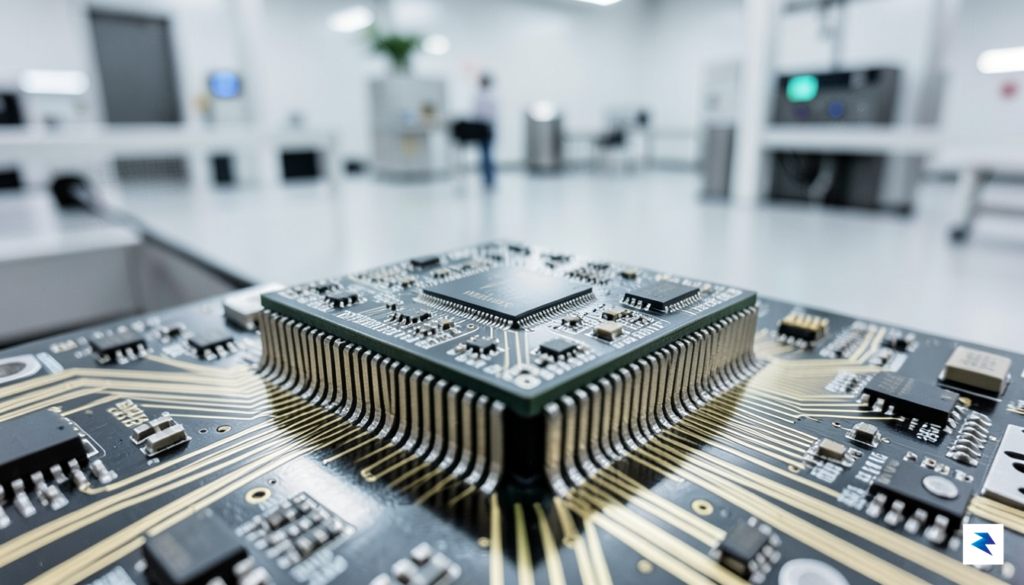
At the core of Apple’s market dominance lies a philosophy of total vertical integration, where the seamless marriage of proprietary hardware and optimized software creates an experience that competitors struggle to replicate. By designing its own custom silicon, such as the M-series chips and the specialized Neural Engine, Apple has effectively untethered itself from the limitations of third-party component manufacturers. This autonomy allows the company to dictate performance benchmarks, power efficiency, and long-term product roadmaps with surgical precision. When these hardware secrets are exposed, the damage extends far beyond a simple breach of confidentiality; it strikes at the very mechanism that allows Apple to outpace the industry in consumer electronic performance.
The specific details regarding supplier logistics and early-stage prototype roadmaps act as the crown jewels of Apple’s engineering division. These documents outline not just the specifications of upcoming devices, but the strategic intent behind every internal component, from custom-designed power management integrated circuits to the architecture of specialized AI accelerators. If competitors or third-party AI labs gain insight into these blueprints, they can effectively reverse-engineer the “how” behind Apple’s innovations. This knowledge allows rivals to bypass years of iterative trial and error, enabling them to close the performance gap that Apple has spent billions of dollars and over a decade of intensive research and development to establish.
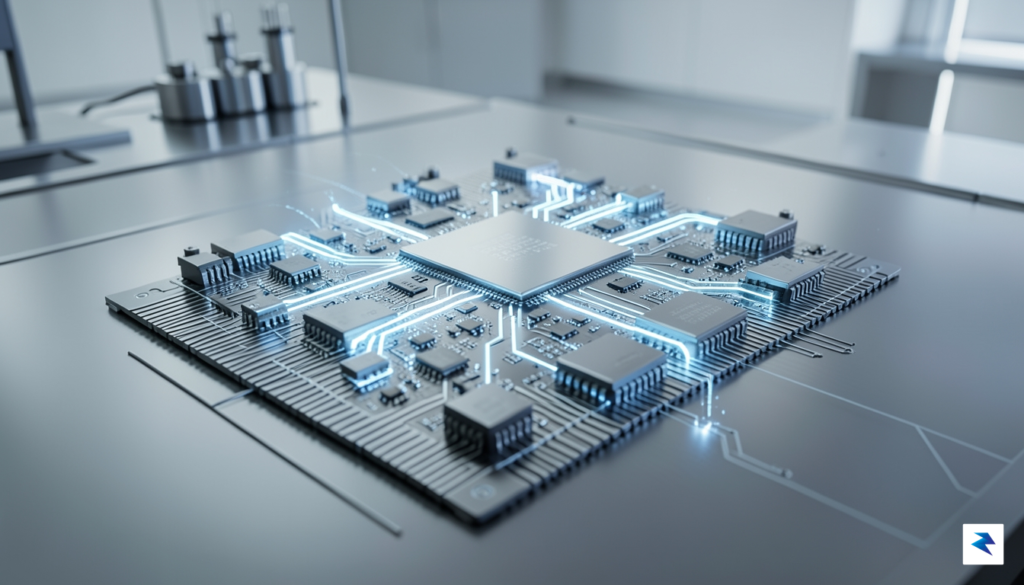
Furthermore, the financial implications of compromised R&D cycles are staggering. Apple invests massive capital into multi-year hardware development cycles, often working with suppliers years before a product hits the shelves to secure exclusive manufacturing processes. When these collaborative efforts are exposed, it threatens the integrity of these highly guarded partnerships and provides an unfair shortcut to entities that have not invested the necessary time or funding. This is not merely an intellectual property dispute; it is a fundamental challenge to the scarcity that Apple relies on to maintain its premium pricing and market-leading margins. Without the ability to surprise and delight users with hardware breakthroughs that seem to arrive years ahead of the curve, the company’s competitive advantage risks being commoditized.
The loss of proprietary hardware secrets effectively erodes the “moat” that Apple has spent decades digging around its ecosystem, transforming its unique technological advantages into accessible industry standards.
Ultimately, the alleged theft of these secrets represents an existential threat to the company’s long-term strategic posture. Apple thrives on being the first to market with hardware that is perfectly calibrated to support its software ambitions, particularly in the burgeoning field of on-device artificial intelligence. If the foundational specifications of their Neural Engine or power-management systems are leaked, the company loses the ability to define the pace of innovation. For an organization that prides itself on secrecy as a core tenet of its corporate culture, the unauthorized exposure of these internal roadmaps represents a profound disruption that could alter the trajectory of their future product launches for years to come.

For years, OpenAI’s dominance was defined by its algorithmic prowess and the massive scale of its software models, but the company has increasingly recognized that software is only as powerful as the silicon it runs on. By attempting to pivot toward custom inference chips and physical AI hardware, the organization is effectively trying to break its costly, long-term dependence on third-party providers like NVIDIA. This shift toward vertical integration is a massive undertaking, as it requires a fundamental transition from optimizing code in the cloud to engineering the physical architecture that dictates power efficiency, thermal management, and latency. To bridge this gap, OpenAI has been aggressively courting top-tier engineers from established hardware giants, seeking to transplant decades of expertise in chip design into a nimble, AI-first environment.
The allure of Apple’s talent pool for an AI lab is undeniable. Apple has spent decades perfecting a “closed-loop” ecosystem where custom silicon is tightly coupled with proprietary software, resulting in performance benchmarks that competitors struggle to replicate. For OpenAI, acquiring this level of intellectual property and design philosophy is the ultimate shortcut to building a proprietary hardware stack. However, this transition exposes a profound cultural friction. While AI startups typically thrive on a “move fast and break things” mentality—prioritizing rapid iteration cycles and experimental deployments—the world of high-end hardware manufacturing is governed by a rigorous “security-first” culture. In hardware development, a single flaw in a silicon mask can result in millions of dollars in wasted production and months of delays, necessitating a level of caution and secrecy that often clashes with the aggressive timelines of the software-driven AI industry.

The move toward proprietary hardware represents a strategic pivot: OpenAI is no longer content to merely inhabit the cloud; they intend to build the physical foundation upon which the next generation of artificial intelligence will reside.
Ultimately, this ambition to control the full stack is a necessary evolution if OpenAI wants to maintain its competitive edge in an era where compute is the primary bottleneck. By designing their own inference chips, they could theoretically optimize for the specific needs of large language models, slashing the costs and energy requirements that currently threaten the sustainability of their services. Yet, this verticalization is fraught with risk. Enticing engineers to leave the disciplined, highly secure environment of a company like Apple for the volatile, high-stakes startup world is more than a recruiting challenge; it is a gamble on whether a software-native organization can truly master the slow, precise, and expensive discipline of physical engineering without infringing on the very secrets that made their new hires so valuable in the first place.

The recent legal clash between Apple and OpenAI, stemming from allegations of hardware secrets being pilfered by a former Apple engineer now employed by the AI giant, signals a profound shift in Silicon Valley’s traditionally fluid talent landscape. This lawsuit underscores a hardening of corporate attitudes towards employee mobility, particularly in the red-hot AI sector, where the lines between “transferable skills” and “stolen secrets” are becoming increasingly blurred, creating a precarious environment for both individuals and the companies vying for their expertise.
In response to what many perceive as an AI gold rush, companies are aggressively tightening their defenses against intellectual property leakage. This manifests in several ways, from the resurgence and more stringent enforcement of non-compete clauses, even in regions where their legal standing has historically been weak, to sophisticated enhancements in internal data monitoring. Firms are now more proactively tracking employee activity, scrutinizing access to sensitive documents, monitoring communication channels, and meticulously documenting digital footprints, especially for departing personnel. The goal is to create a robust evidentiary trail should a former employee move to a competitor and be accused of leveraging proprietary information, thereby protecting their multi-billion-dollar investments in research and development.
This escalating corporate vigilance inevitably casts a chilling effect over the cultural fabric of Silicon Valley, which has long prided itself on a dynamic ecosystem fueled by the free flow of talent and ideas. Engineers and researchers, once celebrated for their ability to bring diverse experiences and “know-how” from one cutting-edge firm to another, may now find themselves under heightened scrutiny. The very act of moving between major tech players, once a rite of passage and a testament to one’s sought-after skills, could now be fraught with legal peril and suspicion. This could lead to a more cautious, less collaborative environment, potentially stifling the cross-pollination of ideas that has historically driven much of the industry’s innovation.

The core of the issue lies in defining what truly constitutes proprietary information versus an individual’s accumulated professional expertise. In fields as specialized and rapidly evolving as advanced hardware design and artificial intelligence, an engineer’s deep understanding of specific architectural approaches, algorithmic efficiencies, or manufacturing processes might be seen by one employer as a foundational skill and by another as a closely guarded trade secret. This ambiguity creates a challenging legal tightrope for engineers who have spent years developing niche expertise, making it difficult for them to differentiate between general knowledge acquired on the job and proprietary methodologies that belong exclusively to their former employer.
The outcome of the Apple vs. OpenAI lawsuit could establish a significant legal precedent for future inter-industry poaching disputes, particularly concerning the movement of high-value AI and hardware talent. A ruling in Apple’s favor might empower companies to pursue more aggressive legal actions, strengthening the enforcement of NDAs and making it riskier for employees to transition between competitors. Conversely, if the court leans towards OpenAI, it could reinforce the notion that general expertise acquired through experience is largely transferable, pushing the burden of proof even higher for companies claiming trade secret theft. Regardless of the specific verdict, this case undeniably signals a new era of increased litigation and heightened scrutiny in the battle for intellectual property, forcing both employers and employees to re-evaluate the boundaries of talent mobility in the fiercely competitive tech landscape.

The friction between Apple and OpenAI signals a definitive shift in how the tech industry perceives the symbiotic relationship between silicon and software. As artificial intelligence models grow increasingly complex, they demand specialized, hyper-efficient hardware architectures that can handle massive computational loads without sacrificing power efficiency. Consequently, the traditional boundaries that once separated software developers from hardware engineers are rapidly dissolving. Companies can no longer treat their chip-level engineering as a separate, static silo; instead, hardware design has become the primary bottleneck and the ultimate competitive advantage for the next generation of generative AI. This lawsuit serves as a wake-up call, demonstrating that proprietary hardware blueprints are now just as valuable—and as fiercely guarded—as the underlying algorithms themselves.
Furthermore, this legal standoff forces a necessary reckoning regarding executive and technical recruitment practices within the upper echelons of Silicon Valley. For years, the rapid movement of top-tier talent between competing firms has been treated as a standard, albeit aggressive, feature of the industry’s culture. However, as the stakes rise, firms must establish more rigorous ethical standards and clearer protocols for intellectual property protection during talent acquisition. We are likely to see an increase in the use of stricter non-compete clauses, more frequent forensic audits of departing employees’ digital footprints, and a heightened reliance on legal safeguards during the onboarding of high-level architects. This shift toward greater corporate transparency and internal scrutiny is inevitable if companies hope to protect their long-term investments in R&D.
The future of AI-hardware synergy will not be defined by who has the most aggressive hiring strategy, but by which companies can successfully foster innovation while maintaining the integrity of their trade secrets.

Ultimately, the resolution of this conflict will likely set a lasting precedent for how AI companies collaborate or collide with hardware manufacturers. If the courts rule that hardware designs are integral to the protection of a company’s software ecosystem, we may see a significant cooling effect on the cross-pollination of talent, potentially slowing the pace of innovation in the short term. Conversely, if the industry moves toward more standardized, open-source hardware frameworks, it could pave the way for a more collaborative era of development. Regardless of the outcome, the battle between Apple and OpenAI highlights that the future of AI will be built on the bedrock of specialized silicon. As these companies continue to push the limits of what is possible, the legal and ethical frameworks surrounding their work must evolve just as quickly to prevent a breakdown in the trust that sustains the entire ecosystem.
You must be logged in to post a comment.