Apple vs. OpenAI: The Battle for Hardware Secrets and Silicon Valley Talent
The Genesis of the Legal Conflict For decades, Apple has cultivated a reputation as the undisputed architect of the closed ecosystem,…


The rapid ascent of generative AI has transformed the tech industry into a high-stakes arena, where the race for dominance is measured not just in lines of code, but in raw computational power. As Microsoft and its peers aggressively expand their data center footprints to support massive language models, a sobering reality has begun to take root: the very infrastructure powering this innovation is exerting unprecedented pressure on the environment. While these companies have long championed ambitious carbon-negative pledges, the insatiable energy requirements of training and deploying advanced AI are colliding head-on with these sustainability milestones, effectively forcing a reckoning between technological progress and planetary health.
At the heart of this tension lies the fundamental difference between traditional cloud computing and the specialized demands of modern AI. Standard data centers, which handle tasks like email storage and basic web hosting, operate with a level of predictable, modular efficiency. In contrast, the high-performance computing necessary for training cutting-edge AI models—such as GPT-4 or similar large-scale architectures—requires clusters of GPUs that run at near-constant, peak intensity for weeks or months at a time. This level of sustained load is not merely a quantitative increase in power consumption; it is a qualitative shift in how energy is managed, requiring massive electricity draw and, subsequently, intensive cooling systems that often consume millions of gallons of water to prevent hardware from overheating.

The energy footprint of a single AI training session can exceed the annual electricity consumption of hundreds of average households, creating a concentrated surge in demand that local power grids are often ill-equipped to support sustainably.
Consequently, the trajectory of environmental progress is currently lagging behind the breakneck speed of technological development. Even as tech giants invest heavily in renewable energy credits and carbon offset programs, the sheer volume of power required to fuel the AI gold rush is outpacing their ability to transition to fully green energy sources. This creates a challenging paradox where the ambition to lead in the intelligence revolution threatens to undermine the very climate goals that these corporations have spent years promising to meet. Unless there is a significant breakthrough in energy-efficient hardware architecture or a radical pivot toward carbon-neutral grid integration, the hidden climate cost of our digital future may prove to be far steeper than anyone initially anticipated.

The escalating carbon footprint reported by major tech entities, including a significant 25 percent increase in emissions, is primarily rooted in an energy-intensive technological shift: the artificial intelligence revolution. Powering the sophisticated algorithms and vast datasets that underpin modern AI, particularly Large Language Models (LLMs), demands an unprecedented scale of infrastructure and electricity. Data centers, once relatively predictable in their energy consumption patterns, have transformed into ravenous energy consumers, driving a substantial portion of this emissions surge.
At the heart of this soaring energy demand lies the computational architecture required for AI: Graphics Processing Units (GPUs). Unlike traditional Central Processing Units (CPUs) that handle tasks sequentially, GPUs are designed for parallel processing, making them exceptionally efficient at the complex matrix multiplications and tensor operations fundamental to AI model training and inference. However, this immense computational power comes at a significant energy cost. Each GPU consumes considerably more electricity than a typical CPU, and modern AI data centers deploy these powerful chips not in dozens, but often in thousands, clustered together in dense arrays. The continuous, high-load operation of these GPU clusters means a relentless draw on the power grid, pushing energy consumption far beyond previous benchmarks.
Further compounding the energy challenge is the critical need for advanced cooling systems. The sheer density of high-power GPUs packed into server racks generates an enormous amount of heat. If not effectively dissipated, this heat can lead to system failures, reduced performance, and shortened hardware lifespans. Consequently, data centers must invest heavily in sophisticated cooling infrastructure, ranging from massive chillers and Computer Room Air Conditioners (CRACs) to more advanced liquid cooling and even immersion cooling technologies. These cooling systems themselves are massive energy consumers, often accounting for 30 to 50 percent of a data center’s total electricity usage. This creates a vicious cycle: more powerful AI hardware demands more energy, which generates more heat, which then requires even more energy to cool.
Moreover, the ambition and scale of Large Language Models necessitate not just more powerful individual components, but a vast physical expansion of the underlying infrastructure. Training and deploying LLMs involve processing petabytes of data and running models with hundreds of billions, even trillions, of parameters. This translates directly into the need for more servers, more storage units, more networking equipment, and ultimately, more physical data center buildings. Existing facilities are undergoing massive expansions, and new, hyperscale data centers are being constructed at an accelerated pace worldwide. Each new server rack, each additional building, and every piece of networking hardware adds to the overall energy burden, intensifying the demand on local and regional power grids.
This rapid expansion and heightened energy demand also highlight a crucial reliance on existing power infrastructure. While many tech companies have ambitious renewable energy targets and invest in power purchase agreements, the immediate electricity powering these burgeoning data centers often comes from the regional grid mix. These grids may not yet be fully decarbonized, still relying heavily on fossil fuels like natural gas and coal to meet peak demand. Therefore, even as companies strive for carbon neutrality through offsets, the direct, immediate consumption of electricity from a fossil-fuel-dependent grid contributes directly to increased Scope 2 emissions. The pace of AI development is currently outpacing the speed at which global power grids can transition to 100% renewable sources, creating a significant, albeit temporary, mismatch that fuels the reported emissions jump.
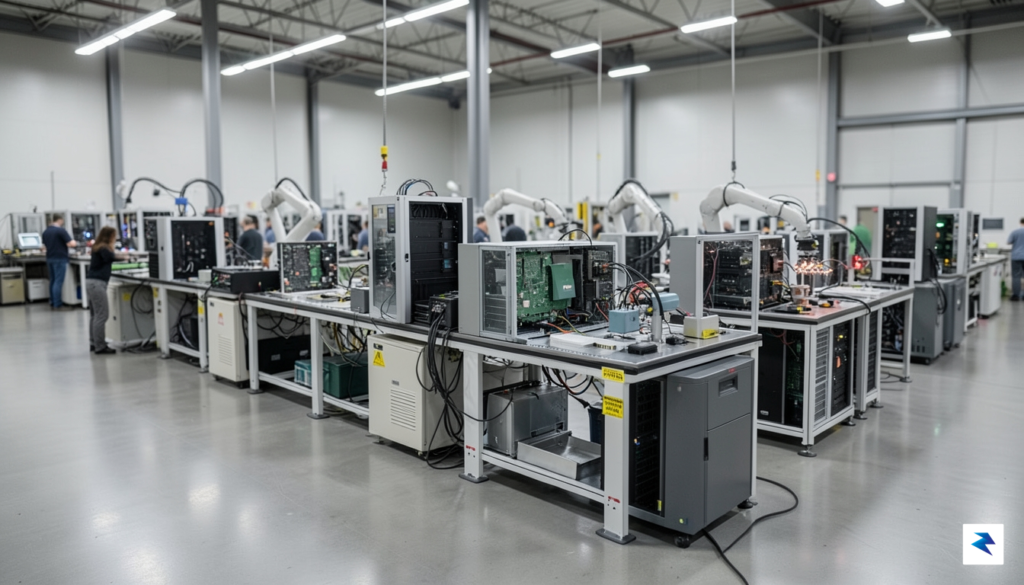
While the focus of corporate sustainability often lands on the immediate energy consumption of data centers—the humming cooling fans and the massive electricity draw required to train large language models—a more insidious environmental challenge lies within the supply chain. These are categorized as Scope 3 emissions, which encompass all indirect greenhouse gas emissions that occur in a company’s value chain, including both upstream and downstream activities. Unlike the electricity used to power servers, which a company can mitigate by purchasing renewable energy credits or investing in solar grids, Scope 3 emissions represent the “embodied carbon” of every piece of hardware that enters a facility. This includes the gargantuan environmental cost of mining raw materials, the energy-intensive fabrication of high-end AI chips, and the carbon-heavy logistics of transporting server racks across the globe.
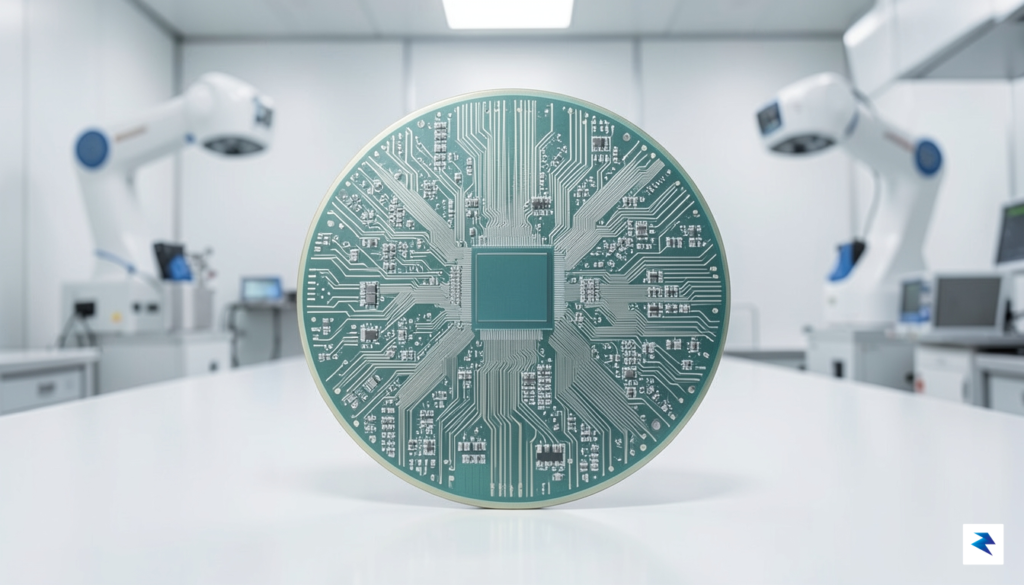
The manufacturing process for modern computing hardware is exceptionally resource-intensive, requiring precise conditions and rare earth minerals that are often extracted through environmentally taxing methods. When a tech giant procures thousands of specialized GPUs, they are effectively inheriting the carbon footprint generated by the foundries that etched those chips and the refineries that processed the necessary metals. Because these manufacturing plants often operate in regions where renewable energy is not yet the standard, the carbon intensity of a single server rack is locked in before it is ever plugged into a data center wall. This creates a systemic hurdle for sustainability departments: they are effectively held responsible for the environmental choices made by hundreds of third-party vendors and sub-contractors over whom they have limited operational control.
The challenge of Scope 3 emissions is fundamentally a problem of visibility; you cannot effectively reduce what you cannot measure, and tracking the carbon footprint of a global, multi-tiered supply chain remains one of the most complex accounting tasks in the corporate world.
Addressing these hidden costs is notoriously difficult because it requires a fundamental shift in how corporations engage with their vendors. Sustainability leads must move beyond internal efficiency and begin enforcing strict decarbonization requirements on their suppliers, a process that is often met with resistance due to the high costs of upgrading industrial manufacturing lines. Furthermore, the rapid pace of the AI revolution—which demands constant hardware refreshes to keep up with competitive computational requirements—exacerbates the problem by accelerating the lifecycle of equipment. Consequently, even as companies become more efficient at running their software, the relentless demand for new, advanced hardware keeps their total carbon footprint climbing, proving that the true price of innovation is often paid far outside the walls of the corporate office.

For years, Microsoft has championed an ambitious environmental roadmap, positioning itself as the gold standard for corporate climate responsibility. The company’s pledge to reach carbon-negative status by 2030 remains one of the most aggressive targets in the technology sector, signaling a clear intent to remove more carbon from the atmosphere than it emits. However, the recent disclosure of a 25 percent surge in total emissions reveals a jarring disconnect between these high-level commitments and the tangible, material reality of the company’s current operational trajectory. While the leadership team continues to speak in terms of long-term reduction, the immediate data suggests that the sheer scale of the global artificial intelligence boom is creating an environmental footprint that current mitigation strategies cannot yet contain.
This growth-versus-sustainability tension is perhaps most visible in the construction of energy-intensive data centers, which are essential for powering the next generation of generative AI models. As Microsoft expands its global infrastructure to meet the insatiable demand for cloud computing and machine learning capabilities, the embodied carbon—the emissions associated with manufacturing steel, concrete, and high-performance semiconductors—has skyrocketed. Even though the company has made significant strides in purchasing renewable energy to power its day-to-day operations, the indirect emissions embedded in its vast supply chain have effectively outpaced those gains. It is a classic corporate dilemma: the pursuit of rapid market dominance in the AI revolution is directly compounding the difficulty of meeting a decarbonization timeline that was set in a pre-AI landscape.

The friction between technological expansion and planetary health is no longer a theoretical concern; it is a measurable, systemic challenge that defines the modern tech giant’s operational reality.
Transparency has historically been a strong suit for Microsoft, and their willingness to publish such unfavorable data is a notable departure from the opacity that often plagues the industry. By acknowledging this significant jump, the company is attempting to hold itself accountable to the public and its investors, even when the numbers undermine their own sustainability narrative. Yet, transparency alone does not resolve the underlying structural conflict. The company now faces mounting pressure from stakeholders who expect both record-breaking financial growth and unwavering adherence to ESG (Environmental, Social, and Governance) targets. Moving forward, Microsoft will likely need to move beyond simple carbon offsets and rethink the very architecture of its computing infrastructure—prioritizing energy efficiency and sustainable manufacturing at the hardware level—to bridge the widening gap between its 2030 vision and the physical consequences of its digital growth.
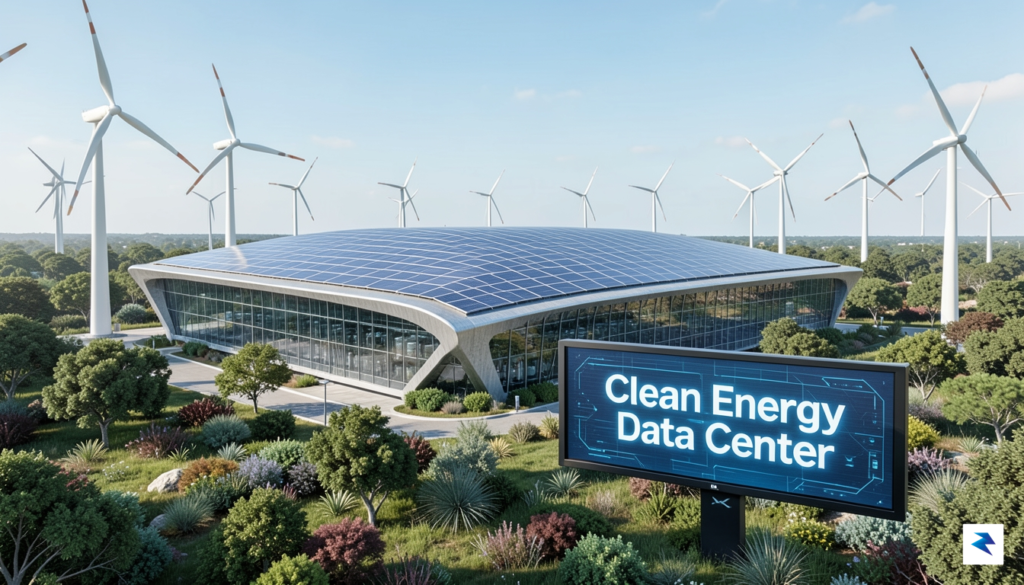
The tech industry finds itself at a critical juncture, grappling with the profound contradiction between its exponential growth—fueled by data centers and advanced AI—and the urgent global imperative to drastically cut carbon emissions. Reconciling this insatiable demand for power with genuine climate action is perhaps the defining challenge for these global giants. The path forward is complex, requiring not just incremental improvements but a fundamental re-evaluation of how technology operates and consumes resources.
A primary focus is achieving 24/7 carbon-free energy sourcing. Currently, many tech companies boast high percentages of renewable energy use, but often this means purchasing renewable energy credits that don’t always align with their operational hours or local grid needs. The true challenge lies in ensuring that every kilowatt-hour consumed, at any moment, comes from a non-emitting source. This ambition is driving significant investment in grid-scale battery storage solutions, which can store surplus renewable energy from solar or wind farms and discharge it during peak demand or when renewable generation is low. By firming up intermittent renewables, these massive batteries are essential for creating a truly resilient and zero-carbon grid infrastructure that can power data centers around the clock.
Beyond storage, partnerships with advanced nuclear energy developers are gaining traction as a viable, carbon-free baseload option. Small Modular Reactors (SMRs), for instance, offer the promise of consistent, high-density power generation with a much smaller physical footprint and enhanced safety features compared to traditional nuclear plants. For tech companies operating massive, energy-intensive data centers, the prospect of a dedicated, always-on, zero-emission power source is compelling, even if the regulatory and financial hurdles for deployment remain substantial. Exploring these diverse energy avenues signifies a recognition that a multi-faceted approach is indispensable for deep decarbonization.
Crucially, the solutions extend beyond energy sourcing to the very core of technological innovation: hardware design. As artificial intelligence models become increasingly sophisticated and data processing demands soar, the energy footprint of microchips and data center infrastructure grows commensurately. Therefore, significant research and development efforts are being channeled into creating more energy-efficient processors, optimizing cooling systems, and designing data centers that minimize power consumption from the ground up. Innovations like liquid immersion cooling, advanced chip architectures, and AI-driven energy management systems are vital in reducing the sheer quantity of power required to perform complex computations, thus mitigating the overall emissions impact.
Moreover, the scale of this challenge necessitates industry-wide collaboration. No single tech giant can decarbonize in isolation; the interconnectedness of supply chains, energy grids, and technological standards demands a unified approach. Initiatives that foster shared best practices, joint research into sustainable technologies, and collective pressure on energy providers and equipment manufacturers are becoming more common. By establishing common sustainability metrics and working together on open-source solutions for energy efficiency, the industry can accelerate progress far beyond what individual companies could achieve alone, fostering a collective responsibility towards a greener digital future.
Ultimately, the future trajectory of tech decarbonization will be heavily influenced by external pressures from both regulatory bodies and an increasingly climate-conscious public. Governments worldwide are beginning to implement stricter emissions targets, mandatory reporting requirements, and carbon pricing mechanisms that will directly impact operating costs and investment decisions. Simultaneously, consumers and investors are demanding greater transparency and accountability from tech companies regarding their environmental impact. This confluence of regulatory imperative and public scrutiny will undoubtedly compel tech giants to accelerate their decarbonization strategies, transforming abstract commitments into concrete, measurable actions and paving the way for a more sustainable digital era.

You must be logged in to post a comment.