Beyond the Hype: Is the AI Market Finally Cooling Down?
The End of the AI Honeymoon Phase The fervent "AI Summer" that captivated investors and innovators alike, propelling valuations to dizzying…
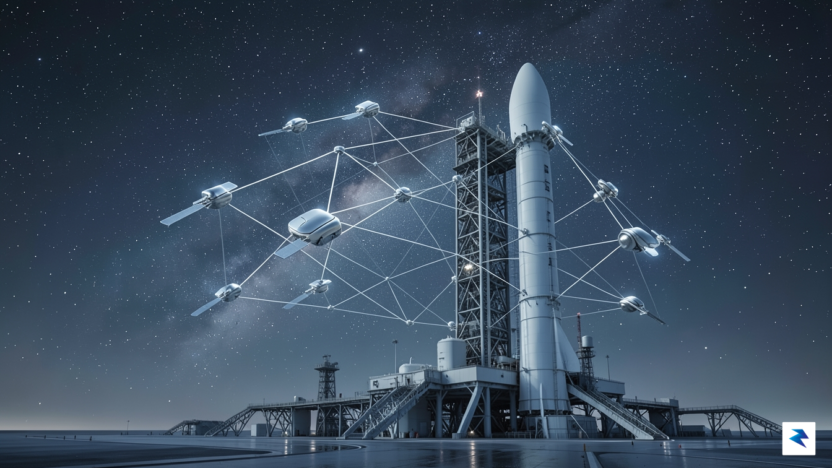

The recent green light from the Federal Trade Commission for Elon Musk’s acquisition of Mesh marks a pivotal moment, signaling a critical acceleration in his overarching strategy to integrate advanced aerospace infrastructure. This is far more than a routine corporate transaction; it represents a calculated maneuver to bring a promising, SpaceX alumni-founded startup directly into the fold, thereby consolidating a specific vision for vertical integration within his expansive ecosystem. This strategic move promises to significantly bolster the capabilities of companies like SpaceX and Starlink, underscoring a calculated approach aimed at internalizing key technologies and retaining top-tier talent.
Musk’s business philosophy has long championed robust vertical integration, a strategy overtly evident across his diverse ventures. From Tesla’s aggressive efforts in battery production and software development to Starlink’s comprehensive, end-to-end satellite internet service, the emphasis has consistently been on controlling critical components and processes. This isn’t his first foray into acquiring companies that enhance his ecosystem; numerous smaller technology firms have been absorbed by Tesla to accelerate advancements in autonomous driving or manufacturing processes. Furthermore, the strategic internal development of key components, rather than solely relying on external suppliers, has been a hallmark. The Mesh acquisition fits seamlessly into this established pattern, signifying a desire to exert control over critical aspects of his operational infrastructure from conception through to deployment and ongoing innovation.
Mesh, having been founded by former SpaceX engineers, almost certainly possesses proprietary technology or specialized expertise directly relevant to SpaceX’s ambitious rocket development, advanced satellite manufacturing processes, or Starlink’s ever-expanding ground infrastructure and user terminals. While the specific details of Mesh’s core innovations are typically shrouded in secrecy, the “alumni startup” designation strongly suggests a company intimately familiar with the unique challenges, demanding standards, and vast opportunities inherent within Musk’s existing ventures. Their contributions could span a wide array of critical areas, from advanced materials science and novel propulsion systems to sophisticated data transmission protocols or even cutting-edge manufacturing techniques. These innovations will undoubtedly streamline and enhance current and future projects, particularly for the iterative development of Starship or the next generation of Starlink satellites, providing a crucial competitive edge.
Beyond the immediate technological advantages, the acquisition of Mesh is also a profoundly strategic talent grab. In the intensely competitive deep-tech and aerospace sectors, highly skilled engineers, visionary innovators, and experienced project managers are an invaluable commodity. By acquiring Mesh, Musk not only gains their intellectual property and existing solutions but also effectively re-integrates a team already deeply familiar with the ambitious culture, rapid pace, and demanding objectives of SpaceX. This move reflects a broader, discernible industry trend where established technology giants frequently acquire nimble startups not just for their specific products or services, but critically, for their human capital and innovative methodologies. It serves as an efficient mechanism to reclaim institutional knowledge, inject fresh perspectives, and simultaneously mitigate the inherent risks associated with entirely new external hires.
Ultimately, this acquisition serves to further solidify Musk’s already formidable ecosystem, fostering a more cohesive, self-reliant, and interconnected network of companies. By reducing reliance on external vendors for critical components or intellectual property, the integrated entity can expect to see increased efficiency, reduced costs, and significantly accelerated development cycles across various projects. The seamless integration of Mesh’s capabilities is poised to accelerate progress on several key initiatives, whether that involves enhancing Starship’s reusability and operational robustness, expanding Starlink’s global coverage and bandwidth capabilities, or even laying crucial groundwork for future interplanetary endeavors. The Mesh acquisition, therefore, stands as a potent and unequivocal signal of Musk’s unwavering commitment to achieving his audacious, long-term goals through strategic, integrated growth.
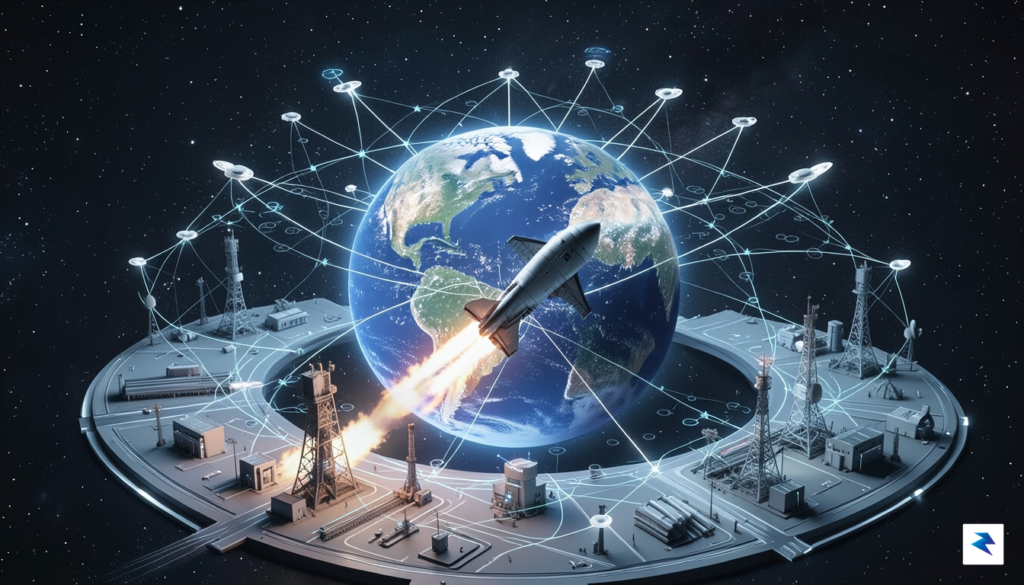
Mesh, while founded by SpaceX alumni, carved out its own formidable reputation long before recent acquisition discussions, not merely riding on the coattails of its founders’ prestigious past. The company rapidly emerged from stealth, fueled by a significant $50 million Series A funding round, establishing itself as a crucial player in an often-overlooked yet critically important niche. Their core strength lay in tackling some of the most intricate challenges within data transmission and orbital logistics, areas where even minor inefficiencies can cascade into catastrophic failures or astronomical costs. This focus on solving high-complexity problems, rather than just leveraging a familiar network, truly defined Mesh’s early trajectory and underscored its significant value proposition in the burgeoning space industry.
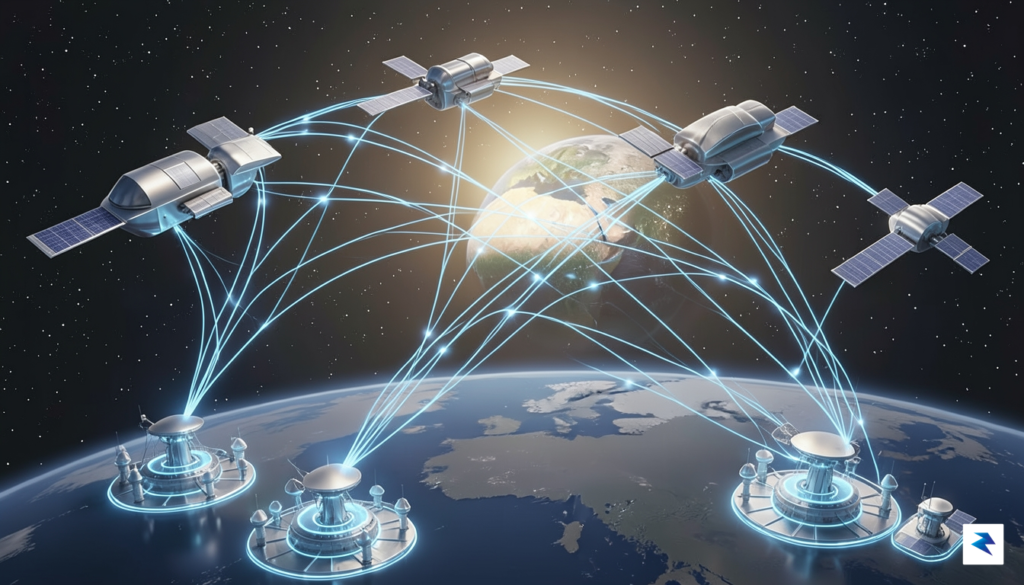
At its heart, Mesh specialized in developing sophisticated solutions for optimizing the flow of data across vast distances and through challenging extraterrestrial environments. Consider the inherent difficulties: transmitting vast quantities of telemetry, scientific data, and operational commands between spacecraft, ground stations, and even inter-satellite links demands ultra-low latency, robust error correction, and unparalleled reliability. Mesh’s team, comprising engineers and scientists with deep expertise in signal processing, network architecture, and advanced algorithms, built proprietary systems capable of streamlining these complex data pathways. Their innovations directly addressed bottlenecks that had long plagued traditional satellite communication, offering more efficient, secure, and resilient methods for managing the ever-increasing volume of information generated by modern space missions.
Beyond mere data transmission, Mesh also made significant inroads into the realm of orbital logistics, a field grappling with the precise coordination and management of assets in Earth’s orbit and beyond. This involves everything from collision avoidance and debris tracking to optimizing satellite constellations for maximum coverage and efficiency. The sheer scale and dynamic nature of orbital mechanics present immense computational and real-time decision-making hurdles. Mesh’s technology provided enhanced predictive analytics and dynamic routing capabilities, enabling operators to make more informed decisions faster, thereby reducing operational risks and extending the useful life of expensive orbital assets. Their approach offered a leap forward in managing the increasingly crowded and complex orbital environment, paving the way for safer and more sustainable space operations.
The $50 million Series A funding round, announced earlier this year, was a pivotal moment for Mesh, signaling immense investor confidence in their unique capabilities and market potential. This substantial capital injection, secured from a consortium of leading venture capital firms, allowed Mesh to accelerate its research and development efforts, rapidly expand its engineering team, and scale its operational infrastructure without the usual constraints faced by early-stage startups. More than just a financial milestone, the round validated their strategic vision and the critical need for their solutions in the space sector, effectively putting a significant valuation stamp on their technical prowess. It underscored the market’s recognition that Mesh was not just building interesting technology, but solving fundamental, high-value problems essential for the future of space exploration and commercialization. This robust backing provided the resources necessary to transition from a stealth-mode innovator to a recognized leader, drawing considerable attention even before acquisition talks began.

In an era characterized by an undeniable intensification of antitrust scrutiny, particularly within the rapidly evolving tech and aerospace sectors, the Federal Trade Commission’s (FTC) recent approval for the acquisition of Mesh, a startup founded by former SpaceX alumni, by Elon Musk’s larger conglomerate stands as a significant barometer of the current regulatory climate. This clearance is not merely a formality but a critical indicator, suggesting a nuanced approach by federal regulators who are increasingly under pressure to prevent monopolies while still fostering innovation. The FTC’s thorough review process, designed to safeguard fair competition and consumer welfare, meticulously dissects every proposed merger, making this particular “green light” a noteworthy development with broader implications for future consolidation in the private space industry.
The FTC’s primary objective in any merger review is to assess whether the proposed transaction would substantially lessen competition or create a monopoly in any relevant market. For the aerospace sector, this involves scrutinizing aspects like launch services, satellite manufacturing, space-based internet, and auxiliary technologies. Regulators typically examine market shares, the number of competitors, potential barriers to entry for new players, and the impact on pricing and innovation. In the case of Mesh, a company reportedly focused on specialized hardware or software, the FTC would have analyzed its market footprint, its direct competitors, and how its integration into Musk’s existing ventures—primarily SpaceX—might alter the competitive landscape. Given the FTC’s ultimate decision, it suggests that Mesh’s current market position or technological niche was not deemed significant enough to trigger concerns about anti-competitive behavior or excessive market concentration.
Ultimately, federal regulators found no compelling grounds for intervention, allowing the Mesh deal to proceed without significant hurdles. This outcome likely stems from several factors. Mesh, as a relatively nascent startup, likely possesses a small market share that doesn’t directly compete head-to-head with SpaceX’s core business lines, such as satellite launch or Starlink internet services. Instead, its technology might be viewed as complementary, enhancing existing capabilities or filling a specific technological gap rather than eliminating a formidable rival. The acquisition could be interpreted more as a strategic talent and technology integration than a hostile takeover designed to stifle competition. Furthermore, the space industry, despite its high-profile players, is still characterized by significant innovation and emerging sub-sectors, which might have led regulators to conclude that the deal would not unduly consolidate power in a way that harms the broader competitive environment or consumer choice.
This approval offers a stark contrast to other high-profile tech and space industry acquisitions that have faced intense regulatory pushback or even outright rejection globally. For instance, the proposed NVIDIA acquisition of Arm faced significant scrutiny and ultimately failed due to antitrust concerns across multiple jurisdictions, highlighting regulators’ readiness to block deals perceived as creating market dominance. Similarly, major tech mergers have often endured lengthy investigations and conditions before approval. The relatively smooth passage of the Mesh acquisition, therefore, signals that while antitrust vigilance remains high, regulators are still distinguishing between acquisitions that genuinely threaten market competition and those that represent strategic growth or talent integration for smaller entities within rapidly expanding, innovative fields. It suggests a pragmatic understanding that not all consolidation is inherently anti-competitive, especially when the target is a smaller, specialized entity in a dynamic sector.
The FTC’s decision on Mesh effectively serves as a tacit endorsement for certain types of consolidation within the burgeoning space technology ecosystem. It suggests that strategic acquisitions of smaller, specialized startups by larger players may continue to receive regulatory approval, provided they do not dramatically alter market dynamics by eliminating a major competitor or creating an insurmountable barrier to entry for others. This could provide a degree of confidence for investors and entrepreneurs in the space sector, indicating that M&A remains a viable exit or growth strategy, so long as the deals are structured to enhance capabilities rather than stifle competition. It reaffirms the FTC’s commitment to a balanced approach, aiming to foster innovation and growth while vigilantly guarding against monopolistic practices.
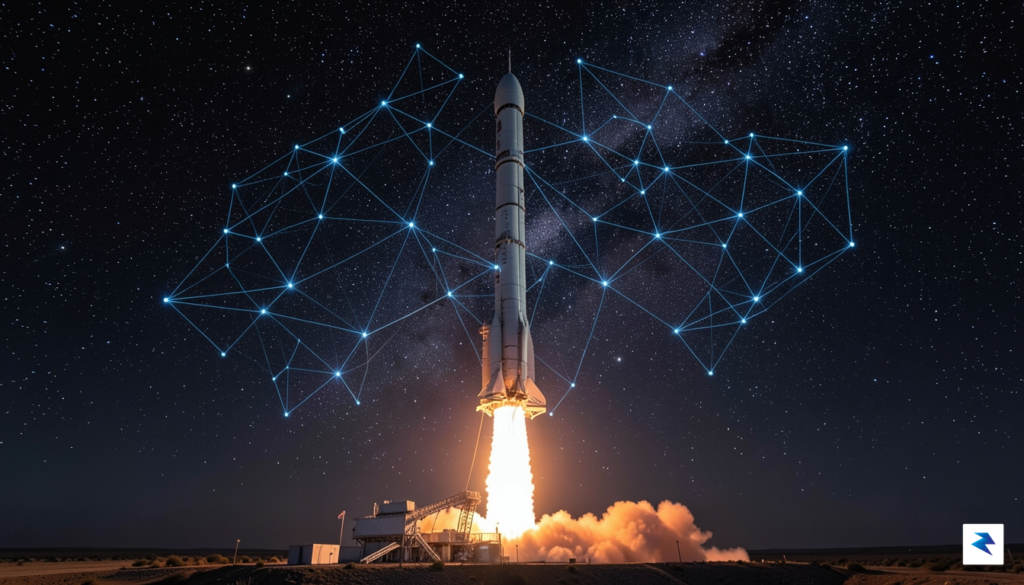
The Federal Trade Commission’s green light for Musk’s acquisition of Mesh marks a pivotal moment, signaling a dramatic acceleration in the development of next-generation orbital infrastructure. This strategic integration is not merely a corporate merger; it represents a fusion of specialized, cutting-edge expertise from Mesh, an entity born from the very talent pool that fueled SpaceX’s early successes, with the unparalleled scale and ambitious vision of SpaceX itself. The implications for how humanity manages and utilizes its orbital assets are profound, promising a rapid transition from current capabilities to a far more sophisticated and interconnected space economy. This move is set to redefine the benchmarks for efficiency, connectivity, and resilience in Earth’s immediate cosmic neighborhood, propelling the entire aerospace industry into an era of unprecedented innovation.
The practical engineering outcomes of this merger are poised to be transformative. Mesh’s niche expertise in areas like advanced small satellite propulsion, precise orbital maneuvering, and sophisticated inter-satellite communication protocols perfectly complements SpaceX’s prowess in mass production, large-scale constellation deployment, and heavy-lift launch capabilities. Imagine constellations that are not only vast but also incredibly agile, capable of dynamic re-tasking, self-correction, and even autonomous in-orbit servicing. This could lead to a new generation of orbital platforms featuring enhanced sensor arrays, more robust and secure data links, and dramatically extended operational lifespans. The combined entity is likely to pioneer solutions for denser orbital environments, where collision avoidance and debris mitigation become paramount, ushering in an era of truly resilient and adaptive space-based infrastructure.
One of the most immediate and tangible benefits will be seen in advancements in satellite connectivity and data throughput. By integrating Mesh’s specialized communication technologies, SpaceX’s Starlink constellation, or its future iterations, could experience a significant leap in performance. This means not just faster internet, but also more secure, lower-latency connections capable of handling exponentially greater volumes of data for a myriad of applications—from real-time Earth observation and scientific research to global telemedicine and enhanced commercial logistics. Furthermore, the combined engineering strength promises breakthroughs in orbital efficiency, including more precise station-keeping with minimal fuel consumption, automated fault detection and recovery, and potentially the development of standardized, interoperable platforms for future orbital assets. This increased efficiency will translate into lower operational costs, longer mission durations, and more effective utilization of increasingly crowded orbital slots.
The transition period for Mesh’s existing projects and intellectual property will likely involve a focused integration into SpaceX’s relevant divisions, particularly those related to Starlink and advanced satellite development. While specific project roadmaps might be re-prioritized to align with SpaceX’s overarching strategic goals, the core talent and innovative spirit of Mesh are expected to be fully leveraged. This means Mesh’s current contracts and research & development initiatives will likely continue under the SpaceX umbrella, albeit with access to significantly greater resources and a broader operational scope. The absorption of Mesh’s alumni-driven culture, steeped in agile development and rapid prototyping, could also instill a renewed sense of entrepreneurial drive within certain segments of the larger SpaceX organization.
This acquisition is more than a simple corporate transaction; it’s a strategic move that promises to dramatically accelerate the evolution of orbital infrastructure, driving unprecedented advancements in connectivity, data processing, and orbital efficiency.
Ultimately, this acquisition is set to be a significant catalyst for the entire aerospace industry. By bringing together Mesh’s focused innovation with SpaceX’s expansive reach and ambition, the combined entity is poised to set new standards for orbital asset management and utilization. This move will undoubtedly intensify competition, pushing other players in the space sector to innovate more rapidly and think beyond conventional approaches. The long-term impact will likely include the establishment of more robust, interconnected, and economically viable orbital ecosystems, fundamentally changing how we interact with space and harness its potential for global benefit.
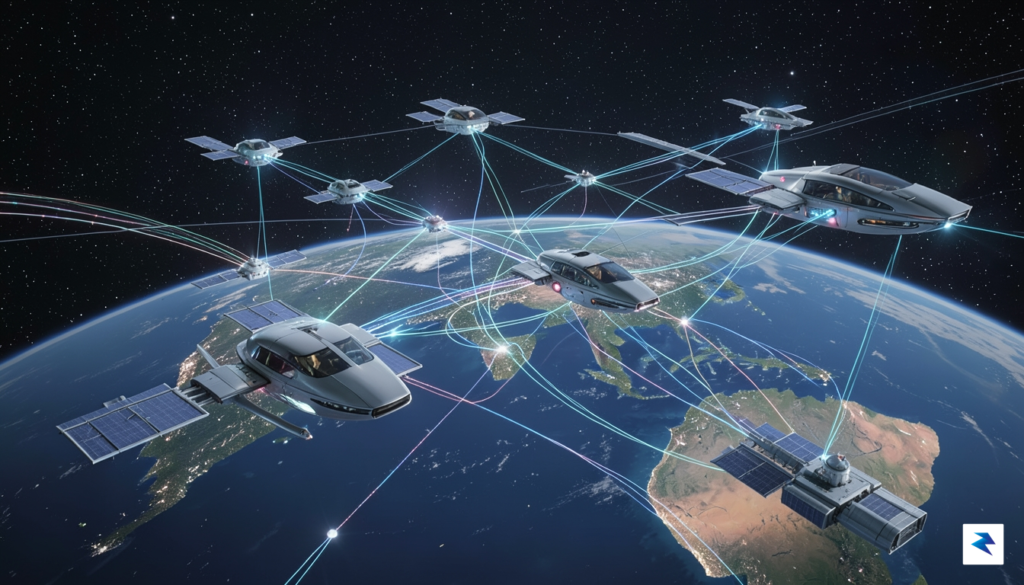

The Federal Trade Commission’s approval of Musk’s acquisition of Mesh, a promising startup founded by SpaceX alumni, sends palpable ripples throughout the rapidly expanding space economy. This strategic move is not merely an isolated corporate transaction; rather, it serves as a stark signal to established players and nascent innovators alike, forcing a critical re-evaluation of their strategic roadmaps. As the cosmos increasingly becomes a viable economic frontier, the underlying philosophy of ‘buy versus build’ is gaining unprecedented traction among space-tech giants, and this particular acquisition powerfully underscores that evolving paradigm. Competitors must now confront the reality that organic growth alone may not suffice to maintain pace in this accelerating race, demanding a more aggressive stance on market consolidation.
For direct competitors such as Jeff Bezos’s Blue Origin and Peter Beck’s Rocket Lab, the Mesh acquisition likely triggers an immediate introspection of their own research and development pipelines and market positioning. Blue Origin, with its deep pockets and long-term vision for human spaceflight and lunar infrastructure, might view this as a reinforcing signal to accelerate its own vertical integration efforts or explore targeted acquisitions that complement its expansive portfolio. Similarly, Rocket Lab, known for its agile innovation in small-launch and satellite manufacturing, could feel increased pressure to diversify its capabilities, potentially eyeing startups that offer specialized components, software, or unique payload services to maintain its competitive edge against a rapidly consolidating titan. This environment demands not just internal innovation, but also strategic agility in mergers and acquisitions to remain relevant.
Beyond the new space companies, traditional aerospace and defense contractors like Lockheed Martin, Boeing, and Northrop Grumman are also meticulously observing these developments. These industry stalwarts, with their vast resources and entrenched government contracts, have historically relied on internal R&D and large-scale, long-term projects. However, the agility demonstrated by new space ventures, coupled with the speed of consolidation exemplified by the Mesh acquisition, challenges their conventional approaches. They may increasingly pivot towards an inorganic growth strategy, leveraging their financial might to acquire innovative startups that possess cutting-edge technology or specialized expertise, thereby integrating disruptive capabilities more rapidly than their internal development cycles might allow. This shift represents a significant departure from their traditional models and highlights a strategic imperative to remain relevant in a dynamic market.
The acquisition of Mesh epitomizes a fundamental shift in the space sector’s growth strategies, moving decisively towards consolidation as a primary driver. In an industry where technological advancements are rapid and market windows are often narrow, acquiring a proven, innovative startup like Mesh offers a faster path
You must be logged in to post a comment.