Department of Commerce Lifts Export Controls on Claude Fable 5 and Mythos 5
Understanding the Shift in AI Export Regulations For years, the federal government’s strategy regarding artificial intelligence has been…
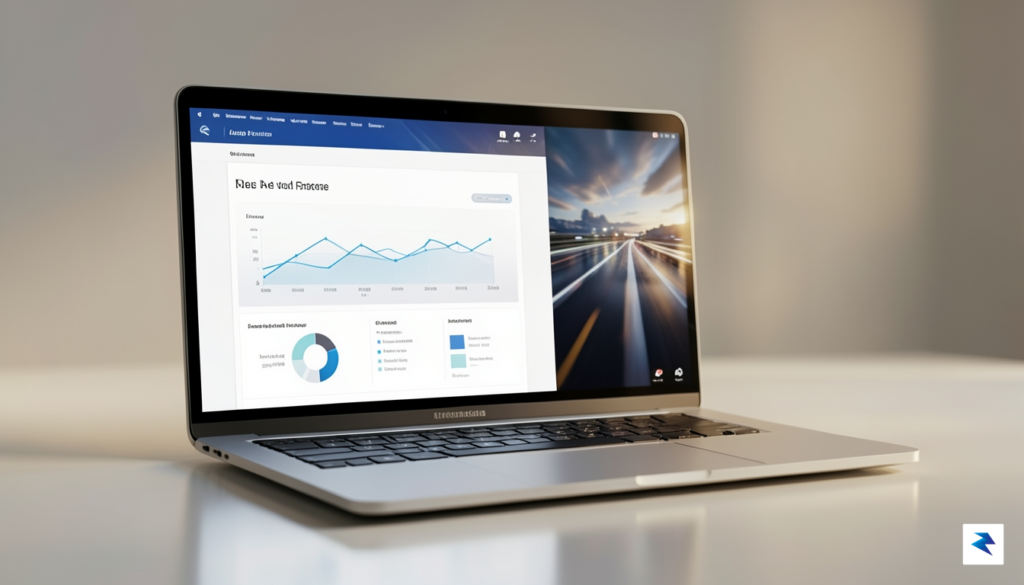
When Google first introduced NotebookLM, it was positioned as a sophisticated RAG (Retrieval-Augmented Generation) tool designed to act as a private, high-fidelity research assistant. Its primary function was to ingest dense documents, PDFs, and scholarly articles, allowing users to query their own data with unparalleled accuracy. By grounding the AI’s responses strictly within the uploaded context, the tool effectively minimized the hallucinations common in broader language models. For students, researchers, and legal professionals, this was a breakthrough in productivity, transforming a static archive of disorganized files into an interactive knowledge base that could answer specific questions about complex projects.
However, the nature of information consumption is shifting rapidly. In an era dominated by the rapid-fire pacing of short-form video, even the most diligent professionals are finding it increasingly difficult to carve out time for deep, linear reading. Google has recognized this psychological pivot, acknowledging that high-level synthesis often requires more than just a text-based summary. By evolving into a multimodal platform capable of generating TikTok-style video clips, NotebookLM is moving beyond being a mere repository; it is becoming a creative engine that translates dense, academic concepts into digestible, visually engaging narratives. This transition marks a departure from traditional research habits, favoring “snackable” intelligence that respects the modern user’s fragmented attention span.
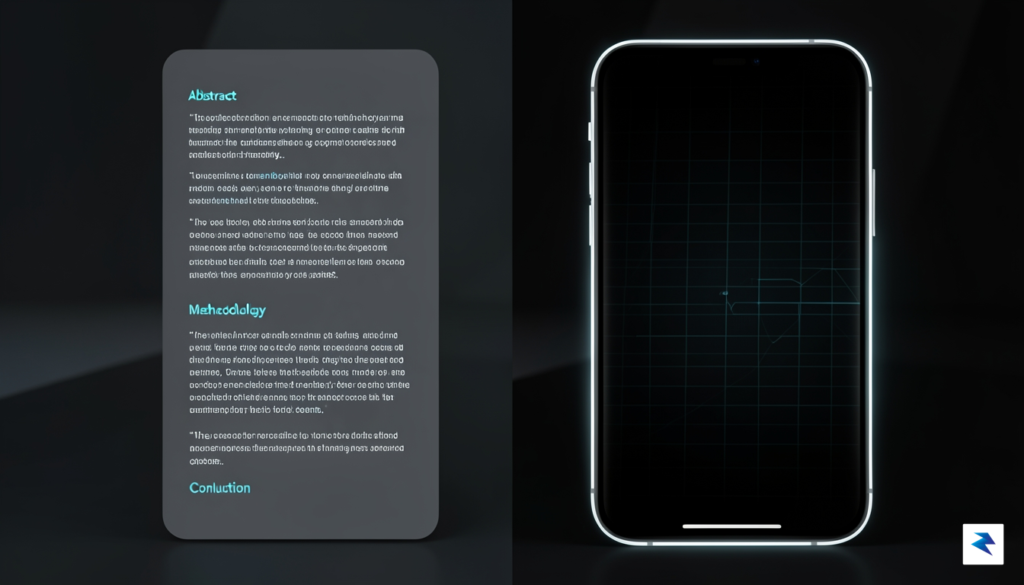
The value proposition of this multimodal approach is rooted in the efficiency of cognitive load management. While reading a sixty-page report provides depth, it also demands a significant temporal investment that often stalls momentum. By synthesizing that same material into a vertical, short-form video, the platform allows users to grasp the “executive summary” of a topic while they are on the move or transitioning between tasks. This doesn’t necessarily replace the need for deep reading, but it serves as a critical bridge between data acquisition and actionable insight.
The true power of AI in the workplace lies not just in the ability to process information, but in the ability to present it in a format that aligns with the way human beings actually consume knowledge today.
Ultimately, this evolution signals a broader trend in professional software: the democratization of high-level content production. You no longer need to be a video editor or a graphic designer to turn your research into an engaging presentation. By automating the visual storytelling process, NotebookLM enables users to communicate complex ideas to stakeholders or colleagues with the same immediacy and impact as a viral social media clip. This transformation ensures that critical information is not only accessible but also compelling, effectively closing the gap between raw research and meaningful, shared understanding.

The traditional approach to research has long been defined by the slow, painstaking process of reading through dense PDFs, lengthy academic journals, or sprawling transcripts to determine if they contain the information you actually need. By introducing 60-second, TikTok-style video summaries, the platform fundamentally changes this cognitive workflow, effectively acting as a “fast-forward” button for information processing. Users can now simply upload their source materials—ranging from complex technical papers to extensive meeting recordings—and trigger the AI to synthesize the core essence of the data into a bite-sized, vertical video. This process transforms hours of potential reading time into a single minute of high-density consumption, allowing researchers to vet the utility of a document before committing to a deep dive.
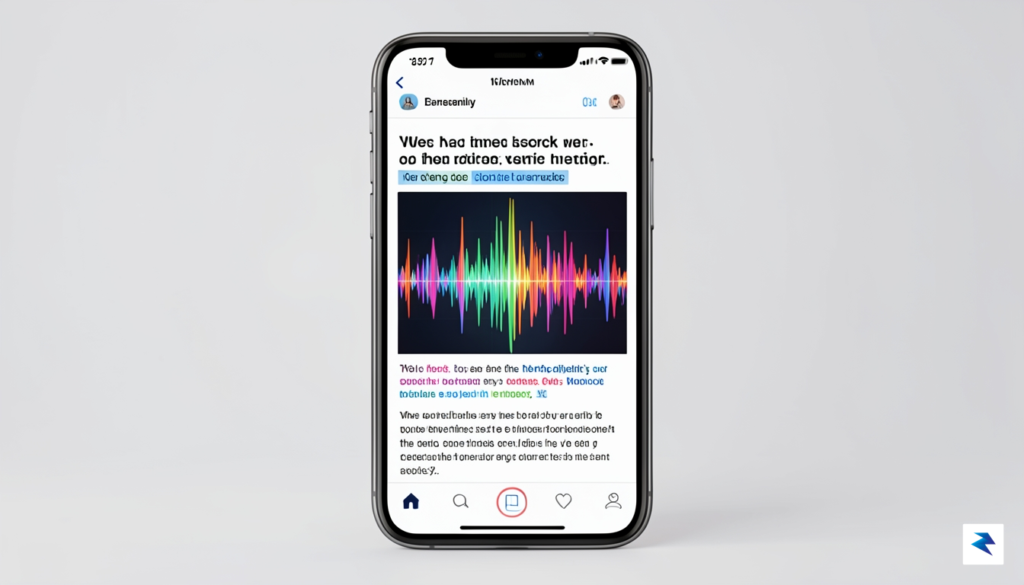
The mechanics of this transformation are remarkably streamlined, requiring little more than a file upload and a prompt to initiate the processing. Once the content is ingested, the AI analyzes the nuances of the text or audio, identifying key themes, critical arguments, and actionable takeaways. Within moments, it generates a concise video summary that utilizes a “hook and digest” structure. The hook captures the most provocative or essential finding immediately, while the digest phase provides the necessary context to understand why that finding matters. This structure is specifically designed to align with how we process information in the modern digital age, prioritizing high-impact insights over long-form exposition.
By condensing complex data into a visual, narrative format, the AI allows professionals to perform a high-level triage of their research pipeline, ensuring that time is only spent on the materials that yield the highest return on investment.
Beyond the mere novelty of the format, the efficiency gains are profound for both academic researchers and corporate professionals. In a corporate environment, where briefing documents often pile up, this feature provides a rapid method for executives to stay informed on market trends or project updates without sacrificing their entire morning to reading. For academics, it serves as a sophisticated filter to scan through vast libraries of literature, identifying relevant studies with unprecedented speed. By shifting the burden of initial synthesis to AI, professionals can spend less time searching for needles in haystacks and more time applying those insights to their actual work. This shift represents a fundamental evolution in how we interact with knowledge, turning static files into dynamic, accessible summaries that fit seamlessly into a busy, modern schedule.
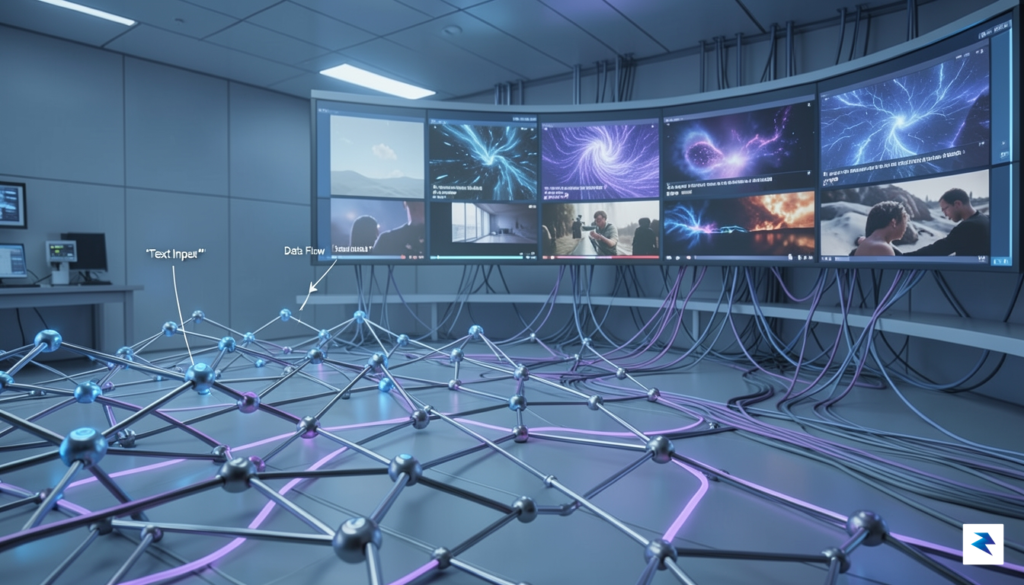
At the heart of this transformation lies Google’s Gemini 1.5 Pro and Ultra models, which function as the sophisticated engine responsible for distilling complex, unstructured research into digestible narratives. Unlike traditional summarization tools that merely prune sentences, these models perform a deep semantic analysis, identifying the core arguments, critical data points, and overarching themes buried within massive documents. By leveraging a massive context window, the AI can cross-reference multiple files simultaneously, ensuring that the resulting script is not only concise but also reflects a holistic understanding of the original research. This process effectively converts dense academic or technical text into a dynamic, 60-second script optimized for engagement without sacrificing the integrity of the source material.
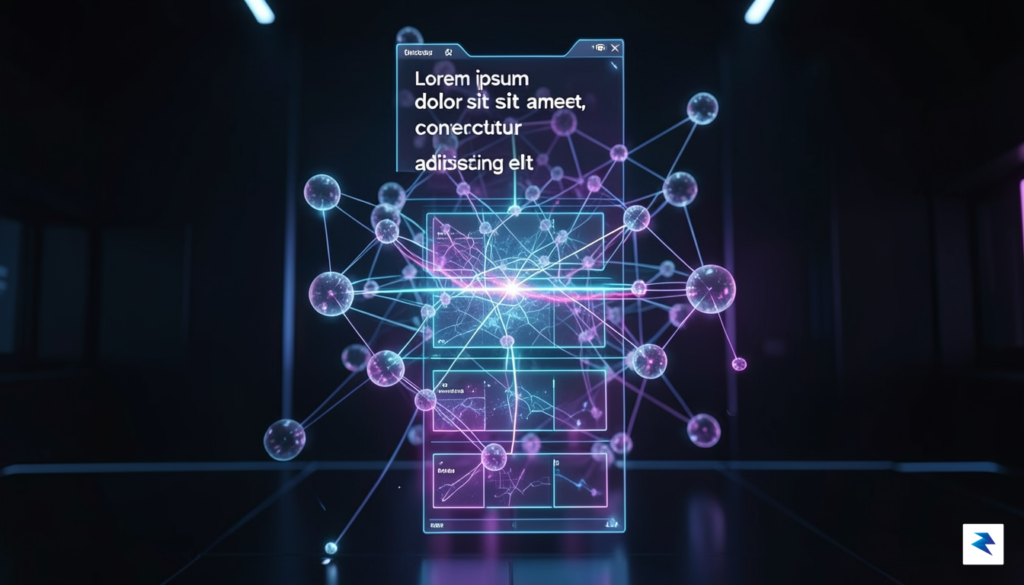
The technical challenge of maintaining factual accuracy during this synthesis cannot be overstated, as the model must bridge the gap between creative storytelling and rigorous data adherence. To mitigate the risk of “hallucination,” the system employs a grounded generation framework, restricting the output to the parameters defined by the uploaded documents. This ensures that every visual cue or narrative beat in the video remains tethered to the original evidence. Furthermore, the model uses a structured prompting hierarchy that forces it to prioritize key insights while discarding auxiliary fluff, resulting in a streamlined narrative arc that mimics the fast-paced, high-retention style typical of modern social media platforms.
The true power of this technology lies in its ability to synthesize dense information into a visual language that matches how we consume knowledge today.
Beyond the linguistic synthesis, the vertical video format itself represents a strategic adaptation to modern user behavior. Most mobile users interact with information in a bottom-up, scrolling fashion, making the 9:16 aspect ratio far more intuitive for rapid content absorption than traditional horizontal media. By automating the visual asset synthesis—aligning key takeaways with appropriate graphical pacing—the system creates a sensory experience that feels natural to the mobile-first generation. This technical alignment of AI-generated scripting with vertical screen architecture ensures that complex research is not just summarized, but actively optimized for the attention economy, turning static pages into compelling, bite-sized digital experiences.
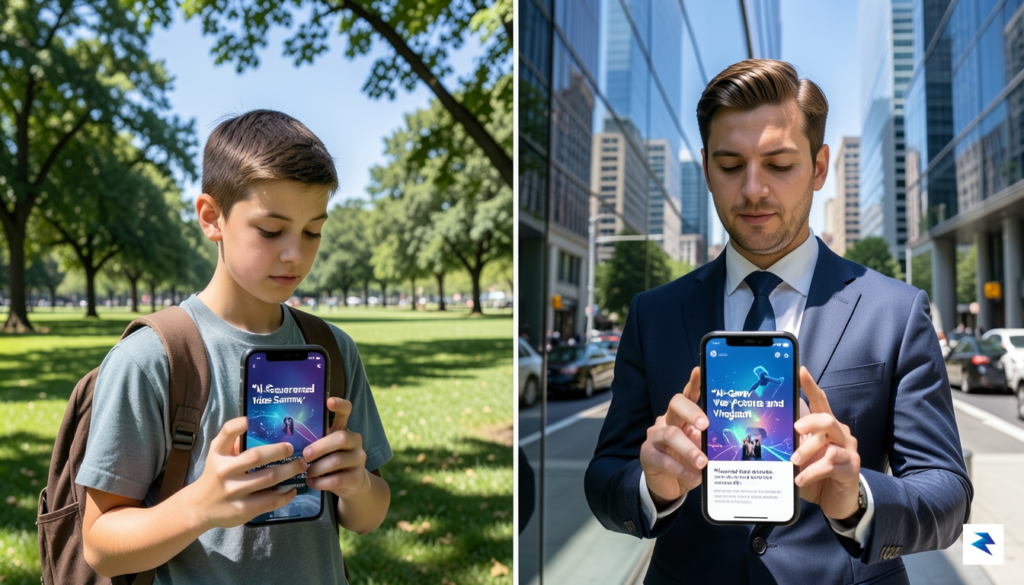
In an increasingly data-rich world, the ability to quickly distill vast amounts of information into actionable knowledge is paramount. This innovative AI-powered summarization tool offers a groundbreaking bridge between raw, often overwhelming, data and clear, concise understanding. By providing what amounts to a ‘video executive summary’ for virtually any document, users can dramatically reduce the time it takes to grasp core concepts, identify critical insights, and retain information more effectively. This goes far beyond simple text summaries, leveraging a visual and dynamic format that caters to modern consumption habits, making complex technical topics accessible to a broader audience than ever before.
For students navigating dense textbooks, lengthy research papers, or intricate case studies, the prospect of an upcoming exam can feel daunting. Imagine having the capacity to upload an entire semester’s worth of readings and instantly receive dynamic, short-form video summaries highlighting the most crucial theories, arguments, and data points. This allows students to quickly identify key themes, reinforce learning before lectures, or efficiently revise for tests without having to reread hundreds of pages. The visual nature of these summaries can significantly enhance memory retention, helping learners connect disparate pieces of information and truly understand the bigger picture rather than just memorizing facts.
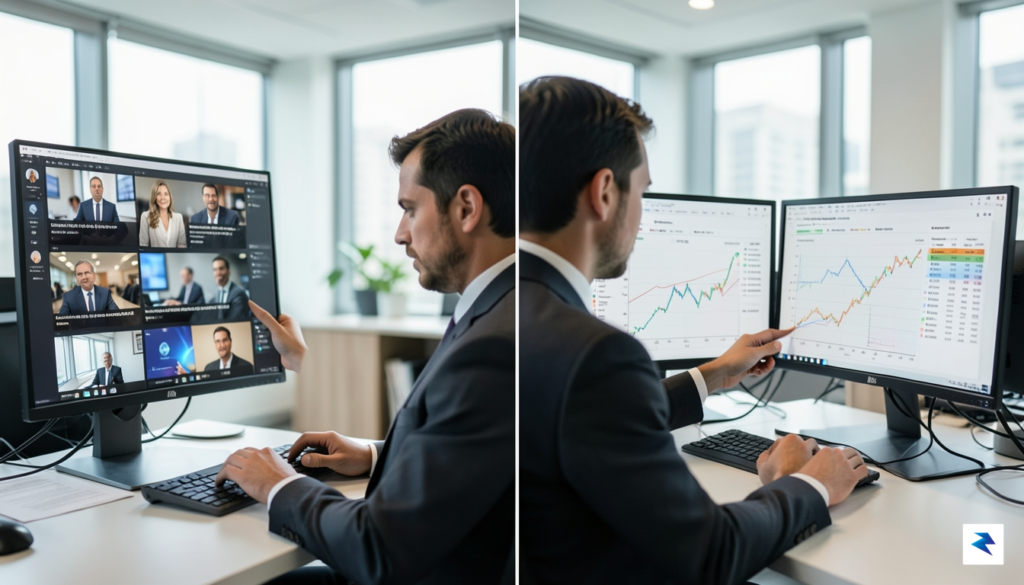
Professionals across all industries constantly grapple with an influx of information, from market research reports and competitor analyses to industry trend forecasts and technical documentation. Sifting through these extensive documents to extract actionable intelligence is a time-consuming endeavor. With this intelligent summarization system, a business analyst could upload a series of quarterly market reports and receive concise video overviews, pinpointing emerging trends, significant shifts in consumer behavior, or critical competitive threats. This not only saves invaluable time but also ensures that no crucial detail is overlooked, enabling faster, more informed strategic decision-making and a clearer understanding of the competitive landscape.
Beyond academic and professional realms, the utility of these dynamic summaries extends seamlessly into personal project management and self-improvement initiatives. Whether you’re planning an intricate home renovation, delving into the complexities of learning a new programming language, or organizing research for a passion project like writing a novel, managing vast quantities of information can be overwhelming. This tool allows individuals to upload articles, manuals, or research notes and receive visually engaging breakdowns of key steps, essential considerations, or critical concepts. It transforms potentially scattered information into a coherent, easily digestible format, significantly reducing the

While the ability to distill complex research into a punchy, TikTok-style summary is undeniably efficient, it is vital to acknowledge that AI-generated content is not a substitute for rigorous human critical analysis. The primary risk inherent in these automated summaries is the phenomenon of “hallucination,” where the model may confidently assert facts that are not present in your source material or, worse, misinterpret key findings entirely. Because these tools prioritize narrative flow and engagement, they may inadvertently prioritize style over factual precision, leading to a polished video that sounds authoritative but lacks empirical grounding.

Furthermore, there is an inescapable loss of nuance when hours of deep research—complete with caveats, methodological limitations, and secondary arguments—are compressed into a sixty-second clip. The process of simplification often strips away the “why” and “how” of a study, leaving only the “what,” which can lead to a shallow understanding of the topic at hand. When you reduce an entire thesis to a handful of soundbites, you risk losing the very context that makes the research valuable. Consequently, users must view these AI tools as assistants rather than final arbiters of truth, ensuring that they remain the primary editors of any content produced.
The true value of research lies in its complexity; when we rely solely on automated summaries, we risk mistaking a convenient overview for a comprehensive education.
To mitigate these risks, it is essential to adopt a proactive approach to verification. Every claim made in an AI-generated video should be cross-referenced against the original source text to ensure that the context has not been distorted or omitted. Think of the AI as a junior research assistant: it can gather and organize information quickly, but it requires a senior expert—you—to review its work for accuracy, tone, and logical consistency. By maintaining this critical distance, you ensure that the convenience of modern technology does not come at the expense of your own intellectual integrity or the quality of your insights.
Ultimately, the goal of using these tools should be to enhance your productivity without compromising the depth of your work. By remaining a critical editor rather than a passive consumer, you can harness the speed of AI-driven synthesis while safeguarding the nuance that defines high-quality research. Always remember that while an algorithm can summarize, only a human can synthesize, contextualize, and truly understand the implications of the information being presented.
You must be logged in to post a comment.