
The $100 Billion Question: Uncovering the True Cost of a Potential Iran War
The Financial Reality of Modern Conflict The fiscal architecture of modern warfare has undergone a radical transformation, moving far beyond…
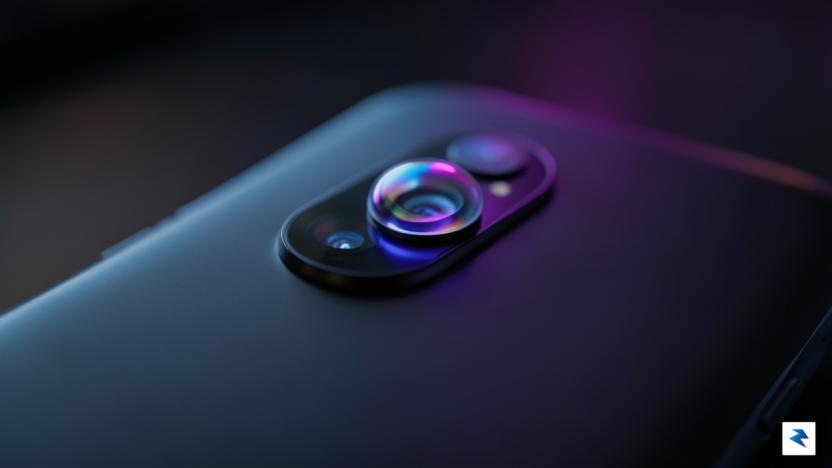
For years, Google has been on a deliberate journey to forge a visual identity that is instantly recognizable in a sea of homogenous smartphone designs. In the early days of the Pixel series, the company experimented with various aesthetics, ranging from two-tone glass and metal finishes to modest, corner-mounted camera bumps that mirrored the industry standard. However, the true turning point arrived with the Pixel 6, which introduced the iconic horizontal camera bar. This design choice was more than just a functional housing for sensors; it served as a bold architectural statement, effectively stretching the device’s personality across its entire width and ensuring that every Pixel owner could be identified from across a room.
As the design matured through the Pixel 7, 8, and 9 generations, the camera bar evolved from a stark, protruding visor into a more refined, polished element of the phone’s chassis. It transitioned from a utilitarian bump into a seamless, integrated feature that balanced sophisticated hardware with a playful, friendly design language. This consistency helped cement the Pixel as a premium device with a distinct personality, moving away from the generic rectangular camera clusters favored by competitors. By grounding the brand in this singular design motif, Google successfully transformed the rear of the phone into a hallmark of its software-forward philosophy.
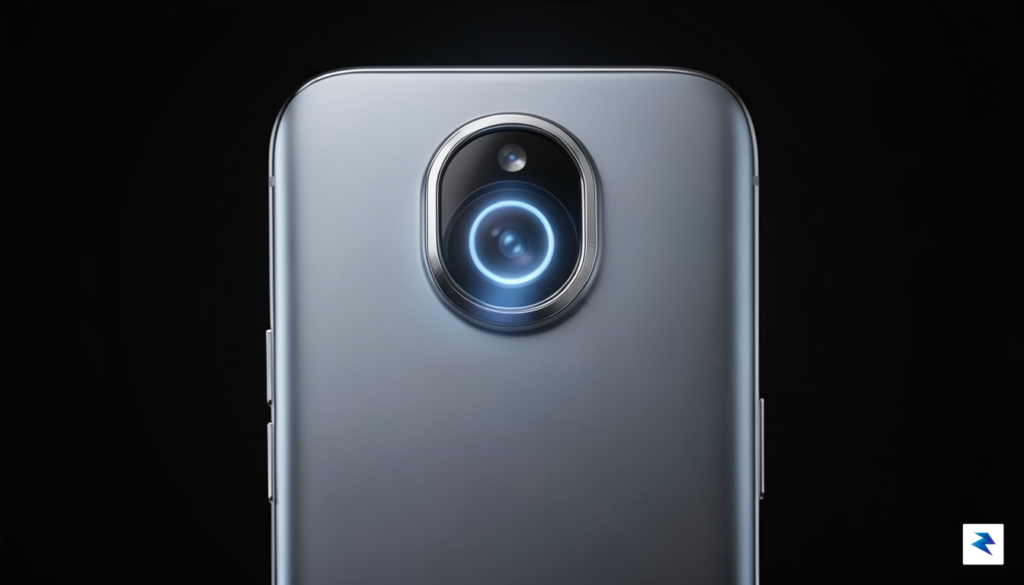
Now, however, the status quo is being challenged by an unexpected glimpse into the future. A recent teaser surfaced on the official Google store, showcasing a subtle yet radical departure from the familiar, static camera bar we have grown accustomed to. In this short, atmospheric clip, the camera housing appears to feature a mysterious, glowing orb—a dynamic element that suggests Google is ready to move beyond fixed hardware toward something more interactive. This isn’t just another incremental update to lens placement; it implies a shift toward an integrated light source or sensor technology that could fundamentally change how we interact with our devices.
The introduction of a glowing, interactive element within the camera bar suggests that Google is moving toward a future where the device’s exterior hardware is as dynamic and intelligent as the software running within it.
This development raises compelling questions about the intersection of form and function. If the Pixel 11 truly incorporates a light-emitting component into its camera structure, it could serve a variety of purposes, from sophisticated notification indicators to advanced photography lighting or even biometric verification. By shifting from a static visor to a glowing, active feature, Google is once again positioning the Pixel as a pioneer of smartphone identity, proving that even a well-established design language is subject to meaningful evolution when innovation demands it.
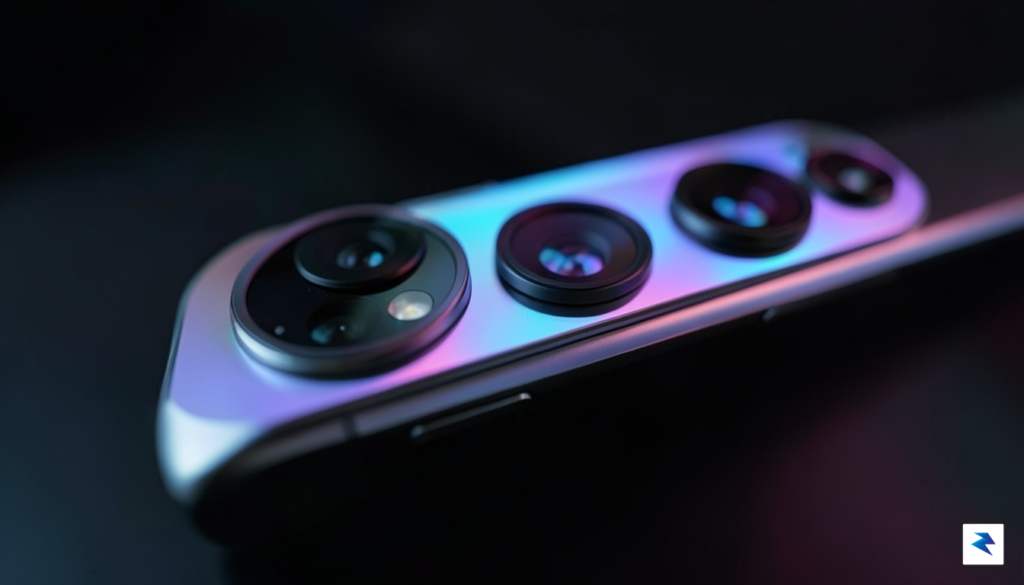
The sudden appearance of an enigmatic glowing orb integrated into the Pixel 11’s camera housing has ignited a fierce debate among hardware enthusiasts and mobile photographers alike. At its most functional, this component could represent a significant leap forward in mobile lighting technology, acting as a high-CRI (Color Rendering Index) fill light designed specifically for macro and close-up portraiture. By utilizing a dedicated, diffused LED emitter, Google could provide users with studio-grade illumination that softens skin tones and eliminates the harsh, localized shadows often produced by standard smartphone flashes. This would transform the camera bar from a mere housing for lenses into a versatile, portable light source for content creators who demand professional results without the need for bulky external gear.
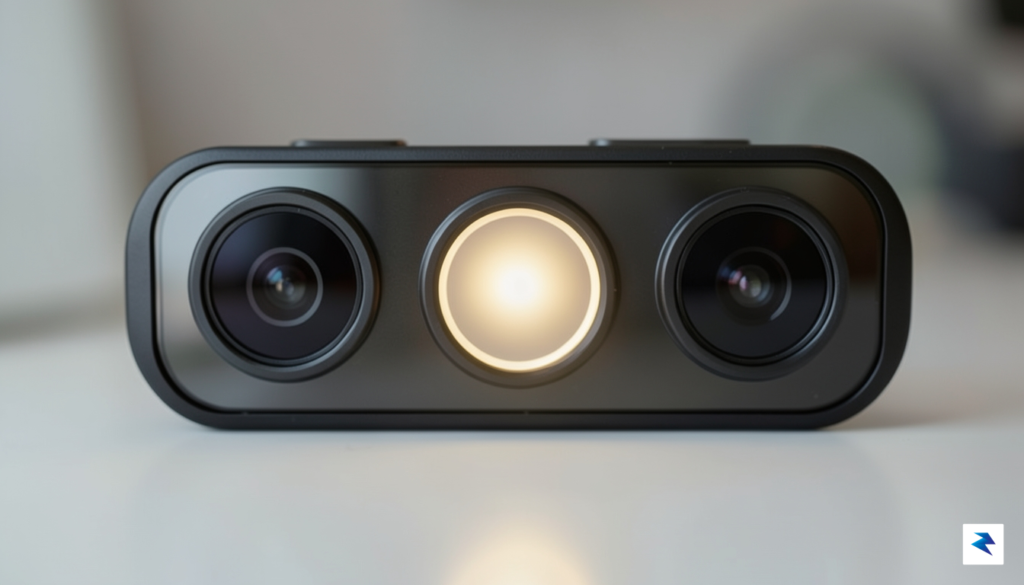
Beyond photography, the orb may serve as a sophisticated status indicator that leans into the ambient computing philosophy Google has championed for years. Much like the Glyph interface popularized by the Nothing Phone, this light could act as a non-intrusive notification system, pulsing or changing colors to signal incoming calls, battery status, or silent alerts. However, given Google’s aggressive push into generative AI, it is equally plausible that the orb serves as a visual bridge between the user and the phone’s onboard processing. Imagine the orb gently glowing during a complex AI task—such as real-time language translation or on-device image synthesis—providing the user with a tactile, visual confirmation that the hardware is actively working on their behalf.
The integration of such hardware is a logistical nightmare for engineers, as the camera bar is already one of the most densely packed regions of a modern smartphone.
From a technical standpoint, integrating a new light source into an already overcrowded camera module presents substantial engineering challenges. Smartphone manufacturers must carefully manage internal heat dissipation, battery draw, and the limited physical space available behind the camera glass. Adding a dedicated LED module requires not only the light source itself but also a sophisticated heat sink and a controller chip that must communicate seamlessly with the device’s main processor. If Google has successfully achieved this, it suggests a breakthrough in micro-component design, allowing them to stack hardware layers without compromising the structural integrity or the thin profile of the Pixel 11. Whether this orb is a purely aesthetic flourish meant to provide brand identity or a functional utility, it clearly signals that Google is looking to differentiate its hardware through meaningful, hardware-integrated user experiences.

For years, Google’s hardware design language has been defined by a deliberate tension between approachable softness and high-end technical precision. By marrying rounded corners and matte, tactile finishes with sophisticated internal engineering, the company has successfully carved out a unique space in the premium smartphone market. However, the emergence of a glowing, interactive element on the Pixel 11’s camera bar suggests that Google is looking to move beyond static industrial design. Instead, the company appears to be embracing a philosophy where hardware is no longer just a vessel for software, but an emotive partner capable of communicating directly with the user through light and movement.
This shift toward interactive hardware marks a departure from the “silent” utility of previous generations, signaling a future where the device itself possesses a personality. While many competitors have utilized RGB lighting as a tool for aggressive gaming aesthetics or purely functional notification blinking, Google’s implementation feels inherently more human-centric. By integrating this light into the signature camera bar—a centerpiece of the Pixel’s visual identity—the design team is effectively bridging the gap between utilitarian hardware and expressive interface. It is a subtle, almost organic way to acknowledge the user, transforming the phone from a cold slab of glass into an object that feels responsive and alive.
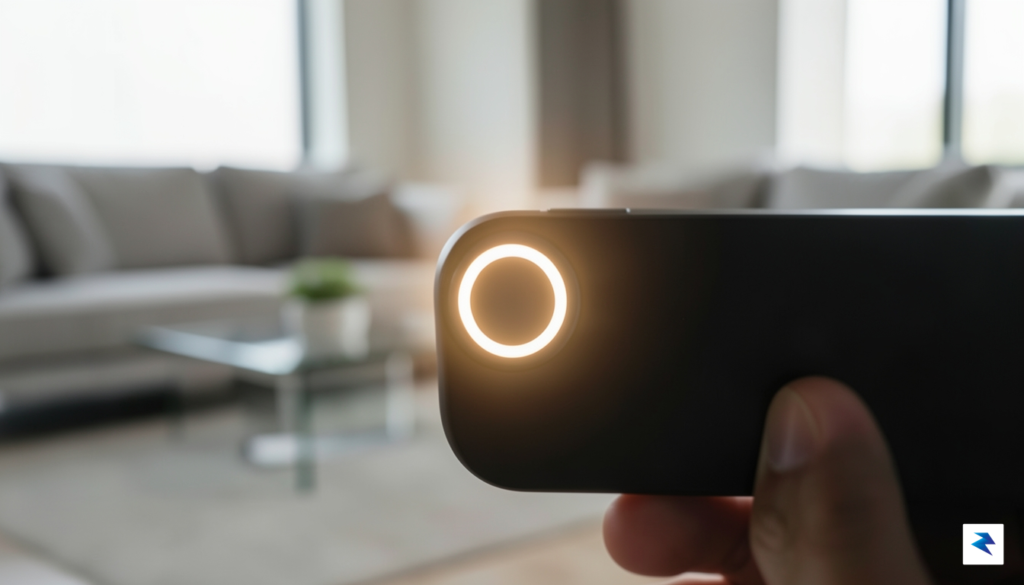
Comparing this approach to the wider industry, we see a distinct divergence in priorities. Where other manufacturers often treat light-based alerts as a distraction or a flashy gimmick, Google’s design language leans into the concept of “calm technology.” The glow is intended to be communicative rather than intrusive, providing necessary feedback without overwhelming the user’s environment. This aligns perfectly with Google’s broader mission to make artificial intelligence and digital assistance feel more intuitive and less mechanical. By weaving this glowing orb into the very architecture of the phone, Google is establishing a new standard for how hardware can facilitate emotional connection.
The integration of light into the Pixel 11’s camera bar represents a fundamental shift in how we perceive smartphone utility: hardware is evolving from a passive tool into an active, communicative participant in our daily lives.
Ultimately, this evolution speaks to a mature stage of the Pixel brand, where the aesthetics are no longer just about looking premium, but about feeling integrated into the user’s personal ecosystem. As we look toward the future of Pixel design, it becomes clear that Google is no longer satisfied with devices that simply perform tasks. By layering emotive, interactive elements into their hardware, they are building a bridge toward a future where our devices better understand, respond to, and reflect our needs in real-time. This glowing orb is likely just the beginning of a broader design movement that prioritizes warmth, responsiveness, and a more symbiotic relationship between human and machine.
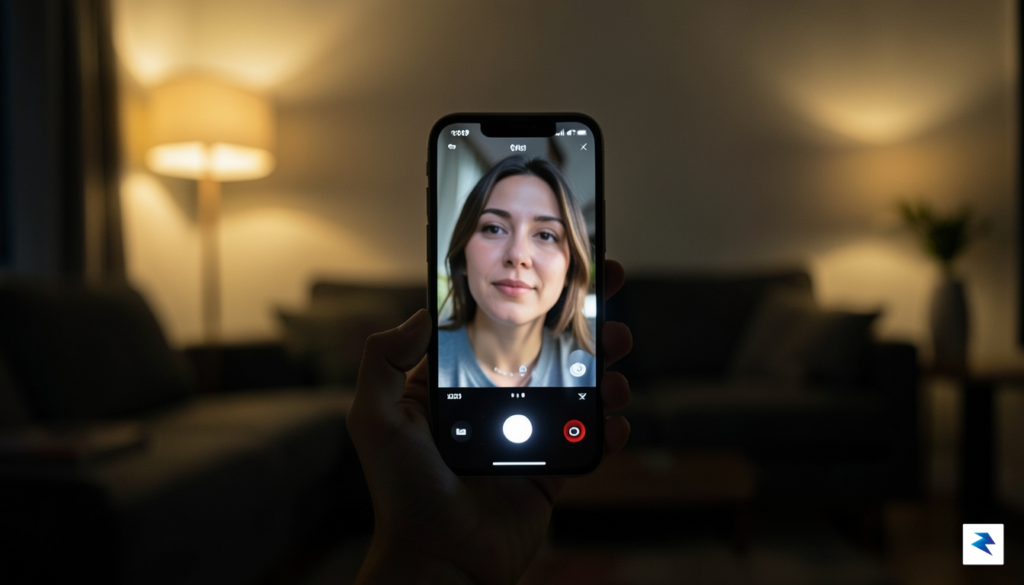
The mysterious glowing orb integrated into the Pixel 11’s camera bar represents more than just a stylistic flourish; it signals a potential paradigm shift in how we approach mobile content creation. By embedding an active light source directly into the camera module, Google appears to be bridging the gap between hardware-based illumination and computational photography. If this orb functions as an AI-driven ring light, it could intelligently synchronize with the phone’s sensor to adjust color temperature in real-time, effectively neutralizing harsh shadows and unnatural skin tones that often plague low-light mobile portraits. Rather than relying solely on post-processing algorithms to “fix” an image after the fact, the device may soon be able to curate the perfect lighting environment before the shutter is ever pressed.
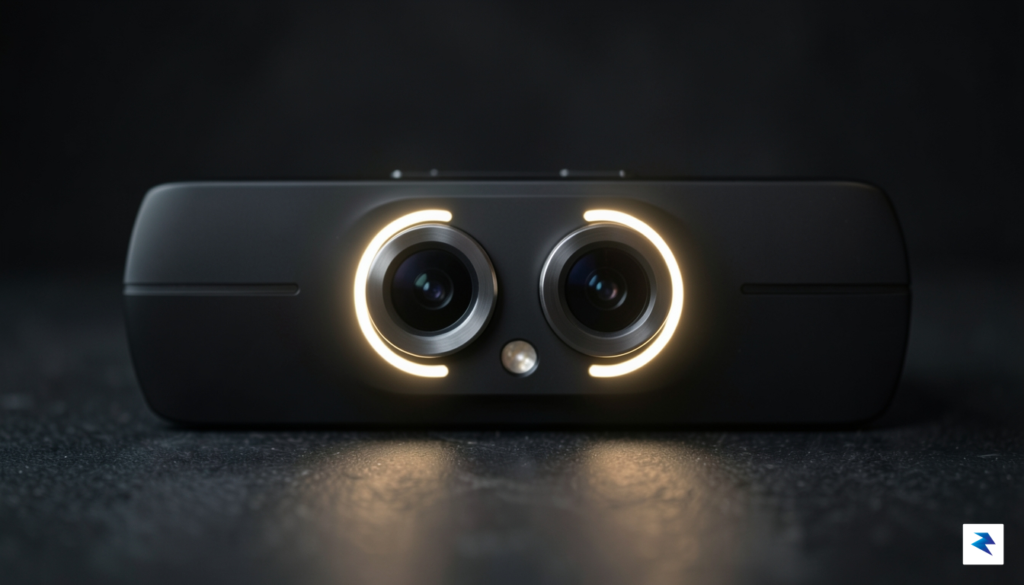
This integration holds profound implications for the world of mobile videography, where consistent lighting remains the ultimate barrier to professional-quality output. For creators who frequently film in unpredictable environments, the ability to modulate the orb’s intensity and hue could turn a standard smartphone into a genuine pro-sumer mobile studio. By leveraging Google’s deep expertise in machine learning, the camera software could automatically detect the ambient light profile of a room and calibrate the orb’s output to fill in subjects perfectly, creating a professional “glow” that was previously only achievable with external equipment. This dynamic interaction between software and hardware would effectively democratize high-end production values for everyday users.
The true power of this feature lies in its potential to act as a reactive, intelligent lighting assistant that understands the subject’s environment as well as the photographer does.
Furthermore, moving beyond simple portraits, this advancement suggests a more fluid integration of hardware and AI that could redefine the “night mode” experience. If the camera software can command this light to pulse or shift focus during complex scene compositions, it could minimize digital noise and sharpen details in ways current software-only solutions simply cannot match. By physically illuminating the scene with a light source that is perfectly synced to the lens’s focal plane, the Pixel 11 might finally overcome the limitations of sensor size in dark settings. This is a leap toward a future where the device doesn’t just capture light, but actively participates in crafting the visual narrative of every shot.
As the anticipated launch date for the Pixel 11 draws near, the cryptic, glowing orb integrated into the camera bar has become the primary focal point of intense industry speculation. This subtle yet striking design choice represents far more than a mere aesthetic flourish; it serves as a bold teaser for a comprehensive transformation within the entire Pixel hardware ecosystem. For years, Google has meticulously refined its computational photography prowess, but this shift suggests the company is finally ready to marry that software dominance with a hardware identity that is unmistakably, defiantly unique. By moving beyond the standard industrial designs that currently saturate the smartphone market, Google is signaling a transition toward a more cohesive, immersive, and visually distinct brand language.
In a landscape where iterative updates have become the norm, the decision to incorporate a functional, light-emitting element demonstrates a clear intent to stand out in a crowded field. Consumers are increasingly weary of devices that offer only marginal improvements in processing power or battery life, often searching for tangible innovation that feels fresh and purposeful. If this glowing indicator acts as a visual interface for notifications, charging status, or AI-driven context awareness, it could fundamentally change how users interact with their devices on a daily basis. By prioritizing this level of hardware-software integration, Google is betting that users are ready to embrace a device that communicates with them, rather than one that simply sits passively in their pocket.
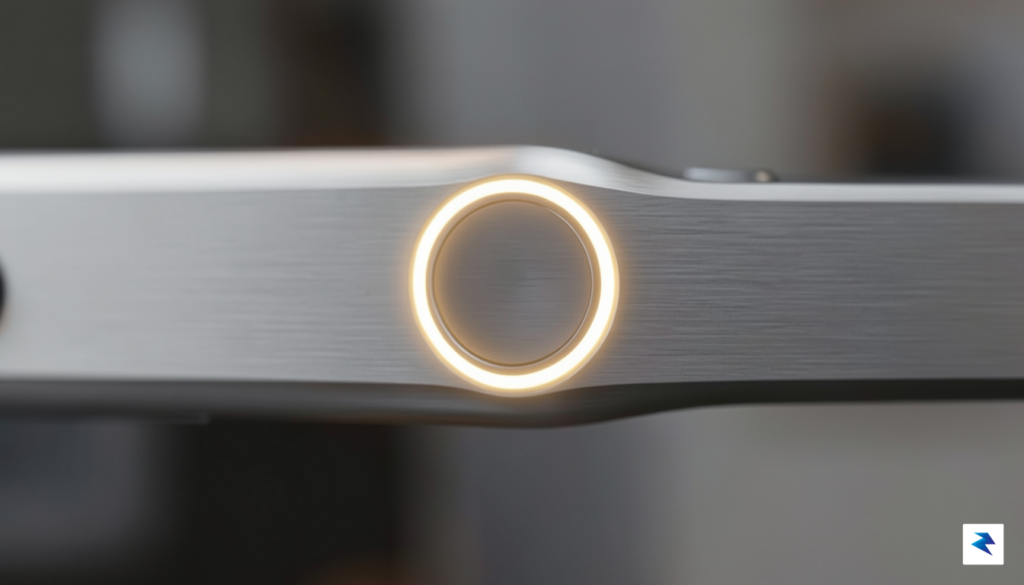
The success of the Pixel 11 will ultimately hinge on whether this glowing feature feels like a genuine tool for the user or merely a decorative gimmick.
Looking toward the future, this hardware iteration provides a fascinating window into Google’s long-term confidence in its product roadmap. It suggests a company that is no longer content to follow the design trends established by competitors, but is instead comfortable defining its own path through bold, experimental choices. If this feature proves successful, it will likely serve as a foundational element for future iterations, influencing everything from wearable devices to home automation hardware. Ultimately, the Pixel 11 represents a pivotal moment where Google is attempting to bridge the gap between high-end utility and emotive, human-centric design, setting a high bar for what we should expect from the next generation of mobile technology.
You must be logged in to post a comment.