
Is Meta’s NameTag Real? The Truth Behind the Facial Recognition Rumors
The Mystery Behind Meta's NameTag Technology The discourse surrounding Meta’s potential foray into real-time facial recognition—a concept…

The fiscal architecture of modern warfare has undergone a radical transformation, moving far beyond the simple tally of boots on the ground and rounds fired. As intelligence estimates begin to coalesce around a staggering $100 billion price tag for a potential conflict with Iran, it is clear that we are no longer looking at the localized skirmishes of the mid-20th century. Instead, we are facing the reality of a multi-domain theater where the integration of hyper-advanced surveillance systems, satellite constellations, and precision-guided munitions creates a relentless “burn rate” on the federal budget. Unlike the wars of the past, where industrial output was the primary constraint, today’s financial burden is driven by the sheer complexity of maintaining a persistent, high-tech presence in a hostile region.
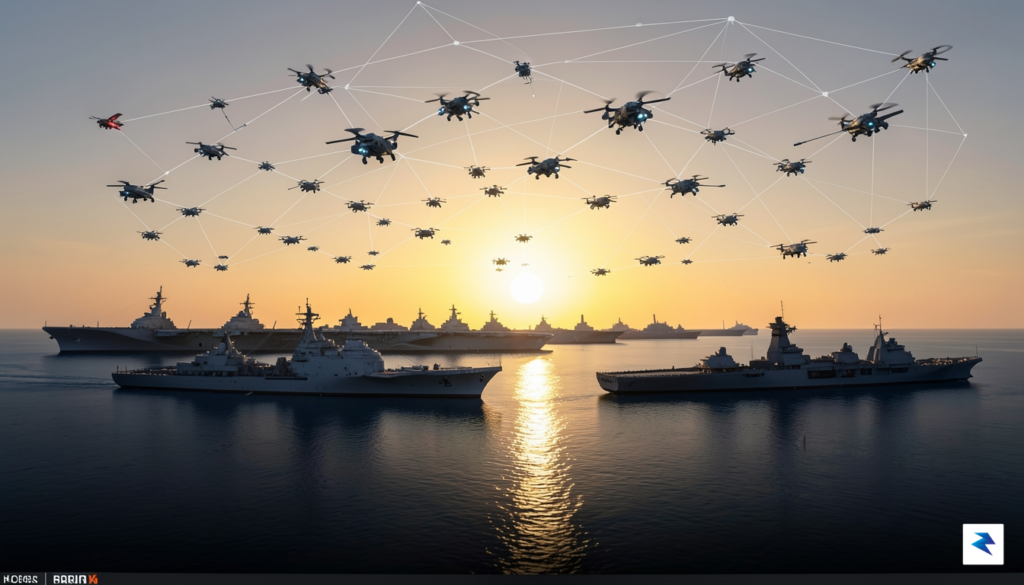
When we look back at the historical precedents of the early 2000s, the costs of the Iraq and Afghanistan wars provide a sobering baseline. Those protracted engagements, which spanned two decades, eventually ballooned into multi-trillion-dollar endeavors as the logistical tail—comprising medical care for veterans, reconstruction efforts, and prolonged supply chain maintenance—expanded far beyond initial projections. However, a conflict with Iran would likely deviate from that model by being more asset-intensive and immediate. The current inflation in defense spending is not merely a result of rising oil prices, though energy remains a significant factor; it is fundamentally about the skyrocketing cost of sophisticated ordinance. Modern precision weapons are vastly more expensive than the “dumb” bombs of previous eras, and the sheer volume required to suppress sophisticated air defense systems ensures that the treasury would be drained at an unprecedented pace.
The transition from kinetic, manpower-heavy warfare to intelligence-driven, high-tech operations has effectively decoupled the cost of war from traditional budgetary forecasting.
Furthermore, the logistical reality of operating in the Persian Gulf adds a layer of operational complexity that drives costs into the stratosphere. Maintaining a maritime blockade or a sustained air campaign requires a constant rotation of carrier strike groups, which consume fuel, spare parts, and maintenance hours at a rate that is exponentially higher than land-based operations. When we factor in the necessity of cyber-defense infrastructure and the need to protect regional allies from drone swarms and ballistic missile threats, the $100 billion estimate starts to look like a conservative starting point rather than an upper limit. By examining these expenditures through the lens of recent history, it becomes evident that modern conflict is a fiscal black hole, where the initial financial projections are almost always eclipsed by the hidden requirements of maintaining technological superiority in a volatile, interconnected world.
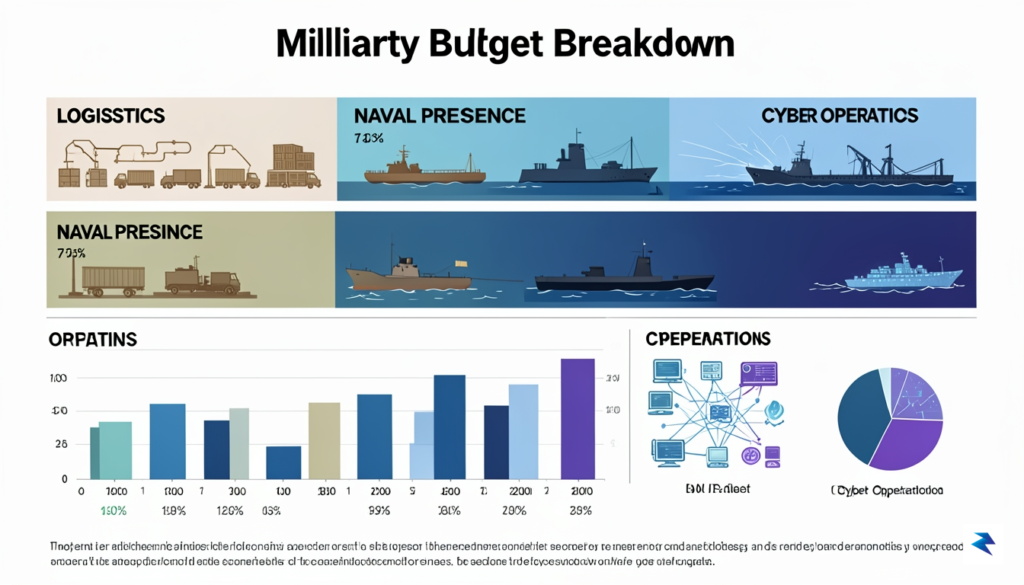
To understand why intelligence estimates place the price tag of a potential conflict with Iran well into the nine-figure range, one must look far beyond the initial kinetic strikes. Modern warfare is a capital-intensive endeavor where the cost of combat is often dwarfed by the sheer expense of maintaining a persistent, high-readiness presence in a contested theater. A surge in the Middle East would require the immediate deployment of multiple carrier strike groups to the Persian Gulf and the Arabian Sea, each operating at a staggering daily cost that includes fuel, maintenance, and the rapid consumption of precision-guided munitions. These floating airfields are not merely platforms for aircraft; they are complex logistical ecosystems that require constant protection, replenishment, and support from a vast fleet of destroyers and submarines.

The operational overhead extends significantly into the skies, where the demand for aerial refueling and persistent surveillance would reach unprecedented levels. Maintaining a 24/7 “eyes-on” capability over Iranian territory requires a constant rotation of tankers, unmanned aerial vehicles, and electronic warfare aircraft, all of which incur immense hourly flight costs. Furthermore, the Strait of Hormuz represents one of the most challenging maritime environments on the planet; securing this vital chokepoint against asymmetric threats like fast-attack craft and sea-based mines necessitates a massive, sustained presence of mine-countermeasure vessels and patrol boats. The necessity of keeping these assets fueled, armed, and operational in a high-threat environment transforms a localized military action into a bottomless fiscal commitment.
The “tail-to-teeth” ratio in modern logistics dictates that for every soldier engaged in direct combat, dozens more are required to handle the supply chain, communication, and maintenance infrastructure.
This reality is governed by the military principle of the “tail-to-teeth” ratio, which describes the massive support structure required to keep frontline combat units functioning. In a conflict with a nation as geographically vast and strategically fortified as Iran, the “tail”—the logistics, medical support, intelligence processing, and supply chain management—must be exceptionally robust to sustain the “teeth.” Every gallon of fuel delivered to a remote base, every spare part flown into theater, and every hour of satellite bandwidth consumed adds to the mounting bill. When these long-term logistical burdens are aggregated, it becomes clear that the $100 billion figure is not merely a reflection of ordnance expended, but a realistic assessment of the exorbitant price of projecting sustained power across thousands of miles.

While the $100 billion price tag for Pentagon operations represents a staggering fiscal burden, the true economic shock of a conflict with Iran would likely be felt far beyond the halls of the Department of Defense. Energy markets serve as the lifeblood of the global economy, and the Middle East remains the world’s most critical artery for oil and natural gas transit. Any regional instability risks choking this supply, particularly through the Strait of Hormuz, a narrow maritime chokepoint through which nearly one-fifth of the world’s total oil consumption passes daily. Should this route be compromised, the subsequent spike in oil prices would act as a regressive tax on every consumer, driving up costs for transportation, manufacturing, and basic household goods across the globe.
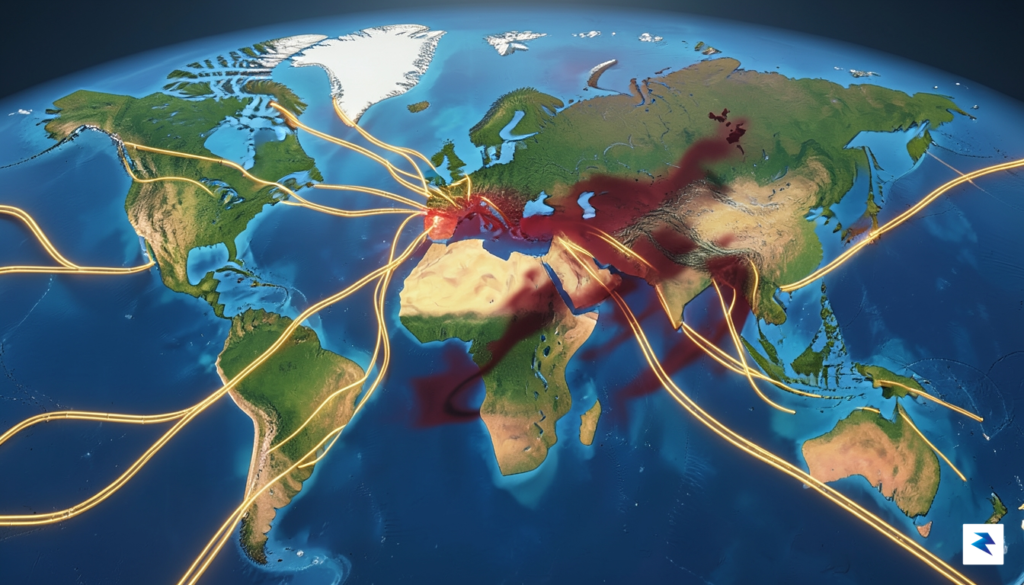
The inflationary pressure generated by such a crisis would be immediate and severe. Global supply chains, already sensitive to geopolitical friction, would face compounding disruptions as shipping insurance premiums skyrocket and fuel costs render long-haul logistics prohibitively expensive. When the cost of moving goods increases, businesses are forced to pass those expenses onto the consumer, fueling a cycle of inflation that central banks struggle to manage. Unlike direct military spending, which is an allocated budget item, the economic contraction caused by volatile energy prices is an unbudgeted disaster that degrades purchasing power for taxpayers in every corner of the world.
The financial cost of direct military engagement is merely the entry fee; the real expense is found in the broader, unquantifiable volatility that a major conflict introduces to the interconnected global financial system.
Ultimately, the Pentagon’s mounting bill is arguably a secondary concern when measured against the systemic risk posed to international markets. A regional war in the Middle East does not merely burn through tax dollars; it threatens to stall global growth by inducing uncertainty, prompting capital flight, and disrupting the steady flow of energy that modern economies require to function. As investors retreat to safer assets, emerging markets often suffer, and the resulting economic slowdown can lead to long-term stagnation that far outlasts the duration of the physical combat. Policymakers must therefore recognize that the decision to engage in such a conflict is not just a strategic or tactical choice, but a decision to gamble with the stability of the entire global economic order.

While headlines often focus on the immediate sticker price of a conflict—the cost of precision missiles, fuel, and the deployment of naval carrier groups—these figures represent merely the tip of a much larger fiscal iceberg. A war with a nation the size and complexity of Iran would necessitate a staggering investment that extends far beyond the duration of active hostilities. History demonstrates that the true financial burden of modern warfare is back-loaded, manifesting in the decades following the cessation of combat through long-term veteran care and the inevitably complex requirements of regional stability.

The most significant of these “hidden” costs resides within the Department of Veterans Affairs (VA). When soldiers return home, the federal government assumes a lifelong obligation to provide medical treatment, mental health support, and disability compensation. In the wake of conflicts in Iraq and Afghanistan, we witnessed a dramatic surge in disability claims related to traumatic brain injuries, respiratory issues from burn pits, and the profound, lingering effects of post-traumatic stress disorder. A conflict involving a high-intensity theater like Iran would likely result in an exponential increase in these long-term claims, potentially necessitating a multi-generational expansion of the VA budget that could dwarf the initial Pentagon spending estimates.
The cost of war does not end when the troops come home; it is paid in the currency of decades of medical support and disability benefits, creating a permanent fiscal legacy that persists long after the political objectives of the conflict have faded.
Beyond the domestic obligations to our service members, we must confront the daunting prospect of post-conflict reconstruction. If a war were to significantly degrade Iranian infrastructure or destabilize the broader regional power grid, the international community would face immense pressure to fund humanitarian aid and reconstruction efforts. Unlike the “kinetic” costs of initial engagement, these expenses are often unpredictable and prone to ballooning due to corruption, logistical hurdles, and the sheer scale of social stabilization required to prevent a failed state. Whether through direct U.S. intervention or multi-lateral reconstruction packages, the price of maintaining peace in a post-war landscape often rivals the price of the war itself.
Ultimately, the $100 billion projection acts as a starting point, not a ceiling. By failing to account for the total lifecycle cost of military force, policymakers risk a dangerous form of fiscal myopia. To truly understand the gravity of a potential conflict, we must transition our perspective from the immediate exchange of ordnance to the lasting socioeconomic reality that defines the decades following the last shot fired. Planning for war without planning for the long-term human and regional costs is not just a budget error; it is a fundamental misunderstanding of what a nation is truly committing to when it chooses the path of escalation.

The silence emanating from the current administration regarding these staggering $100 billion projections is not merely a matter of administrative preference; it represents a significant erosion of the democratic imperative for fiscal accountability. When the government prepares for a conflict of this magnitude, the American public deserves more than vague assurances or clandestine memos. By keeping these fiscal estimates under wraps, the executive branch effectively sidelines the national conversation, preventing voters from weighing the true economic cost of a potential war against the stated geopolitical objectives. This lack of transparency forces citizens to navigate a fog of uncertainty, where critical foreign policy decisions are made in the shadows rather than through the robust, public debate that a healthy democracy requires.

Congressional oversight serves as the primary firewall against the reckless expenditure of taxpayer funds, yet that system is strained when the administration keeps the most vital data classified. Historically, administrations have often opted for ambiguity regarding defense spending, citing “national security concerns” to avoid public scrutiny. However, when the price tag of a potential intervention reaches nine figures, the argument for secrecy collapses under the weight of public interest. Without clear, itemized projections, lawmakers are left without the necessary leverage to challenge the executive branch, effectively rendering the power of the purse—a foundational pillar of our legislative system—largely symbolic.
A democracy cannot function if the people do not know what their government is paying for, especially when the cost of policy is measured in both treasure and blood.
Ultimately, a transparent budget process is not just a bureaucratic formality; it is a fundamental check on government power. When cost estimates are obscured, it becomes far too easy for policymakers to underestimate the long-term economic consequences of their actions, potentially dragging the nation into a quagmire that lacks sustained financial or public support. To ensure that any potential conflict with Iran is handled with the gravity it demands, the administration must move beyond the current culture of secrecy. Providing a comprehensive, public accounting of the expected costs is the only way to restore trust and ensure that if the country does choose to go to war, it does so with eyes wide open and a clear understanding of the bill that will inevitably follow.
You must be logged in to post a comment.