The A7A5 Mystery: Why Analysts and Issuers Disagree on Billion-Dollar Volume
The Rise of A7A5: A Billion-Dollar Mystery In the complex theater of global finance, where sanctions have effectively severed major Russian…
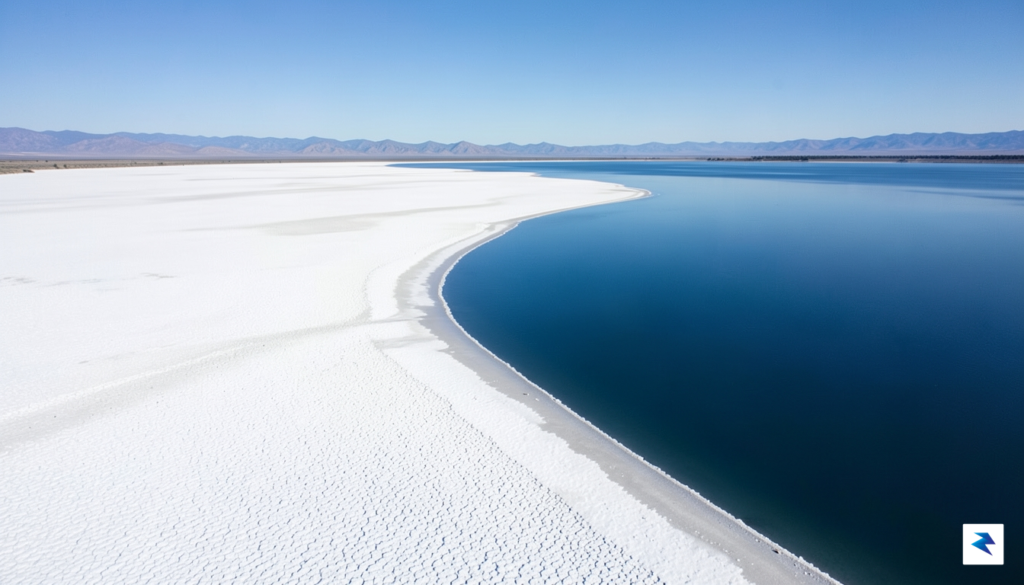
For over a century, the Great Salt Lake has served as a silent, sprawling sentinel of the American West, but its recent decline has transformed it from a landmark into a flashing warning light. Historically, the lake has experienced natural fluctuations in water level, yet the trend over the last 150 years—particularly the last three decades—has shifted from cyclical variation to a precarious, persistent downward spiral. Driven by a volatile mix of prolonged drought, a warming climate, and, most significantly, the aggressive diversion of tributary water for agricultural and municipal use, the lake has been starved of the very inflows required to maintain its terminal basin status. As these waters are intercepted long before they reach the lakebed, the once-vast expanse has retreated, exposing hundreds of thousands of acres of dry, mineral-laden sediment that was submerged for generations.

This hydrological collapse triggers a catastrophic chain reaction known as the death spiral of salinity. Because the Great Salt Lake is a terminal basin with no outlet to the ocean, its salt content is entirely dependent on the balance between inflowing fresh water and evaporative loss. As the water volume plummets, the remaining brine becomes hyper-saline, reaching concentrations that threaten the foundational elements of the entire ecosystem. Brine shrimp and brine flies—the primary food sources for millions of migratory birds—are reaching their physiological limits. If the salinity levels continue to climb, these populations will crash, effectively dismantling a vital link in the Pacific Flyway and endangering species that rely on the lake as a critical sanctuary during their arduous seasonal migrations.
The health of the Great Salt Lake is not merely a regional ecological concern; it is a fundamental pillar for the environmental stability of the entire Intermountain West.
Beyond the loss of biodiversity, the drying lakebed poses a severe and immediate threat to public health across the Wasatch Front. The exposed basin is not just sterile dirt; it is a concentrated repository of legacy heavy metals, including arsenic, mercury, and selenium, which have settled into the lakebed sediments over decades of industrial activity. As high winds scour these dry flats, they lift fine, toxic particulate matter into the air, creating dust storms that can be inhaled by millions of residents in nearby urban centers. This invisible, airborne hazard transforms the environmental crisis into a human health emergency, as prolonged exposure to these toxins is linked to respiratory ailments and long-term systemic health issues. Recognizing the gravity of this decline is the essential first step toward reclaiming the lake’s future, as we move from passive observation to the rigorous, data-driven restoration that this ecosystem demands.
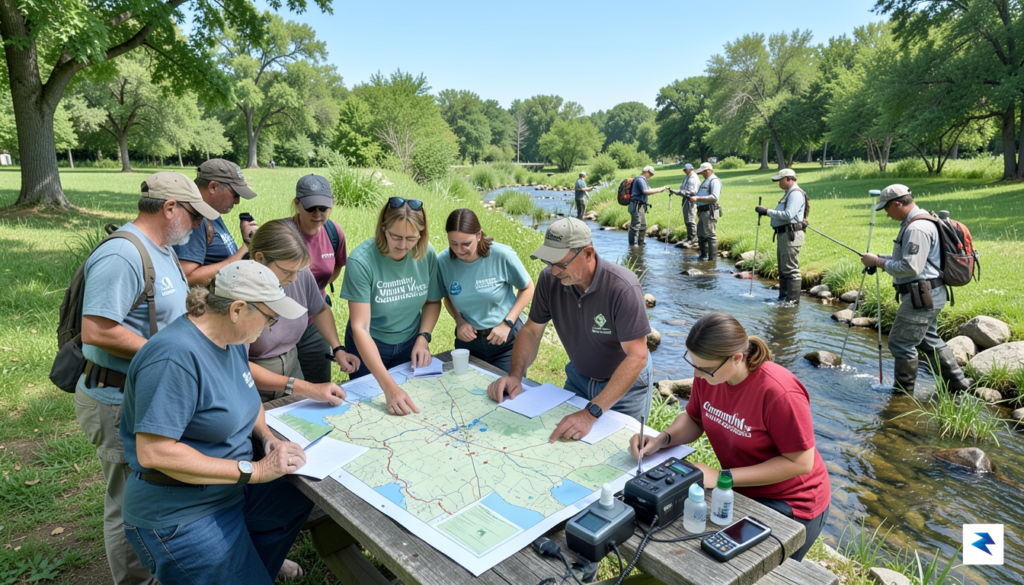
The “Grow the Flow” initiative represents a fundamental transformation in how citizens engage with the health of the Great Salt Lake. For years, the public conversation surrounding the lake was dominated by passive concern—a feeling of helplessness as water levels receded and ecosystems teetered on the brink of collapse. This movement has successfully shifted that narrative, moving the needle from mere awareness toward rigorous, systemic legislative advocacy. By demanding that water management decisions be rooted in verifiable data rather than political expediency, Grow the Flow has established a new framework for public accountability that forces policymakers to confront the reality of our water consumption habits.
At the heart of this initiative is the powerful integration of civic science, which serves as a vital bridge between complex hydrological data and the average resident. Historically, the technical intricacies of water rights and basin management were siloed away in government reports, inaccessible to those most affected by the lake’s decline. Grow the Flow democratizes this information, transforming abstract statistics into actionable insights that empower community members to hold stakeholders accountable. When the public understands exactly how much water is being diverted and where it is being lost, the conversation stops being about speculative environmentalism and starts being about precise, evidence-based resource management.
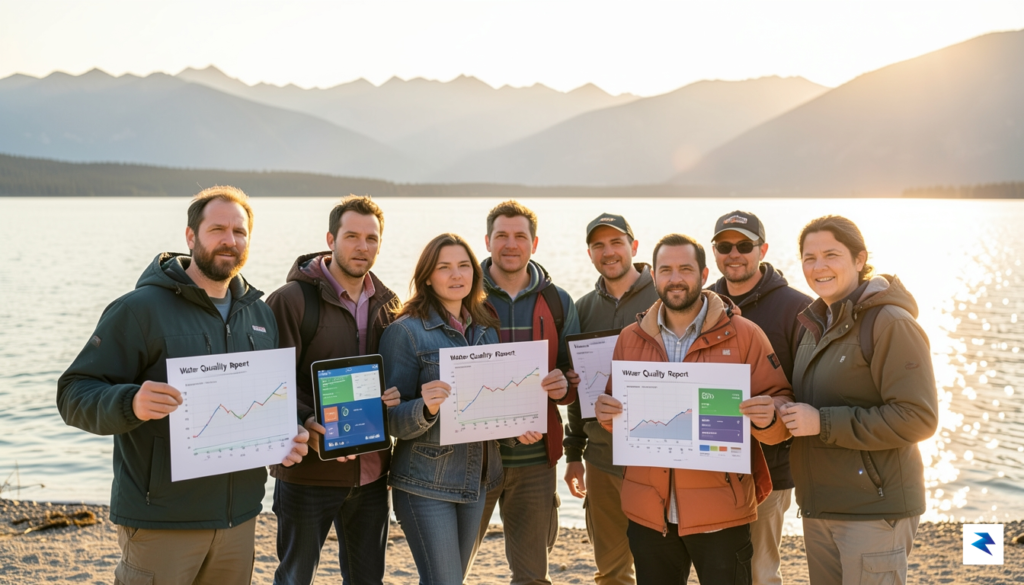
Collective action is not just a moral preference; it is the only viable mechanism for securing the long-term water rights necessary to sustain the Great Salt Lake’s ecosystem.
Ultimately, the movement recognizes that the crisis facing the lake is not a challenge that can be solved by individuals acting in isolation. True systemic change requires a unified, collective push that spans across political and economic divides to prioritize the lake as a critical piece of our state’s infrastructure. By fostering a culture of constant surveillance and public pressure, the initiative ensures that the lake is never again relegated to an afterthought in the legislative session. Through this sustained engagement, advocates are working to codify the lake’s right to a consistent, healthy flow, proving that when a community unites behind the clarity of data, the political status quo can be challenged and eventually reshaped for the better.
This persistent advocacy involves several key pillars that keep the mission focused and effective:

At its core, the digital monitoring platform acts as a bridge between abstract hydrological science and the tangible reality of our drying landscape. By synthesizing real-time information from established stream gauges and water diversion points, the tool translates complex, raw measurements into a clear, accessible narrative. This integration allows the public to visualize the precise volume of water flowing through tributaries and, more importantly, the stark reality of how much actually reaches the terminal basin versus how much is diverted for upstream industrial or agricultural use. By transforming these intricate datasets into intuitive visual graphics, the platform empowers residents to move beyond speculation and engage with local government using verifiable, localized evidence.

The technical significance of this transparency cannot be overstated, as it fundamentally shifts the burden of accountability. For decades, water management has occurred behind closed doors, often shielding the excessive consumption habits of major stakeholders from public scrutiny. With the ability to monitor water movement on a daily basis, the tracker forces a new level of honesty in resource management. When users can correlate specific diversion periods with drops in lake levels, it becomes significantly harder for industrial and agricultural entities to deflect responsibility. This creates a powerful feedback loop where data-driven insights serve as the primary catalyst for demanding more equitable water-sharing agreements.
Data is the antidote to apathy; when we can see the water disappearing in real-time, we are no longer passive observers, but informed advocates for the lake’s survival.
To ensure this tracking remains effective, the platform focuses on several critical metrics that dictate the health of the ecosystem. These include:
By monitoring these specific indicators, the tool provides a comprehensive snapshot of the lake’s recovery—or lack thereof. This level of granularity is essential for policy reform, as it prevents stakeholders from hiding behind vague annual averages that often mask seasonal crises. Ultimately, by arming the public with this constant, high-fidelity information, the tracker ensures that the health of the Great Salt Lake remains a top-tier political priority, holding decision-makers accountable every single day until the water returns to its necessary levels.

The Great Salt Lake, often viewed as a mere geographical landmark, is in fact the beating heart of Utah’s economy and a critical determinant of public health for millions. Far from being an isolated natural feature, its vast saline waters underpin a multi-billion dollar economic ecosystem that extends far beyond its shores, supporting industries crucial to both local prosperity and global markets. However, as the lake recedes, this economic engine is sputtering, simultaneously unleashing a severe environmental and health crisis that threatens the very viability of the Wasatch Front.
Economically, the lake is an indispensable asset. It is the primary global source for brine shrimp cysts, a vital food source for aquaculture worldwide, making Utah a key player in the international seafood industry. Furthermore, the lake’s concentrated mineral-rich waters are a crucial source for magnesium, a lightweight and strong metal used extensively in aerospace, automotive, and construction industries, adding significant value to the state’s industrial output. Beyond these industrial mainstays, the lake and its surrounding wetlands support a thriving recreational sector, attracting birdwatchers, sailors, and outdoor enthusiasts, generating tourism revenue, creating local jobs, and bolstering small businesses across the region. The sustained health of these industries, which collectively contribute billions to the state’s economy annually, is directly tied to the lake’s water levels and ecological stability.
However, the receding shoreline signals a stark shift from economic boon to looming catastrophe. As the lakebed dries and vast expanses of formerly submerged land are exposed, the very dust that defines these new landscapes becomes a profound public health hazard. This exposed lakebed contains high concentrations of naturally occurring arsenic and other heavy metals, accumulated over millennia from river inflows and geological processes. When these fine dust particles become airborne, propelled by strong winds common to the desert environment, they transform into a toxic plume, directly threatening the air quality and respiratory health of the millions residing in the adjacent Wasatch Front.
The health implications are dire and far-reaching. Inhaling arsenic-laden dust can lead to a host of severe health issues, including increased risks of cancer, respiratory illnesses, cardiovascular disease, and neurological damage, particularly affecting vulnerable populations such as children and the elderly. This particulate matter, often invisible to the naked eye, can travel deep into the lungs and even enter the bloodstream, causing systemic damage. Furthermore, the drying lake exacerbates existing air quality challenges in the Wasatch Front, where atmospheric inversions already trap pollutants, creating some of the nation’s worst winter air. The addition of toxic lakebed dust promises to compound these issues, making clean air an increasingly scarce commodity.
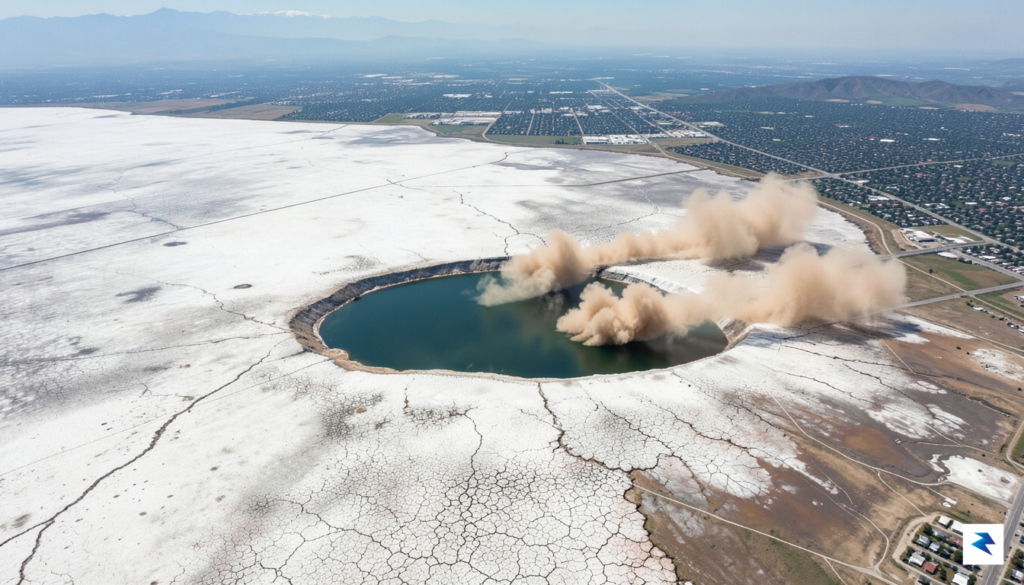
The long-term viability of the Wasatch Front as a residential and economic hub hangs precariously in the balance. Persistent poor air quality, laced with toxic dust, will inevitably degrade the quality of life for its inhabitants, leading to a mass exodus of talent, declining property values, and a significant deterrent for new businesses and investments. What was once a vibrant, growing region risks becoming an undesirable place to live and work, transforming a once-thriving metropolitan area into a cautionary tale of environmental neglect. The choice is clear: protect the Great Salt Lake, or face an irreversible decline in both economic prosperity and public health.

The crisis facing the Great Salt Lake is fundamentally a crisis of legal architecture. For over a century, Western water management has been governed by the doctrine of “prior appropriation”—a “first in time, first in right” system that incentivizes the total depletion of water resources rather than their stewardship. Under this framework, water is treated as a commodity to be diverted for specific, often industrial or agricultural, purposes, leaving little room for the ecological necessity of maintaining lake levels. To change this trajectory, we must transition toward a modern legal structure that recognizes the lake not as a drain for surplus, but as a critical, legal beneficiary of water rights.

Reforming our approach requires bold action in the form of water banking and instream flow legislation. Currently, water rights are often “use it or lose it,” meaning if a stakeholder doesn’t divert their full allocation, they risk losing the right to that water entirely. This policy creates a perverse incentive to waste water. By establishing robust water banking systems, we can allow farmers and municipalities to lease their water rights to the state for environmental preservation without the fear of permanent forfeiture. Furthermore, formalizing instream flow protections would create a legal mandate to ensure that enough water actually makes it to the lakebed to sustain the ecosystem, preventing the toxic dust storms and habitat collapse that threaten our region’s future.
True water security requires moving beyond the “use it or lose it” mentality toward a system that rewards efficiency and prioritizes the long-term health of our shared watershed.
Achieving these goals necessitates a pragmatic approach to agricultural reform, which accounts for the vast majority of water consumption in the basin. Rather than vilifying the agricultural sector, policy solutions must focus on providing incentives for high-efficiency irrigation technology and the transition to drought-resistant, low-water-demand crops. This is not merely an environmental endeavor; it is an economic necessity that requires a unprecedented level of cross-sector collaboration. When urban developers, agricultural producers, and environmental advocates sit at the same table, the focus shifts from adversarial litigation to shared outcomes. By aligning the incentives of those who produce our food with the needs of the environment, we can build a resilient, sustainable future where the Great Salt Lake is once again a thriving, stable anchor for the regional ecosystem.
You must be logged in to post a comment.