Student Loan Interest Rates Rise July 1: What You Need to Know
Understanding the July 1 Federal Student Loan Interest Rate Adjustment Each year, the federal government conducts a precise, systematic reset…
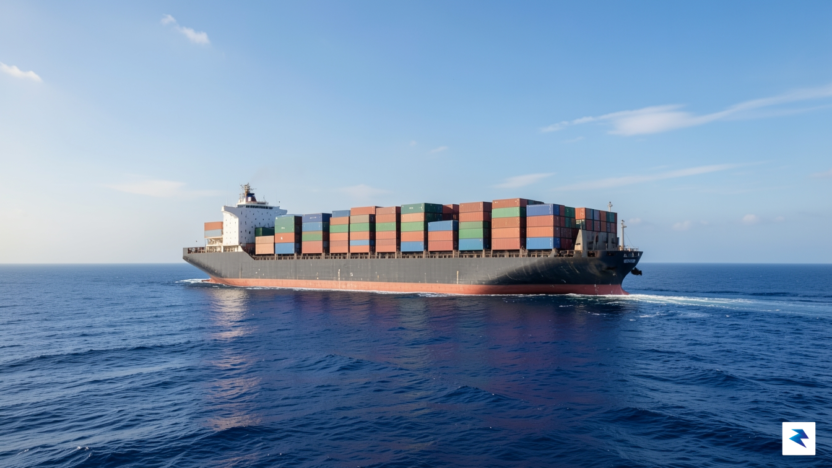

For decades, the energy relationship between New Delhi and Tehran served as a cornerstone of India’s industrial growth, providing a steady and cost-effective stream of crude oil that fueled the nation’s rapid modernization. Iran was once India’s second-largest oil supplier, valued not only for its geographic proximity, which significantly lowered shipping costs, but also for its willingness to offer flexible payment terms and favorable insurance arrangements. However, the imposition of stringent international sanctions in recent years forced India to abruptly pivot away from this reliable partner, leading to a decade of missed opportunities and a forced reliance on more expensive, distant energy sources that have strained the country’s trade balance.
The current global landscape, characterized by volatile markets and supply chain fragilities, has prompted a pragmatic reassessment of this historical alliance. As India’s energy demand continues to climb to record highs, the government is increasingly focused on diversifying its procurement basket to protect its economy from the unpredictability of Middle Eastern geopolitical tensions. By revisiting the potential for Iranian oil imports, New Delhi is essentially looking to restore a strategic balance that secures energy affordability for its citizens while insulating the nation from the price spikes that often accompany supply shortages. This shift is not merely about volume; it is a calculated effort to leverage long-standing diplomatic ties to ensure that India remains insulated from the whims of a fractured global energy market.
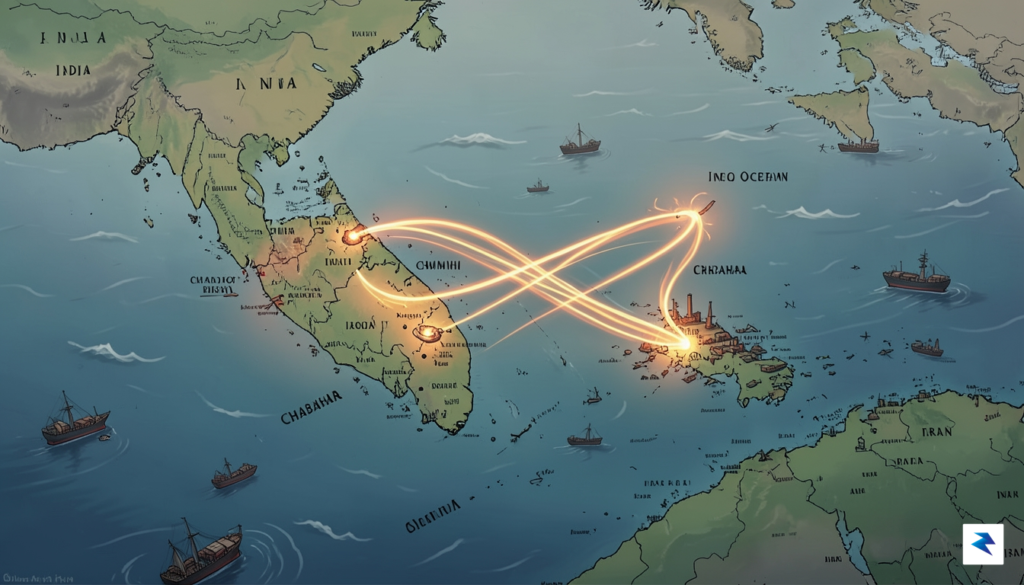
The revival of energy cooperation with Tehran represents more than a commercial transaction; it is a strategic necessity for an emerging superpower that must reconcile its rapid economic expansion with the realities of a shifting global geopolitical order.
Several underlying factors are accelerating this move, most notably the realization that relying too heavily on Western-aligned suppliers can leave India vulnerable to sudden shifts in foreign policy. The prospect of Iranian oil returning to the Indian market offers a critical escape valve, providing a consistent supply that can effectively dampen domestic inflation and support the manufacturing sector. Furthermore, the development of the Chabahar Port remains a linchpin in this evolving narrative, as it provides a tangible infrastructure project that links energy security with regional connectivity. By aligning its energy procurement strategy with these broader geopolitical objectives, India is signaling that its foreign policy is increasingly guided by a policy of “strategic autonomy”—a framework where national interest dictates the strength and direction of old alliances.

For New Delhi, the pursuit of energy security is not merely an economic imperative; it is a complex exercise in high-stakes diplomacy. India’s reliance on imported crude remains a structural vulnerability, and the prospect of re-engaging with Iranian oil markets represents a vital opportunity to diversify supply chains and hedge against price volatility. However, this objective constantly collides with the formidable reality of U.S.-led international sanctions. Navigating this environment requires a sophisticated application of India’s long-standing policy of strategic autonomy, which prioritizes national interests while attempting to maintain the delicate equilibrium between deepening ties with Washington and preserving historic, pragmatic relationships with Tehran.

The geopolitical tightrope is defined by the tension between India’s aspiration to be a global “leading power” and its reliance on a rules-based international order that is currently fractured by heavy sanctions. While Washington views its restrictive measures on Iranian petroleum as a crucial tool for regional stability and nuclear non-proliferation, New Delhi views the potential return of Iranian barrels as a necessary relief valve for its domestic energy inflation. India has historically argued that its energy imports are driven by developmental needs rather than geopolitical alignment, yet it must constantly contend with the threat of secondary sanctions that could alienate its Western partners or disrupt access to the global financial system.
India’s diplomatic approach relies on the concept of ‘multi-alignment,’ where the state engages simultaneously with competing global powers to ensure that no single relationship compromises its broader economic security.
To maneuver through these constraints, India leverages its ‘all-weather’ diplomatic standing, positioning itself as a neutral arbiter capable of engaging with all parties involved in the Middle Eastern power struggle. By maintaining open lines of communication with both the U.S. State Department and Iranian leadership, New Delhi seeks to demonstrate that its energy cooperation does not equate to an endorsement of Tehran’s broader foreign policy objectives. This calibrated approach allows India to wait for windows of diplomatic flexibility—such as potential nuclear deal negotiations or temporary waivers—to quietly secure supply agreements. Ultimately, the ability to balance these conflicting pressures will determine whether India can successfully insulate its economy from the shocks of a volatile global energy market while remaining a trusted partner on the world stage.

At the heart of India’s push to re-engage with Iranian oil suppliers lies a cold, calculated economic necessity that transcends volatile geopolitical posturing. India’s refining complex is uniquely engineered to process heavy, sour crude grades, a category where Iranian oil is particularly competitive. Many of India’s most sophisticated refineries, concentrated along the western coast, were specifically designed to handle these denser oil profiles, meaning that reintegrating Iranian supply would not require costly capital overhauls. By maximizing the output of high-value distillates like diesel and gasoline from these specific heavy grades, Indian refiners can optimize their margins, effectively lowering the cost-per-barrel of their total processed output.
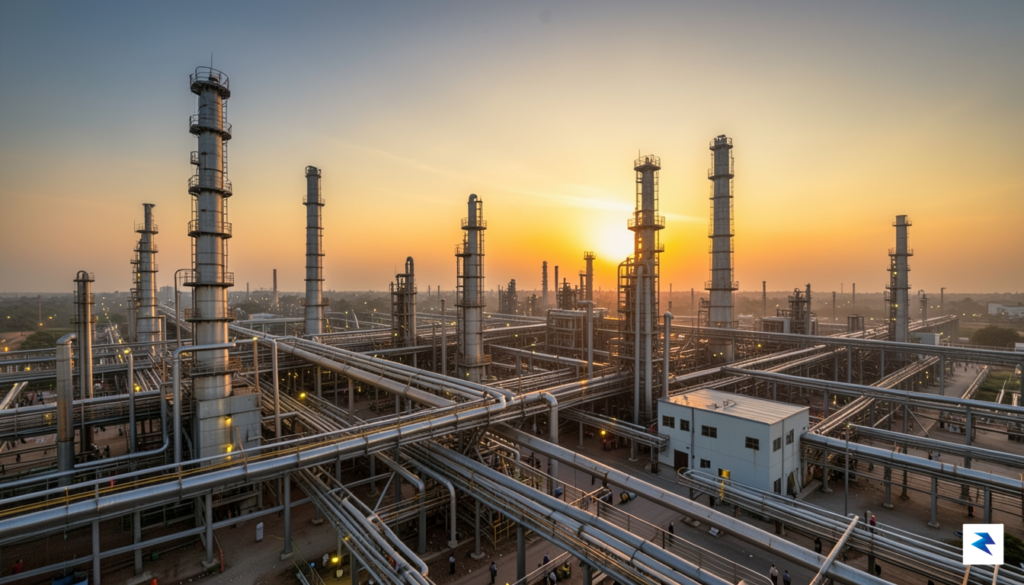
Beyond the technical compatibility, the financial allure of Iranian crude is difficult for New Delhi to ignore, especially given the current inflationary pressures on the domestic economy. Tehran has historically offered attractive payment terms, including extended credit windows and competitive shipping arrangements, which provide much-needed breathing room for Indian oil marketing companies. When energy input costs are lowered through these advantageous procurement deals, the immediate ripple effect is a reduction in the wholesale price of fuel, which serves as a critical multiplier for the broader economy. By keeping transportation and energy costs in check, the Indian government can better shield its burgeoning industrial sector from the volatile price spikes that often plague global commodity markets, ultimately supporting a more stable trajectory for GDP growth.
The integration of cost-effective Iranian supply acts as a structural hedge against global energy price volatility, providing India with a significant competitive advantage in its manufacturing and logistics sectors.
Furthermore, the macroeconomic benefits of accessing discounted Iranian heavy crude extend directly to the common consumer. Because fuel prices are intrinsically linked to the cost of logistics and the movement of goods across India’s vast geography, a reduction in crude costs effectively tames “imported inflation.” When energy is cheaper, the overhead for moving essential goods drops, which helps suppress the inflationary pressures that threaten to dampen household consumption. By securing a reliable, cost-efficient source of energy, India is not merely filling its storage tanks; it is fortifying its domestic economy against external shocks and ensuring that its industrial expansion remains on a sustainable, high-growth path. The return of Iranian oil represents more than just a diplomatic shift—it is a strategic deployment of resources designed to anchor India’s fiscal stability in an increasingly unpredictable global market.
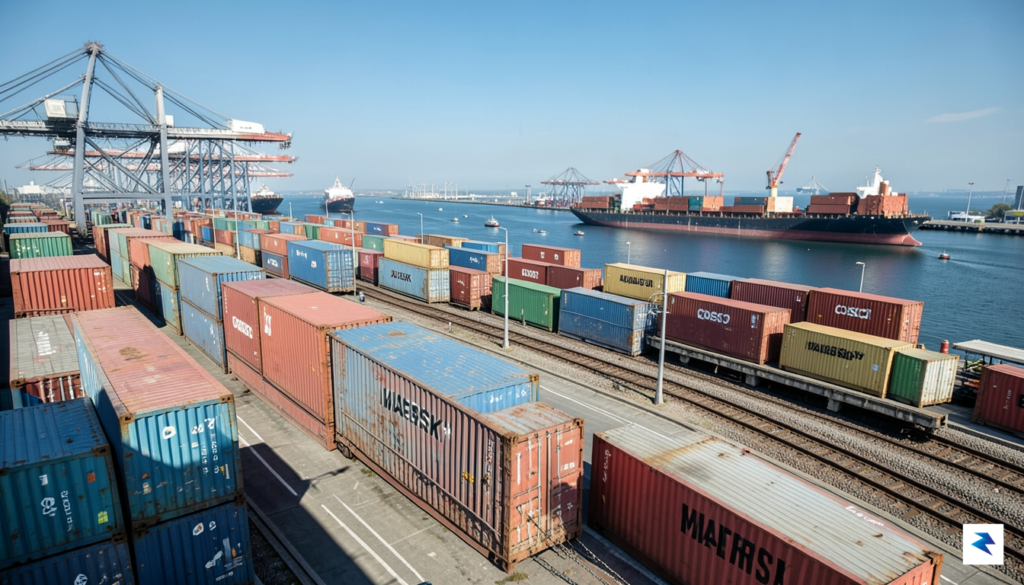
Resuming the flow of Iranian crude into India is far from a simple bureaucratic reversal; it is a complex logistical undertaking that requires navigating a labyrinth of global sanctions. For years, the international banking system has been effectively walled off from Iranian energy transactions, leaving India to find creative, alternative pathways to settle accounts. The traditional reliance on the US dollar for global energy trade is a non-starter in this context, forcing policymakers to explore robust Rupee-Rial settlement mechanisms. By utilizing local currency trade, India and Iran could theoretically bypass the dollar-denominated SWIFT network, though this requires the establishment of dedicated escrow accounts and banking channels that are shielded from the reach of secondary sanctions. Constructing these financial bridges is essential to ensuring that payments remain secure, transparent, and compliant with the narrow corridors of international law.

Beyond the financial hurdles, the maritime dimension presents a formidable set of challenges. Most international shipping companies and insurance providers are bound by strict clauses that prohibit trade with sanctioned entities, making it difficult to secure tankers and comprehensive coverage for vessels carrying Iranian oil. To overcome this, India must rely on state-backed insurance providers and specialized shipping fleets that are willing to operate outside the conventional Western-led maritime insurance markets. This creates a reliance on a localized logistics chain, where both the transit and the insurance are handled by entities that can withstand the pressure of international scrutiny. Without these tailored maritime solutions, the physical transportation of oil becomes an uninsurable liability that few private stakeholders are willing to shoulder.
The revival of energy trade is not merely about supply volumes; it is about the structural integrity of the logistical and financial frameworks that allow two sovereign nations to engage in mutually beneficial commerce despite external volatility.
Central to this logistical strategy is the development of the Chabahar Port, which acts as a vital pivot point in India’s regional connectivity vision. Located in southeastern Iran, Chabahar offers a unique gateway that bypasses traditional chokepoints and provides a direct, reliable link between India and the broader markets of Central Asia and Afghanistan. By investing heavily in the port’s infrastructure, India has effectively signaled its long-term commitment to maintaining a logistical corridor that can handle not only energy imports but also wider trade goods. This investment is strategic, as it transforms Chabahar from a mere transit point into a cornerstone of India’s energy security architecture. By aligning the development of this port with its import strategy, India is building a resilient framework that can survive the periodic fluctuations of global geopolitical tension, ensuring that its energy needs are met with autonomy and foresight.
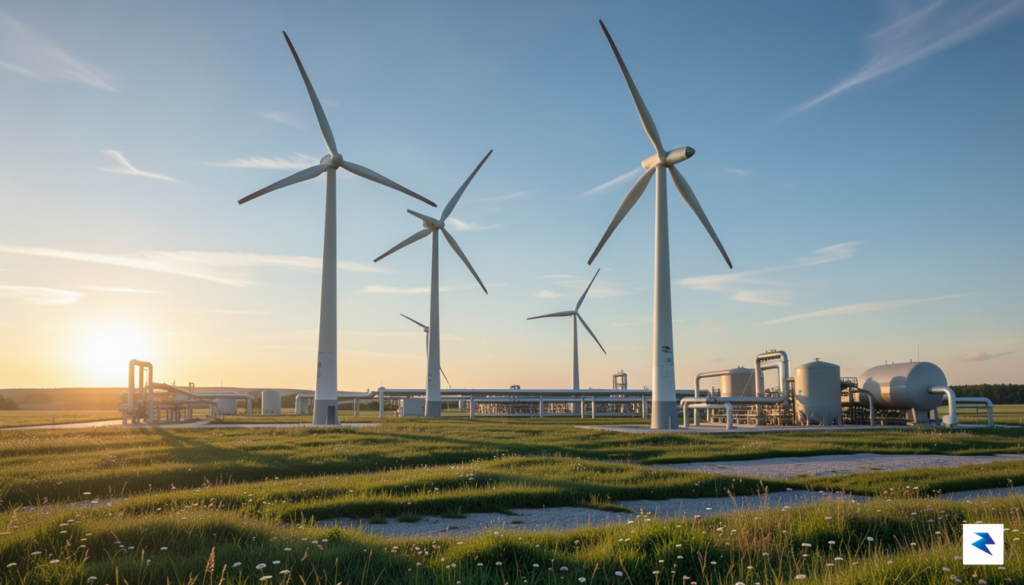
As India stands on the precipice of a massive industrial transformation, its energy policy is evolving from a reactive necessity into a cornerstone of proactive national strategy. The sheer scale of the country’s projected growth demands a robust, multifaceted energy architecture that can withstand the volatility of global geopolitics. By integrating Iranian oil back into its import basket, India is not merely seeking a temporary discount or a logistical convenience; it is fundamentally strengthening its long-term resilience against supply chain disruptions. This shift represents a broader commitment to strategic autonomy, ensuring that the nation’s industrial heartbeat is not beholden to the political whims of any single bloc or supplier.
Maintaining multiple, diverse supply channels is the bedrock of this new security paradigm. When a nation relies heavily on a narrow set of partners, it becomes dangerously susceptible to price shocks and sudden trade embargoes. By cultivating relationships with traditional Middle Eastern players while simultaneously exploring the return of Iranian barrels, India creates a competitive marketplace where it can exercise greater leverage. This agility is vital; as the global energy market shifts in response to climate mandates and fluctuating demand, having a flexible portfolio allows New Delhi to pivot seamlessly, securing the affordable energy required to power its manufacturing ambitions without compromising its fiscal health.

However, this transition is not purely about fossil fuels. The long-term outlook for India’s energy strategy is a complex synthesis of aggressive renewable expansion and pragmatic hydrocarbon reliance. While the government pushes forward with massive solar and green hydrogen initiatives, the bridge to a carbon-neutral future requires reliable baseload power that currently only oil and gas can provide at scale. Therefore, the return of Iranian oil serves as a critical stabilizer during this transitional phase. It provides the necessary cushion to sustain current industrial output while the infrastructure for a cleaner, electrified economy is built out over the coming decades.
“True energy security in the 21st century is defined by the ability to balance immediate economic imperatives with the long-term mandate for sustainability, ensuring that growth is never stifled by the volatility of global markets.”
Ultimately, the future of India’s energy sector will be defined by its ability to remain nimble in an unpredictable world. By diversifying its supplier base, investing in green technology, and fostering deep-rooted diplomatic ties, India is positioning itself as a resilient power that can navigate the shifting sands of the global energy landscape. This dual-track approach—securing reliable, cost-effective fossil fuel imports while aggressively decarbonizing the grid—ensures that the nation’s economic ascent remains consistent, regardless of the challenges posed by external market forces.
You must be logged in to post a comment.