Top 10 Fun Discord Bots
Are you looking to spice up your Discord server with some fun and engaging bots? Do you want to create an environment that keeps your members…


The modern digital landscape has undergone a seismic shift, transforming social platforms from simple networks of human connection into vast repositories of algorithmic discovery. As generative AI tools become increasingly accessible, the sheer volume of synthetic media flooding our digital spaces has reached an unprecedented scale. This saturation has sparked an intense, ongoing debate regarding the authenticity of our online environments, pitting the efficiency of machine-generated creativity against the nuanced, often imperfect nature of human expression. For platforms like Instagram, the challenge is not merely technical; it is a fundamental identity crisis that pits rapid, engagement-driven platform growth against the desire for a personalized, human-centric user experience.
Instagram remains the primary focal point for this tension because of its unique position as a global hub for visual culture. Unlike text-based platforms, Instagram’s architecture relies on high-fidelity images and videos, making it an ideal canvas for the rapid proliferation of synthetic media. As these AI-assisted tools continue to blur the lines between reality and simulation, users are finding it increasingly difficult to discern genuine creative effort from automated output. This ambiguity forces leadership to walk a precarious tightrope: how do they foster innovation and keep users entertained with cutting-edge technology without alienating the community that built the platform’s original reputation for authentic, real-world connection?
The core of the issue lies in the tension between curated, algorithmic efficiency and the user’s desire for genuine, human-to-human interaction.
In response to the growing scrutiny, Instagram head Adam Mosseri has articulated a perspective that shifts the burden of content moderation from the platform’s top-down policies to individual user agency. Rather than advocating for a blanket ban or heavy-handed restriction of synthetic media, the prevailing philosophy suggests that the digital environment should function as an adaptive ecosystem. By empowering users to tune their own experiences through active engagement—or disengagement—with specific types of content, the platform aims to decentralize the responsibility of content quality. This approach reflects a broader belief that if an individual finds the influx of machine-made imagery undesirable, they hold the power to shape their own digital boundaries, effectively putting the autonomy of the user at the forefront of the platform’s evolving strategy.

During a candid conversation on the Lenny Rachitsky podcast, Instagram head Adam Mosseri addressed the growing tension surrounding synthetic media, firmly rejecting the idea that the platform should act as a digital arbiter of what constitutes “authentic” content. Instead of implementing sweeping, blanket filters to scrub AI-generated imagery from the user experience, Mosseri argued that the platform’s primary responsibility lies in fostering transparency. He posited that the power of choice should reside with the individual user rather than the platform’s algorithms, asserting that if someone finds AI-generated content unappealing or disruptive to their experience, they should have the agency to curate their own environment rather than relying on a centralized ban.
The reasoning behind this hands-off approach is rooted in a fundamental shift in how Instagram views its role in the creator economy. Rather than positioning the platform as a gatekeeper of truth—a role that brings with it immense, often impossible, pressures of moderation and bias—Mosseri suggests that Instagram should function as a facilitator of user preference. By prioritizing disclosure over censorship, the platform aims to provide labels that identify machine-generated media, allowing users to make informed decisions about the content they engage with. This philosophy acknowledges that AI is no longer a fringe tool but a standard component of modern digital creation, making a total ban both technically difficult to enforce and philosophically at odds with the platform’s commitment to creative expression.
“If you don’t like AI, then you shouldn’t have it in your feed. But the way to do that is to make sure you have the tools to control what you see, rather than the platform deciding for everyone.”
This middle-ground approach highlights a significant evolution in platform policy. Total integration of AI would risk alienating users who crave human-centric connection, while a platform-wide ban would stifle the emerging wave of creators using these tools to push the boundaries of visual art. By opting for transparency, Instagram is attempting to balance these competing interests. The core idea is that labeling—telling the viewer exactly what they are looking at—preserves the integrity of the platform’s “truth” without resorting to the heavy-handed tactics of censorship. Ultimately, Mosseri’s stance is a bet on the maturity of the audience; he believes that with enough context and control, users are better equipped than any automated filter to define what “valuable” content means to them personally.
For years, the success of social platforms has been anchored in the promise of human connection—a digital space where the currency of influence was built on lived experience and relatable storytelling. However, as generative tools become seamlessly integrated into the creative process, the once-clear boundary between authentic human expression and synthetic fabrication is rapidly dissolving. This shift creates a profound psychological tension for users who visit these platforms seeking intimacy and truth, only to find themselves navigating a landscape where AI-generated aesthetics often mimic the nuances of real life with unsettling precision. When the images we see and the captions we read are the product of algorithms rather than human intent, the emotional tether that keeps a community grounded begins to fray.
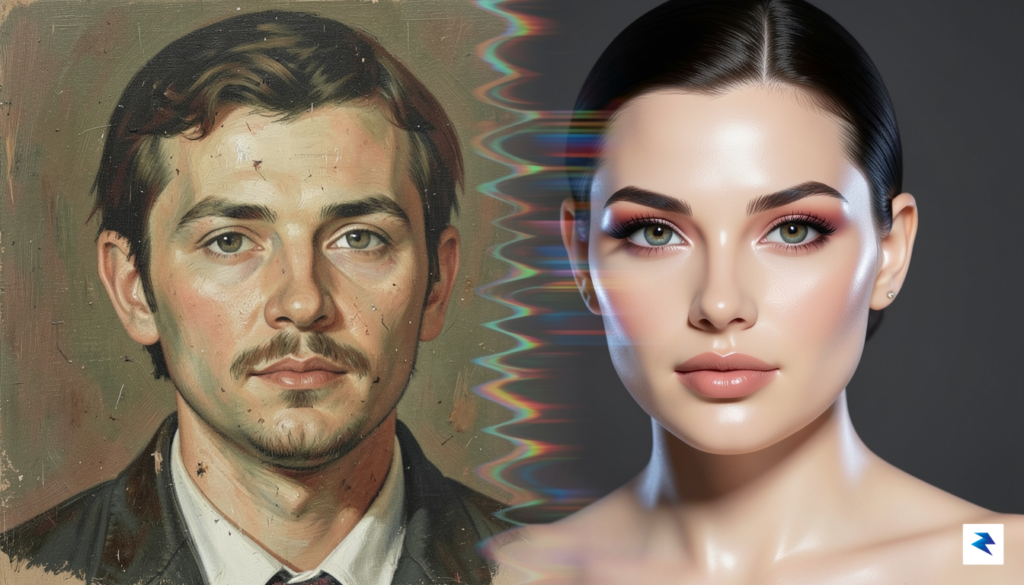
The core of the problem lies in the erosion of trust. When a user can no longer intuitively distinguish between a genuine photographic moment and a sophisticated synthetic simulation, they naturally become more skeptical of all content. This skepticism acts as a barrier to engagement; if an audience begins to suspect that every polished post is the result of an automated prompt, the perceived value of the creator’s effort diminishes. Consequently, the shared emotional resonance that once defined digital communities is replaced by a sense of detachment. We are moving toward an era where the “human touch” is no longer a given, but a premium quality that users must actively hunt for amidst a sea of algorithmically perfected noise.
The true risk is not just the presence of synthetic media, but the gradual normalization of a digital environment where the absence of human reality is ignored in favor of endless, high-engagement spectacle.
Without clear, platform-level intervention or standardized disclosure practices, the burden of discerning truth falls entirely on the individual user. This task is increasingly difficult, as AI-influenced content now captures the imperfections and quirks—the “authentic” markers—that we once used to identify human-made work. The challenge is no longer just about spotting a deepfake; it is about questioning the underlying intention behind every piece of content that crosses our screens. If we cannot trust that the stories we engage with are rooted in real-world experience, the platform’s role as a space for genuine human connection is fundamentally compromised. Ultimately, maintaining a healthy digital ecosystem will require a delicate balance between leveraging new creative technologies and preserving the raw, unpolished human moments that form the bedrock of community trust.

While the digital landscape is increasingly saturated with synthetic imagery and automated content, you are far from a passive observer of your own screen. Taking agency over your digital environment requires moving beyond the default experience and actively signaling your preferences to the recommendation engine. Think of your interactions not merely as entertainment, but as a deliberate training process for a machine that is constantly learning what you value. By treating your engagement as data, you can effectively prune the digital garden that appears before you each time you open the application.

The most direct tool at your disposal is the “Not Interested” feature, which serves as a powerful corrective measure for your discovery page. When you encounter content that feels sterile, off-putting, or misaligned with your interests—such as AI-generated art or automated bot posts—do not simply scroll past it. By tapping the three-dot menu on any post and selecting this option, you are explicitly flagging that specific type of content for removal. Consistent use of this feedback loop teaches the algorithm that such material does not deserve a place in your curated stream, leading to a noticeable decline in similar recommendations over time.
Beyond negative feedback, your positive engagement patterns are equally vital in molding the algorithm to your aesthetic preferences. The system prioritizes content that receives intentional interaction, such as saves, shares, and meaningful comments. If you find accounts that produce high-quality, authentic human content, engage with them frequently. This sends a strong signal that you prioritize substance over synthetic filler. Furthermore, you can actively refine your experience by following these steps:
The algorithm is a reflection of your choices; by being selective with your attention, you turn a chaotic stream of information into a personalized reflection of your genuine interests.
Ultimately, the burden of curation falls on the user, but the tools provided are robust enough to make a significant difference. By moving from a state of passive consumption to active management, you can effectively carve out a space that feels personal and relevant. Remember that the algorithm is designed to adapt to your behavior; if you remain disciplined in your feedback, the machine will eventually align with your standards, ensuring that your time spent online remains meaningful and authentic to your specific tastes.
As Instagram leans further into artificial intelligence, the platform is moving toward a more nuanced ecosystem where synthetic media and human-generated content coexist. In the coming years, we can expect the algorithm to prioritize granular labeling initiatives, moving beyond simple “made with AI” tags to offer more context regarding how a specific piece of content was generated or edited. This transparency is designed to empower users, allowing them to curate their own digital experiences rather than having the platform dictate what they consume. For creators, this evolution means that authenticity will become the ultimate currency; as the barrier to entry for high-quality visuals lowers, the audience’s ability to discern genuine human connection from automated production will likely become the primary metric for long-term engagement.
For brands and businesses, this shift represents both a significant risk and a profound opportunity. Companies that rely heavily on automated content creation may find themselves struggling if the algorithm learns that users are actively filtering out machine-generated posts. Conversely, businesses that utilize AI as a supplementary tool—perhaps for rapid prototyping or creative brainstorming—while keeping their final output rooted in human narrative and strategy, will likely thrive. The future of social media marketing will no longer be about who can produce the most content, but rather who can produce content that resonates with a human audience that is increasingly wary of the uncanny valley. Consequently, brands will need to invest in more robust storytelling and community engagement to ensure their content remains relevant in an increasingly automated environment.
The core challenge for Instagram will be balancing the efficiency of automated content against the human desire for genuine connection, a tension that will ultimately define the next era of digital interaction.
Ultimately, the trajectory of the platform suggests a tug-of-war between centralized platform policy and individual user sovereignty. While Instagram holds the reins on the underlying code, the push for greater user control indicates that the power of the “algorithm” is being decentralized. We are moving toward an era where the “feed” is no longer a monolithic experience controlled by a single set of rules, but a personalized sandbox where user choice dictates the visibility of AI-driven media. Whether this transition leads to a more vibrant, creative space or a fragmented landscape of hyper-personalized echo chambers remains to be seen. What is clear, however, is that the social media experience of the future will be defined by the tools we choose to utilize and the boundaries we set for the technology that shapes our daily interactions.
You must be logged in to post a comment.