
Adam Mosseri: Why Instagram Won’t Block AI Content
The AI Dilemma on Social Media The modern digital landscape has undergone a seismic shift, transforming social platforms from simple networks…

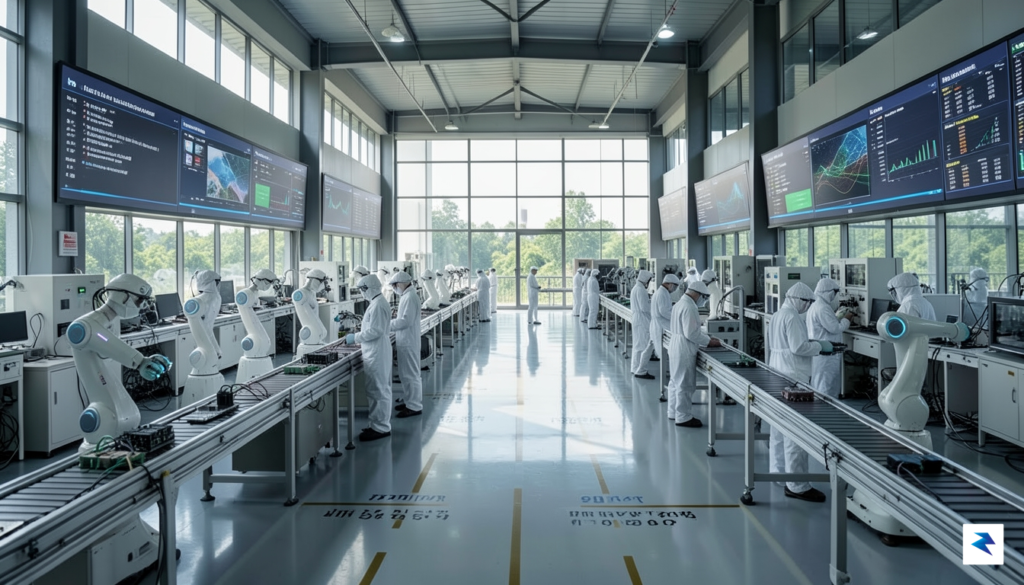
For over a decade, India served primarily as a massive consumption engine for the global smartphone industry, a lucrative destination where international brands shipped finished products to satisfy a burgeoning middle-class appetite. However, the narrative has shifted dramatically in recent years, moving away from simple import-and-sell models toward a sophisticated, domestic manufacturing ecosystem. This evolution was not an overnight occurrence but rather the result of a concerted effort to transition from basic “screwdriver” assembly—where components were merely put together in local facilities—to high-value, full-scale production that integrates intricate supply chain logistics and deeper technological localization.
The primary catalyst for this industrial transformation has been the government’s Production Linked Incentive (PLI) scheme. By offering financial rewards tied directly to incremental sales of goods manufactured within the country, New Delhi successfully incentivized global electronics giants to rethink their operational footprint. This policy framework did more than just lower the barriers to entry; it signaled to the world that India was ready to compete on scale, quality, and cost-efficiency. Consequently, what began as a tax-driven experiment has matured into a robust industrial strategy that encourages firms to invest in local R&D, workforce training, and regional component sourcing.
The shift toward Indian manufacturing represents a strategic hedge for global tech giants, balancing the need for massive operational scale with the imperative of supply chain diversification.
Global brands are now prioritizing Indian capacity as a critical component of their “China Plus One” strategies, seeking to mitigate risks associated with over-dependence on a single geographic market. Disruptions in global logistics and shifting geopolitical landscapes have made the stability of the Indian manufacturing corridor increasingly attractive. While Apple’s high-profile move into the region grabbed headlines, the subsequent entry of Chinese incumbents like Vivo—now pursuing local joint ventures—proves that the momentum is broad-based and structural rather than anecdotal. These companies are no longer just looking at India as an alternative; they are treating it as a cornerstone of their future global distribution networks.
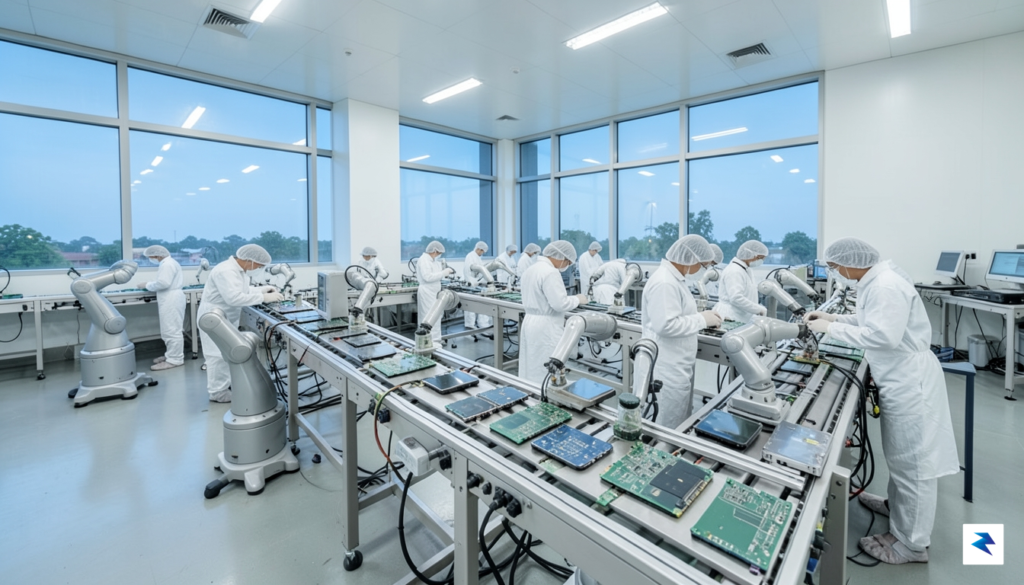
As this manufacturing boom enters its next phase, the focus is expanding beyond the final assembly of handsets to the cultivation of an upstream component ecosystem. The transition involves enticing suppliers to establish facilities for batteries, display modules, and semiconductor packaging within Indian borders, which would solidify the country’s status as a top-tier electronics manufacturing hub. This deeper level of integration ensures that the value-add remains within the domestic economy, creating a virtuous cycle of job creation and technical expertise. As a result, India is effectively rewriting its role in the global tech hierarchy, transforming from a secondary market into a foundational node that powers the devices used by billions of people worldwide.

Vivo’s recent decision to transition toward a joint venture model in India represents a profound departure from the traditional foreign-subsidiary framework that defined the last decade of smartphone expansion. By inviting local stakeholders into its operational fold, Vivo is not merely adjusting its corporate structure; it is executing a sophisticated tactical pivot designed to navigate the increasingly complex regulatory landscape of the Indian market. This shift acknowledges that in an era of heightened geopolitical sensitivity, the old model of wholly-owned foreign entities has become a liability. Instead, by embedding local ownership into the heart of its business, Vivo is actively de-risking its presence and aligning its interests with the broader goals of the “Make in India” initiative.
The mechanics of this joint venture serve as a strategic blueprint that addresses several critical pain points simultaneously. For Chinese tech giants, the primary challenge in India has been reconciling global supply chain requirements with domestic mandates for localization and data security. By forming a partnership with a local entity, Vivo gains a layer of insulation against administrative volatility, as the venture is viewed through the lens of domestic enterprise rather than foreign incursion. This integration facilitates smoother compliance with stringent government policies, potentially unlocking easier access to subsidies, local procurement networks, and long-term regulatory stability that might otherwise remain out of reach.
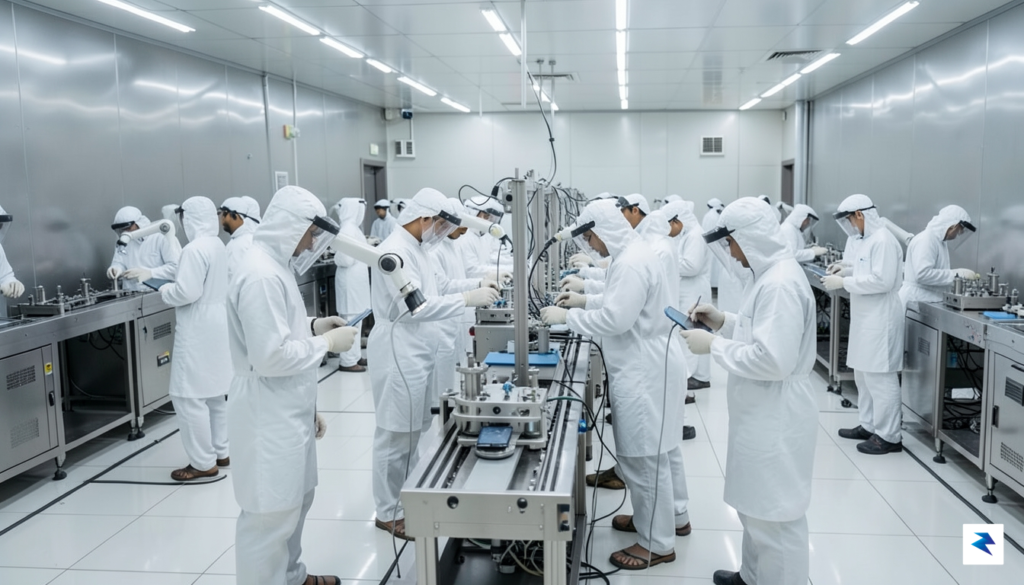
Furthermore, this model provides a compelling solution to the “trust deficit” that has plagued several international smartphone manufacturers operating in the region. When a brand integrates local partners into its boardrooms and operational decision-making, it shifts the narrative from foreign profit extraction to collaborative nation-building. This partnership structure effectively bridges the gap between Chinese technological expertise and the massive, underserved scale of the Indian consumer base. By prioritizing local capacity building—ranging from component sourcing to talent development—Vivo ensures that its growth is perceived as a catalyst for local economic prosperity rather than a drain on it.
The shift toward joint ventures is a pragmatic evolution; it transforms a foreign manufacturer into a local stakeholder, effectively immunizing the company against the shifting winds of trade policy and geopolitical tension.
Ultimately, this approach signals a new phase in the maturity of India’s smartphone manufacturing ecosystem. As other tech conglomerates observe the success of this joint venture, it is highly probable that we will witness a broader industry shift toward decentralized ownership models. This is not just about keeping a foothold in one of the world’s most competitive consumer markets; it is about rewriting the terms of engagement. By adopting this localized structure, Vivo is setting a template that prioritizes resilience, long-term market access, and the cultivation of deep, institutionalized roots within the Indian economy.

The quest for manufacturing dominance in India is increasingly defined by a complex regulatory tapestry that requires foreign entities to tread with extreme caution. For Chinese smartphone manufacturers, the path forward is no longer just about optimizing supply chains or capturing consumer market share; it is about navigating a heightened state of geopolitical scrutiny. The Indian government has adopted a rigorous stance toward data sovereignty and digital security, mandating that international firms align their operational practices with stringent local compliance standards. These regulations are designed to ensure that user data remains within national borders while curbing potential vulnerabilities that could arise from opaque corporate structures or cross-border data flows.
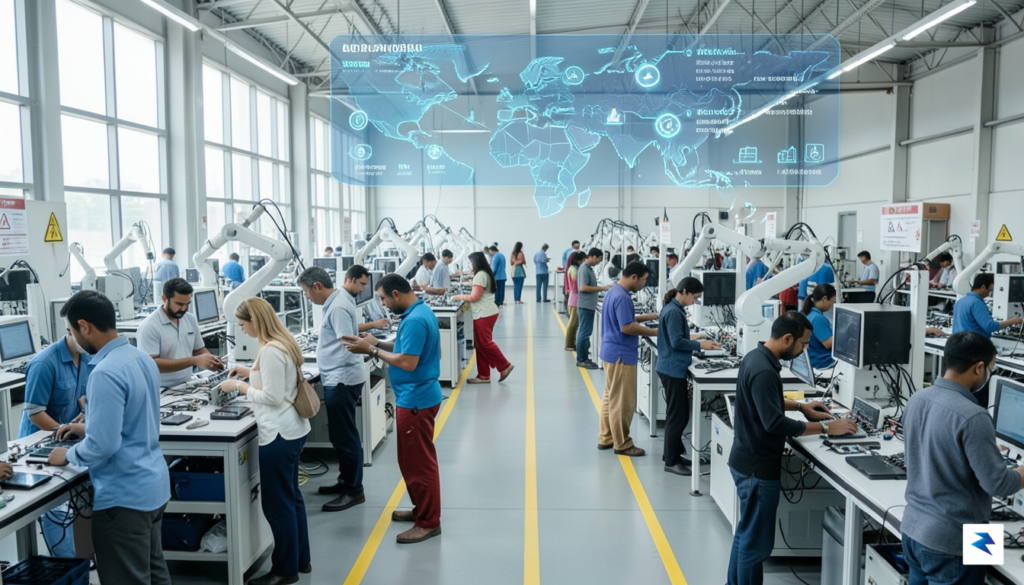
To address these mounting pressures, industry leaders are increasingly turning to joint ventures as a strategic pivot. By partnering with local Indian firms, companies like Vivo are effectively de-risking their operations. These collaborations serve as a vital buffer against potential trade barriers, transforming what was once viewed as a purely foreign enterprise into a localized entity that shares ownership and governance with domestic partners. This shift is not merely cosmetic; it represents a fundamental change in how global technology giants approach the Indian market, signaling a commitment to long-term integration rather than temporary exploitation of labor and consumer demand.
The transition toward joint ventures is a calculated move to harmonize international innovation with India’s domestic economic agenda, effectively shielding companies from the volatility of shifting geopolitical tides.
Furthermore, the regulatory environment is characterized by an emphasis on transparency and local accountability. As authorities continue to monitor the financial health and data management protocols of foreign-origin companies, the expectation for localized decision-making has grown. Firms that successfully navigate this landscape are those that treat compliance not as an obstacle to be circumvented, but as a framework for building deeper trust with the Indian public and regulatory bodies. By embedding themselves into the domestic fabric—through shared ownership, local leadership, and adherence to security mandates—these smartphone manufacturers are repositioning themselves as essential stakeholders in India’s broader digital evolution, ensuring that their presence remains sustainable even as global political climates fluctuate.
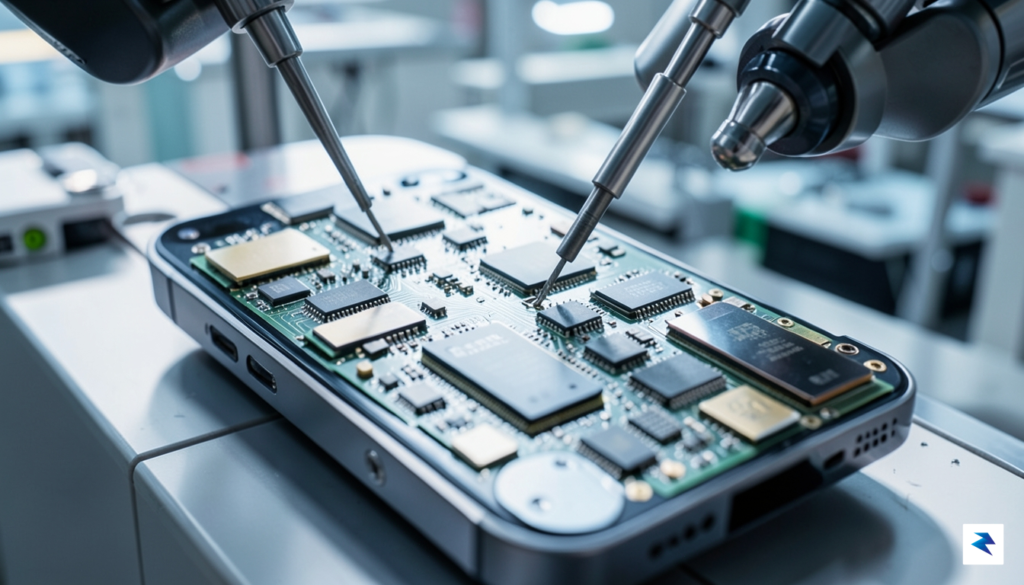
The narrative surrounding India’s smartphone revolution has long been dominated by the spectacle of massive assembly plants and the high-profile arrival of global tech giants. However, the most significant shift is currently occurring beneath the surface, as the industry moves away from the era of “knock-down” kits—where pre-assembled parts were merely screwed together—toward a model of deep-tier manufacturing. By mandating and incentivizing the local production of complex components like printed circuit board assemblies (PCBAs), camera modules, and mechanical enclosures, the Indian government is forcing a fundamental restructuring of the nation’s industrial backbone. This transition is no longer just about final assembly; it is about building a self-sustaining ecosystem that can withstand global supply chain volatility.
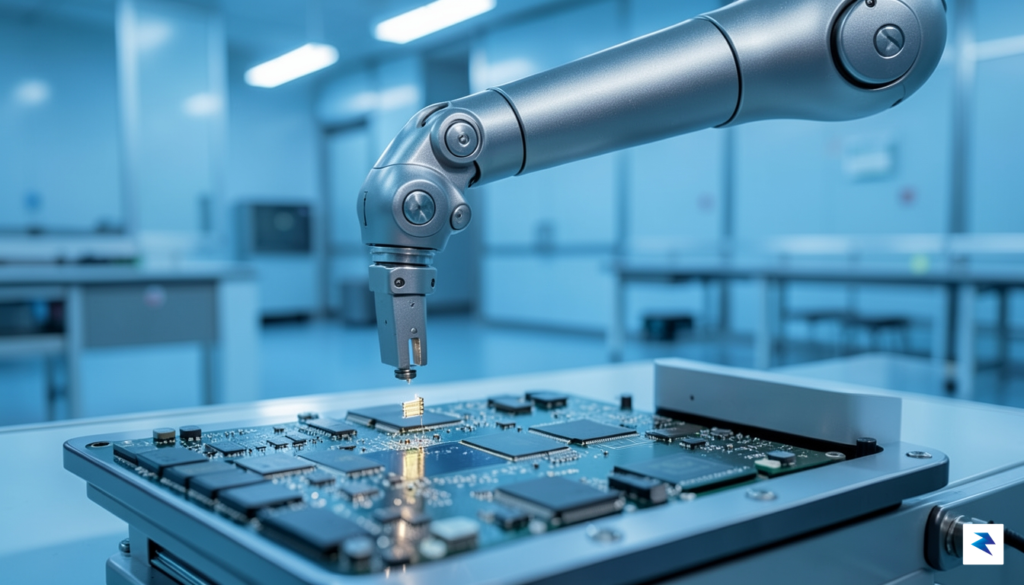
This localized push creates a profound ripple effect that extends far beyond the factory floor, fundamentally changing the prospects for Small and Medium Enterprises (SMEs). Previously, these local firms were often sidelined by the sheer scale of global imports, but they are now being integrated into the value chains of titans like Vivo and Apple. As these manufacturers demand higher precision and consistent quality standards, domestic suppliers are being compelled to upgrade their technological capabilities and adopt international best practices. This requirement acts as a catalyst for industrial modernization, forcing local vendors to invest in advanced machinery and specialized labor training, which in turn elevates the quality of the entire domestic manufacturing sector.
The long-term economic scalability of the “Make in India” initiative hinges on moving up the value chain from mere labor-intensive assembly to high-tech, skill-intensive component manufacturing.
Furthermore, the human capital implications of this shift are perhaps its most enduring legacy. The transfer of sophisticated technological knowledge from global conglomerates to the local workforce is creating a new generation of skilled engineers and technicians who are well-versed in global standards. This isn’t just about job creation; it is about capacity building. As the workforce gains experience in high-precision manufacturing, India positions itself to move beyond smartphones into other sectors like automotive electronics and medical devices. By cultivating a deep bench of talent and a robust network of domestic component suppliers, India is steadily transforming from a consumption-based market into an indispensable node in the global electronics supply chain, ensuring that the current manufacturing boom creates a permanent, scalable advantage for the national economy.

As India navigates the period between 2026 and 2030, the strategic shift represented by the Vivo joint venture suggests that the country is moving beyond simple assembly toward deeper value chain integration. While the initial wave of manufacturing was defined by the relocation of final assembly lines from China, the next phase will be determined by the localization of high-end component manufacturing, such as semiconductor packaging and display panel production. The sustainability of this growth model hinges on the government’s ability to maintain regulatory predictability while simultaneously upgrading logistics and energy infrastructure to meet the rigorous demands of global tech giants. If India can successfully reduce the cost of trade and streamline bureaucratic hurdles, it will likely solidify its position as a primary alternative to existing East Asian hubs, rather than just a secondary site for overflow production.
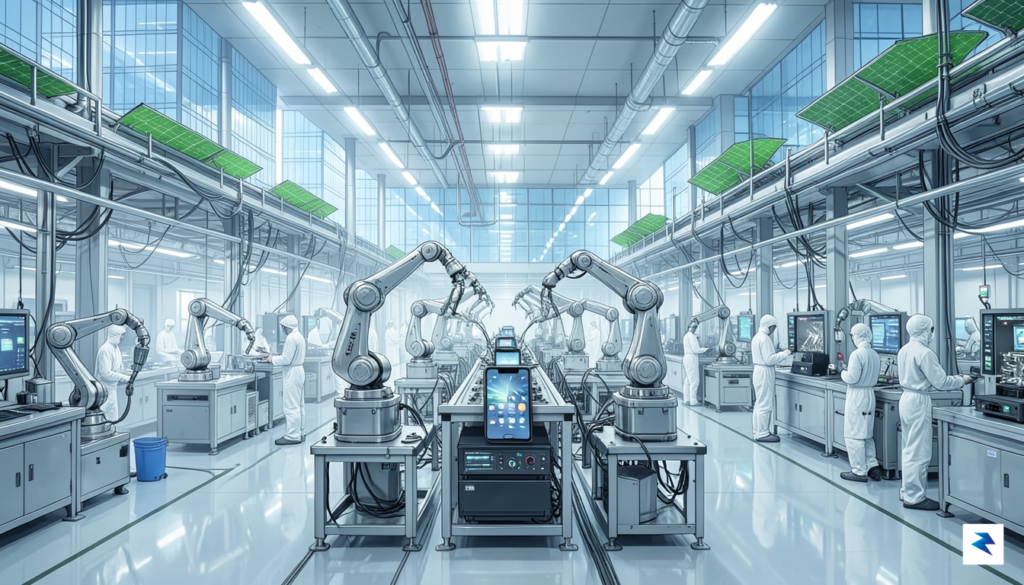
However, India does not exist in a vacuum; it faces stiff competition from emerging manufacturing powerhouses in Southeast Asia and Latin America, which are also aggressively pursuing foreign direct investment. Countries like Vietnam and Mexico are constantly refining their incentive structures to lure companies seeking to mitigate geopolitical risks. To stay ahead, India must move past the current joint venture model, which primarily relies on technological knowledge transfer from foreign entities. While these partnerships are vital for immediate scale, the long-term goal for the domestic ecosystem must be the cultivation of indigenous intellectual property and the development of a robust homegrown supply chain. Without this evolution, the nation risks remaining a low-margin assembly point that is vulnerable to the same global economic shifts that have historically destabilized manufacturing-heavy economies.
The long-term viability of India’s manufacturing boom depends on transitioning from a “factory for the world” model to a “center of innovation,” where domestic companies eventually move from joint ventures to full-scale, independent technological leadership.
Ultimately, the current joint venture framework should be viewed as a vital stepping stone rather than a permanent destination. By embedding domestic partners into the high-tech assembly process, Indian firms are gaining the essential tacit knowledge required to manage complex global supply chains. If this transition is managed effectively, the next five years will see a gradual shift toward greater local ownership and deeper integration of domestic design capabilities. Provided that India continues to invest heavily in workforce upskilling and research and development, the country is well-positioned to transform from a temporary host of foreign assembly lines into a self-sustaining powerhouse that defines the future of the global mobile device market.
You must be logged in to post a comment.