Tesla Settles FSD Lawsuit: What It Means for the Future of Autonomous Driving
Understanding the Tesla FSD Settlement The litigation surrounding the 2023 fatal accident involving a Tesla vehicle operating with Full…

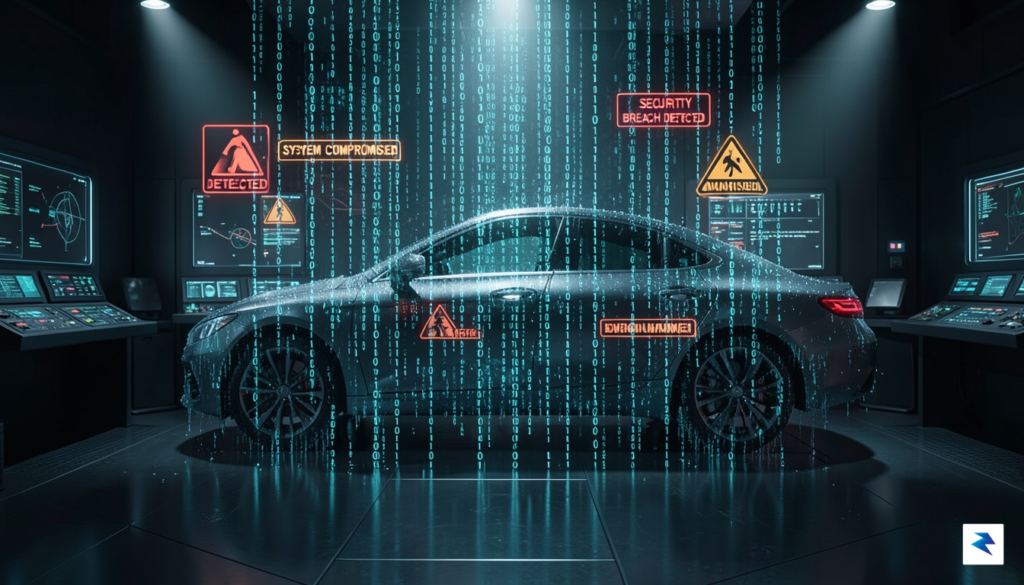
The recent revelation concerning a sophisticated cyberattack on Jaguar Land Rover has sent shockwaves through the global automotive sector, exposing the profound vulnerabilities inherent in modern supply chains. With estimated damages soaring to an staggering $2.5 billion, this incident transcends a mere data breach, representing a complex operational disruption with far-reaching consequences for one of the world’s most iconic luxury car manufacturers. It serves as a stark and urgent reminder that no industry, regardless of its size or technological prowess, is immune to the escalating threat of cyber warfare, particularly when critical infrastructure and interconnected digital systems are at play.
While precise details regarding the attack’s initiation and the full extent of the timeline remain under wraps for security reasons, investigations indicate a meticulously planned and multi-pronged assault. Experts suggest the attackers likely conducted extensive reconnaissance before infiltrating JLR’s systems, targeting critical operational infrastructure rather than just customer data. The immediate aftermath saw JLR grappling with significant system outages that severely hampered its ability to manage parts ordering, vehicle production scheduling, and logistical operations globally. This disruption wasn’t just an inconvenience; it led to tangible halts in manufacturing lines and delays in vehicle shipments, creating a ripple effect across its vast network of suppliers and dealers.
The eye-watering $2.5 billion figure attributed to this breach is not merely a sum of direct financial losses, though these were substantial, encompassing the costs of forensic investigations, system remediation, and potential legal fees. Crucially, a significant portion of this estimate derives from the prolonged operational downtime experienced by JLR, which directly translated into lost production and sales. This includes the cost of idle factories, delayed product launches, renegotiated contracts with suppliers, and the enormous logistical challenges of rerouting or cancelling thousands of parts orders. Furthermore, the intangible costs of reputational damage and potential loss of consumer trust will undoubtedly have long-term implications for the brand.
The immediate operational impact on Jaguar Land Rover was profound and pervasive. Factories reliant on just-in-time manufacturing principles found their assembly lines grinding to a halt as critical components could not be ordered or tracked. Dealerships faced delays in receiving new vehicles, impacting sales targets and customer satisfaction. The intricate digital arteries that connect JLR’s global operations—from design and engineering to manufacturing and distribution—were severely compromised, leading to a period of intense crisis management. This incident vividly illustrates how deeply integrated digital processes are into modern manufacturing, making them both a strength for efficiency and a critical vulnerability for cyber adversaries.
Ultimately, this unprecedented breach serves as a watershed moment for the automotive industry, a sector increasingly reliant on highly integrated digital ecosystems for everything from design and manufacturing to logistics and customer engagement. The sheer scale of the financial impact and the operational paralysis it induced underscore the critical need for robust cybersecurity frameworks that extend beyond internal networks to encompass the entire, complex supply chain. It forces a re-evaluation of digital resilience, prompting manufacturers to consider not just their own defenses but also the cybersecurity posture of every single vendor and partner in their extensive networks, transforming how the industry approaches risk management in an increasingly interconnected world.

The recent financial impact on Jaguar Land Rover, reportedly amounting to a staggering $2.5 billion, serves as a stark reminder of the evolving and increasingly dangerous cyber threat landscape. This particular incident, attributed to highly sophisticated actors with links to Russian state interests, transcends the typical opportunistic cybercrime. Instead, it points to a level of resources, coordination, and strategic intent that is characteristic of state-sponsored operations. Such breaches are not merely about financial theft, though that can be a significant outcome; they often involve espionage, disruption, and the acquisition of sensitive intellectual property, posing an existential threat to multinational corporations and critical infrastructure alike.
At the heart of these advanced threats lies the concept of an Advanced Persistent Threat, or APT. Unlike common cybercriminals who might conduct quick, widespread attacks for immediate financial gain, APT groups are highly organized, well-funded, and patient. Their objectives are often long-term, ranging from geopolitical advantage and industrial espionage to sabotage and the theft of proprietary technology. These groups operate with a meticulousness that allows them to remain undetected within a target network for extended periods, sometimes months or even years, continuously mapping the infrastructure, escalating privileges, and exfiltrating data covertly, adapting their tactics as defenses evolve.
One of the primary ways these elite groups bypass traditional, perimeter-based defenses like firewalls is through the deployment of zero-day exploits. These are critical vulnerabilities in software or hardware that are unknown to the vendor and, consequently, have no available patch. Acquiring or developing such exploits requires immense technical expertise and significant financial investment, resources typically available only to well-funded state actors or their proxies. A successfully deployed zero-day can provide an attacker with an initial, deep foothold into a target network, allowing them to bypass even the most robust security measures designed to protect against known threats, effectively granting them a silent entry point.
Beyond highly technical exploits, APTs frequently leverage sophisticated social engineering tactics, recognizing that the human element often presents the weakest link in any security chain. This involves meticulously crafted spear-phishing campaigns, where emails are tailored to specific individuals within an organization, often impersonating trusted colleagues or senior management. These deceptive messages might contain malicious links or attachments designed to install malware or trick employees into divulging credentials. The attackers invest significant time in reconnaissance to understand their targets, enabling them to craft highly convincing pretexts that exploit human trust and curiosity, thereby circumventing even advanced technical safeguards.
Once inside a network, these actors employ a suite of sophisticated techniques for lateral movement, privilege escalation, and data exfiltration, all while maintaining a low profile to evade detection. This might involve using legitimate administrative tools, living off the land binaries, or custom malware that blends in with normal network traffic. The sheer scale of the alleged financial impact on Jaguar Land Rover underscores the depth and breadth of the compromise, indicating a persistent and highly skilled adversary capable of navigating complex enterprise environments to achieve their objectives. Understanding these multifaceted methodologies is crucial for any organization grappling with the contemporary threat landscape.


Modern automobiles have evolved far beyond simple mechanical machines, transforming into sophisticated, high-performance computers on wheels that rely on millions of lines of code to operate. As manufacturers integrate advanced driver-assistance systems, telematics, and constant cloud connectivity, the traditional boundaries of the automotive factory have effectively dissolved. This hyper-connectivity creates a massive, sprawling digital ecosystem where an Original Equipment Manufacturer (OEM) acts as the central hub for a vast network of Tier 1 and Tier 2 suppliers. When a breach occurs at the top of this hierarchy, the consequences are rarely confined to a single corporate office; instead, the impact cascades downward, exposing every entity linked through shared data pipelines and integrated production schedules.

The incident involving Jaguar Land Rover illustrates that security is only as strong as the weakest link in the entire supply chain. Because modern manufacturing utilizes “just-in-time” logistics, any disruption to an OEM’s internal systems can immediately halt production lines at dozens of independent supplier facilities. These suppliers are often integrated into the OEM’s digital architecture to share real-time inventory data, schematics, and sensitive intellectual property. Consequently, if hackers infiltrate the primary network, they gain a strategic vantage point to pivot into the systems of smaller, less-protected partners. This domino effect demonstrates that cybersecurity in the automotive sector is no longer an individual responsibility but a collective mandate that requires standardized security protocols across the entire manufacturing lifecycle.
The integration of IoT (Internet of Things) devices into the automotive manufacturing process has exponentially increased the attack surface, turning every sensor, assembly robot, and logistics scanner into a potential entry point for malicious actors.
Furthermore, the rise of “connected car” software—which constantly communicates with manufacturer servers to provide over-the-air updates and remote diagnostics—adds another layer of vulnerability. This bidirectional flow of data means that a breach is not merely an administrative or financial disaster; it is a potential safety risk. If hackers compromise the integrity of the data stream or gain access to vehicle-to-cloud interfaces, they could theoretically interfere with the operational safety of the fleet. The $2.5 billion scale of the JLR breach serves as a stark reminder that as vehicles become more intelligent, the digital perimeter must be hardened with equal rigor. Organizations must now adopt a “zero-trust” architecture that assumes no part of the supply chain is inherently secure, ensuring that sensitive data is segmented and protected from the moment it leaves a supplier’s database until it reaches the final consumer’s dashboard.

The staggering financial impact of the recent breach involving Jaguar Land Rover serves as a definitive turning point for global enterprises, proving that traditional perimeter-based security is no longer sufficient in an era of sophisticated, state-sponsored cyber warfare. Organizations must move beyond the outdated notion that a robust firewall is a sufficient shield against modern threats. Instead, the focus must shift decisively toward a Zero Trust architecture, a framework that operates on the core principle of “never trust, always verify.” By requiring rigorous authentication for every user, device, and application—regardless of whether they are inside or outside the network—businesses can effectively limit the “blast radius” of a potential intrusion, preventing bad actors from moving laterally through critical systems.

Beyond structural changes, the sheer scale of modern attacks necessitates the integration of AI-driven anomaly detection and continuous monitoring. Human-led security teams can no longer keep pace with the velocity of automated exploitation scripts used by cybercriminal syndicates. By deploying machine learning algorithms that establish a “baseline” of normal network behavior, enterprises can identify subtle deviations—such as unusual data exfiltration patterns or unauthorized credential usage—in real-time. This proactive visibility allows security operation centers to neutralize threats before they escalate into catastrophic data losses or operational shutdowns, turning the tide in favor of the defender.
True resilience is defined not by the ability to prevent every breach, but by the capacity to maintain business continuity while under active duress.
Finally, the most critical lesson for leadership is that prevention is only half the battle; robust incident response (IR) planning is the ultimate insurance policy. When a breach occurs, the primary goal must be the rapid restoration of core business services to mitigate financial and reputational damage. This requires regular, high-fidelity tabletop exercises that involve stakeholders from across the C-suite, not just the IT department. Companies should focus on the following pillars of a resilient recovery strategy:
By treating cybersecurity as a fundamental component of business operations rather than an isolated technical function, enterprises can transform their risk profile. In the wake of massive, high-stakes incidents, the organizations that thrive are those that have anticipated the inevitable and built the operational agility required to withstand the pressure of a digital siege.
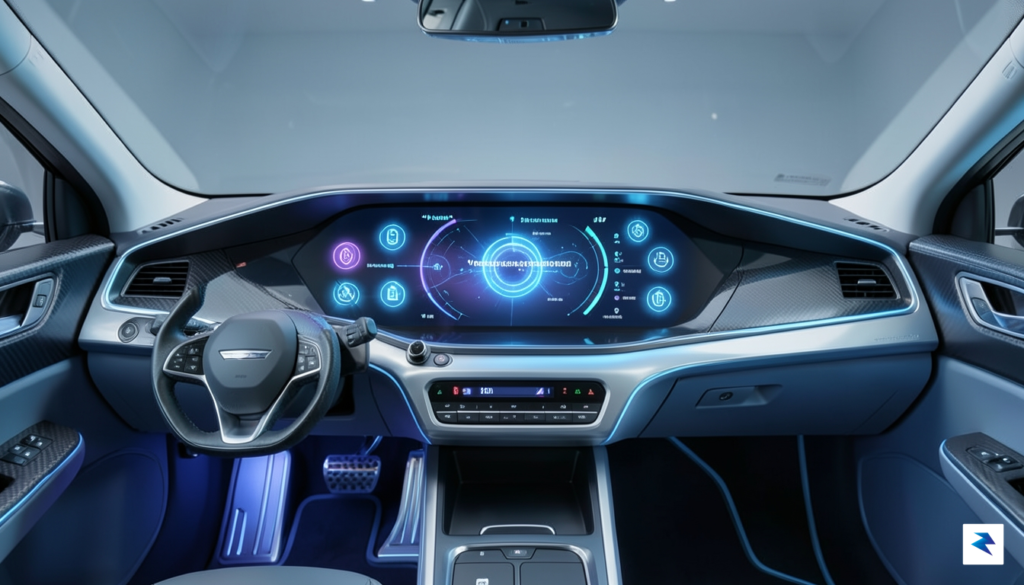
As the automotive industry pivots toward a future defined by full autonomy and seamless connectivity, the digital architecture of our vehicles is becoming as critical as the mechanical components under the hood. The massive financial impact of recent security breaches serves as a stark reminder that as cars evolve into “data centers on wheels,” the attack surface for bad actors expands exponentially. To mitigate these risks, the industry is transitioning toward more rigorous regulatory frameworks, most notably the UNECE WP.29 regulation. This mandate requires manufacturers to implement robust Cybersecurity Management Systems (CSMS) throughout the entire vehicle lifecycle, ensuring that security is not an afterthought but a foundational element of the design process from the initial sketch to the final software update.

Beyond regulatory compliance, the next decade will witness the integration of advanced technologies designed to fortify vehicle ecosystems against sophisticated intrusions. One promising avenue is the implementation of blockchain-based vehicle identities. By creating an immutable, decentralized ledger for every component and software module, manufacturers can ensure that only authorized, untampered firmware is installed on a vehicle, effectively neutralizing the threat of supply chain attacks. Furthermore, as we move toward widespread Vehicle-to-Everything (V2X) communication, the industry is prioritizing encrypted protocols that allow cars to “talk” to traffic lights, pedestrians, and other vehicles without exposing sensitive user data or control systems to interceptors.
The transition to software-defined vehicles is not merely a technological upgrade; it is a fundamental shift in how we must perceive vehicle safety, moving from crash-test ratings to digital integrity scores.
However, technology alone cannot provide a total shield against determined adversaries. The future of automotive safety relies heavily on fostering a “security-first” culture within engineering departments. This cultural shift involves embedding security specialists directly into development teams, promoting regular penetration testing, and adopting “zero-trust” architectures where no internal system is automatically granted access to another without verification. By combining these proactive engineering philosophies with the emerging regulatory standards and blockchain-secured identity protocols, the automotive industry can begin to transform the current landscape of vulnerability into a hardened, resilient infrastructure that protects both the driver and the global economy.
You must be logged in to post a comment.