OpenAI Debuts GPT-5.6: A Deep Dive into Sol, Terra, and Luna
The GPT-5.6 Arrival: Understanding Sol, Terra, and Luna OpenAI has officially shattered the status quo with the release of the GPT-5.6 suite,…
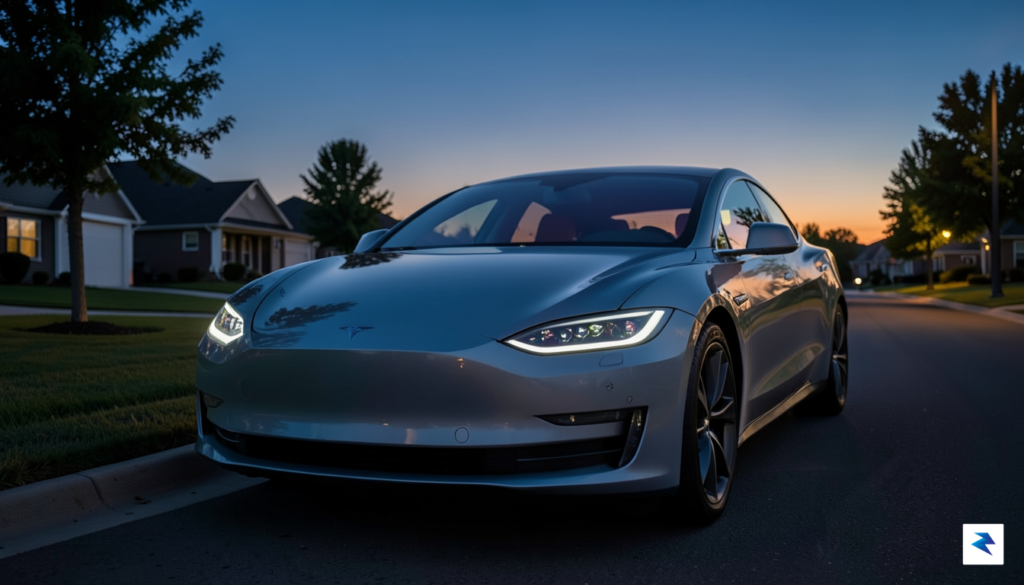
The litigation surrounding the 2023 fatal accident involving a Tesla vehicle operating with Full Self-Driving (FSD) beta software represents a significant moment in the ongoing debate over the safety and accountability of automated driving systems. The incident, which resulted in the tragic loss of life, prompted a rigorous legal challenge aimed at determining the extent of Tesla’s responsibility for the performance of its driver-assistance features. By choosing to reach a settlement shortly before the case was scheduled to head to trial, Tesla opted to resolve the dispute privately rather than subjecting its proprietary technology and internal safety data to the public scrutiny of a courtroom. This strategic pivot highlights the complex legal landscape that automakers must navigate as they integrate increasingly sophisticated AI-driven features into consumer vehicles.
From a legal standpoint, the decision to settle rather than litigate offers several advantages, most notably the ability to avoid a public precedent that could have influenced future claims. When a case proceeds to trial, the discovery process often forces companies to disclose internal communications and technical documentation that might otherwise remain confidential. By finalizing an agreement, Tesla has effectively closed this specific chapter without a jury verdict that could have established a definitive legal standard regarding the liability of manufacturers in the event of an FSD-related malfunction. Nevertheless, this settlement does not signal the end of broader regulatory interest; rather, it underscores the intensity of the scrutiny that Tesla faces as federal investigations into the efficacy of its Autopilot and FSD systems continue to unfold.
Settling a case of this magnitude allows a corporation to mitigate reputational risk and avoid the unpredictability of a jury, yet it also keeps the spotlight firmly fixed on the underlying questions of how ADAS technology interacts with human drivers in real-world scenarios.
Ultimately, the resolution of this lawsuit serves as a sobering reminder of the current limitations of advanced driver-assistance systems (ADAS) and the human expectation of autonomy. As these systems evolve, the distinction between “driver-assist” and “self-driving” remains a point of contention for both regulators and the general public. The legal challenges emerging from such incidents are forcing a necessary reevaluation of how warnings are communicated to users and how much control should be ceded to software in dynamic driving environments. As federal agencies continue to probe the safety profile of Tesla’s technology, the industry as a whole is likely to see a shift toward more stringent testing protocols and clearer definitions of the responsibilities held by both the software provider and the human operator behind the wheel.
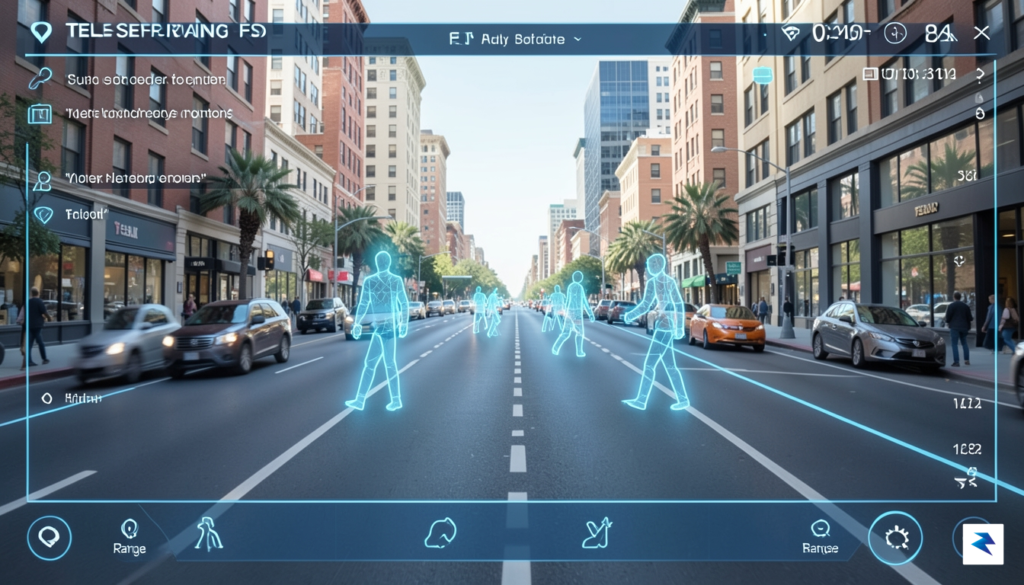
At the heart of Tesla’s controversy lies a sophisticated but often misunderstood vision-based architecture. Unlike many competitors that rely on a redundant sensor suite—incorporating LiDAR, radar, and ultrasonic sensors to build a three-dimensional map of the environment—Tesla’s approach is rooted in “Tesla Vision.” This system utilizes a network of cameras powered by neural networks to interpret the road, identifying lanes, traffic signals, and obstacles in real-time. While this pure-vision model demonstrates remarkable computational prowess, it essentially serves as a highly advanced driver-assistance system rather than a fully autonomous pilot. The core challenge is that the vehicle is constantly processing visual data to make split-second decisions, yet it still requires the human driver to act as the ultimate safety net, ready to intervene at a moment’s notice.
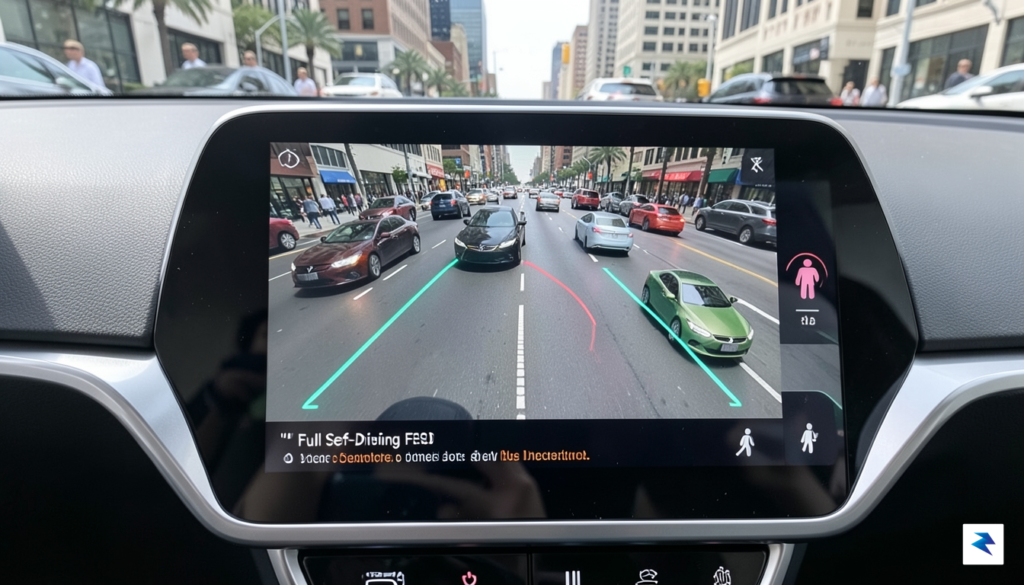
The confusion surrounding the software is largely a matter of classification within the Society of Automotive Engineers (SAE) framework. Industry standards categorize driving automation into levels ranging from zero to five; currently, Tesla’s FSD operates squarely at Level 2. At this level, the vehicle can control both steering and acceleration simultaneously, but the driver must remain fully engaged and keep their eyes on the road. In stark contrast, Level 5 automation implies a car that requires no human intervention under any circumstances, effectively rendering the steering wheel and pedals optional. By labeling the feature “Full Self-Driving,” Tesla creates a psychological dissonance for the average consumer, who may naturally interpret the name as a guarantee of complete automation, rather than a sophisticated cruise-control iteration.
The gap between the marketing label and the actual SAE Level 2 classification creates a critical safety paradox: the more confident a driver feels in the car’s ability, the less vigilant they become, despite the system requiring constant supervision.
This branding strategy has profound implications for driver behavior and the phenomenon known as “automation bias.” When a vehicle performs complex maneuvers like navigating turns or changing lanes with minimal input, drivers often fall into a state of passive monitoring. This over-reliance is dangerous because the software, while impressive, remains prone to edge cases where human intuition is still superior. As federal regulators and legal bodies scrutinize these incidents, the focus has shifted toward whether the terminology used in advertising leads to a fundamental misunderstanding of the vehicle’s limitations. Ultimately, the evolution of this technology depends not just on software updates and better neural networks, but on a more transparent dialogue between manufacturers and the public regarding what these systems can—and cannot—reliably handle in the real world.
While the recent legal settlement regarding Tesla’s Full Self-Driving (FSD) technology may have quieted a high-profile courtroom battle, it has done little to diminish the broader spotlight cast by federal regulators. The National Highway Traffic Safety Administration (NHTSA) remains deeply engaged in a multi-year investigation into the automaker’s driver-assistance features, probing the fundamental intersection of human oversight and machine capability. This ongoing scrutiny is not merely a procedural formality; it represents a pivotal shift in how the government oversees the deployment of advanced software on public roadways. By demanding deeper transparency into how Tesla’s “Autopilot” and FSD systems respond to complex traffic scenarios, federal agencies are effectively signaling that the era of unregulated beta testing on public streets is rapidly coming to an end.
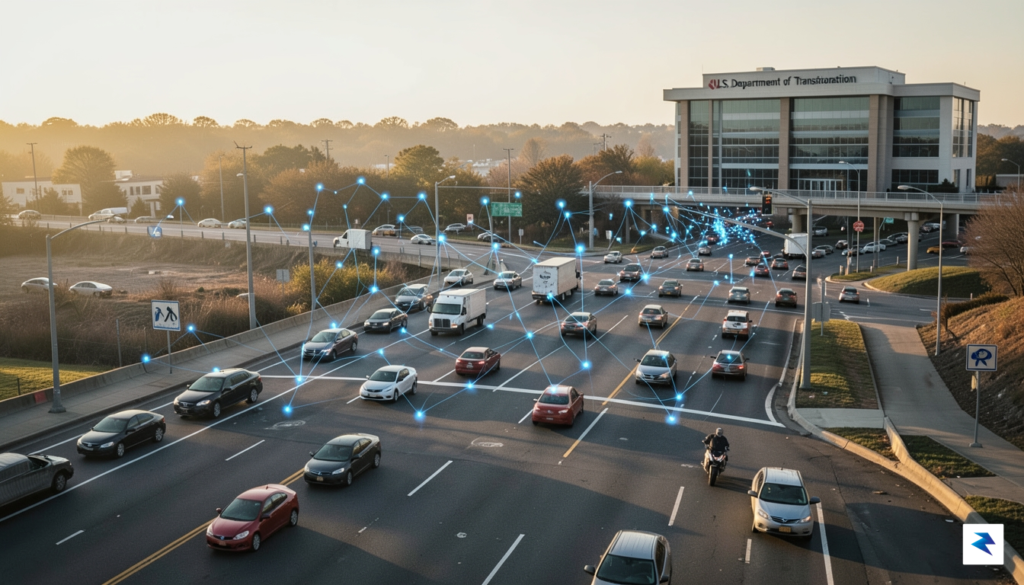
The history of NHTSA’s engagement with Tesla provides a roadmap for how the agency intends to govern the future of autonomous transit. Over the past several years, the agency has initiated a series of mandatory recalls, forcing over-the-air software updates to address concerns regarding how Tesla vehicles behave when approaching emergency vehicles or navigating intersections. These recalls serve as a clear indication that federal regulators are no longer willing to treat software-defined vehicles as distinct from traditional mechanical hardware. Instead, the NHTSA is increasingly categorizing flawed code as a significant safety defect, holding manufacturers accountable for the real-world consequences of their algorithms. This regulatory pressure is forcing a tectonic shift in the automotive industry, compelling companies to prioritize rigorous, verifiable safety validation before pushing updates to customer vehicles.
The core challenge for federal oversight lies in balancing the rapid pace of software innovation with the slow, deliberate process of safety regulation.
Looking ahead, this intensified federal oversight is fundamentally altering the way manufacturers approach the development of autonomous systems. Engineers are now finding it necessary to integrate more robust “fail-safe” mechanisms and clearer driver-monitoring protocols to satisfy both legal requirements and safety standards. By shifting the burden of proof onto the automaker, regulators are ensuring that safety is treated as a foundational requirement rather than an iterative afterthought. Consequently, the industry is moving toward a more conservative testing environment, where the deployment of new features is increasingly contingent upon proving that the system can reliably mitigate human error. Ultimately, the outcome of these federal investigations will set the precedent for the entire autonomous vehicle sector, defining the threshold between acceptable innovation and actionable negligence.

The resolution of this high-profile case signals a pivotal shift in how the automotive and technology industries approach legal liability in the era of artificial intelligence. By opting to settle rather than proceed to a jury trial, Tesla has effectively avoided a public verdict that could have established a damaging legal precedent for its Full Self-Driving (FSD) software. For other manufacturers and software developers, this outcome provides a strategic blueprint: settle early to prevent the creation of “case law” that could otherwise be weaponized against them in future litigation. Instead of defining the legal boundaries of “driver assistance” versus “autonomous control” in a courtroom, companies are likely to keep these debates behind closed doors, opting for the quiet finality of private agreements over the unpredictable risks of judicial scrutiny.
However, this trend of settling out of court presents a significant hurdle for plaintiffs and public safety advocates. When legal disputes are resolved through confidential settlements, the technical evidence—including internal logs, software design documents, and failure analysis—often remains under seal. This practice of using non-disclosure agreements (NDAs) to shield sensitive data effectively masks underlying flaws in autonomous systems, preventing the broader public and regulatory bodies from understanding the root causes of accidents. While individual plaintiffs receive compensation, the industry as a whole may miss out on critical knowledge sharing that could lead to faster, more robust safety improvements. Without the transparency provided by a public trial, the burden of uncovering these technical shortcomings falls increasingly on federal regulators, whose processes are often slower than the rapid pace of software deployment.
Ultimately, this settlement forces a change in the tactical approach for families and victims seeking accountability from Silicon Valley giants. As AI-driven systems become more complex, proving negligence or product defect requires an immense investment in expert testimony and data forensics. Plaintiffs are now faced with a difficult dilemma: accept a settlement that provides financial relief but denies them the opportunity to set a public standard for accountability, or hold out for a trial that carries the risk of a complete loss. As the industry matures, we are likely to see a shift toward more proactive regulatory oversight, as the judicial system appears increasingly ill-equipped to handle the opaque nature of algorithmic decision-making. The ripple effect of this resolution is clear: until legislation catches up to the speed of innovation, the legal landscape will remain a fragmented, case-by-case battleground where silence is often bought at a premium.
The reliance on private settlements to resolve disputes regarding autonomous systems risks creating a “shadow regulation” where the true capabilities and limitations of AI remain hidden from the public eye.
The path toward fully autonomous transportation is paved with both technological marvels and profound moral complexities. While the drive for innovation necessitates a certain tolerance for experimentation, the industry must fundamentally acknowledge that the cost of these risks cannot be measured in human lives. Moving forward, the promise of self-driving technology must be harmonized with a rigid, non-negotiable imperative: the absolute safety of the consumer and the public at large. This transition requires shifting from a culture of “move fast and break things”—a mindset often borrowed from Silicon Valley software development—to a more mature, safety-first paradigm that respects the heavy physical consequences of automotive failure.
To achieve this balance, the industry must establish universally accepted, standardized safety protocols that go beyond current voluntary guidelines. Currently, the landscape of autonomous software development is fragmented, with each manufacturer employing unique testing methodologies and reporting metrics. By mandating a unified framework for how AI-driven systems perceive, interpret, and react to complex road conditions, regulators can ensure that every vehicle on the road meets a baseline of competence. Such standardization would not stifle competition; rather, it would create a level playing field where safety performance becomes a transparent, measurable metric that consumers can use to make informed purchasing decisions.
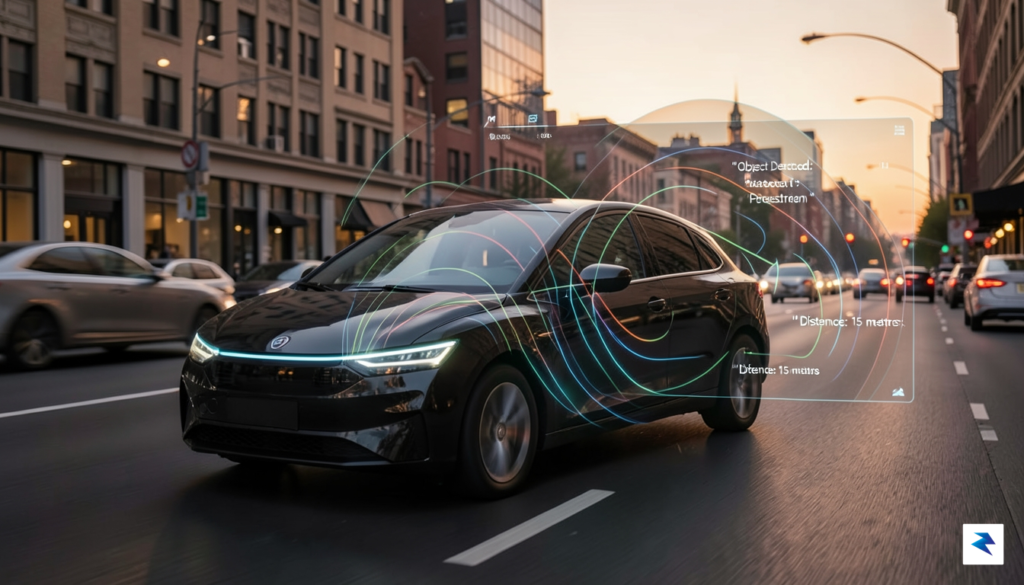
Transparency is the other critical pillar in this evolution, particularly concerning how software updates are deployed to existing fleets. When a manufacturer pushes an update to a vehicle’s Full Self-Driving capabilities, the impact on human behavior and vehicle performance can be significant and unpredictable. Moving forward, manufacturers must adopt an “open-book” policy regarding data collection and incident reporting. If an autonomous system encounters a scenario it cannot handle, that data should not remain siloed within corporate servers. Instead, it should be shared across the industry to facilitate collective learning, ensuring that a mistake made by one vehicle does not need to be repeated by millions of others.
The long-term viability of autonomous driving depends less on the speed of technological breakthroughs and more on the restoration of public trust.
Ultimately, the global market will continue to impose stricter regulations as these systems become more prevalent. Companies that prioritize rigorous, evidence-based safety validation over rapid deployment will likely find themselves in a stronger position as governments tighten their oversight. By embracing a proactive, collaborative approach to safety, the industry can evolve from a state of experimental uncertainty into a future where autonomous technology is recognized not as a dangerous novelty, but as a reliable, life-saving innovation that seamlessly integrates into our daily lives.
You must be logged in to post a comment.