From Allbirds to AI: How One CEO is Building a Startup from Scratch
From Footwear to Foundations: The Pivot to AI The journey from leading a beloved direct-to-consumer brand like Allbirds to launching a new…
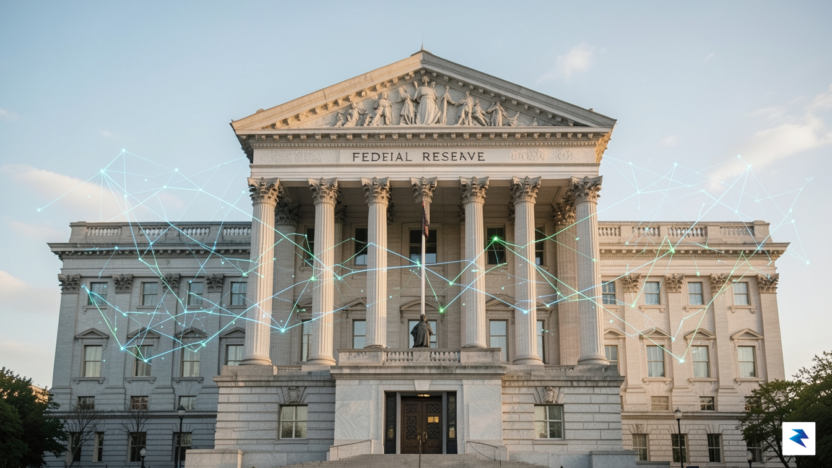
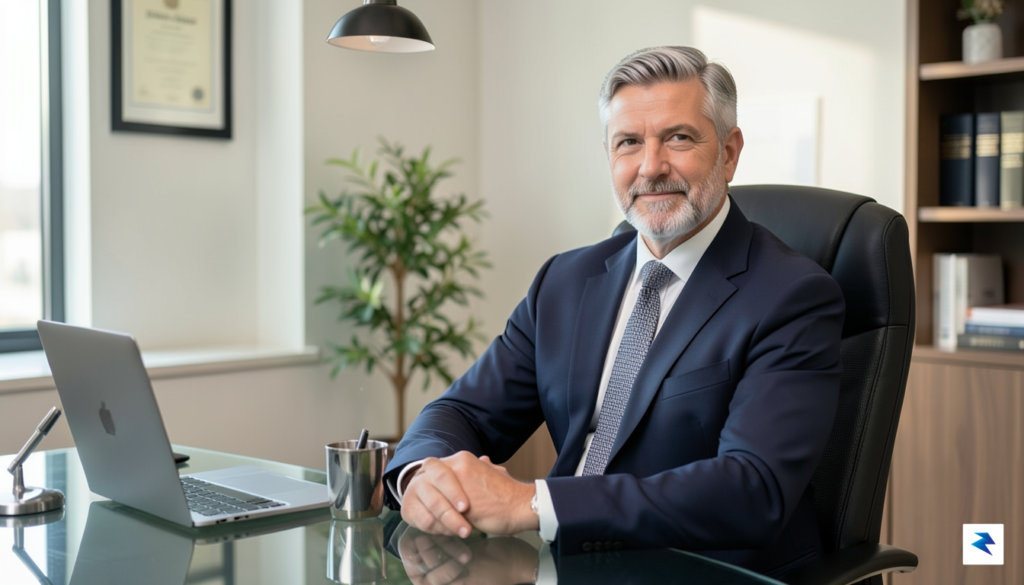
As the financial world intently fixes its gaze on the Federal Reserve, the appointment of Kevin Warsh as its new chairman marks a profound and potentially transformative shift in central bank leadership. Known for his deep ties to both the private sector’s intricate mechanisms and the powerful corridors of Washington, Warsh brings a truly distinct perspective to an institution at a critical economic juncture. His career trajectory, spanning significant roles in finance, government, and influential think tanks, positions him not merely as a successor but as an architect poised to redefine American monetary policy in the years to come.
Warsh’s journey to the pinnacle of central banking is underpinned by a robust academic foundation and early professional successes. He earned his undergraduate degree from Stanford University before pursuing a Juris Doctor from Harvard Law School, equipping him with a keen analytical mind and a deep understanding of legal and regulatory frameworks. Following his academic pursuits, Warsh honed his expertise in the private sector, notably at Morgan Stanley, where he specialized in mergers and acquisitions. This early exposure to the practicalities of corporate finance and market dynamics provided him with invaluable insights into the real-world implications of economic policy, a perspective that would profoundly influence his later public service.
A pivotal chapter in Warsh’s career unfolded with his appointment as a Governor of the Federal Reserve System in 2006 by President George W. Bush. Serving during the tumultuous period encompassing the 2008 financial crisis and its immediate aftermath, he was an integral part of the Federal Open Market Committee (FOMC) tasked with navigating unprecedented economic challenges. During his tenure, Warsh played a significant role in developing and implementing emergency lending facilities and was known for his thoughtful contributions to monetary policy debates, often emphasizing the need for clear communication and prudent risk management. His firsthand experience with crisis management and quantitative easing policies undoubtedly shaped his views on the limits and capabilities of central bank intervention.
Following his departure from the Fed in 2011, Warsh continued to influence economic discourse as a Distinguished Visiting Fellow at Stanford University’s Hoover Institution. In this role, he became a prominent voice, frequently offering sharp critiques of post-crisis monetary policy and advocating for a return to more rules-based approaches, greater transparency, and a clear exit strategy from extraordinary measures. His research and public commentary during this period reinforced his reputation as a thoughtful, independent voice with a strong conviction in market principles and sound money. This intellectual grounding at the Hoover Institution has equipped him with a consistent framework for approaching the complex challenges that now await him at the helm of the Federal Reserve.
Consequently, Warsh’s appointment is widely interpreted as a signal for a potentially significant shift in the Federal Reserve’s direction. His blend of practical Wall Street experience, crisis-era policymaking at the Fed, and subsequent academic reflection positions him uniquely to address current economic realities. Observers anticipate that his leadership could usher in an era characterized by a renewed focus on monetary policy normalization, a more disciplined approach to the Fed’s balance sheet, and perhaps a fresh perspective on the central bank’s role in financial stability. Indeed, this moment is being viewed as truly transformative, suggesting a new chapter for American monetary policy that could recalibrate the institution’s relationship with markets, government, and the global economy.
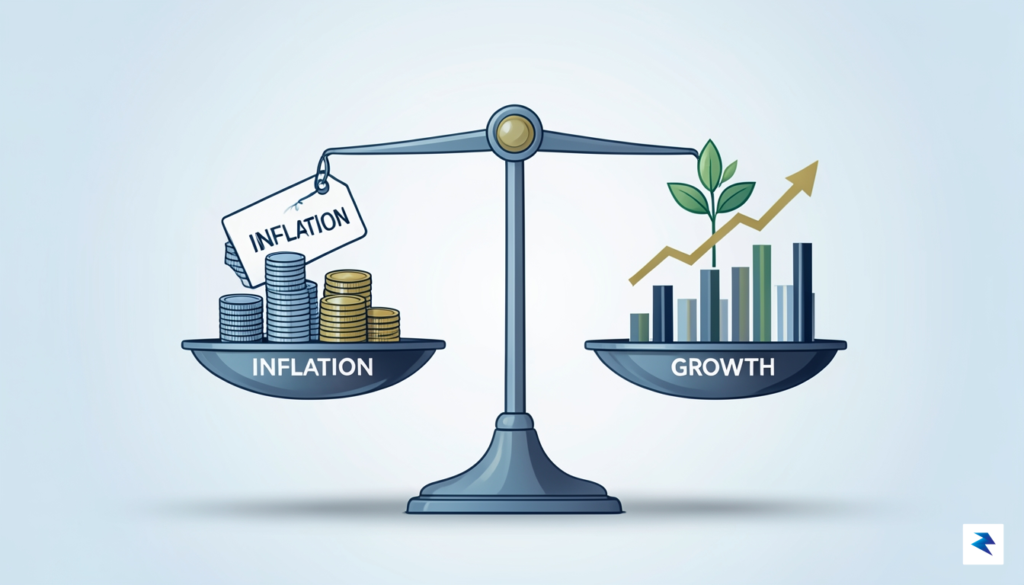
Kevin Warsh’s economic philosophy stands in stark contrast to the prevailing winds that have often favored aggressive monetary intervention in recent decades. He has consistently championed a more disciplined and cautious approach, firmly rooted in the conviction that price stability is not merely a desirable outcome but the bedrock upon which sustained economic growth and financial health are built. Unlike some who might advocate for perpetual stimulus to smooth over every market tremor, Warsh’s ideology leans heavily towards allowing market mechanisms to function with minimal distortion, fostering long-term resilience rather than short-term fixes. This perspective suggests a readiness to endure some immediate pain for the sake of greater stability down the line, distinguishing him from predecessors who often prioritized employment mandates through expansive monetary policies.
Indeed, Warsh’s ‘hawkish’ reputation is well-earned, reflecting his deep skepticism regarding the efficacy and unintended consequences of unconventional monetary tools, particularly quantitative easing (QE). During his tenure as a Fed governor, he voiced concerns about the Fed’s expanded balance sheet, questioning whether these large-scale asset purchases truly provided the intended stimulus without introducing significant risks to financial markets and future inflation. He posited that while QE might offer a temporary boost, it could also foster moral hazard, inflate asset bubbles, and ultimately complicate the eventual normalization of monetary policy. His view is that the central bank’s role should be carefully defined, avoiding overreach into areas better left to fiscal policy or market forces, thereby preserving the Fed’s independence and credibility.
Furthermore, Warsh often emphasizes that monetary policy alone cannot solve deeper, structural economic issues. He advocates for a broader focus on fiscal and regulatory reforms to unleash productivity and foster genuine economic growth, rather than relying solely on the central bank to prop up a struggling economy. This perspective suggests a belief that true prosperity comes from sound government policies, competitive markets, and innovation, not from the constant manipulation of interest rates or the expansion of the money supply. He believes that by over-relying on monetary levers, policymakers risk distracting from the more difficult, but ultimately more impactful, work of addressing fundamental challenges like stagnant productivity, excessive debt, and regulatory burdens that impede business investment.
Perhaps one of the most distinctive aspects of Warsh’s approach is the unique lens through which he interprets market signals, largely informed by his significant experience on Wall Street. Unlike many career academics who view economic models as the primary guide, Warsh’s background provides him with a pragmatic, real-world understanding of financial mechanics and investor psychology. This practical insight allows him to discern subtle shifts in market sentiment, anticipate the behavioral responses of financial institutions, and better gauge the transmission mechanisms of monetary policy. His time in investment banking granted him a ground-level view of how capital flows, risk is managed, and expectations are formed, making him particularly attuned to how policy decisions ripple through the complex global financial system. This blend of academic rigor and market savvy gives his economic philosophy a distinct edge, allowing for a more nuanced and perhaps more cautious assessment of policy interventions.

The arrival of a new Federal Reserve chairman always brings a palpable shift in market sentiment, and Kevin Warsh’s appointment is no exception, immediately placing the upcoming Federal Open Market Committee (FOMC) meetings under an even brighter spotlight. Businesses and consumers alike have been grappling with a prolonged period of elevated interest rates, and Warsh’s debut signals a potential re-evaluation of the current monetary policy trajectory. The immediate expectation is a careful calibration, as Warsh inherits the complex task of navigating the economy towards a “soft landing”—a delicate balance where inflation is curbed without stifling economic momentum into a recession. This challenge will test his strategic acumen from day one, as the financial world keenly observes his initial pronouncements and voting patterns for clues about the path ahead for borrowing costs.
A central question swirling around Warsh’s leadership is his stance on the “higher-for-longer” interest rate environment that has characterized recent monetary policy. While previous Fed rhetoric emphasized maintaining restrictive rates until inflation definitively returned to target levels, Warsh’s historical perspective and economic philosophy may introduce nuances to this approach. Analysts will be scrutinizing whether he leans towards a more aggressive, sustained hawkish posture to decisively anchor inflation expectations, or if he might signal a greater willingness to consider rate adjustments sooner should economic data, particularly employment figures, show signs of significant weakening. His challenge will be to articulate a coherent strategy that reassures markets of the Fed’s commitment to price stability, while also acknowledging the mounting pressures on sectors sensitive to borrowing costs.
The Federal Reserve operates under a dual mandate: fostering maximum employment and ensuring stable prices. Warsh’s approach to balancing these often-competing objectives will be paramount in shaping future interest rate decisions. In an economy where inflation has proven stubbornly persistent, yet job growth has shown signs of moderation, the trade-offs are stark. Will Warsh prioritize bringing inflation firmly down to the 2% target, even if it means tolerating a temporary increase in unemployment, or will he seek a more nuanced path that attempts to safeguard labor market gains while gradually disinflating the economy? His initial pronouncements and the collective tone of the FOMC under his leadership will offer critical insights into how this delicate balance will be struck, influencing everything from mortgage rates to business investment decisions.
The immediate implications of Warsh’s leadership extend beyond just the next rate hike decision; they will shape the very framework through which the Fed assesses economic health and policy effectiveness. His initial moves, particularly at the upcoming policy meetings, will be scrutinized for any deviation from established patterns, potentially signaling a new era of monetary policy. For businesses planning investments and consumers managing household budgets, understanding Warsh’s philosophy on liquidity, quantitative tightening, and forward guidance will be crucial. The market is poised for a potential pivot, and Warsh’s ability to articulate a clear, credible vision for tackling inflation while preserving economic momentum will define his early tenure and set the stage for interest rate strategies for the foreseeable future.
Leading the Federal Reserve is an extraordinary challenge, demanding not only a profound understanding of economics but also a keen political acumen. The Chair must navigate a complex landscape, balancing the institution’s critical independence with the inherent pressures from a polarized political environment. For a new leader like Kevin Warsh, his ability to cultivate consensus within the influential Board of Governors and the broader Federal Open Market Committee (FOMC) will be the inaugural and perhaps most telling test of his leadership. This internal diplomacy is paramount, as the Fed’s strength lies in its unified voice, even when born from diverse perspectives, ensuring policy effectiveness and market confidence.
The FOMC, in particular, is a crucible of diverse economic thought, comprising not only the seven governors but also the presidents of the twelve regional Federal Reserve banks, who rotate voting privileges. Each member brings unique insights and often divergent views on inflation, employment, and the appropriate stance of monetary policy, reflecting the varied economic conditions across the country. Warsh’s task will be to harness these intellectual differences, fostering robust debate while ultimately steering the committee towards a cohesive policy stance. This requires more than just casting a tie-breaking vote; it demands active listening, persuasive argumentation, and a deep respect for dissenting opinions, ensuring that all voices feel heard and considered, even if their specific policy preference isn’t adopted.
Beyond internal cohesion, Warsh’s approach to communication will be pivotal in shaping public and market understanding of the Fed’s actions. In an era where every word from the central bank is dissected, transparency isn’t merely a virtue but a strategic imperative. He might consider restructuring communication strategies to provide clearer, more accessible explanations of policy decisions, perhaps offering more detailed post-meeting analyses or engaging more frequently with the public through various channels. The goal would be to demystify the Fed’s complex operations, thereby enhancing its credibility and managing market expectations more effectively, minimizing volatility stemming from uncertainty.
Maintaining the Federal Reserve’s cherished independence from political influence will undoubtedly be another defining aspect of Warsh’s tenure. The institution’s mandate to pursue maximum employment and price stability is most effectively achieved when insulated from short-term political agendas. Warsh has historically articulated a strong belief in the Fed’s non-partisan role, often emphasizing the institution’s duty to act in the nation’s long-term economic interest, irrespective of the prevailing political winds. His challenge will be to skillfully defend the Fed’s autonomy against potential legislative or executive branch pressures, doing so with a firm but diplomatic hand that safeguards its integrity without alienating crucial stakeholders.
Ultimately, Warsh’s success will hinge on his capacity to blend intellectual leadership with pragmatic governance. He must be adept at synthesizing disparate economic viewpoints into a coherent policy, while simultaneously projecting an image of unwavering commitment to the Fed’s dual mandate and its institutional independence. This delicate balancing act, navigating both internal dissent and external political scrutiny, will define his legacy and determine the stability and efficacy of the nation’s central bank during a critical period.
As Kevin Warsh steps into the spotlight, the broader question remains: what does the future of the American economy look like under his watch? His tenure is expected to usher in a period characterized by a deliberate blend of market-driven insights and a conservative monetary framework, aiming to steer the Federal Reserve toward an era of greater predictability and stability. This long-term vision suggests a significant departure from recent expansive policies, with an emphasis on fostering sustainable growth through sound, disciplined monetary stewardship rather than continuous intervention.
Under Warsh’s guidance, the long-term implications for monetary policy are poised to be substantial. We can anticipate a renewed focus on core principles of inflation control and fiscal discipline, potentially signaling a reduced reliance on unconventional tools like quantitative easing. This shift implies a more traditional approach to interest rate management, where rates might be adjusted more proactively to pre-empt inflationary pressures, rather than react to them after they’ve taken hold. Such a framework aims to create a more transparent and understandable monetary policy, which, while perhaps leading to some initial market adjustments, is ultimately intended to build long-term confidence by minimizing surprises and fostering a stable economic environment for businesses and consumers alike.
Beyond monetary mechanics, Warsh’s leadership could also herald a significant recalibration of the regulatory landscape. There is an expectation that he might advocate for a re-evaluation of certain post-crisis financial regulations, particularly those perceived as overly burdensome to financial institutions. The goal here would be to strike a better balance between ensuring financial stability and promoting economic dynamism, potentially by streamlining compliance requirements and encouraging greater risk-taking in productive sectors. This potential shift could reshape banking sector profitability and investment flows, aiming to unleash capital for growth while still maintaining robust oversight, fostering an environment where financial markets can thrive without undue constraints.
The ripple effects of Warsh’s approach would undoubtedly extend to global markets and foreign central banks. A more predictable and potentially tighter monetary policy in the U.S. could lead to a stronger dollar, attracting capital flows into American assets due to perceived stability and higher returns. This scenario could pose challenges for emerging markets, particularly those with significant dollar-denominated debt, while also influencing other central banks to either follow suit in tightening their own policies or manage diverging economic paths. Warsh’s emphasis on market signals and reduced political interference would likely reinforce the Fed’s independent role on the world stage, impacting international financial architecture and cross-border economic relations for years to come.
Ultimately, Warsh’s term is likely to be defined by his aspiration to build a legacy centered on restoring public trust in the Federal Reserve and ensuring the long-term health of the American economy. He envisions a central bank that is not merely reactive to crises but proactive in establishing a foundation for sustainable growth, characterized by low inflation, robust financial markets, and consistent policy communication. This would mark a pivot from a decade of crisis management to a more forward-looking, strategic approach to monetary policy, aiming to solidify the Fed’s role as a bedrock of economic stability and predictability for generations to come.
[IMAGE: A stylized image of the U.S. Capitol building in the background, with a graph showing stable economic growth and low inflation in the foreground, subtly incorporating elements of a clock face to represent long-term vision and predictability.]
You must be logged in to post a comment.