Comcast’s Corporate Split: What It Means for Peacock’s Future
The Strategic Uncoupling: Comcast's New Corporate Architecture The proposed corporate restructuring at Comcast represents a profound…
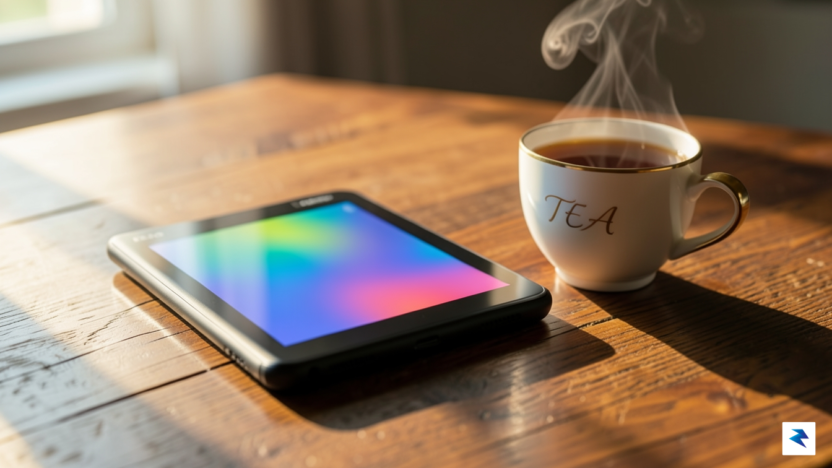
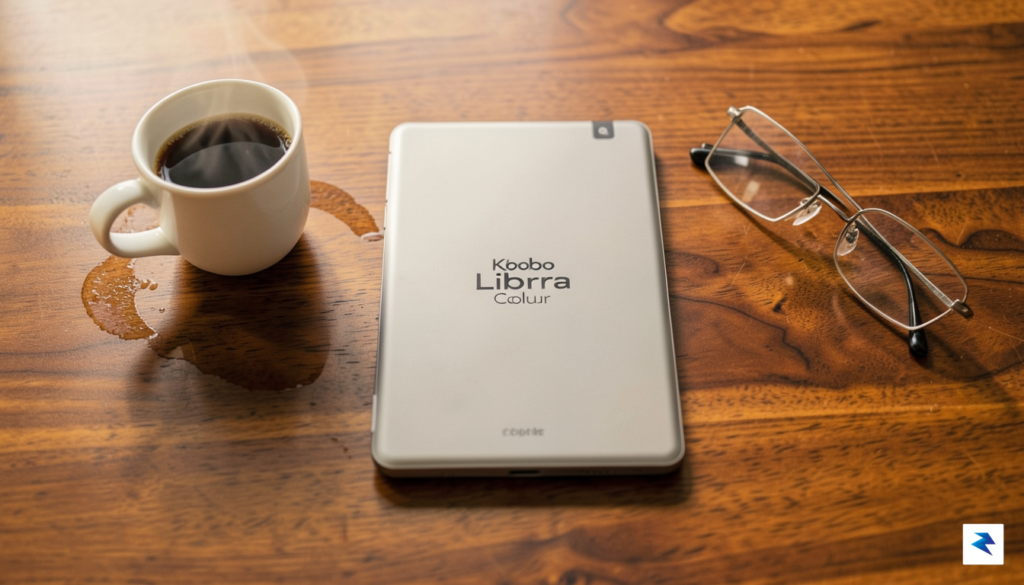
For over a decade, Amazon has maintained a near-monopoly on the digital reading experience, turning the Kindle into a household name while simultaneously locking users into a restrictive, walled-garden ecosystem. While the convenience of the Kindle store is undeniable, it often comes at the cost of true ownership and file flexibility. Enter the Kobo Libra Colour: a device that doesn’t just challenge the Kindle’s hardware dominance, but fundamentally shifts the philosophy of what an e-reader should be. By prioritizing user freedom and a more open approach to content management, the Libra Colour offers a sophisticated sanctuary for readers who are tired of being tethered to Amazon’s proprietary file formats and restrictive interface.
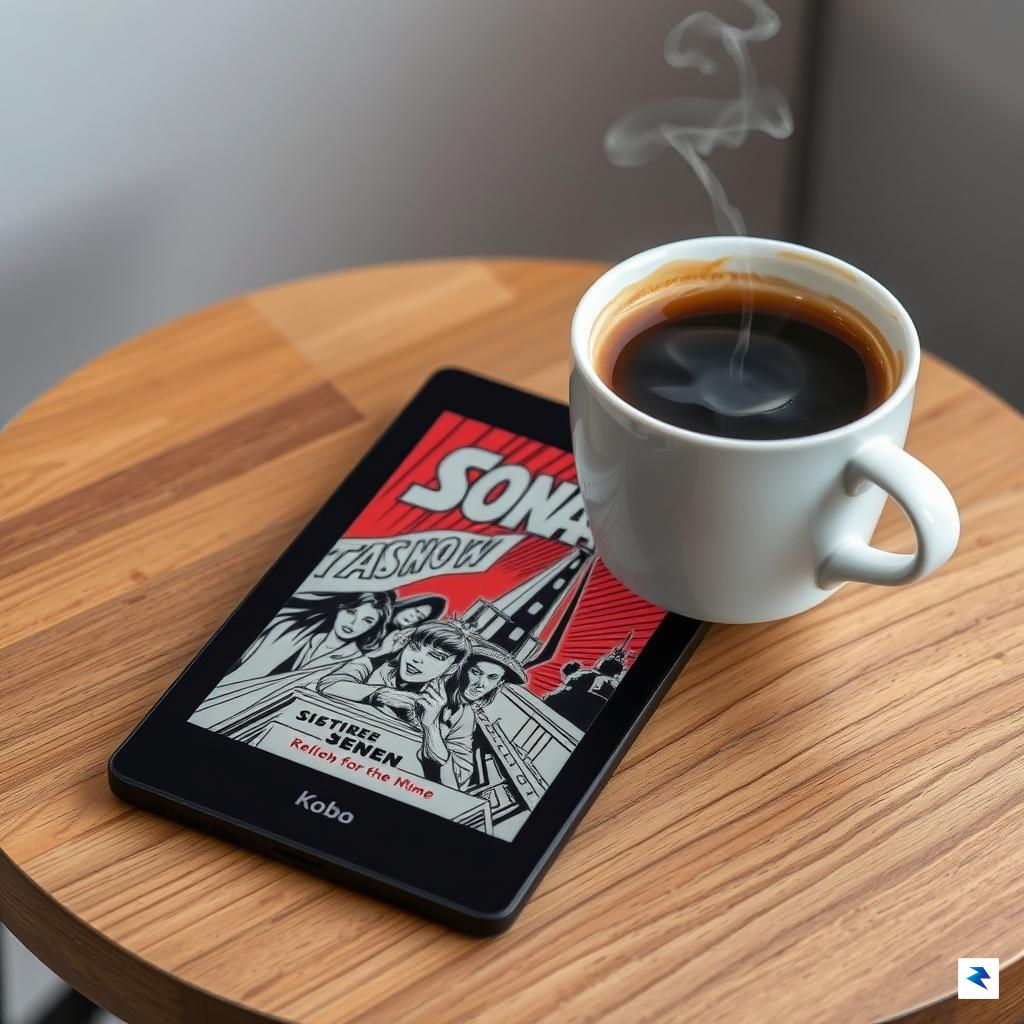
The first thing you notice when picking up the Kobo Libra Colour is its refined, ergonomic design. Unlike the utilitarian, plastic-heavy aesthetic often found in entry-level e-readers, the Libra Colour feels premium in the hand, featuring a comfortable asymmetric grip and physical page-turn buttons that provide a tactile satisfaction Kindle users have been missing for years. Beyond the hardware, the device’s standout feature—the E Ink Kaleido 3 color display—brings a new dimension to reading. Whether you are browsing graphic novels, highlighting educational textbooks in vibrant hues, or simply organizing your library with color-coded covers, the screen technology feels like a genuine leap forward rather than a gimmick. It transforms the screen from a mere text-delivery system into a versatile canvas that respects the visual integrity of modern digital publications.
The true strength of the Kobo ecosystem lies in its commitment to the reader’s autonomy, proving that you don’t need to sacrifice ease of use to gain true control over your digital library.
Perhaps the most compelling argument for making the switch is Kobo’s deep-rooted support for the open web and public infrastructure. While Amazon makes it notoriously difficult to read anything outside of their specific ecosystem, the Libra Colour embraces the EPUB format as its native language. This makes it an absolute powerhouse for library users; with built-in OverDrive and Libby integration, you can borrow e-books directly from your local library without ever needing to touch a computer or navigate Amazon’s convoluted lending menus. Furthermore, for those who manage large personal collections, Kobo’s “drag-and-drop” file management is a breath of fresh air. By choosing the Libra Colour, you aren’t just buying a piece of hardware—you are reclaiming the right to organize, store, and enjoy your books on your own terms, free from the constraints of a single corporate bookstore.
For those who have been monitoring the e-reader market, the recent fluctuations in pricing for the Kobo Libra Colour have been difficult to ignore. When the device first launched, it occupied a comfortable spot in the mid-range market with an MSRP of $229.99, a price point that felt balanced for its unique color E Ink display and note-taking capabilities. However, a quiet adjustment saw that sticker price climb to $259.99, a change that understandably gave many potential buyers pause. This increase pushed the device into a higher tier, forcing consumers to reconsider the value proposition of a color-capable e-reader versus the more aggressive pricing often seen from competitors.
The current market landscape, however, has shifted once again in favor of the consumer. Major retailers including Best Buy, Target, and Kobo’s own direct storefront have rolled out promotional pricing that knocks $30 off that elevated MSRP. By effectively reverting the cost to its original launch price, these retailers have neutralized the recent hike and restored the device’s status as a high-value purchase. This is not merely a temporary sale; it is a critical correction that brings the Kobo Libra Colour back to the “sweet spot” where it can comfortably compete against the Kindle lineup without feeling overpriced for the average reader.
The $30 discount effectively resets the market expectations for the Kobo Libra Colour, transforming a questionable investment back into an essential upgrade for digital book lovers.
It is important to understand why this specific window of opportunity is so significant. E-reader pricing is notoriously volatile, often dictated by supply chain shifts, seasonal demand, and competitive benchmarking against Amazon’s ecosystem. When a premium device like this sees a price hike, it usually signals that the manufacturer is testing the elasticity of the market. By offering this discount so shortly after the increase, Kobo and its retail partners are clearly signaling that they value market share and user adoption just as much as margin. For prospective buyers who have been sitting on the fence, waiting for the right moment to migrate away from a locked-in ecosystem, this current promotion provides the perfect financial incentive to make the switch without feeling like they are overpaying for the transition.
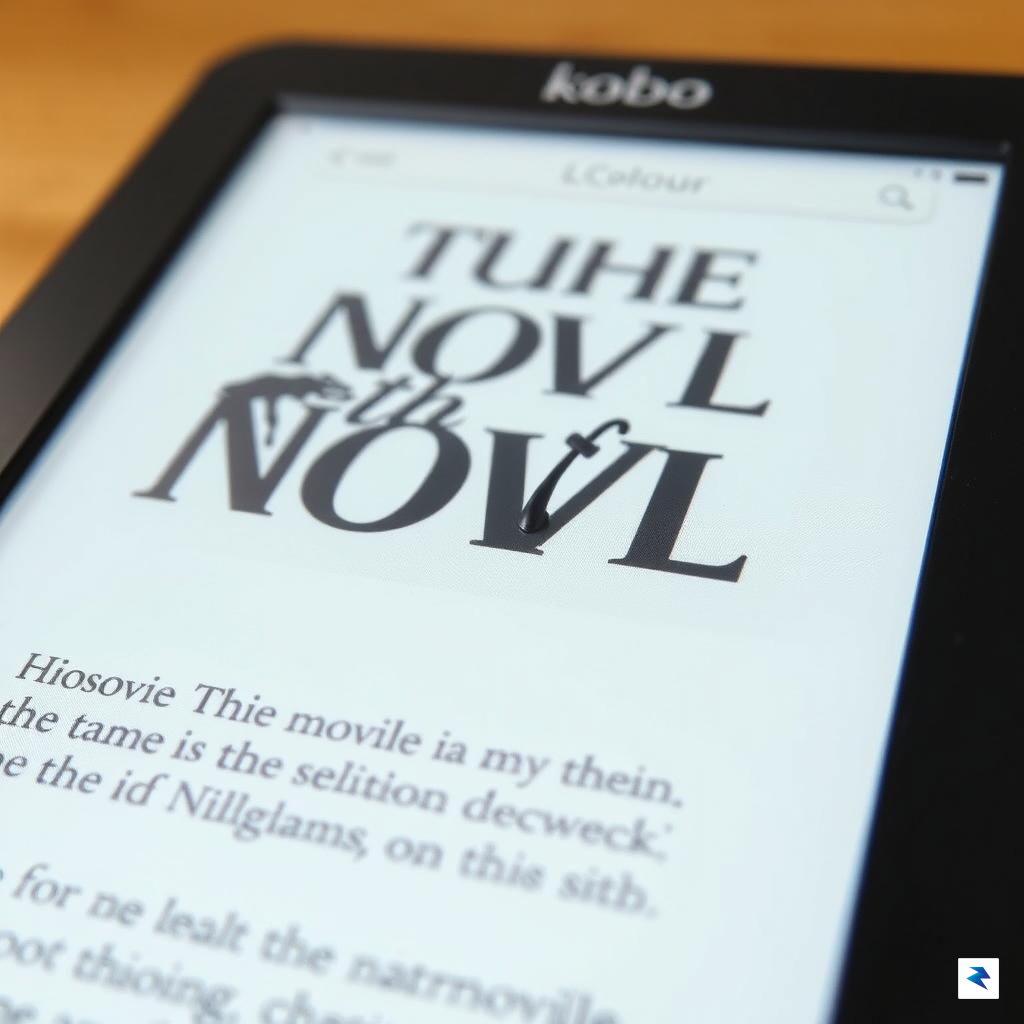
At the heart of the device’s appeal is the E Ink Kaleido 3 display technology, which fundamentally transforms how we interact with digital literature. Unlike traditional monochrome e-readers, this screen introduces a subtle, muted color palette that breathes new life into graphic novels, highlighted passages, and book covers without sacrificing the glare-free clarity of electronic ink. While the color resolution is lower than the black-and-white text layer, the integration is seamless, ensuring that text remains razor-sharp and easy on the eyes during extended reading sessions. By balancing vibrant visuals with the signature eye-comfort of E Ink, this display feels less like a backlit tablet and more like a high-quality print medium, effectively bridging the gap between digital convenience and physical book aesthetics.
Beyond the screen, the hardware is a masterclass in ergonomics, specifically designed to mitigate the physical fatigue often associated with handheld devices. The signature asymmetrical, curved chassis is more than just a stylistic choice; it creates a natural grip that shifts the center of gravity into the palm of your hand. Complementing this shape are the dedicated, tactile page-turn buttons. In a market dominated by touch-only interfaces, these physical buttons provide a satisfying, mechanical feedback that makes one-handed navigation effortless. Whether you are curled up in bed or commuting on a crowded train, these buttons ensure you never have to fumble with a touchscreen to advance the narrative, keeping your focus entirely on the page.
The combination of physical page-turn buttons and a curved, ergonomic grip makes long-form reading feel intuitive, reducing the strain on your wrists and thumbs during marathon sessions.
Durability and longevity are equally central to the user experience, as the device boasts an IPX8 waterproof rating. This certification allows you to read with total peace of mind in high-risk environments, whether you are relaxing in a bubble bath or lounging by the poolside. You no longer have to worry about accidental splashes or sudden downpours ruining your library, as the internal components are fully protected against immersion. When you combine this ruggedness with a battery life that comfortably lasts for weeks on a single charge, you get a reliable companion that is ready for any environment. This emphasis on hardware longevity ensures that the device remains a steadfast part of your daily routine for years, rather than a fragile gadget that requires constant babying.
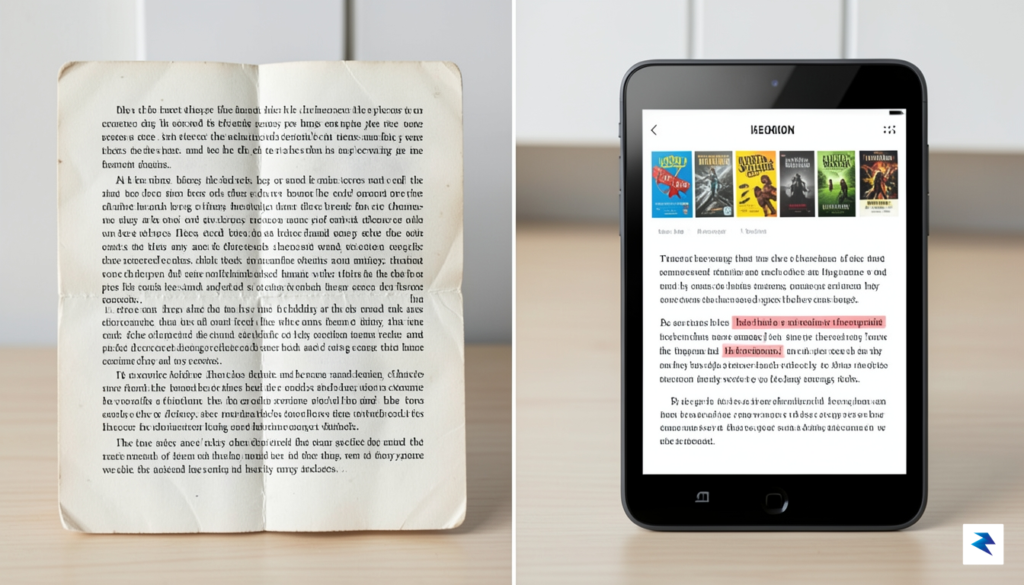
For many years, the e-reader experience was defined by the binary simplicity of black and white text. While this approach effectively mimicked the printed page, it often left power users and visual learners wanting more. The shift toward color E-Ink technology—pioneered by devices like the Kobo Libra Colour—is far more than a marketing gimmick or a flashy aesthetic upgrade. By integrating a subtle, muted color gamut into the familiar E-Ink interface, these devices transform how we interact with information, making digital reading feel less like a confined text document and more like a dynamic, personal library.
One of the most practical applications of this technology is the ability to use color for organization and annotation. When you are reading a dense non-fiction book or studying technical materials, the ability to highlight key passages in different colors acts as a powerful cognitive tool. You can color-code your notes—perhaps using yellow for definitions, green for actionable insights, and pink for personal reflections—which makes returning to your highlights later significantly more intuitive. Furthermore, viewing your digital library becomes a much richer experience when you can see book covers in their original hues. This visual context helps you navigate your collection quickly, turning a list of titles into a recognizable, personalized bookshelf that mimics the sensory appeal of a physical home library.
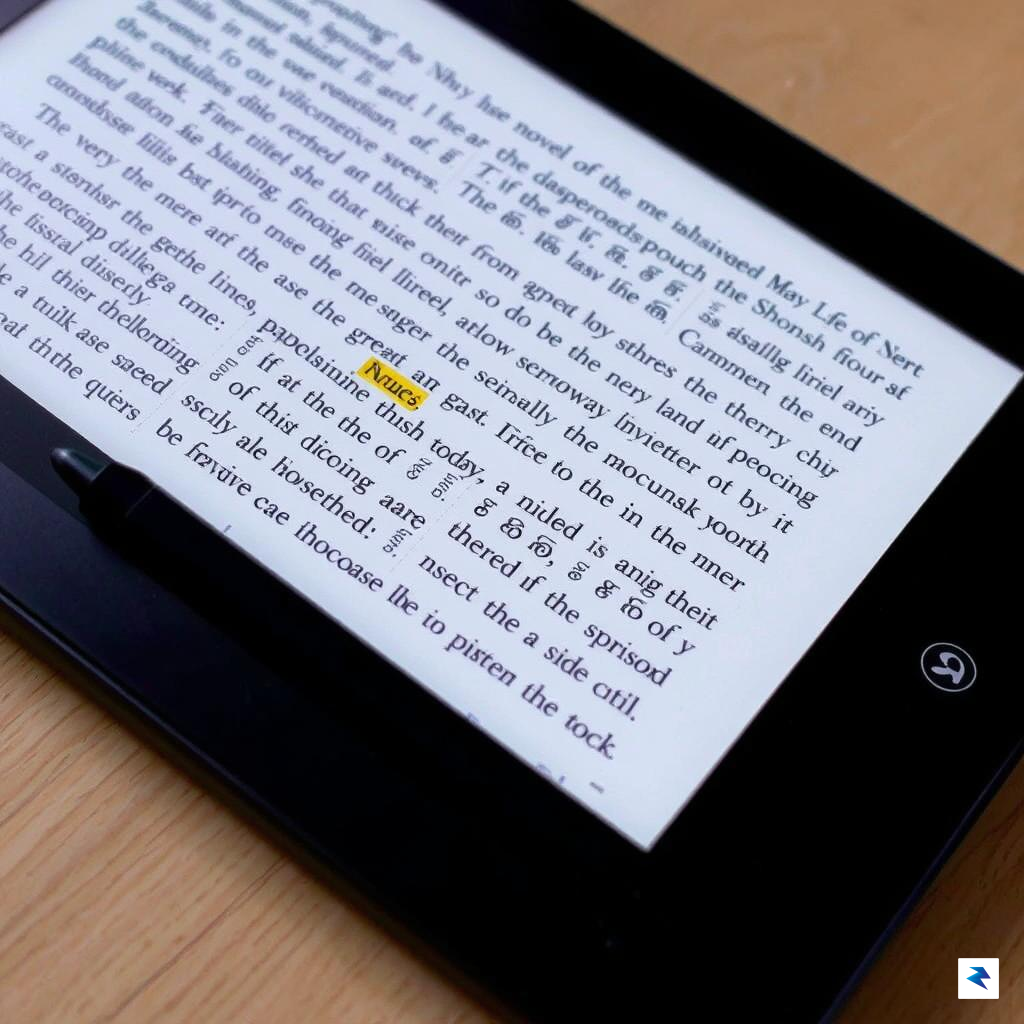
It is important to acknowledge that color E-Ink operates differently than the backlit LCD or OLED screens found on smartphones and tablets. While a phone screen can display millions of vibrant, saturated colors, it does so by firing light directly into your eyes, which can lead to significant digital eye strain and sleep disruption over long reading sessions. In contrast, the color E-Ink display on the Libra Colour uses reflected ambient light, maintaining the same eye-friendly properties as traditional monochrome e-readers. Although the colors may appear softer and more muted than those on a flagship smartphone, this subtlety is actually a benefit for long-form readers.
The transition to color E-Ink offers the perfect middle ground for the modern reader: it provides the visual utility of color for charts, graphs, and annotations without sacrificing the gentle, paper-like reading experience that protects your vision during extended sessions.
Beyond the simple pleasure of viewing color, the utility extends to specialized reading habits. For fans of graphic novels, manga, and textbooks filled with charts or infographics, color finally bridges the gap between digital convenience and the original artistic intent. You no longer have to squint at grayscale diagrams that lose their meaning without color-coded legends. By choosing a device that prioritizes a flicker-free, glare-resistant color display, you ensure that your reading habits remain flexible and immersive, whether you are diving into a colorful comic book or annotating a complex research paper for your professional life.

The prospect of abandoning a digital library built over years of curated purchases can feel genuinely intimidating. Most Kindle users have grown accustomed to the seamless integration between the Amazon storefront and their hardware, making the thought of migrating feel like a chore. However, it is essential to recognize that the friction of moving your library is a one-time hurdle that grants you long-term freedom. While it may take a few hours to organize your existing files or utilize tools like Calibre to manage your collection, the trade-off is moving away from a closed, restrictive ecosystem toward a device that treats you like an owner rather than a renter.
The primary advantage of transitioning to a Kobo device lies in its open philosophy. Unlike the Kindle, which essentially acts as a portal for Amazon-exclusive content, Kobo e-readers are designed to support a vast array of file formats, including EPUB, PDF, and even CBR/CBZ for graphic novels. This flexibility means you are no longer tethered to a single storefront. You can support local independent bookstores through the Kobo store, borrow books through OverDrive directly on your device, or easily sideload content you have acquired from other reputable sources. By choosing hardware that respects your autonomy, you ensure that your reading habits are dictated by your preferences rather than the limitations of a tech giant’s proprietary software.
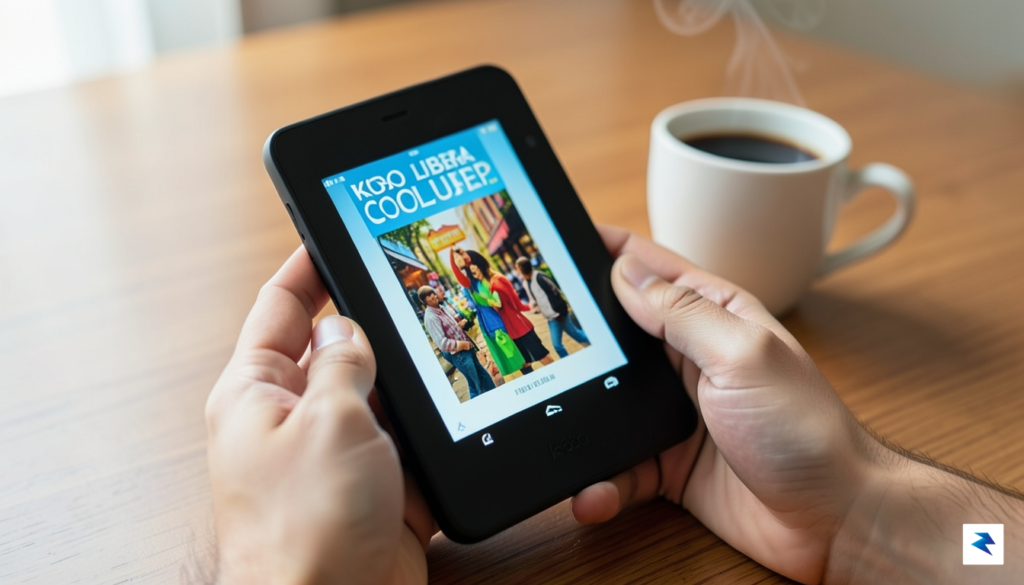
Deciding whether to make the switch ultimately depends on your personal reading habits and how you value digital ownership. To help you determine if your current setup is still serving you, consider this checklist:
Ultimately, the best e-reader is the one that disappears into the background, allowing you to focus entirely on the story without feeling like you are trapped inside a digital walled garden.
If you find that your current Kindle is increasingly pushing you toward subscription services or limiting how you access your files, it is likely time to explore alternatives. The recent price adjustments across the market make this a particularly opportune moment to reassess your hardware. By prioritizing an open ecosystem now, you are investing in a future where your library remains yours, regardless of which company happens to be leading the market next year.
Securing the device at a discounted rate is merely the beginning of your journey toward a superior reading experience. To ensure you are truly getting the most out of your purchase, it is wise to monitor pricing across multiple major retailers, including the official Kobo storefront, Best Buy, and Target. These platforms often run competing promotions, and by cross-referencing their current offers, you can often save significantly more than a standard advertised discount. Once you have your device in hand, the real utility of the Kobo ecosystem begins with how you manage your digital library.
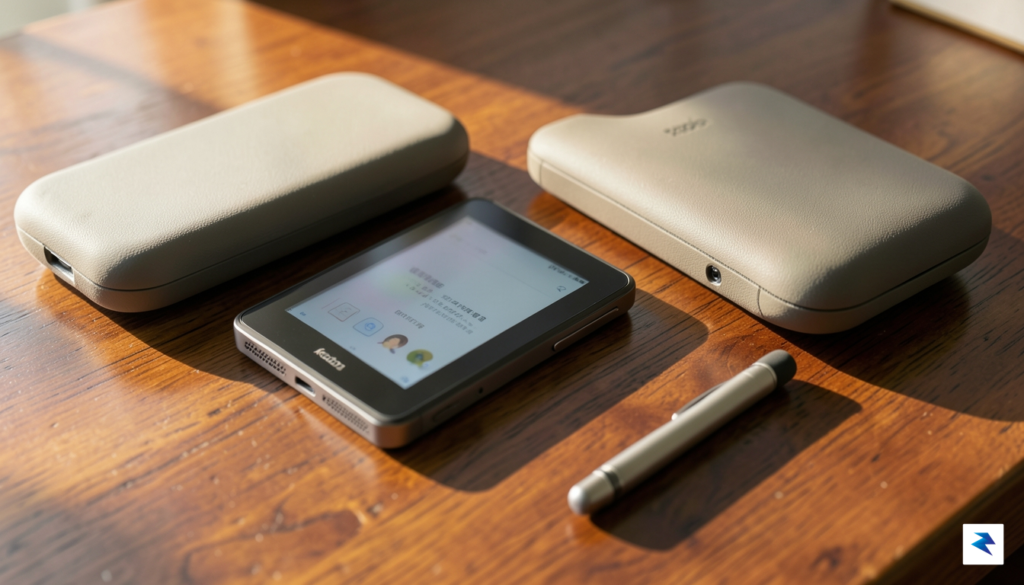
For power users, mastering the art of library management is the single most effective way to elevate your e-reading experience. Rather than relying solely on the integrated store, I highly recommend utilizing Calibre, the gold-standard open-source software for managing e-book collections. With this tool, you can effortlessly organize your metadata, convert various file formats into the Kobo-friendly EPUB standard, and manage your side-loaded content with precision. By taking control of your file structure, you bypass the limitations of a closed ecosystem and ensure that your entire digital library remains portable, accessible, and perfectly formatted for the Libra Colour’s vibrant E Ink display.
Investing in a high-quality protective case is not merely a stylistic choice; it is a fundamental requirement for preserving the delicate screen and internal components of your e-reader for years to come.
Durability is often an afterthought until a screen gets scratched or a chassis takes a tumble, which is why a dedicated case is an essential investment. Because the Kobo Libra Colour features an ergonomic, asymmetrical design, look for a case that offers a secure fit while still allowing easy access to the physical page-turn buttons. A well-designed sleep-cover will also protect the screen from accidental pressure while the device is tucked away in your bag, effectively extending the lifespan of your investment. By combining proactive library management with proper physical protection, you transform a simple gadget into a long-term companion that will serve your literary needs for years to come.
You must be logged in to post a comment.