
Fidji Simo Transitions to Advisor Role at OpenAI Amid Health Challenges
The Transition: Fidji Simo’s Strategic Shift at OpenAI The tech industry is witnessing a significant leadership evolution as Fidji Simo, a…
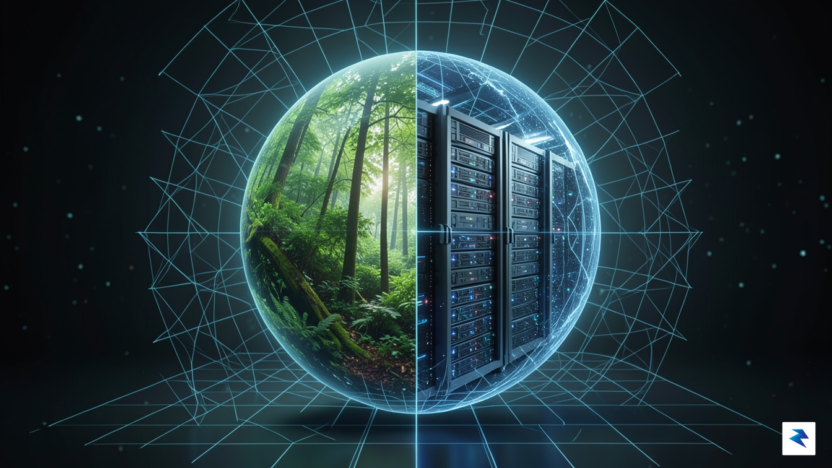
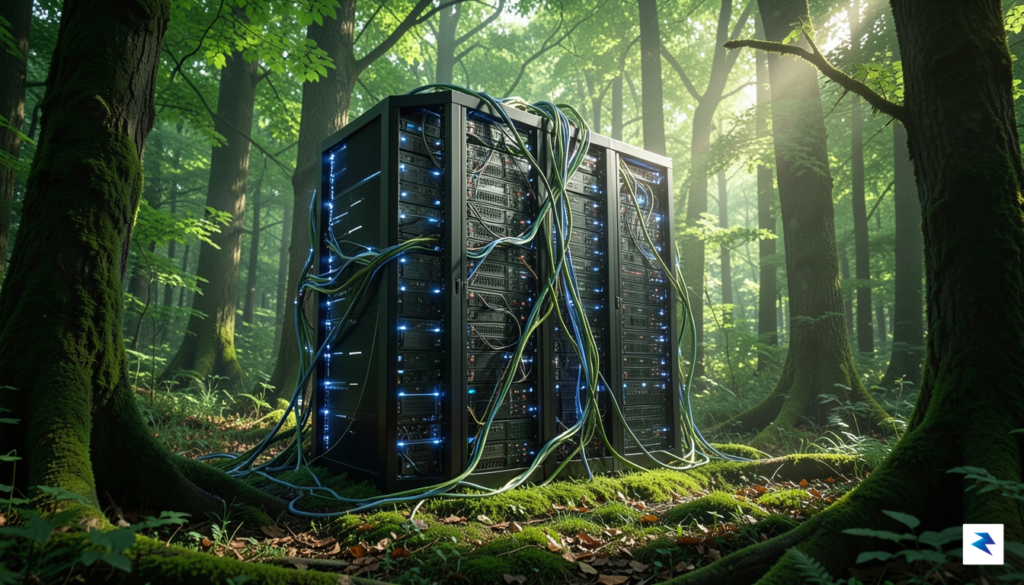
The relentless pursuit of generative artificial intelligence, a technological frontier promising unprecedented innovation, is inadvertently casting a long shadow over corporate environmental commitments. Microsoft, a titan in the tech industry and a leader in AI development, recently unveiled a stark illustration of this tension: its carbon emissions surged by 25 percent last year. This significant increase presents a profound challenge, exposing what can be termed the ‘AI Paradox’ – where the very advancements designed to propel humanity forward are simultaneously intensifying the environmental footprint of the companies creating them. It’s a sobering reality that the race for AI supremacy comes with an increasingly difficult-to-contain environmental cost, forcing a critical reevaluation of how technological progress aligns with planetary well-being.
Microsoft has, for years, positioned itself at the forefront of corporate environmental responsibility, committing to ambitious goals like becoming carbon negative, water positive, and zero waste by 2030. These pledges are not merely aspirational; they represent a deep institutional promise to mitigate the company’s impact on the planet. However, the recent 25 percent jump in emissions, directly linked to the burgeoning computational demands of its AI infrastructure, serves as a critical inflection point. It highlights the immense energy requirements of training and running large language models and other sophisticated AI systems, which necessitate vast data centers that consume enormous amounts of electricity and water for cooling. This surge directly clashes with the company’s stated sustainability trajectory, posing a significant hurdle to its carefully constructed ESG (Environmental, Social, and Governance) goals.
The core of this paradox lies in the sheer scale of energy consumption required to power the AI revolution. Developing and deploying generative AI models isn’t just about writing clever algorithms; it involves massive parallel processing across thousands of GPUs, each drawing substantial power. The training phase for a single state-of-the-art AI model can consume as much energy as several homes do in a year, or even more, before it ever reaches users. Beyond training, the inference phase – where these models answer queries or generate content – still requires substantial, continuous energy expenditure. Consequently, the rapid build-out of data centers to support these operations, coupled with the constant need for cooling to prevent overheating, means that the energy footprint of AI is expanding exponentially, directly contributing to increased carbon emissions.
This situation extends far beyond Microsoft, serving as a powerful bellwether for the entire technology sector. As other companies race to integrate AI into every product and service, they too will face similar, if not greater, environmental pressures. The collective pursuit of AI innovation risks undermining global efforts to combat climate change, unless fundamental shifts occur in how this technology is developed and deployed. It underscores an urgent need for the industry to innovate not just in AI capabilities, but also in sustainable AI infrastructure, energy-efficient algorithms, and a more rapid transition to entirely renewable energy sources for data center operations. Without such concerted efforts, the environmental toll of the AI boom could overshadow its transformative benefits, presenting a dilemma that requires immediate and strategic attention from tech leaders and policymakers alike.


To understand the staggering 34 million metric tons of carbon emissions Microsoft reported, we must first look at the distinction between different categories of environmental impact. While Scope 1 and 2 emissions—which cover direct operations and purchased electricity—are typically under a company’s immediate control, the vast majority of Microsoft’s footprint, roughly 96 percent, falls into Scope 3. This category encompasses the indirect emissions generated throughout the company’s massive value chain, including the production of hardware, the construction of physical infrastructure, and the life cycle of the devices they sell.
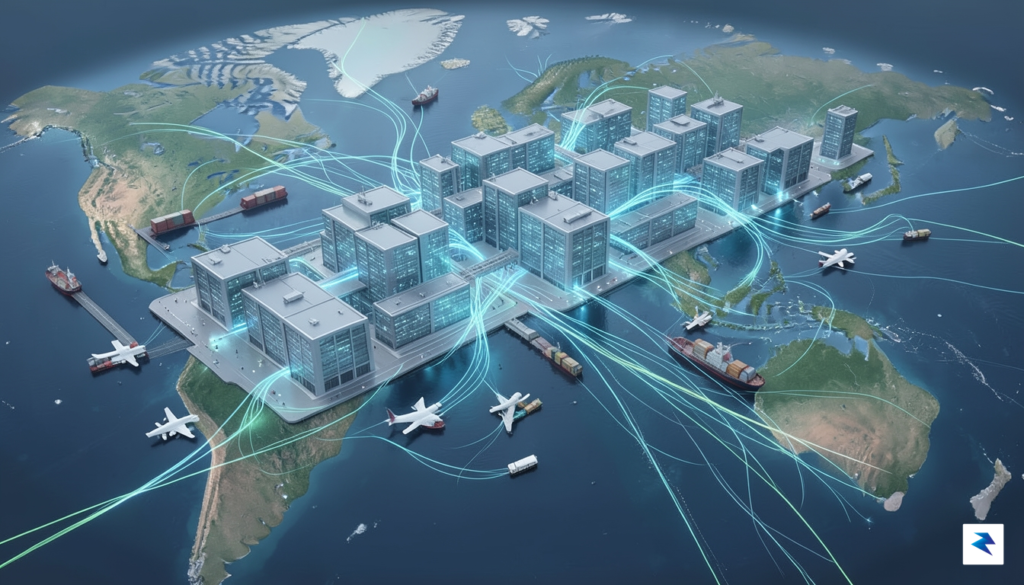
The primary driver behind this 25 percent spike is the rapid, resource-intensive expansion required to support the artificial intelligence boom. Building new, massive data centers is an incredibly carbon-heavy endeavor. The sheer volume of steel, concrete, and specialized glass required for these facilities introduces a significant “embodied carbon” footprint before a single server is even plugged in. Because Microsoft is currently in a hyper-growth phase to meet the global demand for AI compute, the emissions associated with this physical expansion have ballooned, placing immediate strain on the company’s long-term sustainability roadmap.
The integration of generative AI is not just a software shift; it is a fundamental reconfiguration of global infrastructure that demands unprecedented levels of material and energy resources.
Beyond construction, the operational reality of AI hardware adds another layer of complexity. Modern AI models require thousands of specialized graphics processing units (GPUs) that are significantly more power-hungry than traditional server chips. These components also require complex manufacturing processes involving rare-earth minerals and advanced semiconductors, all of which contribute heavily to Scope 3 emissions. When you aggregate the energy consumed by these chips during their operational life with the carbon debt incurred during their manufacturing and distribution, the total environmental cost becomes clear. Effectively managing this surge will require Microsoft to not only prioritize renewable energy but also to innovate within its supply chain, demanding more sustainable manufacturing practices from its hardware partners and finding ways to extend the lifespan of its existing computing equipment.
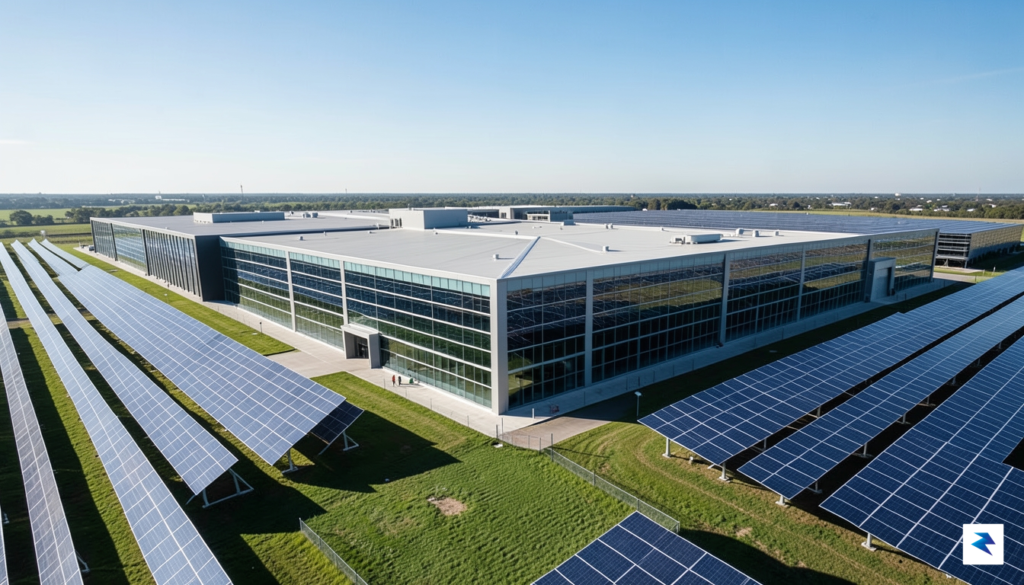
The “cloud” is often framed as an ethereal, weightless space, but the reality of the AI revolution is tethered to the ground by an immense industrial footprint. To sustain the massive computational appetite of Large Language Models (LLMs), Microsoft and its peers are engaged in a frenetic construction race. This expansion demands staggering amounts of raw materials, specifically steel and concrete, which are among the most carbon-intensive substances to produce. Every new data center represents a significant infusion of “embodied carbon”—the emissions generated not by the electricity running the servers, but by the extraction, manufacturing, and transport of the very buildings that house them. These physical shells are not merely passive structures; they are specialized, high-energy facilities designed to operate at a scale that challenges local power grids and regional climate goals.
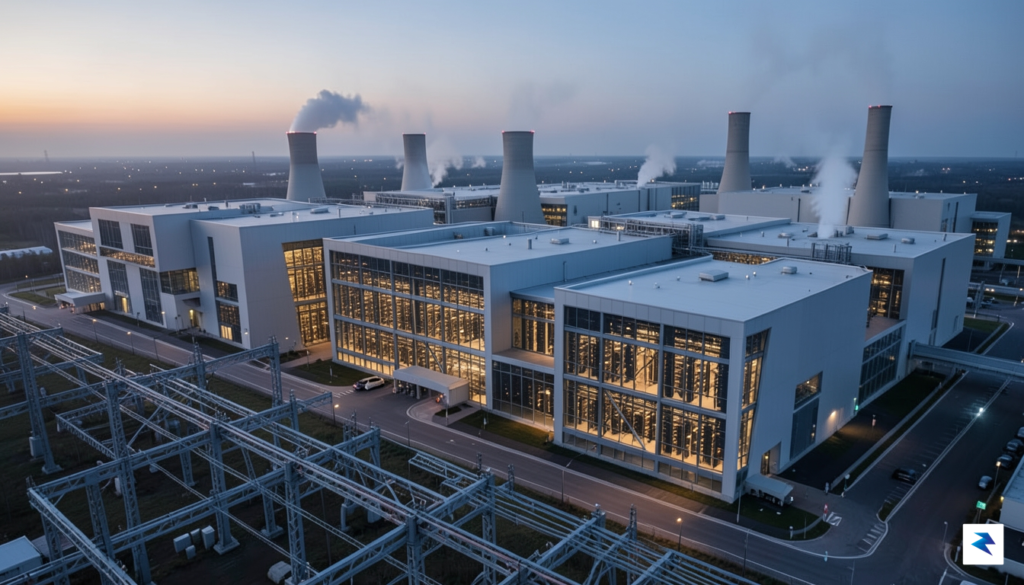
Beyond the shell of the building, the hardware lifecycle poses a separate, critical environmental challenge. The specialized graphics processing units (GPUs) required to train and run AI models are incredibly complex devices, requiring rare earth metals and precision manufacturing processes that are notoriously energy-intensive. Furthermore, the relentless pace of innovation creates a rapid obsolescence cycle. As AI capabilities evolve, older hardware is frequently replaced to make room for more powerful, efficient chips. This cycle of “refreshing” infrastructure generates a mountain of electronic waste and triggers a continuous demand for new hardware production, effectively locking companies into a cycle of high embodied emissions that persist long before a single query is ever processed by the hardware.
The true price of the AI boom is found in the physical reality of its infrastructure, where the carbon cost of construction and hardware production often rivals the impact of operational energy consumption.
Finally, the cooling requirements for these high-density AI clusters have pushed the industry into new territory. Unlike traditional data centers that handle standard web traffic, AI-optimized facilities generate intense localized heat, necessitating sophisticated and power-hungry liquid cooling systems. Maintaining these environments requires not only vast quantities of electricity to power the chillers but also significant water consumption for evaporation-based cooling systems. When we consider the energy-intensive nature of training a state-of-the-art model—which can involve thousands of processors running at full capacity for months—it becomes clear that the infrastructure burden is a multifaceted problem. Every step in this supply chain, from the forging of steel beams to the cooling of a server rack, contributes to the widening gap between corporate sustainability pledges and the physical realities of the generative AI era.

Microsoft is not standing idly by as these figures climb; instead, the organization is actively retooling its operational philosophy to decouple hyper-growth from its environmental footprint. At the heart of this strategy is a rigorous transition toward 24/7 carbon-free energy (CFE). Unlike traditional renewable energy credits that merely offset annual usage, the 24/7 approach requires that every hour of energy consumed by data centers is matched by local, carbon-free generation. This shift represents a fundamental redesign of how the company manages its infrastructure, moving away from simplistic accounting toward a more granular, time-synced model of energy consumption that mirrors the actual realities of the power grid.
Beyond the grid, Microsoft is funneling significant capital into the nascent, yet vital, sector of carbon removal technology. Recognizing that some emissions—particularly those embedded in the production of steel, concrete, and high-performance server components—are currently unavoidable, the company is betting on direct air capture and mineralization projects. By acting as a primary buyer and investor in these high-cost, high-potential solutions, Microsoft aims to stimulate a market that is essential for reaching net-negative status. It is a calculated gamble that the technological maturity of carbon capture will eventually catch up to the relentless demands of the company’s AI-driven growth trajectory.
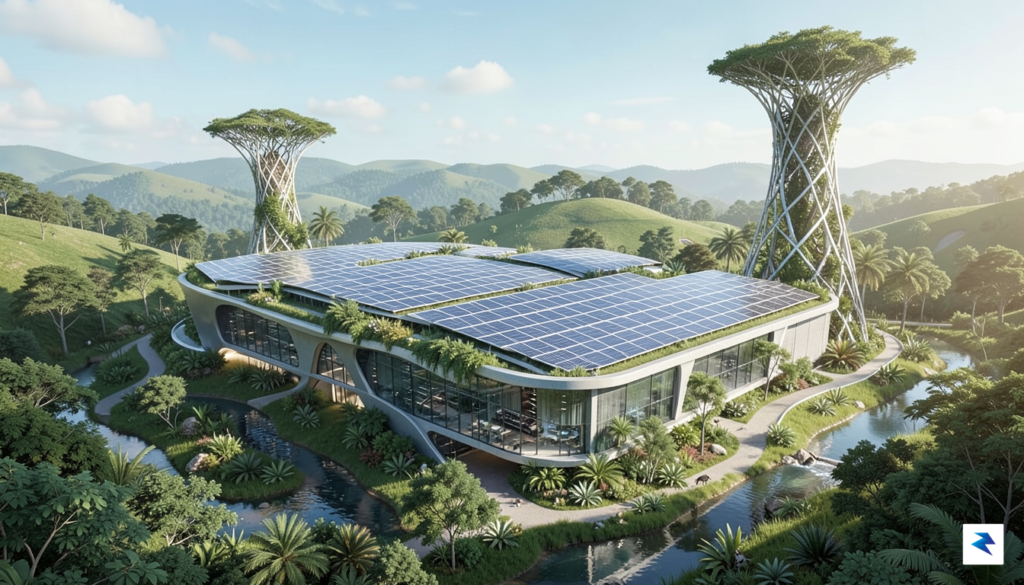
Microsoft’s path forward relies on the difficult task of aligning the insatiable computational requirements of generative AI with the inflexible physics of a decarbonizing power grid.
Perhaps the most challenging aspect of this realignment is the company’s attempt to exert influence over its massive, fragmented supply chain. Microsoft has begun embedding stringent sustainability mandates directly into its procurement processes, effectively forcing vendors to account for their own carbon contributions. This strategy extends the company’s reach far beyond its own walls, compelling partners to report emissions data and adopt renewable energy targets as a prerequisite for doing business. While this creates a rigorous standard for accountability, it also presents a steep learning curve for suppliers who may not have the resources or the infrastructure to pivot as rapidly as Microsoft demands.
Ultimately, these interventions highlight a growing realization that software-based environmental targets are no longer sufficient when dealing with the physical realities of the AI revolution. Whether this comprehensive approach—combining 24/7 energy matching, aggressive carbon removal investments, and supply-chain pressure—will be enough to reverse the current upward trend remains an open question. The road to net-zero is not just about efficiency; it is about a total transformation of the company’s structural relationship with the physical environment, a journey that is arguably only in its early, experimental stages.

Microsoft’s recent disclosure of a 29% surge in carbon emissions—largely attributed to the massive infrastructure requirements of generative AI—serves as a sobering reality check for the entire technology sector. This transparency, while uncomfortable for shareholders and climate advocates alike, sets a necessary precedent for Big Tech. By publicly acknowledging that their sustainability goals are currently clashing with their aggressive pursuit of AI dominance, Microsoft has pulled back the curtain on a systemic tension that most other industry giants are only beginning to grapple with. It forces a broader conversation about whether the current pace of innovation is fundamentally incompatible with the decarbonization targets established during the corporate “green rush” of the late 2010s.

The core of this struggle lies in the sheer, unprecedented energy appetite of modern data centers. AI models are not just software; they are physical entities that require constant cooling, vast electricity grids, and the manufacturing of thousands of specialized semiconductors. While the industry frequently touts AI as a potential savior for the planet—citing its ability to optimize power grids, accelerate climate modeling, and discover new materials for batteries—these long-term promises are increasingly overshadowed by the immediate, tangible increase in carbon output. The industry now faces a paradox: it must consume staggering amounts of energy today to build the tools that might theoretically solve the energy crises of tomorrow.
The path to net-zero is not a linear progression, but a complex navigation of trade-offs where technological progress and ecological responsibility are currently pulling in opposite directions.
Moving forward, the tech sector must transition from viewing sustainability as a public relations metric to treating it as a foundational engineering constraint. If the goal is to achieve true carbon neutrality, companies cannot simply rely on the purchase of carbon offsets or renewable energy credits to paper over the cracks in their operations. Instead, the industry needs to rethink its approach to hardware efficiency, liquid cooling solutions, and the geographical placement of data centers to leverage cleaner local grids. The challenge is no longer just about optimizing code; it is about reconciling the insatiable demand for computation with the finite reality of our planetary resources. Ultimately, the question for Big Tech is whether they can redefine “growth” in a way that respects the biological limits of the environment, or if the AI era will permanently decouple technological advancement from ecological stewardship.
You must be logged in to post a comment.