
Top 10 Fun Discord Bots
Are you looking to spice up your Discord server with some fun and engaging bots? Do you want to create an environment that keeps your members…
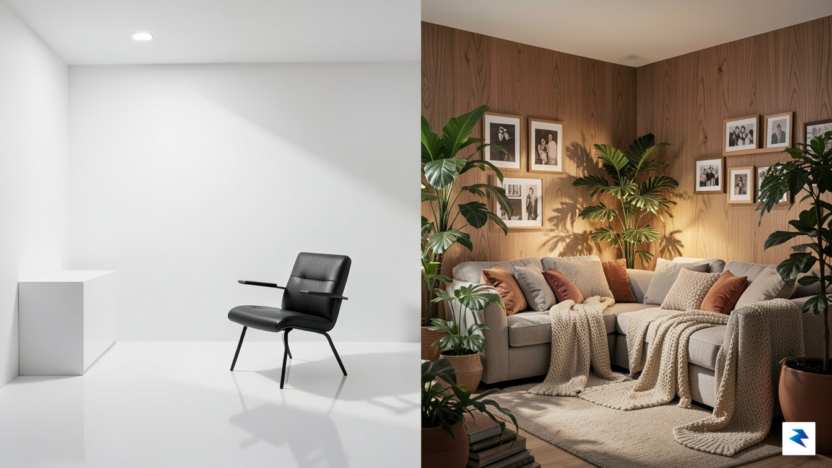
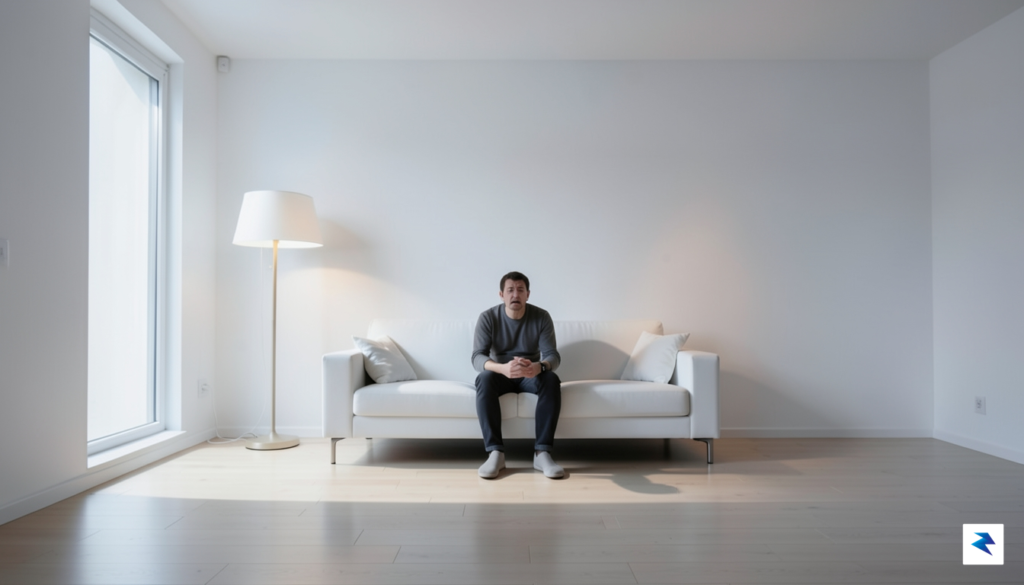
For years, modern minimalism has reigned supreme in interior design, capturing the imagination of homeowners with its promise of clean lines, uncluttered spaces, and a pervasive sense of order. Characterized by stark simplicity, neutral color palettes, an emphasis on functionality, and a rigorous decluttering ethos, this aesthetic became synonymous with sophistication and a tranquil, stress-free environment. Many embraced it as a way to simplify their lives, believing that less visual noise would lead to greater mental clarity and calm within their personal sanctuaries.
However, an emerging perspective suggests that this extreme absence of sensory variation, while seemingly beneficial, might actually be contributing to a subtle form of cognitive strain and emotional numbness. Our brains are inherently wired to process and respond to a diverse range of stimuli; they thrive on novelty and variation. When our living environments become too uniform, too devoid of visual interest, textural depth, or personal artifacts, they can inadvertently lead to a state akin to ‘sensory deprivation’ at a subconscious level, leaving the mind feeling under-engaged and restless.
This isn’t to imply that a minimalist home is comparable to an isolation chamber, but rather that the lack of gentle, continuous stimulation can leave the brain constantly searching for something to process. This persistent search, coupled with the absence of meaningful input, can manifest as boredom. Paradoxically, chronic boredom is a known stressor, capable of triggering subtle stress responses, contributing to mental fatigue, and even fostering a detached, almost numb emotional state. The very spaces designed to alleviate stress may, in their extreme form, be inadvertently creating a different kind of psychological burden.
In stark contrast, traditional design philosophies have historically prioritized comfort, character, and a richness of detail. These homes often feature layered textures, warm and varied color palettes, intricate patterns, and the visible display of personal objects, art, and heirlooms. Far from being mere clutter, these elements provide a constant, low-level stream of varied information, offering the eyes and mind gentle points of focus and engagement without overwhelming them. Such environments feel lived-in, layered with history and personality.
These more traditional spaces, with their inherent visual and tactile diversity, offer a form of continuous, gentle stimulation that satisfies the brain’s natural desire for novelty and exploration. The presence of varied elements ensures that the mind isn’t constantly searching for input, allowing for a more relaxed, naturally stimulated, and psychologically comforting state. Consequently, while the allure of a pristine, uncluttered space is undeniable, it’s increasingly pertinent to consider whether the pursuit of extreme minimalism might be inadvertently stripping our homes of the very elements our brains need to truly thrive, potentially contributing to an unrecognized cognitive strain.
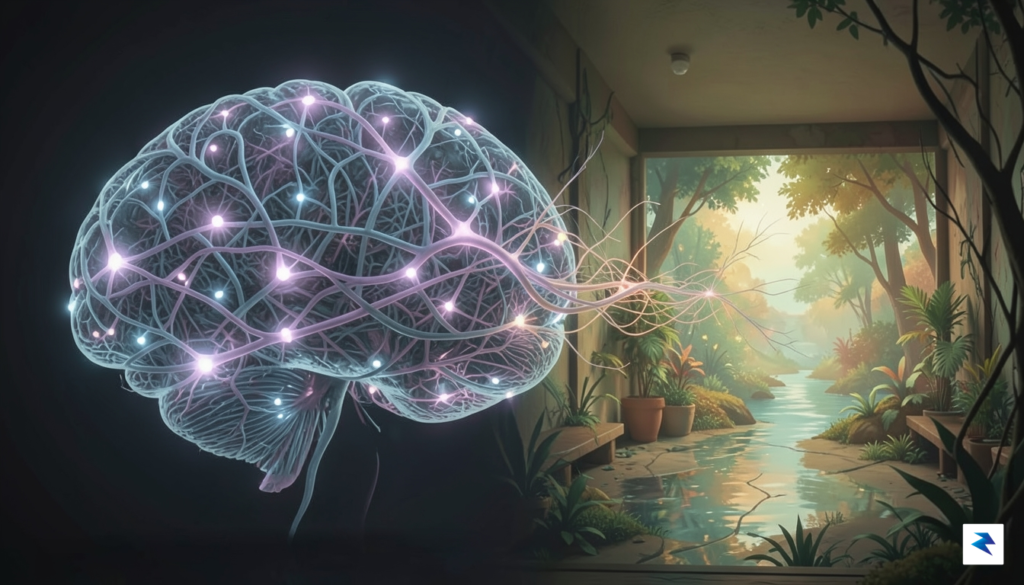
To understand why a stark, minimalist room might feel draining rather than peaceful, we must look at the evolutionary history of the human visual system. For hundreds of thousands of years, our ancestors’ brains were honed in environments defined by organic complexity—the irregular branches of trees, the shifting ripples of water, and the intricate textures of rock faces. These natural settings are characterized by fractals, which are repeating, self-similar patterns that exist at every scale. Neurobiological research suggests that the human brain has evolved an innate preference for these fractal geometries because they are computationally efficient to process, allowing the visual cortex to interpret environmental data without excessive strain.
In contrast, the modern obsession with stark, monochromatic, and hyper-geometric architecture presents the brain with a fundamentally alien set of stimuli. When we inhabit spaces defined by long, uninterrupted straight lines and smooth, featureless surfaces, we force our visual systems to contend with an unnatural monotony. Because these environments lack the rhythmic complexity of nature, the brain must work harder to find points of focus, often leading to a state of heightened alertness or subtle, persistent agitation. This is not simply a matter of personal preference; it is a biological reaction to an environment that lacks the visual “cues” our neural pathways have been programmed to expect.
The human brain processes natural fractals with a high degree of fluency, but it often interprets the harsh, sterile edges of contemporary design as visual “noise” that requires constant, taxing recalibration.
This phenomenon is deeply tied to the concept of cognitive load. Every environment we enter imposes a certain degree of demand on our mental resources, and modern interior design often inadvertently increases this burden. While minimalism aims to reduce clutter, it simultaneously strips away the visual richness that helps ground our attention. Without these complex textures, the brain may experience a form of sensory deprivation that triggers a compensatory mechanism; we begin to hyper-fixate on minor imperfections, or we feel a lingering, subconscious sense of restlessness. Essentially, by removing the environmental variety that nature provides, we are inadvertently creating a high-stress cognitive environment that our brains struggle to inhabit comfortably.
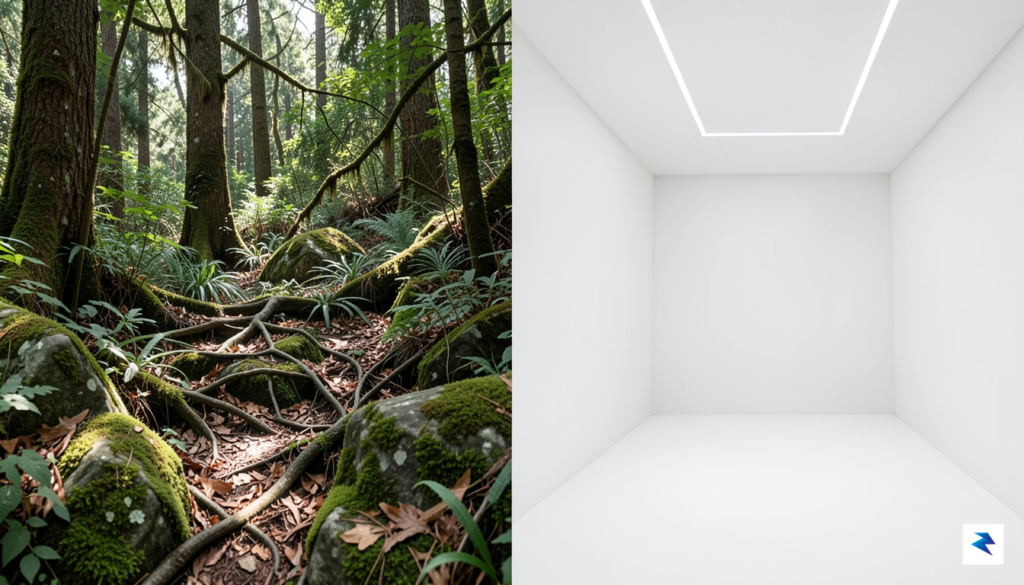
Ultimately, the disconnect between our biological needs and our curated living spaces explains why many people feel fatigued after spending time in “perfect” contemporary homes. When we surround ourselves with sterile geometry, we are forcing our brains to operate outside of their evolutionary comfort zone. By reintroducing organic patterns—whether through natural materials, tactile textures, or complex, non-repeating designs—we can lower this cognitive load and create spaces that truly support our psychological well-being. Recognizing that our brains crave environmental variety is the first step toward designing homes that are not just aesthetically pleasing, but fundamentally supportive of our neurological health.
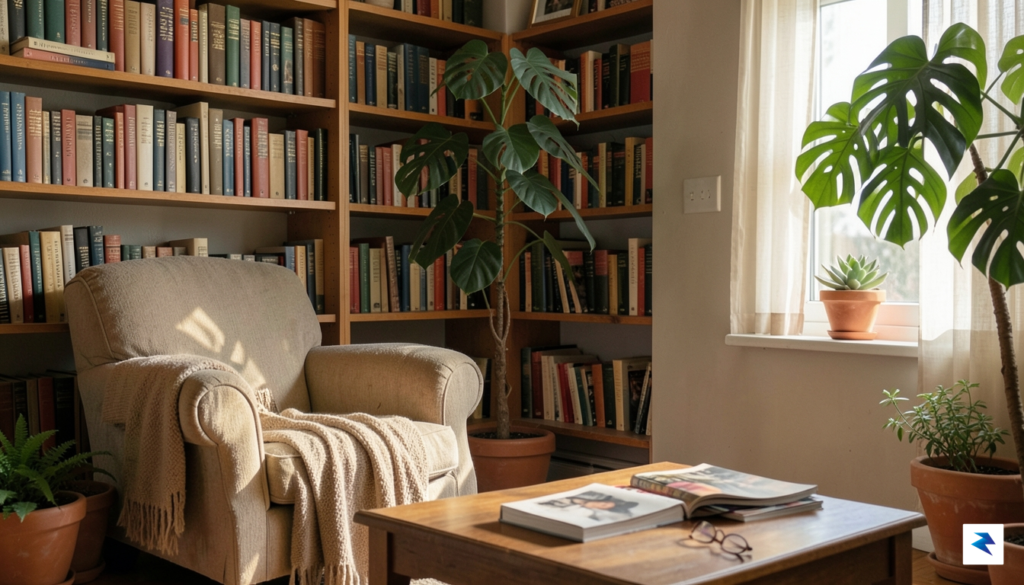
For decades, we have been conditioned to view our living spaces as mere canvases for aesthetic expression, yet this perspective overlooks a fundamental biological truth: our environments are active participants in our psychological landscape. According to the Restorative Environments Theory (RET), human beings possess an innate capacity to recover from mental fatigue when placed in specific types of settings. While nature is the gold standard for restoration, our modern, indoor-centric lifestyles demand that our homes take on this crucial role. When a living space is designed solely for visual impact rather than psychological replenishment, we lose that vital sanctuary, forcing our brains to remain in a state of high-alert processing rather than restorative recovery.
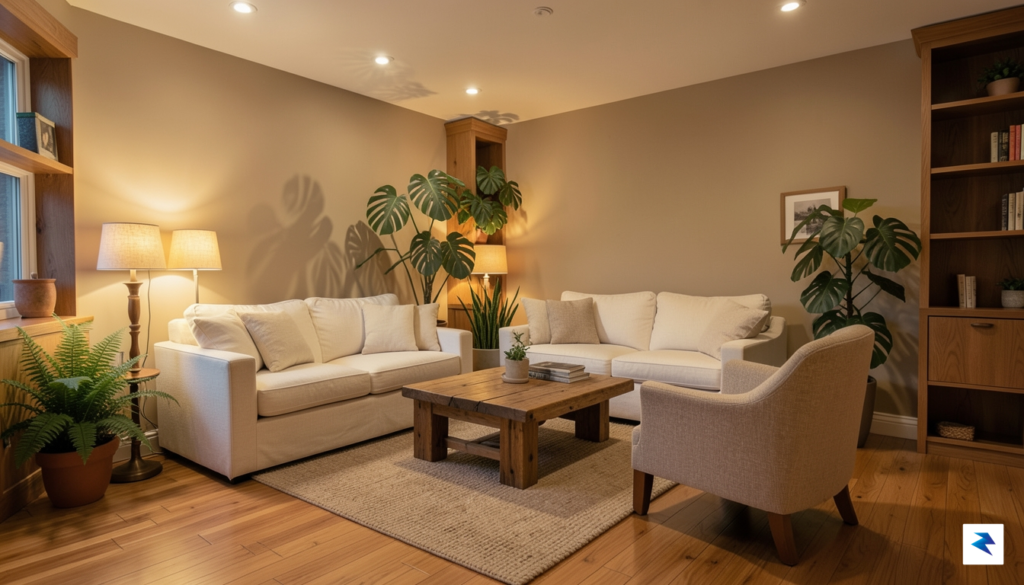
The current obsession with stark, monochromatic palettes—often characterized by aggressive greys, sharp whites, and sterile surfaces—may be inadvertently undermining our emotional regulation. While these “modern” tones appear sophisticated in curated photographs, they often lack the sensory complexity required to keep our nervous systems balanced. Human cognition has evolved to interpret soft, organic color palettes and varied textures as signals of safety and abundance. When we strip our environments of these cues in favor of cold, uniform minimalism, we create a sensory void that can lead to increased cortisol levels and a subtle, persistent sense of restlessness that is difficult to pinpoint.
True habitability is not measured by the absence of clutter, but by the presence of psychological resonance. When a home prioritizes the “Instagrammable” look over human-centric design, it creates a subtle friction that drains our mental reserves over time.
This tension between aesthetic perfection and genuine habitability reveals a significant disconnect in modern interior design. We have begun to prioritize spaces that look impressive in digital feeds over spaces that actually facilitate deep work, restorative rest, or meaningful social interaction. A room designed for a photograph often demands constant maintenance and rigid adherence to a visual theme, which places an invisible cognitive burden on the occupant. By reclaiming our homes as tools for mental clarity rather than permanent showrooms, we can transition from a state of performance-based living to one of genuine psychological restoration, ultimately fostering a environment that supports, rather than strains, our long-term mental health.
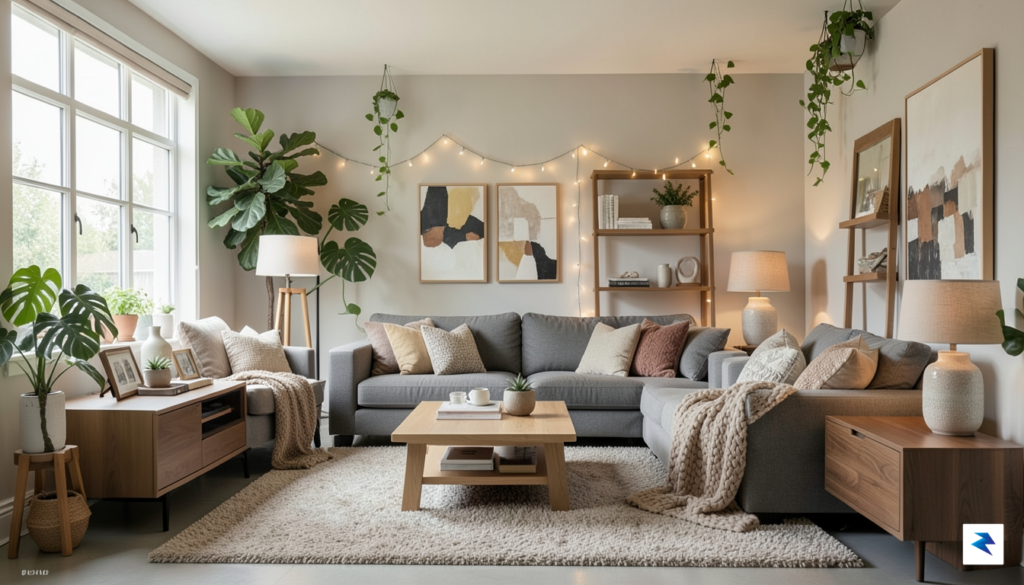
Creating a home that feels both contemporary and profoundly restorative doesn’t necessitate a complete overhaul or an abandonment of modern aesthetics. Instead, it involves a thoughtful and intentional layering of elements designed to soothe the senses and invite the brain to relax. The stark, almost clinical minimalism that once dominated design trends is gracefully evolving into approaches like ‘Warm Minimalism’ and ‘Biophilic Design,’ which prioritize comfort and connection to the natural world without sacrificing clean lines or sophisticated simplicity. This shift acknowledges that while sleek designs can be visually appealing, our brains crave textures, organic forms, and subtle stimulation to truly unwind.
Warm Minimalism, for instance, embraces the uncluttered principles of modern design but infuses them with rich textures, earthy color palettes, and natural materials. It’s about creating spaces that feel inviting and lived-in, rather than sterile and untouchable. Complementing this is Biophilic Design, which integrates natural elements—think plants, natural light, and organic patterns—directly into our indoor environments. This approach is rooted in the understanding that humans have an innate need to connect with nature, and by bringing these elements indoors, we can significantly reduce stress, improve cognitive function, and enhance overall well-being. These design philosophies work in tandem to create environments that are not just beautiful, but also deeply nurturing.
One of the most effective strategies for integrating comfort into modern spaces is through the strategic addition of tactile variety. Imagine a living room with a sleek sofa: while visually appealing, its smooth surface might not offer the sensory comfort our brains crave. Introducing a plush, wool rug underfoot immediately adds softness and warmth, grounding the space. Similarly, layering throw pillows in different fabrics—a chunky knit, a soft linen, a velvet—can transform a rigid seating arrangement into an inviting haven. Don’t shy away from natural materials like unfinished wood, woven baskets, ceramic pottery, or even a soft cotton throw draped over an armchair; these elements introduce organic textures that are inherently calming and provide a pleasant counterpoint to harder, more streamlined surfaces.
Beyond texture, the thoughtful application of color and personal elements plays a crucial role in crafting a restorative atmosphere. While a neutral palette forms the backbone of modern design, incorporating muted, earthy tones or soft, desaturated colors can add depth and tranquility. Consider shades of sage green, warm terracotta, dusty blue, or a creamy off-white to evoke a sense of calm. Furthermore, allowing space for personal expression—a curated collection of books, meaningful artwork, unique artisanal pieces, or framed family photos—infuses a room with character and a sense of belonging. These personal touches tell a story, making a space feel authentically yours and providing visual cues that resonate on a deeper, emotional level.
Finally, the power of soft, layered lighting cannot be overstated in transforming a potentially sterile modern space into a sanctuary. Harsh overhead lighting can be jarring and contribute to visual fatigue, making a room feel less welcoming. Instead, focus on creating multiple sources of light at varying heights and intensities. Incorporate warm-toned LED bulbs, dimmer switches, and a mix of ambient, task, and accent lighting. Think about adding floor lamps with fabric shades, table lamps that cast a gentle glow, and even strategically placed wall sconces or candles. This approach creates pockets of light and shadow, adding depth, warmth, and a sense of intimacy that encourages relaxation and allows the brain to transition from alertness to a more peaceful state. By consciously integrating these elements, you can craft a modern home that not only looks stunning but also actively supports your mental and emotional well-being.
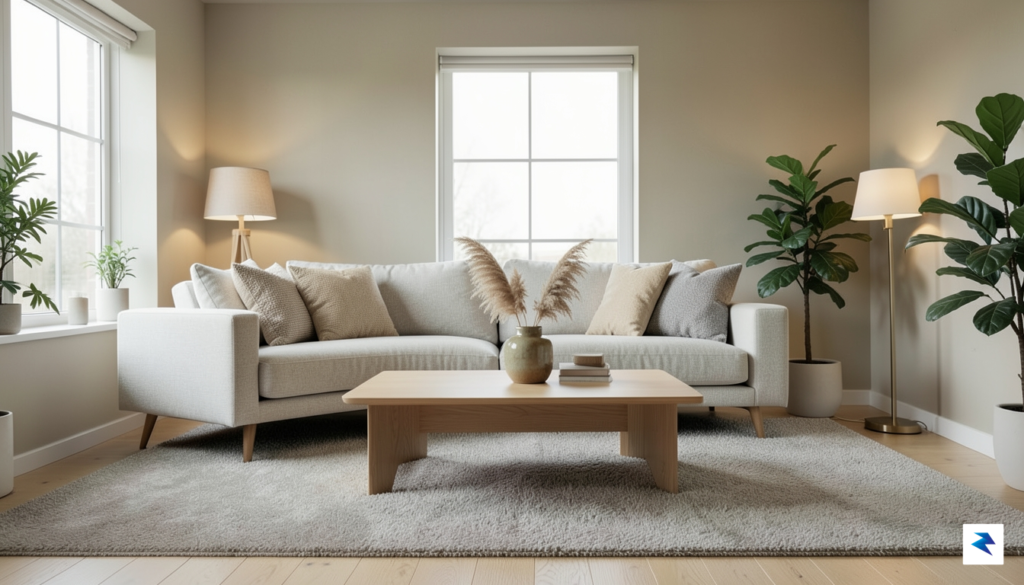
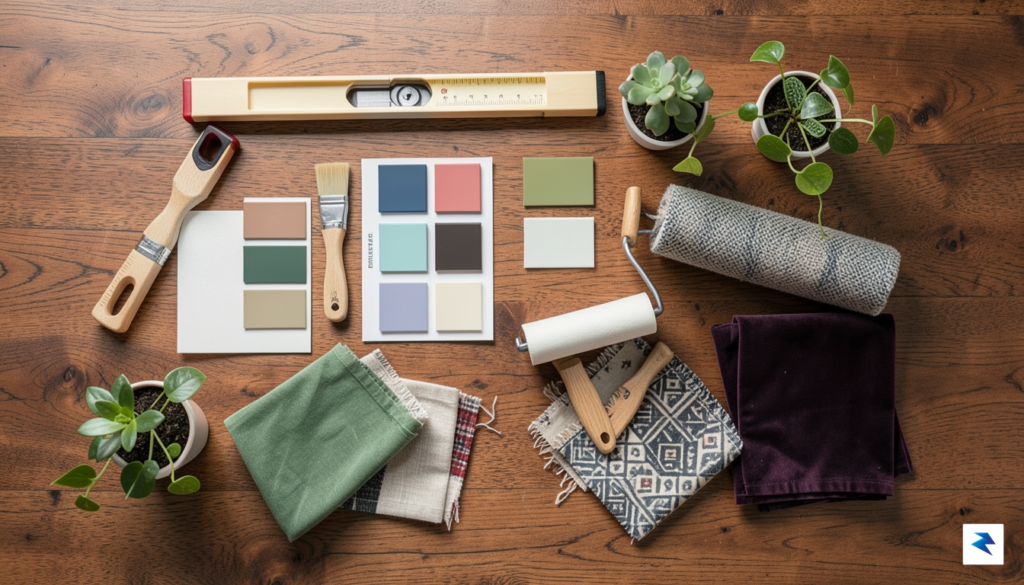
Transforming your living space into a genuine sanctuary requires shifting your perspective from viewing the home as a showroom to treating it as an extension of your own cognitive well-being. Rather than aiming for a rigid, catalog-ready aesthetic, consider your environment as a living ecosystem that should evolve alongside your personal needs. By prioritizing sensory comfort and emotional resonance, you can mitigate the subconscious stress caused by sterile, overly minimalist spaces and create an atmosphere that actively supports your mental clarity.
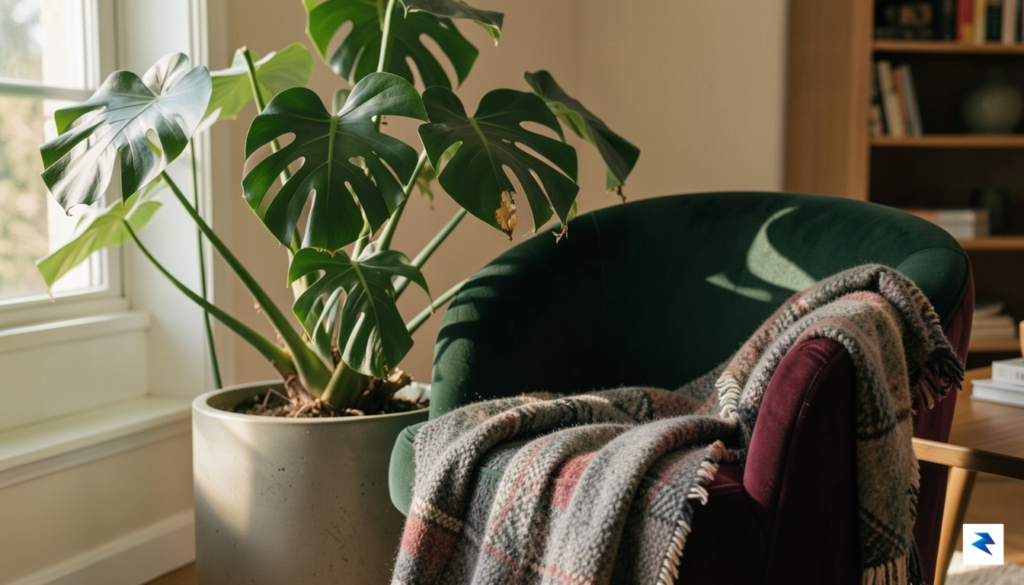
To begin reclaiming your home, consider these five actionable strategies designed to ground your brain and soothe the nervous system:
Ultimately, the goal of mindful interior design is to find the equilibrium between contemporary trends and your own psychological requirements.
Your home should not be a static monument to a design magazine, but a dynamic environment that honors your need for rest and cognitive restoration. By curating your space with intention rather than just following the latest aesthetic mandates, you ensure that your home remains a place of refuge. When you prioritize how a room feels over how it photographs, you are no longer just decorating; you are actively investing in your long-term mental health and daily quality of life.
You must be logged in to post a comment.