Why OpenAI Killed Its AI Browser: The End of ChatGPT Atlas
The Rise and Fall of ChatGPT Atlas When OpenAI first introduced the concept of "Atlas" in October, the tech industry buzzed with the…
For over a decade, the streaming revolution was defined by the promise of total control. We traded the rigid schedules of cable for the freedom of on-demand libraries, savoring the ability to watch anything, anywhere, at any time. However, this era of endless choice has unintentionally birthed a modern form of paralysis. Users frequently find themselves caught in the “paradox of choice,” spending more time scrolling through endless rows of thumbnails than actually watching content. This decision fatigue has transformed the once-celebrated browsing experience into a tedious chore, leaving viewers longing for the simplicity of a pre-programmed broadcast.
The industry is now recognizing that the infinite catalog—while impressive on paper—can actually hinder user satisfaction. When a platform offers thousands of titles, the lack of a starting point creates a cognitive load that discourages engagement. By moving toward linear, always-on channels, streamers are essentially recreating the “lean-back” experience that defined the golden age of television. These curated streams remove the burden of decision-making by serving up a pre-selected sequence of shows or movies, effectively mimicking the comfort of flipping through channels on a Sunday afternoon. It is a return to a passive consumption model that, ironically, often leads to higher viewer retention because it eliminates the friction of having to decide what to watch next.
This pivot is part of a broader strategic shift across the entire digital entertainment landscape. Major platforms are increasingly adopting elements of traditional cable, such as scheduled programming blocks and genre-specific hubs, to keep subscribers tethered to their apps for longer periods. By injecting structure into the chaotic nature of on-demand libraries, these services are not only reducing churn but also helping to surface older or overlooked content that might otherwise be buried in deep-menu navigation. Ultimately, the industry has realized that while we all love the idea of total control, we often prefer the ease of being guided by an expert curator.
The transition toward linear streaming represents a fundamental shift in how we value our leisure time: we are moving away from the hunt for specific content and toward the comfort of a reliable, constant stream of entertainment.
By integrating these always-on experiences, platforms can effectively bridge the gap between the modern digital archive and the nostalgic appeal of traditional broadcast. As streaming matures, the winning strategy appears to be one that balances the deep, searchable library with the effortless, curated flow of linear television. This hybrid model acknowledges that a truly premium viewing experience is one that understands when the user wants to search for a masterpiece, and when they simply want to turn on the television and let the experience unfold for them.
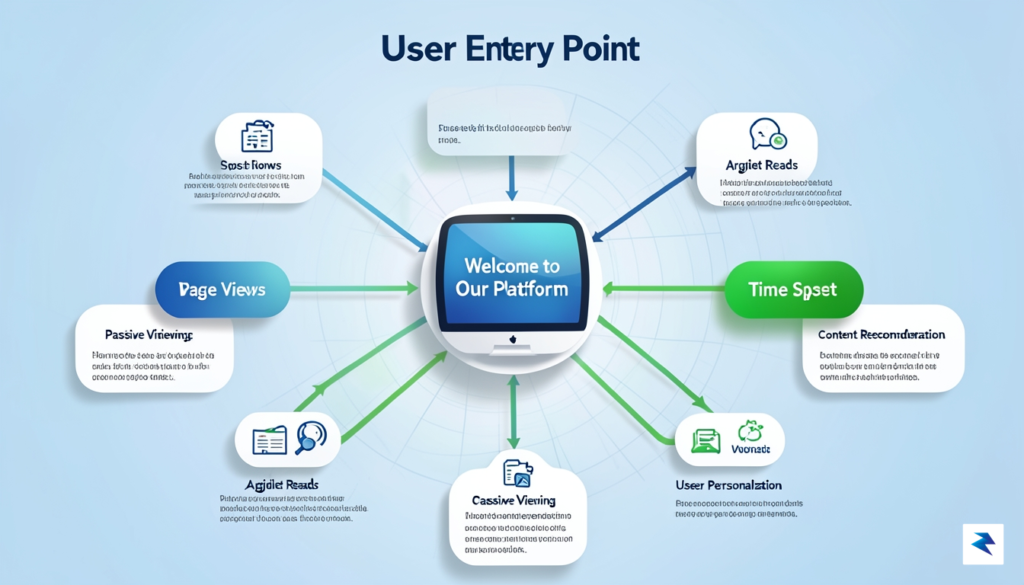
The strategic implications of Netflix reportedly considering always-on channels extend far beyond merely filling perceived content gaps; this move represents a sophisticated play to leverage their massive, often underutilized back catalog and deepen subscriber engagement. Rather than a retreat to traditional linear television, it’s a forward-thinking adaptation designed to enhance the modern streaming experience by tackling some of its inherent challenges. This approach could fundamentally alter how users interact with the platform, fostering longer viewing sessions and driving more efficient content discovery.
Netflix’s unparalleled library, while a major asset, can also be a double-edged sword, leading to what’s often termed “the paradox of choice.” Subscribers might spend significant time browsing, overwhelmed by options, only to abandon the platform without watching anything. Always-on channels act as a dynamic discovery engine, curating and presenting content to users in a lean-back, effortless manner. Imagine thematic blocks dedicated to classic sitcoms, critically acclaimed foreign films, or a deep dive into an actor’s filmography – content that might otherwise remain buried beneath newer releases. This strategic surfacing not only breathes new life into older, fully amortized productions, maximizing their return on investment, but also exposes subscribers to a broader spectrum of Netflix’s offerings they might never have actively searched for, enriching their overall viewing experience.
The constant hunt for “what to watch next” is a significant friction point in the streaming experience, directly impacting subscriber satisfaction and retention. By offering curated, continuously playing channels, Netflix effectively reduces decision fatigue. Users can simply tune in, much like they would a traditional television station, and immediately engage with content without the mental overhead of selection. This passive viewing option can significantly increase session lengths, as viewers might stay on a channel for extended periods, even if they’re not actively following a specific show. Furthermore, it cultivates a habitual engagement, where tuning into a favorite thematic channel becomes a default activity, embedding Netflix more deeply into daily routines and strengthening its position as an indispensable entertainment hub.
Perhaps one of the most compelling strategic benefits lies in the data-driven potential for monetization and refined content strategy. Netflix possesses an immense trove of user data, understanding viewing habits, genre preferences, and even peak viewing times. This data can be meticulously applied to program these always-on channels, creating highly personalized or broadly popular thematic blocks that resonate deeply with segments of their audience. For instance, if data indicates a surge in interest for 90s nostalgia or true crime documentaries, a dedicated channel can be swiftly curated. This capability not only provides a powerful promotional tool for new releases – by scheduling them within relevant channel blocks – but also opens new avenues for advertising revenue, particularly for the ad-supported tiers. Advertisers could target specific thematic channels, ensuring their messages reach highly engaged and relevant audiences, thereby transforming Netflix’s vast library into a more dynamic and economically robust asset.
At first glance, the introduction of linear, always-on channels might seem like Netflix is simply adopting the playbook used by Free Ad-Supported Streaming Television (FAST) services like Pluto TV, Tubi, or Freevee. However, the fundamental value proposition remains starkly different. While FAST platforms operate on a model of “free” access subsidized entirely by intrusive ad breaks, Netflix remains a premium, subscription-first environment. Even as the company integrates tiered ad-supported plans, the core experience is built around the curation of high-budget originals and a library of intellectual property that users have already paid to access. Unlike FAST services, which often function as digital “junk drawers” for older syndicated content and niche reality shows, Netflix’s potential linear offering is designed to serve as a discovery engine for its own premium catalog.
The distinction in user experience is equally significant. For FAST services, the linear channel is often the primary destination, forcing users to lean back and accept whatever schedule is currently playing. In contrast, Netflix is likely to position these always-on streams as a supplement to its robust on-demand library, rather than a replacement for it. This creates a hybrid model where the platform helps solve the “choice paralysis” that plagues many subscribers. By providing a curated, lean-back experience, Netflix isn’t necessarily lowering its status to match budget streaming services; instead, it is attempting to monetize the psychological comfort of traditional television, where a viewer can simply tune in and let the platform decide what to watch next.
Whether Netflix can maintain its premium brand identity while leaning into a format historically associated with bargain-bin programming is the million-dollar question. For years, Netflix has marketed itself as the antithesis of linear television, championing the “binge-watching” model and total user autonomy. Adopting a linear format might feel like a regression to some, yet it could be the ultimate evolution of the platform’s data-driven approach. By leveraging its deep understanding of individual viewing habits, Netflix can create highly personalized, algorithmically driven linear channels that feel more bespoke than the static, generic blocks found on typical FAST platforms.
The success of this strategy hinges on Netflix’s ability to prove that linear channels are a convenience feature for power users, rather than a concession to lower-cost, ad-heavy alternatives.
Ultimately, the move is less about competing with the existing landscape of free television and more about increasing the time subscribers spend within the Netflix ecosystem. By blurring the lines between curated live-like experiences and on-demand control, Netflix is attempting to capture the casual viewer who just wants to turn on the television without making a decision. If they succeed, they will have effectively reinvented the “appointment viewing” experience for the digital age, proving that even in a world of unlimited choices, there is still immense value in being told what to watch.
In an era defined by endless choice, the paradox of abundance has turned the simple act of starting a movie into a high-stakes cognitive chore. After a grueling day of navigating professional obligations and personal responsibilities, the prospect of scrolling through thousands of thumbnails on a streaming interface can trigger a phenomenon known as decision fatigue. This psychological exhaustion occurs when the brain’s internal resources for making choices are depleted, rendering the task of curating one’s own entertainment feel like an extension of the workday. By removing the burden of selection, a linear, always-on channel effectively liberates the viewer from the paralyzing pressure of the “perfect choice,” allowing them to surrender control to a pre-programmed flow.
This shift toward passive consumption is not a regression in viewing habits, but rather a functional response to the cognitive load of modern life. When the barrier to entry is lowered—where the only requirement is turning on the television to find something already in progress—the barrier to relaxation disappears entirely. There is a profound, meditative comfort in watching content that requires no active input or emotional investment in the outcome. It taps into the nostalgia of traditional cable television, where the lack of agency was actually a feature, not a bug, providing a curated experience that guides the viewer through a familiar, stress-free narrative arc.
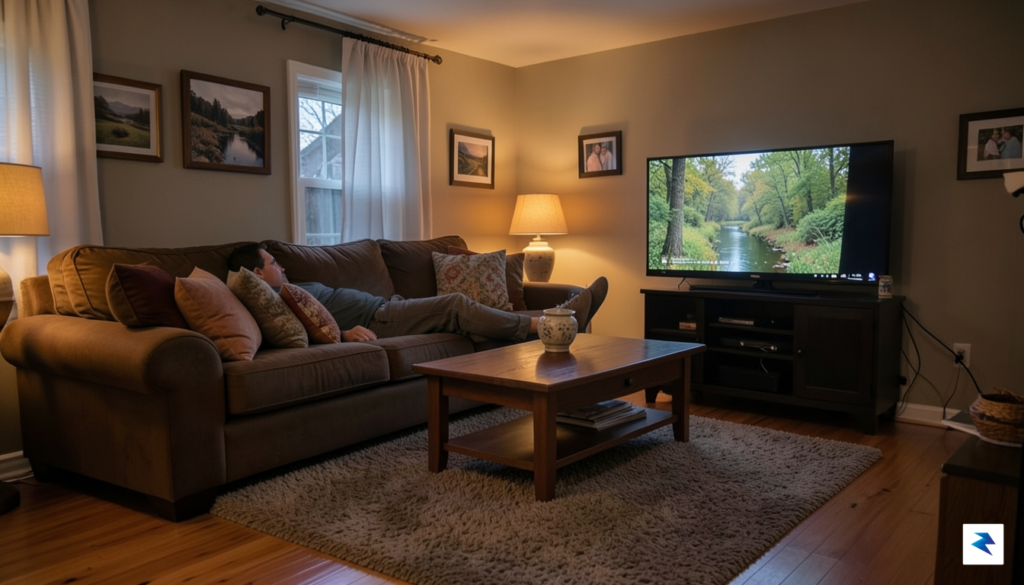
Beyond the simple desire to avoid decision-making, there is a deep-seated human need for the “companion” aspect of television. Many viewers find that a quiet room can feel stifling or overly isolating, and the presence of a steady stream of sound and motion acts as a buffer against loneliness. This background presence satisfies a psychological craving for narrative without demanding intense, active focus; it creates a sense of ambient connection to the outside world. Whether it is a classic sitcom or a rotating block of reality television, the predictable cadence of linear programming provides a sonic backdrop that stabilizes the environment, making the home feel lived-in and animated.
The true appeal of linear-style streaming lies in the shift from ‘curator’ back to ‘guest,’ allowing the viewer to receive entertainment rather than hunt for it.
Ultimately, this evolution in streaming behavior acknowledges that television serves different purposes at different times of the day. While there will always be a place for the high-octane, appointment-viewing experience of a prestige drama, there is an equally valid psychological need for the low-stakes, always-on stream that simply exists to keep us company. By bridging the gap between on-demand control and the ease of linear broadcasting, platforms are finally catching up to the reality that sometimes, the best viewing experience is the one you don’t have to think about at all.
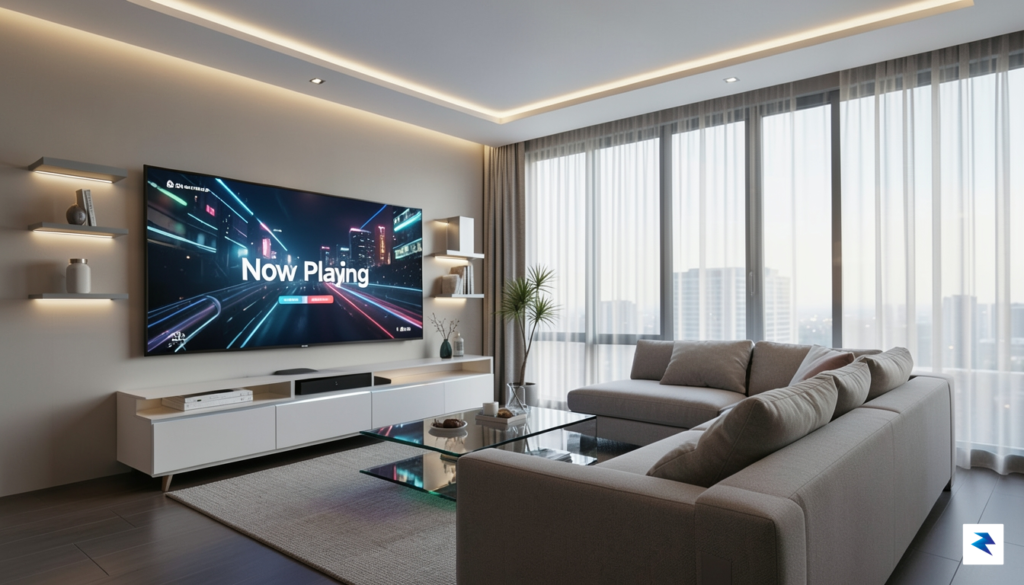
The introduction of linear, always-on channels represents a fundamental shift in how we consume digital entertainment, effectively blurring the lines between traditional broadcast television and the on-demand library model that Netflix pioneered. For years, the streaming giant has built its empire on the concept of the “binge”—a solitary, intentional act of selecting specific episodes or films to consume in one sitting. By weaving in linear programming, Netflix is acknowledging that the “paradox of choice”—the paralyzing feeling of scrolling through thousands of titles without picking anything—has become a significant friction point for modern viewers. This hybrid approach invites a more passive, lean-back experience, where the platform curates a continuous stream of content, effectively reclaiming the communal and comforting nature of appointment viewing without requiring the viewer to hunt for their next fix.
Looking toward the future, this transition will likely be supercharged by advanced artificial intelligence, moving beyond simple genre playlists to create truly personalized linear channels. Imagine a live, always-on feed that dynamically adjusts to your specific viewing history, mood, and time of day, effectively acting as your own private cable network. Rather than just looping popular sitcoms, these AI-driven channels could seamlessly stitch together documentaries, niche indie films, and new episodic content in a way that feels curated rather than algorithmic. This evolution suggests that the future of streaming isn’t just about having access to a library; it is about the platform taking an active role in guiding the user journey, reducing the mental fatigue associated with constant decision-making.
The shift to linear channels is a strategic evolution that transforms the streaming experience from a digital catalog into a living, breathing broadcast environment, keeping the audience engaged even when they aren’t sure what they want to watch.
Ultimately, this strategy is a masterclass in maintaining relevance within an increasingly fragmented and hyper-competitive media landscape. As viewers migrate between dozens of different platforms, Netflix risks becoming just another icon on a home screen rather than the destination of choice. By integrating linear channels, the company is not only increasing the time spent on its platform but also lowering the barrier to entry for casual viewing sessions. This move ensures that Netflix remains the central hub of our digital lives, successfully capturing both the dedicated “binge-watcher” who wants to dive deep into a serialized drama and the passive viewer who simply wants to turn on the TV and disappear into a stream of reliable entertainment.
You must be logged in to post a comment.