Do LLMs Pass the Mirror Test? Understanding AI Self-Awareness
Defining Self-Recognition in Artificial Intelligence To understand whether a machine can possess a "self," we must first detach our definition…
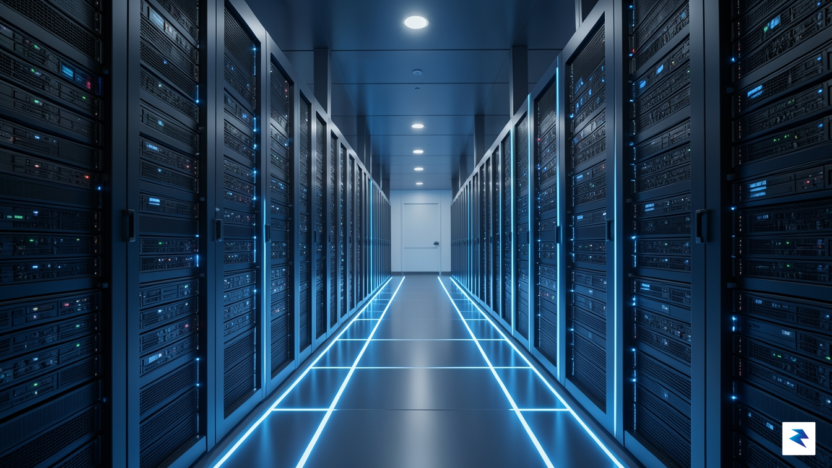
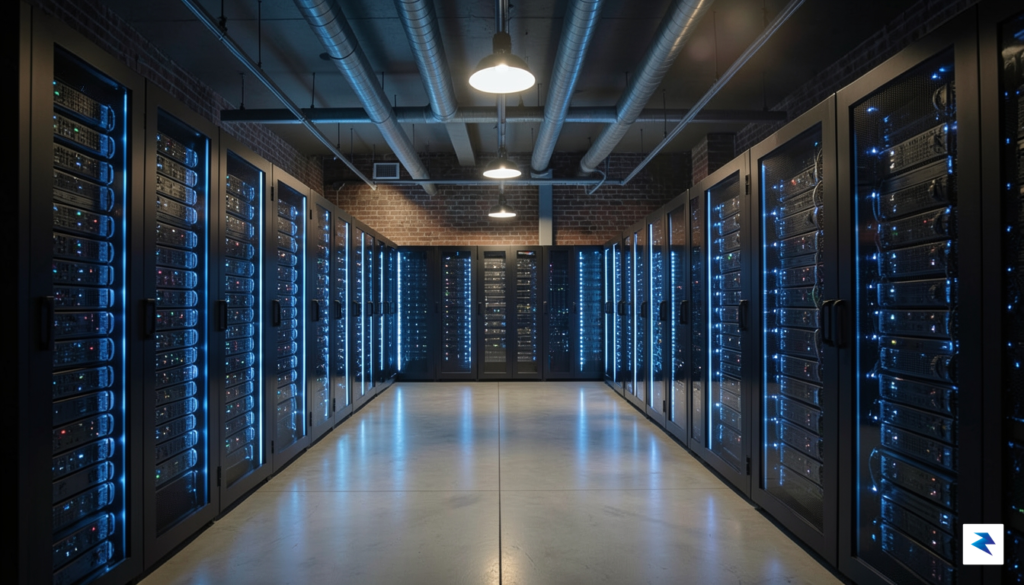
The unveiling of the latest Top500 list at the ISC’26 conference in Hamburg has sent a ripple of excitement through the global scientific community, as a new machine has officially ascended to the number one position. This crowning achievement marks a pivotal moment in the trajectory of high-performance computing (HPC), representing not just a numerical increase in floating-point operations per second, but a profound leap in the complexity and scale of problems we are now capable of solving. As the new champion takes its place at the pinnacle of the rankings, it effectively resets the baseline for what constitutes state-of-the-art infrastructure, pushing the boundaries of simulation, artificial intelligence, and predictive modeling further than ever before.
Since its inception, the Top500 project has served as the definitive barometer for the health and ambition of the global supercomputing ecosystem. While critics occasionally argue that raw peak performance does not capture every nuance of real-world application, the list remains the gold standard because it provides a transparent, standardized metric against which the world’s most powerful research institutions can measure their progress. By utilizing the High-Performance Linpack (HPL) benchmark, the ISC rankings ensure that there is a level playing field for comparison, fostering a healthy, competitive environment that drives innovation across hardware architectures, interconnect technologies, and parallel programming models.
The arrival of a new number one supercomputer is more than a technical milestone; it is a signal of national and institutional priority, reflecting a commitment to solving the grand challenges of the 21st century.
Beyond the raw specifications, holding the top spot on the Top500 list carries immense geopolitical and institutional prestige. For the nation or consortium that hosts the leading system, the achievement is a testament to their domestic expertise in engineering, energy management, and software optimization. It signals to the international community that the host has the infrastructure necessary to dominate in fields like climate forecasting, drug discovery, and advanced materials science, where compute power is the primary bottleneck to progress. Consequently, the race for the top spot has become a sophisticated arena for soft power, where nations vie for technological sovereignty and the ability to dictate the pace of discovery in the digital age.
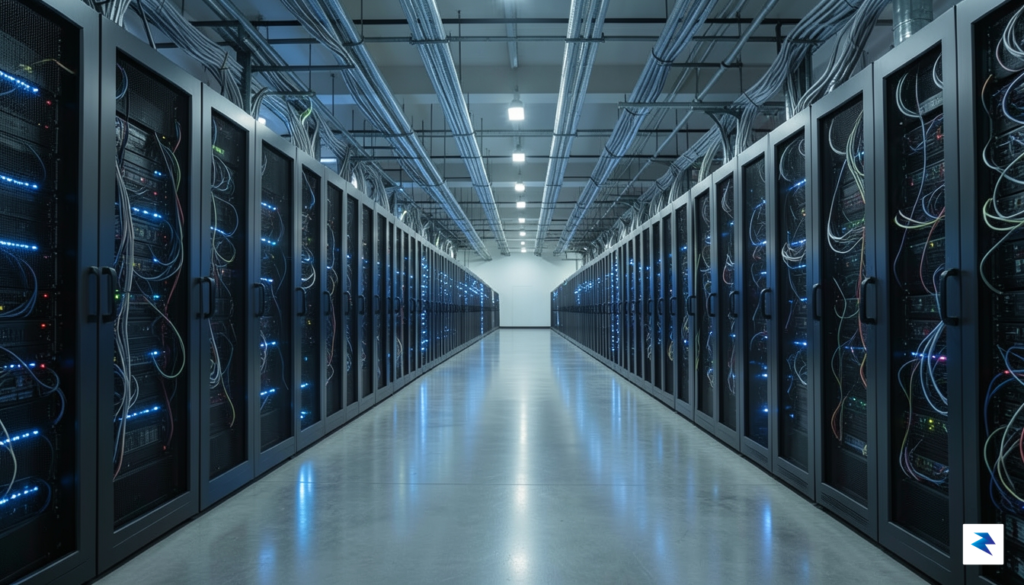
As we analyze this transition, it is clear that the new leader is not merely a faster iteration of its predecessors, but a carefully engineered platform designed for the heterogeneous workloads of the future. By integrating advanced accelerators and high-bandwidth memory architectures, this system demonstrates how the industry is pivoting toward energy-efficient, AI-ready compute environments. As these massive systems continue to grow in scale, the lessons learned from this year’s top-ranked machine will undoubtedly filter down to the broader research community, eventually democratizing the high-performance tools that are currently reserved for the absolute frontier of computational science.
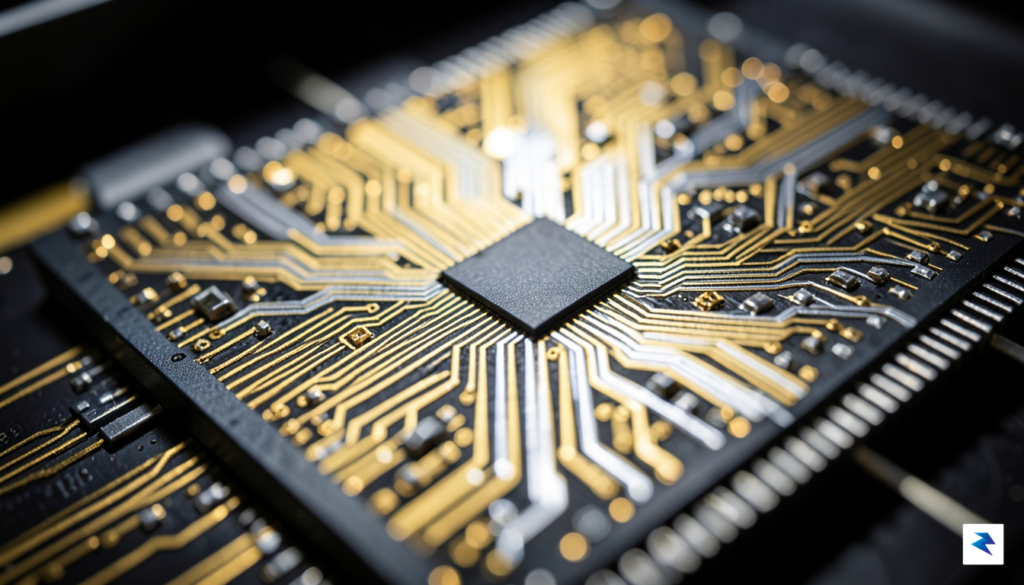
The transition to the new number one position on the TOP500 list marks a decisive shift in how we define modern supercomputing power. Gone are the days when raw CPU clock speeds were the sole metric of success; today’s record-holder is a masterclass in heterogeneous computing. By pairing high-performance central processing units with a dense, custom-tuned array of next-generation graphics processing units (GPUs), the system achieves a massive parallel processing capacity that dwarfs its predecessors. This architecture is not merely about stacking chips, but about the intelligent orchestration of tasks, offloading complex mathematical modeling to specialized accelerators while keeping the CPUs focused on system orchestration and logic flow.
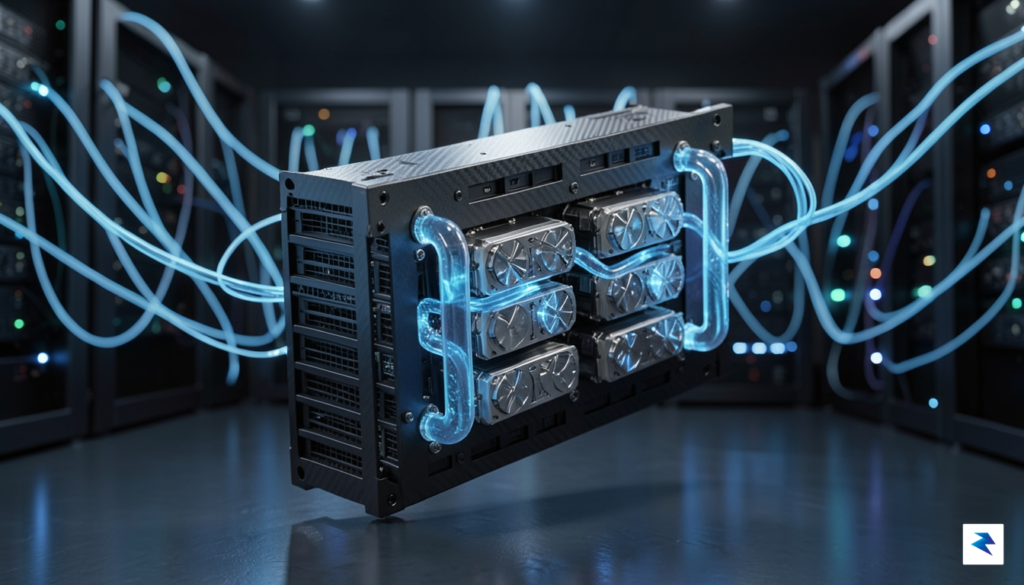
The true genius of this machine, however, lies in its interconnect fabric, which acts as the nervous system for the entire cluster. To sustain exascale performance, the system utilizes a proprietary, high-bandwidth interconnect fabric that minimizes latency between nodes to near-zero levels. This allows thousands of individual computing nodes to act as a single, unified entity, moving petabytes of data across the network without the bottlenecks that plagued earlier generations. By prioritizing high-speed packet throughput and low-latency synchronization, the engineers behind this system have ensured that the hardware can handle massive, multi-physics simulations that would have stalled even the most capable machines from just a few years ago.
The leap to the top spot isn’t just about raw FLOPS; it is about the seamless integration of memory and throughput that allows the hardware to actually utilize its full potential on real-world scientific workloads.
Memory hierarchy also plays a critical role in the new architecture’s supremacy. Understanding that processing speed is useless if the data cannot be fed to the chips fast enough, the designers implemented a multi-tiered memory strategy. This involves a tight coupling of high-bandwidth memory (HBM) directly onto the accelerator packages, complemented by a massive, high-speed tiered storage layer that bridges the gap between volatile compute memory and long-term storage. This design philosophy represents a departure from the traditional “balanced” approach of the past, opting instead for an aggressive, data-centric model. By bringing the data physically closer to the compute logic, the system effectively eliminates the “memory wall” that has hindered performance scaling in previous TOP500 leaders.
Compared to the design philosophies of yesterday, this champion system is notably more opinionated. While past leaders often sought to balance versatility with speed, this machine embraces specialization. By committing to an architecture that excels in large-scale vector operations and massive matrix multiplications, it creates a specialized environment where AI, weather modeling, and molecular dynamics can flourish. This shift toward domain-specific hardware configuration, supported by an ultra-fast interconnect and a sophisticated memory hierarchy, proves that the future of the TOP500 will be defined by how efficiently a machine can move and transform data, rather than just how many cores it can count.
While the Rmax figure—the actual measured performance on the Linpack benchmark—remains the gold standard for landing the top spot on the list, it is increasingly becoming a narrow lens through which to view modern computational power. The traditional Linpack benchmark relies heavily on double-precision (FP64) arithmetic, a standard that was once the primary requirement for traditional scientific simulations. However, Rmax measures how fast a machine can solve dense linear equations, which is a far cry from the complex, multi-layered workflows that define modern research. Relying solely on these raw numbers can lead to a misunderstanding of a system’s true utility, as the disparity between Rpeak—the theoretical maximum performance—and real-world throughput often highlights significant bottlenecks in memory bandwidth and interconnect latency.
In the modern era, high-performance computing (HPC) centers are shifting their focus toward application-specific performance. When we look at climate modeling or molecular dynamics, the workload requires a delicate balance of massive data movement and precise floating-point operations. A machine might boast an astronomical Rmax, yet struggle when tasked with the irregular data access patterns common in weather forecasting or fluid dynamics simulations. Consequently, researchers now prioritize how effectively a system handles mixed-precision arithmetic, which allows the hardware to utilize lower-precision formats for AI-heavy tasks without sacrificing the necessary accuracy for physical modeling.
The rise of artificial intelligence as a dominant HPC workload has necessitated the adoption of new evaluation methods, most notably the High-Performance Linpack for Mixed-Precision (HPL-MxP). This benchmark is much more representative of modern AI training, where the system is challenged to switch between high-precision calculations for stability and lower-precision calculations for speed. By allowing the hardware to dynamically adjust its precision, systems can achieve significantly higher throughput for deep learning models, which is a metric that standard Linpack tests fail to capture entirely. This transition is not merely a technical adjustment; it is a fundamental shift in how we define a “successful” supercomputer.
True computational excellence is no longer defined by a single peak speed, but by the efficiency with which a system adapts its architecture to solve diverse, multi-dimensional problems in real-time.
Ultimately, the value of a top-tier supercomputer lies in its versatility. As we move into the future, the ability to balance traditional simulation tasks with the massive, parallelized demands of generative AI will be the true measure of a machine’s longevity. While the current record-holder clearly excels at the classic benchmarks, its true legacy will be written by the breakthroughs it enables in drug discovery, materials science, and climate resilience—fields that demand far more than just raw, double-precision speed.
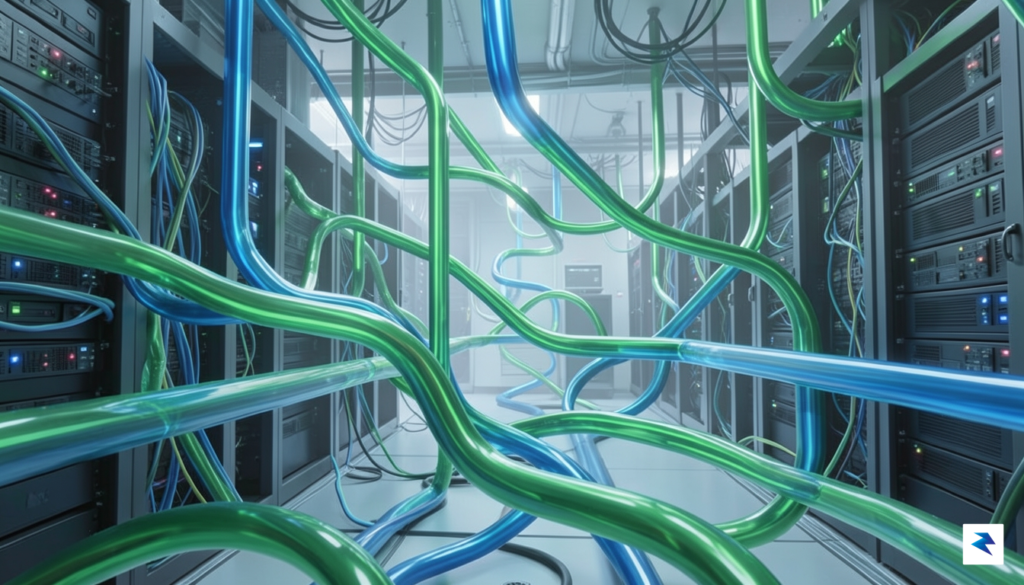
Achieving the unfathomable computational power of an exascale supercomputer, capable of executing a quintillion calculations per second, is only half the battle. The other, equally daunting challenge, lies in keeping such a colossal system running within a reasonable energy budget. When a new champion emerges on the supercomputing stage, it implicitly brings with it an unprecedented demand for electricity, often consuming megawatts of power – a draw comparable to a small town. This immense energy consumption isn’t merely an operational cost; it translates directly into a significant environmental footprint, making power efficiency not just a desirable feature, but a critical design imperative from the very earliest stages of development.
The sheer concentration of processing units packed into these computational behemoths generates an extraordinary amount of heat. This isn’t just about preventing components from overheating; it’s about maintaining precise operating temperatures to ensure peak performance, prevent thermal throttling, and extend the lifespan of incredibly expensive hardware. The concept of power density – the amount of power consumed within a given volume – has skyrocketed in modern supercomputers. Thousands upon thousands of powerful CPUs and GPUs, all working in concert, produce intense, localized heat that traditional air cooling methods simply cannot manage effectively, necessitating a complete re-think of thermal management strategies.
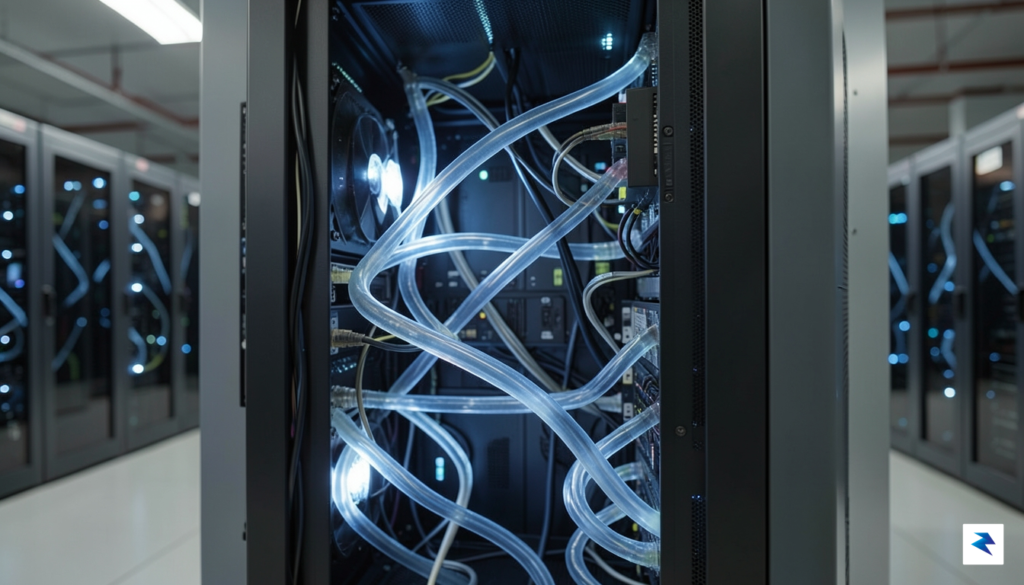
To combat this thermodynamic reality, supercomputing facilities have largely moved beyond the simple, albeit industrial-scale, air conditioning found in conventional data centers. The cutting edge relies heavily on sophisticated liquid cooling solutions. These often involve circulating chilled water, or even specialized dielectric fluids, directly over or in very close proximity to the hottest components, such as processors and memory modules. This method is vastly more efficient at transferring heat away from its source compared to air, which allows for much denser packaging of components and, consequently, higher computational density and performance. While air cooling might still play a role in less critical or peripheral systems, the core compute racks of the world’s leading supercomputers are almost universally reliant on complex, closed-loop liquid cooling infrastructures.
This relentless pursuit of efficiency is encapsulated by the Green500 list, which serves as a crucial counterpart to the traditional TOP500. While the TOP500 ranks supercomputers by their raw computational speed (FLOPS), the Green500 evaluates them based on their energy efficiency, measured in FLOPS per Watt. A truly successful supercomputer in the modern era isn’t just about raw speed; it also needs to be “green.” Achieving a high rank on both lists simultaneously represents a monumental engineering challenge, pushing designers to innovate across every aspect of the system – from the fundamental processor architectures and high-speed interconnects to the most advanced cooling and power delivery systems. When a new number one machine claims its spot on the TOP500, its relative position on the Green500 often provides a more nuanced and complete understanding of its overall design prowess and its implications for the future of sustainable high-performance computing.
The economic and environmental trade-offs inherent in building and operating these exascale systems are profound. The electricity bills for a single top-tier supercomputer can easily run into millions of dollars annually, significantly influencing decisions regarding site selection, operational budgets, and even the feasibility of certain research projects. Beyond the financial cost, there’s the environmental impact: much of the energy consumed still comes from fossil fuels, contributing to carbon emissions. Consequently, there’s a growing imperative within the supercomputing community to explore and integrate renewable energy sources to power these colossal facilities. Optimizing every single watt of power used has become a critical factor not only in achieving sustainability goals but also in ensuring the long-term viability and affordability of future supercomputing endeavors. The message is clear: while immense scientific discovery is enabled by these machines, it comes with a hefty energy price tag, continuously driving innovation towards more sustainable and efficient supercomputing paradigms.

As the industry celebrates the monumental achievement of reaching the exascale barrier, with machines now capable of performing a quintillion (1018) calculations per second, the gaze of the supercomputing world is already firmly fixed on the next colossal leap: zettascale. This ambitious target, representing a staggering 1021 operations per second, promises to unlock unprecedented levels of computational power, fundamentally transforming our approach to complex scientific problems. Experts project that the first zettascale systems could emerge as early as the mid-2030s, though overcoming the immense challenges associated with power consumption, heat dissipation, and data movement at this scale will require revolutionary advancements across the entire hardware and software stack.
A significant driver for this future performance will undoubtedly be specialized AI silicon. The current generation of supercomputers already heavily relies on accelerators like GPUs, but the next wave will see even more purpose-built processors optimized for machine learning, deep learning, and other data-intensive AI workloads. These specialized chips, often designed with intricate neural network architectures in mind, are becoming indispensable for tasks ranging from advanced climate modeling and materials discovery to the development of personalized medicine. Their integration into hybrid architectures will ensure that supercomputers can efficiently handle the massive datasets and iterative computations characteristic of modern AI, pushing the boundaries of what’s computationally feasible.
Beyond traditional silicon, the horizon also includes the tantalizing prospect of quantum-classical hybrid systems. While fully fault-tolerant quantum computers are still some years away, the integration of nascent quantum processors as co-processors within classical supercomputing environments offers a powerful new paradigm. These hybrid systems could leverage the strengths of both: classical supercomputers handling the vast majority of a problem’s computation and orchestration, while quantum accelerators tackle specific, intractable sub-problems that exploit quantum phenomena like superposition and entanglement. Such a synergy holds immense potential for breakthroughs in areas like drug discovery, where molecular interactions are notoriously complex, or in optimizing supply chains and financial models with unprecedented efficiency.
However, this relentless pursuit of performance must also confront the critical issue of sustainability. The sheer energy demands of current exascale systems are immense, and zettascale machines will only amplify this challenge. Therefore, the future of high-performance computing (HPC) is intrinsically linked to energy efficiency and environmental responsibility. Innovations in liquid cooling technologies, the adoption of renewable energy sources for data centers, and the development of more energy-efficient hardware and software algorithms are paramount. The industry is committed to designing supercomputers that are not only powerful but also green, minimizing their carbon footprint and ensuring that the pursuit of knowledge doesn’t come at an unsustainable cost to our planet.
Ultimately, these technological marvels, from specialized AI chips to quantum-classical hybrids, serve a singular, profound purpose: to extend the reach of human understanding and accelerate scientific discovery. By providing unprecedented computational capabilities, these future supercomputers will enable scientists to simulate entire universes, design new materials atom by atom, predict the course of global pandemics, and unravel the mysteries of the human brain with greater fidelity than ever before. The race toward zettascale and beyond is not merely about achieving raw performance; it’s about empowering humanity to solve the world’s most complex challenges and pushing the very boundaries of what we can know and achieve.
You must be logged in to post a comment.