
ISC26 Top500: A New Supercomputing Champion Claims the Crown
The Shift at the Peak: Understanding the New ISC26 Leader The unveiling of the latest Top500 list at the ISC’26 conference in Hamburg has sent…
For a fleeting decade, streaming felt like a genuine revolution in home entertainment. During the early Netflix era, the value proposition was simple and disruptive: for a flat monthly fee, subscribers gained access to an expansive library of content, entirely free from the frustrations of commercial interruptions or rigid broadcast schedules. It was the ultimate antidote to the bloated, expensive cable bundles that had dominated living rooms for generations. Consumers felt empowered by the “on-demand” model, enjoying a frictionless experience that prioritized user choice and uninterrupted immersion. In those formative years, the industry seemed to be built on a foundation of consumer-first logic, where convenience and simplicity were the primary currencies of growth.
However, the industry’s hunger for scale eventually collided with the harsh realities of content production costs and investor demands for profitability. As the streaming market became saturated, the initial strategy of aggressive, low-cost subscriber acquisition proved unsustainable. To maximize Average Revenue Per User (ARPU), platforms began a calculated pivot, dismantling the very features that made them attractive in the first place. This transition saw the introduction of tiered subscription models, where the “entry-level” experience is now tethered to the very thing cord-cutters originally sought to escape: the mid-roll advertisement. What was once a premium, ad-free haven has slowly morphed into a mirror of the legacy cable model, complete with artificial scarcity, segmented access, and a relentless push to monetize every minute of viewer attention.
The streaming industry has effectively completed a full circle: it began by dismantling the cable bundle, only to reconstruct it under a different name, complete with the same commercial interruptions that defined the broadcast era.
This shift is not merely a technical update; it represents a fundamental change in the relationship between the service provider and the audience. Platforms are no longer solely focused on delivering a high-quality, frictionless experience; they are now balancing viewer engagement with the necessity of serving advertisers. By gating the ad-free experience behind significant price hikes, companies have successfully framed the absence of commercials as a luxury commodity rather than a standard feature. Consequently, the modern viewer is finding that the “golden age” of streaming was perhaps just a temporary period of market subsidization, leaving us to navigate a fragmented landscape where the cost of convenience continues to rise while the quality of the experience feels increasingly like a throwback to the past.

The shift towards ad-supported tiers across major streaming platforms wasn’t a sudden corporate whim; it was a calculated, albeit reluctant, pivot driven by the unforgiving economics of content creation and distribution. For years, the industry operated under an “acquire at any cost” mantra, fueled by investor appetite for rapid subscriber growth. However, beneath the veneer of endless new releases and prestige dramas, a fundamental financial reality was taking hold: the existing subscription-only model simply couldn’t sustain the escalating costs of the content wars, pushing companies to seek more robust and diversified revenue streams.
The so-called “streaming wars” ignited a frantic arms race for original content, with every major player vying to produce the next must-watch show or blockbuster film. Budgets for high-profile series and movies ballooned into hundreds of millions of dollars per title, as platforms competed fiercely for top-tier talent, cutting-edge production values, and exclusive intellectual property. This relentless investment was necessary to attract and retain subscribers in an increasingly crowded market, but it simultaneously created an unsustainable burn rate that few companies could maintain indefinitely through subscriptions alone, even with rising monthly fees.
Compounding the problem was the inevitable saturation of the subscriber market. In the early days, streaming services enjoyed explosive growth as they tapped into a vast, underserved audience eager to cut the cord. Yet, as the novelty wore off and nearly every household that wanted a streaming service had one (or several), new subscriber acquisition became progressively more challenging and expensive. Consumers began to experience “subscription fatigue,” unwilling or unable to add more monthly bills to their budget, meaning the primary engine of revenue growth for these companies started to sputter.
This market maturation dramatically altered Wall Street’s perspective. Where once investors tolerated massive losses in exchange for burgeoning subscriber numbers, their focus definitively shifted towards profitability and sustainable business models. The narrative evolved from “growth at any cost” to “show us the money.” Companies were pressured to demonstrate a clear path to generating consistent profits, rather than just accumulating users. This intense scrutiny from investors forced a re-evaluation of business strategies, making it clear that relying solely on subscriber fees for astronomical content budgets was a losing proposition in the long run.
It is within this challenging economic landscape that advertising emerged as a crucial lifeline. Unlike subscriptions, which have a finite ceiling and are highly sensitive to price increases, ad revenue offers a more flexible and resilient income stream. It allows platforms to monetize viewers who might be unwilling to pay a premium for an ad-free experience, or to offer a more affordable entry point, thereby expanding their potential audience. Furthermore, with advanced data analytics, streaming services can offer highly targeted advertising, which is incredibly valuable to brands and provides a strong, scalable revenue channel that complements and bolsters traditional subscription income, ultimately helping to underwrite the continued creation of the very content that draws viewers in.
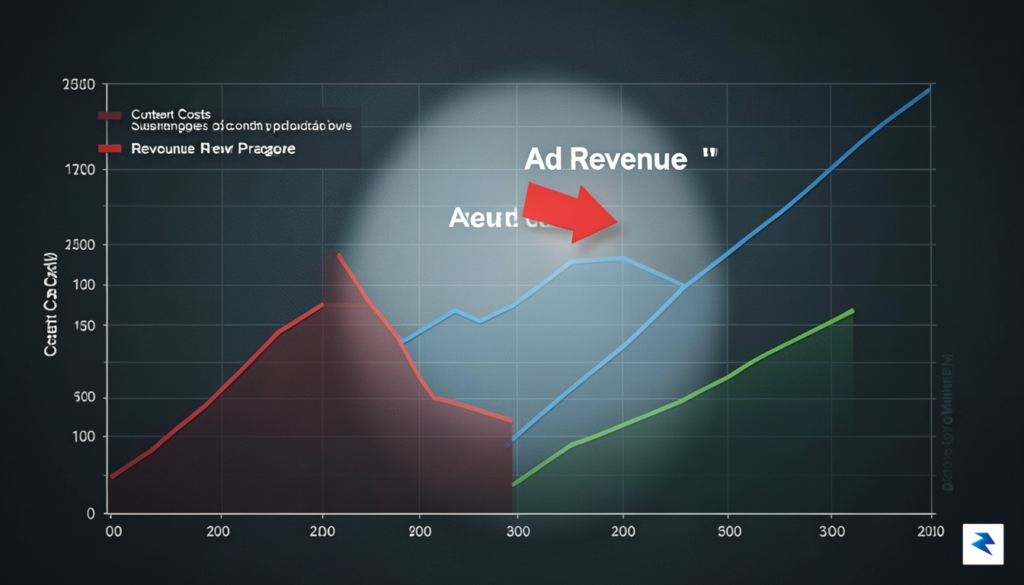
The landscape of home entertainment has undergone a radical transformation, shifting from a simple, flat-rate subscription model to a complex, multi-tiered architecture that mimics the cable packages of the past. Major platforms like Netflix, Disney+, and Max have moved away from the “all-access” promise, instead slicing their services into distinct strata based on resolution, simultaneous screen counts, and, most notably, the presence of intrusive advertising. For the average household, this means that the base price often advertised is frequently an illusion, serving only as a lure to draw in price-sensitive subscribers who must then contend with reduced functionality.
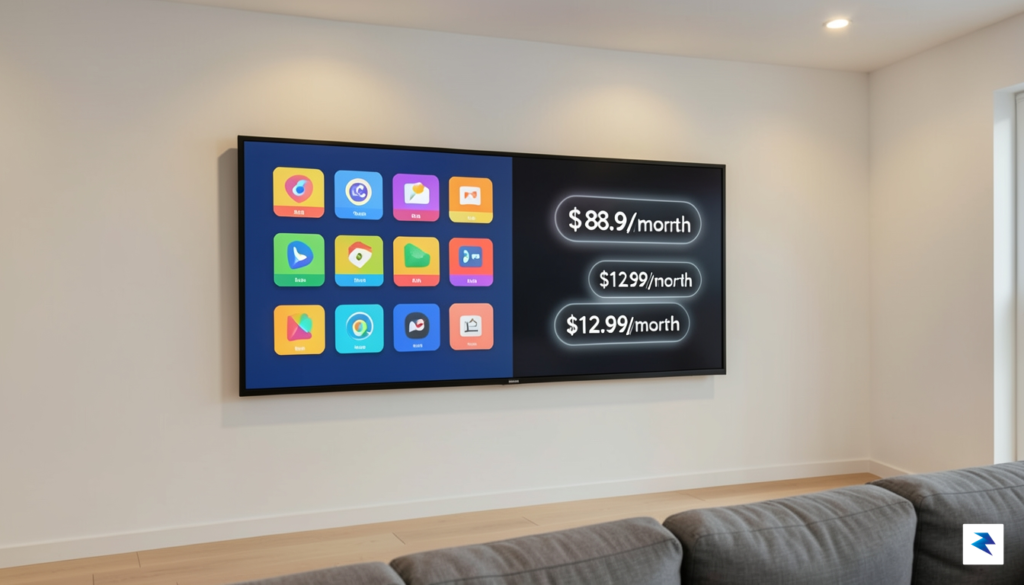
When analyzing these current offerings, it becomes clear that the value proposition is rarely as straightforward as it seems. Entry-level tiers, which provide a lower monthly cost, often restrict users to 1080p high definition and limit concurrent streaming to just one or two devices, rendering them insufficient for larger families or high-end home theater setups. Furthermore, these cheaper plans frequently exclude essential features like 4K Ultra HD or spatial audio, effectively gatekeeping quality behind a “premium” paywall. Consumers are effectively being funneled into higher-priced tiers if they want the experience they were accustomed to just a few years ago, turning the standard viewing experience into a luxury commodity.
The proliferation of tiered pricing isn’t just about offering choice; it is a calculated strategy to increase Average Revenue Per User (ARPU) while masking the rising costs of digital content consumption.
To truly understand the impact on the household budget, one must look past the monthly sticker price. While an ad-supported plan might save a few dollars compared to its premium counterpart, the hidden costs manifest in the form of time loss and the fragmentation of the viewing experience. By incorporating ad-loads, streaming services have effectively reintroduced the commercial interruptions that drove consumers to cord-cutting in the first place. When you multiply these incremental costs across multiple service subscriptions—each with its own specific limitations—the total monthly expenditure often exceeds the cost of a traditional cable bundle, yet the content remains sequestered within individual walled gardens.
Ultimately, these tiered structures are designed to maximize revenue by forcing consumers to pay a premium for the convenience of an uninterrupted, high-fidelity experience. The modern subscriber is left to navigate a labyrinth of choices, constantly weighing the frustration of advertisements against the rising cost of living. As these platforms continue to refine their pricing models, the dream of a frictionless, affordable streaming experience is increasingly being replaced by a reality where “ad-free” is no longer a standard feature, but a luxury service tier that requires a significant financial commitment.
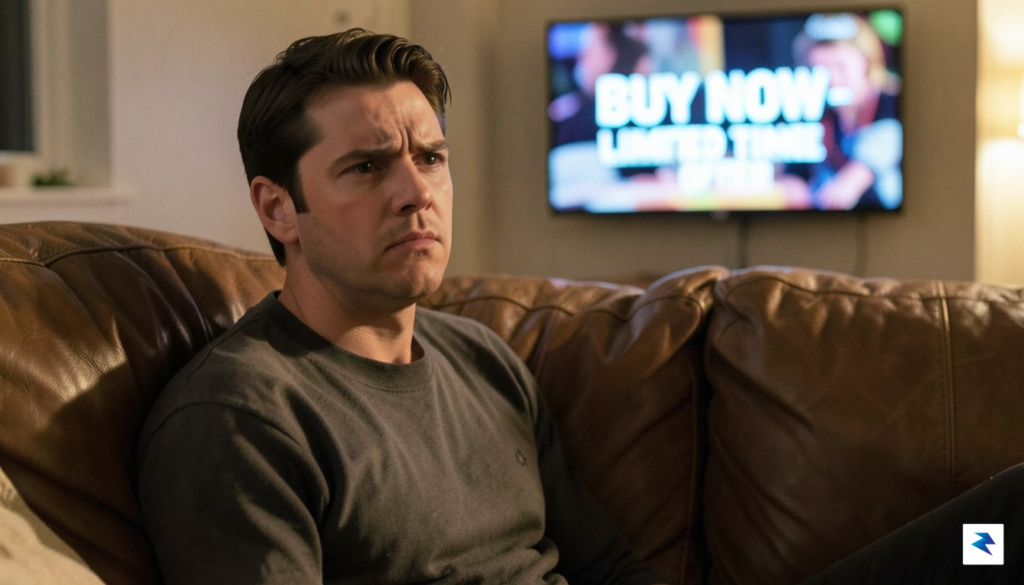
The transition back to ad-supported models represents far more than a simple shift in pricing; it marks a fundamental erosion of the immersive storytelling experience that streaming once promised. In the era of “peak TV,” high-budget dramas and meticulously crafted cinematic arcs were designed to be consumed without external interference, allowing viewers to lose themselves in complex narratives. When a high-tension cliffhanger is abruptly severed by an intrusive promotional break for insurance or fast food, the psychological “interruption factor” effectively shatters the viewer’s immersion. This jarring transition forces the brain to shift gears from emotional engagement to commercial consumption, which diminishes the artistic impact of the content and leaves the audience feeling frustrated rather than entertained.
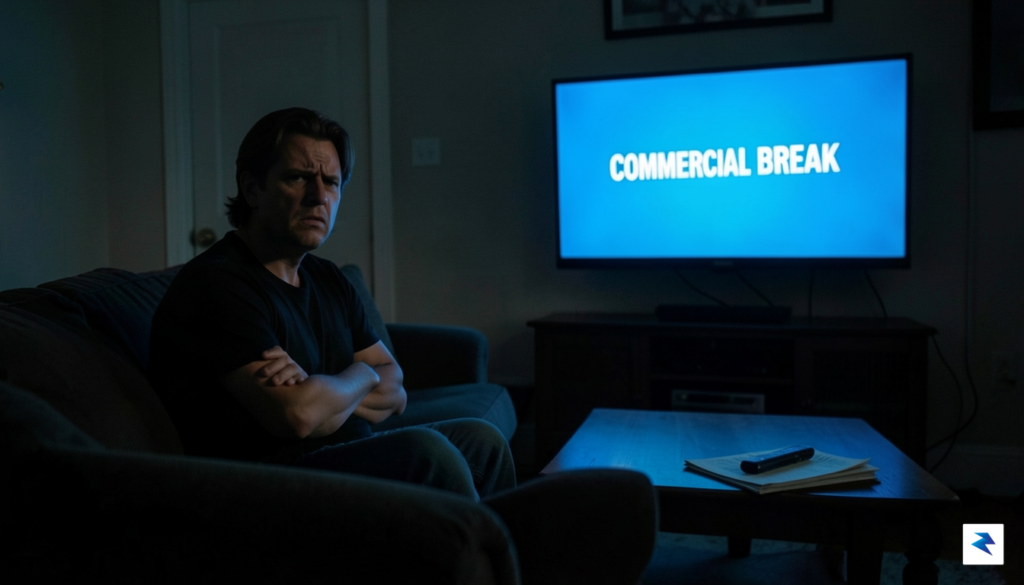
Furthermore, the habit of binge-watching—a behavior that streaming platforms spent a decade cultivating—is fundamentally incompatible with traditional linear ad structures. When a viewer attempts to marathon a series, the cumulative effect of repeated ad segments creates a sense of fatigue that wasn’t present in the ad-free model. User sentiment data increasingly suggests that while consumers might accept ads to lower their monthly bill, they remain deeply dissatisfied with the frequency and lack of personalization in these placements. Unlike the classic television commercials of the past, which were often viewed as a communal “water cooler” cultural touchstone, modern streaming ads feel like a tax on one’s attention, especially when they disrupt the carefully calibrated pacing of a modern, fast-paced narrative.
The true cost of ad-supported streaming isn’t just the thirty seconds spent watching a product spot; it is the devaluation of the narrative flow and the loss of the premium, seamless experience that users were originally invited to subscribe for.
Beyond the immediate irritation of the viewing experience, there is a more insidious layer to this change: the commodification of viewer data. To effectively target these advertisements, platforms must now harvest vast amounts of personal behavioral data, tracking what you watch, when you pause, and how long you linger on specific scenes. This shift turns the subscriber into the product, effectively transforming a private, paid environment into a surveillance-heavy ecosystem. Consequently, the value proposition of a monthly subscription is being hollowed out; we are not only paying for the privilege of accessing content, but we are also paying with our privacy and our time, all while losing the narrative sanctity that once defined the streaming revolution.
As the initial gold rush of the streaming era fades, we are witnessing a fundamental pivot from aggressive subscriber acquisition to a model defined by rigid fiscal discipline. The days of “content at any cost” have been replaced by a focus on profitability, which inevitably means the consumer will face more frequent price hikes and restrictive ad-supported tiers. We are entering a period of massive consolidation, where disparate platforms are increasingly forming strategic bundles—such as the emerging collaborations between Disney+, Hulu, and Max—to reduce churn and capture a larger share of the household entertainment budget. This move toward ecosystem-based viewing is designed to make it harder for subscribers to cancel, effectively recreating the bundled experience of traditional cable, albeit through a digital interface.
Simultaneously, the industry is betting heavily on the resurgence of Free Ad-supported Streaming TV, or FAST channels. By mimicking the linear, “lean-back” experience of traditional broadcast television, services like Pluto TV and Tubi have successfully carved out a niche that appeals to viewers exhausted by the “paradox of choice” present in on-demand libraries. These platforms are not merely a nostalgic nod to the past; they are a calculated strategy to monetize audiences who are no longer willing to pay premiums for ad-free experiences. As the streaming market matures, expect these FAST channels to become a primary competitor to traditional cable, offering a low-friction entry point that keeps users engaged with an ecosystem even after they have canceled their premium subscriptions.
The streaming landscape is evolving into a tiered hierarchy: a premium, high-cost tier for those who value uninterrupted content, and an expansive, ad-supported tier that acts as a digital version of classic linear television.
For the average consumer, navigating this fragmented landscape requires a more tactical approach to entertainment spending. Gone are the days of maintaining four or five “always-on” subscriptions; instead, the most savvy viewers are adopting a “cycling” strategy. By rotating subscriptions based on the release windows of specific tentpole series, users can minimize costs without sacrificing access to high-quality content. Furthermore, leaning into free, ad-supported services can help fill the gaps during months where premium service budgets are tightened. Ultimately, the industry’s shift toward profitability is a clear signal that the era of cheap, boundless entertainment is behind us, necessitating a more intentional and disciplined approach to how we curate our digital media diet.
You must be logged in to post a comment.