
Viral Fame and Professional Costs: The Lesson Behind the Knicks Trash Can Incident
The Viral Moment: Understanding the Knicks Trash Can Incident The modern workplace, increasingly under the microscope of public scrutiny,…

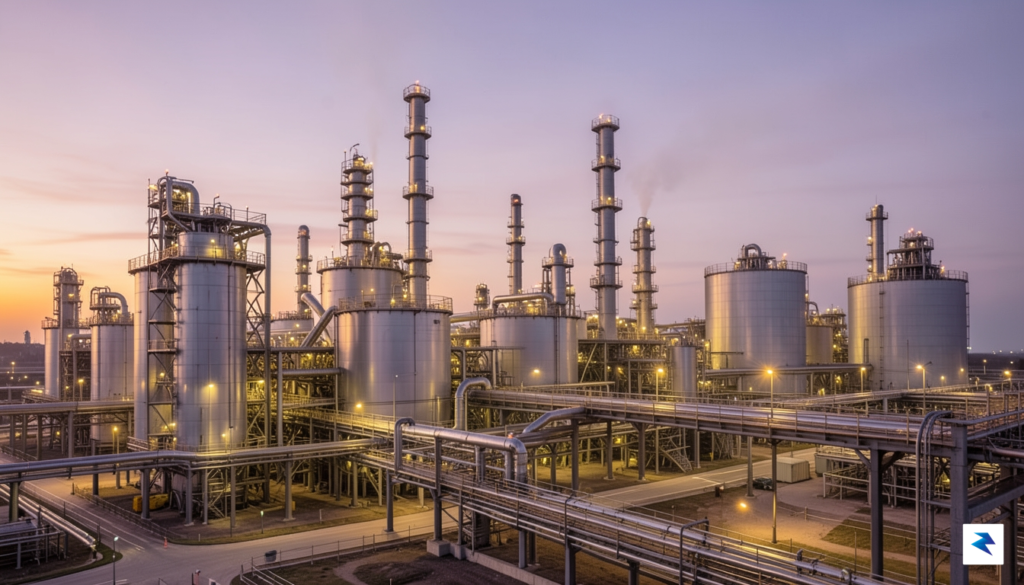
For the better part of the last year, the global energy landscape has been defined by a relentless sense of urgency and unpredictability. The sudden escalation of regional conflicts in early February sent shockwaves through energy exchanges, forcing investors and governments alike to scramble as crude oil prices surged toward historic highs. However, as the dust begins to settle and maritime logistics through critical Gulf corridors return to a semblance of normal operations, the market is undergoing a much-needed cooling phase. This shift is not merely a statistical anomaly; it represents a fundamental transition from the panic-driven volatility that characterized the height of the crisis to a more measured, stabilization-focused environment.

The macro-economic context of this downward trend is deeply rooted in the restoration of supply chain confidence. When geopolitical tensions first flared, the immediate reaction of the market was to price in the worst-case scenario: a total blockade of vital shipping lanes. This “fear premium” pushed prices into unsustainable territory, impacting everything from manufacturing costs to household utility bills. Now, as shipping companies resume standard transit schedules and the threat of severe supply disruption diminishes, that fear premium is rapidly evaporating. Investors are moving away from the defensive, high-risk positions they adopted during the onset of the conflict, opting instead for a pragmatic reassessment of global supply and demand fundamentals.
The return to prewar price parity serves as a vital psychological benchmark, signaling to businesses and consumers alike that the period of acute energy scarcity is subsiding.
Reaching prewar price levels is far more than just a convenient economic milestone; it is a critical psychological threshold for the global economy. For businesses, this stabilization allows for more accurate forecasting and a reduction in the inflationary pressures that have haunted corporate balance sheets for months. For the average consumer, it suggests that the relentless climb in transportation and heating costs may finally be reaching a plateau. By shedding the volatility of the past year, the energy sector is effectively clearing the path for a more stable economic outlook, providing a necessary reprieve that allows supply chains to recalibrate without the constant interference of geopolitical instability.
Ultimately, this descent back toward historical norms reflects a market that is increasingly resilient to local shocks. While the world remains vigilant regarding future disruptions, the current cooling trend demonstrates that the global trade network has successfully adapted to the new realities of the geopolitical climate. As we move forward, the focus will likely shift from emergency crisis management to long-term sustainability, ensuring that the energy markets remain responsive to true supply-demand dynamics rather than the fleeting tremors of international friction.

The stabilization of global oil markets is inextricably linked to the restoration of secure passage through the Gulf’s critical maritime corridors. For months, these narrow waterways—which serve as the primary arteries for a significant percentage of the world’s crude oil exports—were throttled by geopolitical instability, forcing tankers to either endure lengthy delays or reroute entirely. With shipping lanes now reopening, the logistical friction that previously caused supply chain bottlenecks is rapidly dissipating. As these vessels return to their traditional, most efficient routes, the global inventory of oil is becoming more fluid, allowing refineries to restock at a predictable pace rather than scrambling to cover sudden, geographically induced shortfalls.

A major factor in the recent price cooling is the downward adjustment of maritime insurance premiums. When the region was classified as a high-risk zone, insurers significantly hiked “war-risk” surcharges, which acted as an invisible tax on every barrel of oil transported through the area. These premiums were not merely incidental costs; they were passed directly onto consumers, inflating the price of fuel long before it ever reached a retail pump. Now that the threat level has subsided, insurance underwriters are recalibrating their risk assessments. As these premiums return to standard commercial levels, the total cost of delivering a barrel of crude to international markets is dropping, providing immediate relief to the final market price.
The normalization of shipping routes does more than just lower costs; it restores the reliability of the global energy supply chain, which is the true engine of price stability.
The transition from “war-risk” protocols back to standard commercial operations represents a fundamental shift in how the industry manages its logistical overhead. During the height of the tensions, captains were forced to implement defensive maneuvers, adjust transit schedules to daylight hours, and maintain constant contact with naval escorts, all of which added days to typical voyages. By reverting to standard operating procedures, shipping companies are reclaiming lost time and efficiency. This return to normalcy means that the “time-value” of cargo—the economic burden of having millions of dollars in inventory sitting idle at sea—is effectively being neutralized. As transit times shorten and predictability returns to the maritime sector, the market is finally shedding the “fear premium” that had artificially inflated oil prices for far too long.

Energy markets have never existed in a vacuum; rather, they serve as the world’s most sensitive barometer for geopolitical stability. When tensions rise in critical transit zones like the Persian Gulf, the immediate impact is often an inflated “fear tax” added to the price of every barrel of crude. This premium isn’t necessarily tied to actual supply shortages, but to the collective anxiety of traders who weigh the probability of supply chain disruptions against the necessity of global energy flow. Recent diplomatic overtures and a noticeable cooling of regional rhetoric have allowed this fear premium to evaporate, signaling to the markets that the immediate risk of catastrophic maritime blockage has significantly subsided.
The correlation between these diplomatic breakthroughs and the downward trend in fuel prices is direct and profound. As nations engage in back-channel negotiations and establish new protocols for safer shipping lanes, the market sentiment shifts from defensive hedging to cautious optimism. Investors, who spent months pricing in the worst-case scenarios, are now recalibrating their models to account for a more predictable flow of oil from the Gulf to international terminals. This transition from a high-risk environment to one of stabilized transport effectively removes the artificial pricing pressure that had kept energy costs elevated long after the initial shocks of conflict were felt.

However, the sustainability of this current peace remains a critical question for both policy makers and consumers. While the resumption of shipping is a welcome development, history suggests that energy prices are notoriously fragile and prone to sudden reversals if diplomatic progress stalls. Market analysts remain vigilant, watching for any sign that these overtures might be temporary rather than a long-term shift in regional strategy. A lasting reduction in energy costs depends entirely on whether these diplomatic foundations can weather future political disagreements and maintain the sanctity of international shipping corridors.
The “fear tax” in energy pricing is essentially the cost of uncertainty; when diplomacy replaces rhetoric, that tax is the first thing to vanish from the ledger.
Ultimately, the current drop toward pre-war price levels is a testament to the power of de-escalation in stabilizing global commerce. Consumers are now seeing the tangible results of geopolitical cooling reflected in their own monthly expenses, providing a much-needed reprieve from the volatility of the past year. Whether this downward trajectory holds will depend on the continued commitment to regional security, proving once again that the global economy is intrinsically tied to the success—or failure—of international diplomacy.
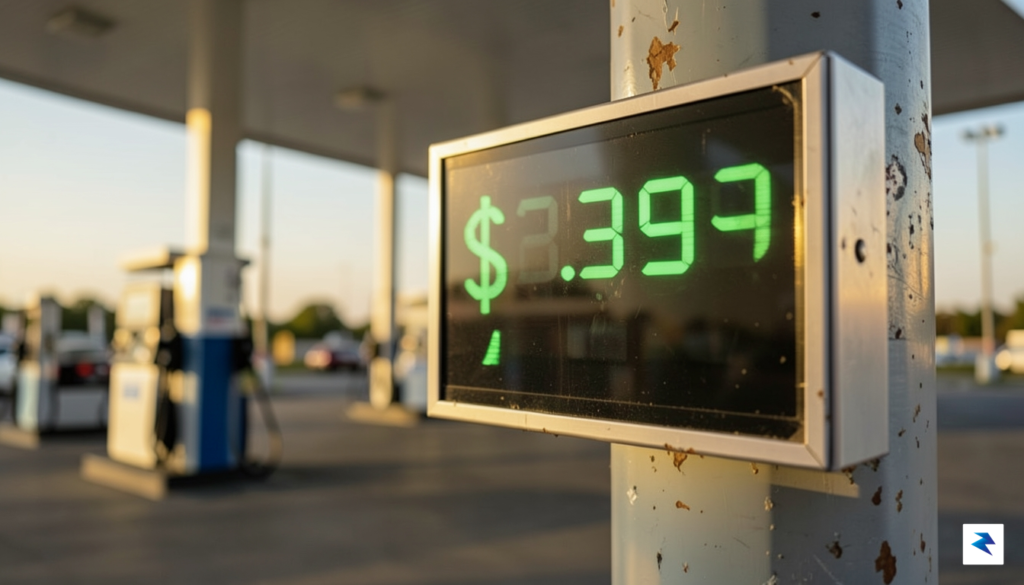
For the average household, the recent softening of crude oil markets acts as a long-awaited pressure release valve in an otherwise tight economic environment. Because energy serves as the fundamental fuel for the global supply chain, its cost is woven into the price tag of nearly every item on a grocery store shelf, from the plastic packaging protecting your food to the diesel fuel powering the trucks that deliver it. When oil prices stabilize and trend downward, it signals a potential cooling of the broader inflationary wave that has significantly eroded purchasing power over the last few years. As companies face lower overhead costs for transportation and raw material manufacturing, the relentless upward pressure on consumer prices may finally begin to ease, offering a tangible sense of stability to family budgets.
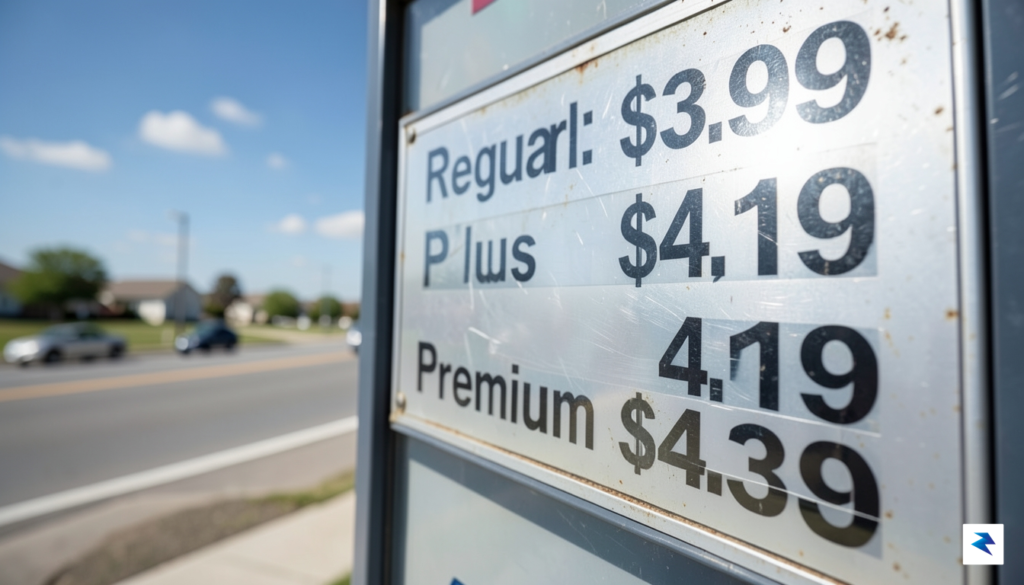
However, it is vital to manage expectations regarding the timeline of these benefits. There is almost always a measurable lag between a drop in global crude oil futures and the price you see reflected at your local gas station pump. Gas stations must first deplete their existing inventory purchased at higher rates, and regional refining constraints or distribution hurdles can further delay these savings from reaching the consumer. While the dip in global benchmarks is a positive leading indicator, it often takes several weeks for the retail market to fully recalibrate. Patience is required, as the relief is rarely instantaneous, but the trend line suggests that the era of record-breaking fuel costs is finally beginning to recede.
The true impact of lower energy costs is found in the expansion of discretionary income; when less money is funneled into the gas tank and heating bills, households gain the flexibility to address debt, increase savings, or support local businesses.
Beyond the immediate relief at the pump, the cascading effects of cheaper energy permeate the entire economy in ways that can improve your long-term financial health. When shipping and production costs drop, businesses often find themselves with more breathing room, which can help stabilize the prices of everything from household electronics to seasonal clothing. This transition helps shift the economic narrative from one of survival to one of sustainability. As energy costs become more manageable, the aggregate demand for consumer goods may stabilize, helping to prevent the “sticker shock” that has defined the recent shopping experience. Ultimately, the return toward prewar oil price levels serves as a critical economic stabilizer, providing a much-needed foundation for household budgets to recover from the volatility of recent years.
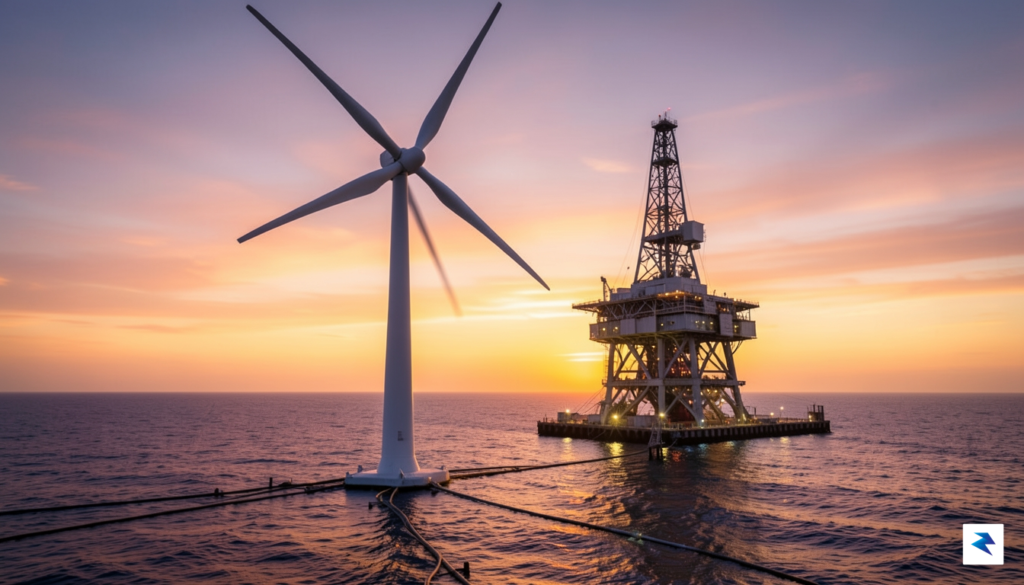
Despite the current welcome trend of oil prices receding towards prewar levels, signaling a period of relative calm in global energy markets, it would be naive to assume this stability is set to last indefinitely. The energy sector, by its very nature, remains inherently susceptible to sudden and dramatic shifts, driven by a complex interplay of geopolitical, economic, and environmental factors. For investors and policymakers alike, understanding these underlying vulnerabilities is crucial for navigating future uncertainties and preparing for potential reversals. Any number of unforeseen events, from renewed geopolitical tensions in critical producing regions to extreme weather events disrupting supply infrastructure, could quickly unravel the current positive trajectory, sending shockwaves through global economies once more.
Furthermore, the delicate balance of supply and demand is constantly being recalibrated by the strategic decisions of major oil-producing nations and cartels like OPEC+. While current production levels might align with market needs, a coordinated decision to cut supply, perhaps in response to perceived oversupply or to support prices, could swiftly tighten the market and push costs back up. Conversely, a sudden surge in production from a key player could flood the market, causing prices to plummet, which while beneficial for consumers, can destabilize producers and long-term investment. This constant push and pull, often driven by political motives as much as economic ones, adds a layer of unpredictable volatility to an already complex system.
Looking at the broader horizon, a significant long-term shift towards energy diversification is undeniably underway, gradually re-shaping the global energy landscape. Investments in renewable sources like solar, wind, and advanced battery storage technologies are accelerating, slowly chipping away at the world’s reliance on fossil fuels. This transition, while slow, promises to eventually mitigate some of the price volatility associated with traditional hydrocarbon markets, as diversified energy mixes are inherently more resilient to localized disruptions. However, the transition itself presents its own challenges, including the need for massive infrastructure upgrades, securing critical minerals, and managing the intermittency of renewable power, all of which contribute to a dynamic and evolving risk profile.
The demand side of the equation also holds significant sway over future energy stability. Global economic growth, particularly in rapidly industrializing nations, will continue to fuel energy consumption. Yet, simultaneously, advancements in energy efficiency across various sectors, coupled with the electrification of transport and industry, are poised to temper some of this increased demand for traditional fuels. This creates a fascinating push-pull dynamic where technological progress and policy interventions could either smooth out price fluctuations or introduce new demand-side pressures. Therefore, the future trajectory of energy prices will depend not just on supply shocks, but also on the pace of innovation and adoption of cleaner, more efficient technologies.
Ultimately, while the current respite in energy prices is a welcome development, the prospect of a prolonged period of true price normalcy remains elusive. The energy sector is a complex, interconnected web, constantly influenced by a myriad of unpredictable factors ranging from geopolitical conflicts and climate change impacts to technological breakthroughs and evolving consumer behaviors. For businesses, governments, and individuals, vigilance and adaptability will be key. We are likely entering a period where the *nature* of energy volatility might evolve, shifting from purely supply-side shocks to include new dynamics related to the energy transition itself, underscoring the ongoing need for robust energy strategies and diversified approaches.
You must be logged in to post a comment.