
Top 10 Fun Discord Bots
Are you looking to spice up your Discord server with some fun and engaging bots? Do you want to create an environment that keeps your members…


The progression from the iterative refinement of GPT-4 and the multimodal capabilities of GPT-4o to the highly anticipated arrival of GPT-5.6 represents more than just an increase in parameter count or computational efficiency. As OpenAI pushes the boundaries of autonomous reasoning and cross-domain utility, the introduction of a formal US federal security review marks a fundamental shift in how the industry approaches large-scale model deployment. Unlike previous releases, which were largely governed by internal red-teaming and industry-led best practices, this new phase integrates government oversight as a mandatory checkpoint. This transition signals that AI development has officially moved from a sandbox environment into a critical infrastructure category, where the potential for systemic impact demands a higher standard of accountability.
Federal security reviews serve as a necessary gatekeeper, ensuring that the capabilities embedded within GPT-5.6—such as advanced cybersecurity code generation or complex strategic planning—do not inadvertently lower the barriers for malicious actors. By involving regulatory bodies early in the pre-deployment phase, OpenAI is essentially codifying transparency into the product lifecycle. This process is far more rigorous than the voluntary audits of the past, requiring the model to pass extensive stress tests that evaluate its resilience against adversarial prompting, bias amplification, and potential “hallucinated” misinformation that could have real-world consequences. It is a calculated move to harmonize technological acceleration with the collective safety of the digital ecosystem.

The inclusion of federal oversight is not a hindrance to innovation; rather, it is the foundational architecture required to build the long-term public trust necessary for wide-scale enterprise adoption.
This evolving framework also highlights a significant departure from the “move fast and break things” philosophy that characterized the early days of generative AI. By submitting to a comprehensive security review, OpenAI is acknowledging that for GPT-5.6 to become an indispensable tool in sectors like finance, healthcare, and national defense, the model must be perceived as predictable and secure by default. This change in strategy effectively sets a new industry benchmark, pressuring competitors to adopt similar transparency measures if they wish to remain relevant in the high-stakes enterprise market. Ultimately, this rigorous checkpoint process ensures that the transition to more powerful models is measured, responsible, and fundamentally aligned with the broader safety requirements of the modern geopolitical landscape.
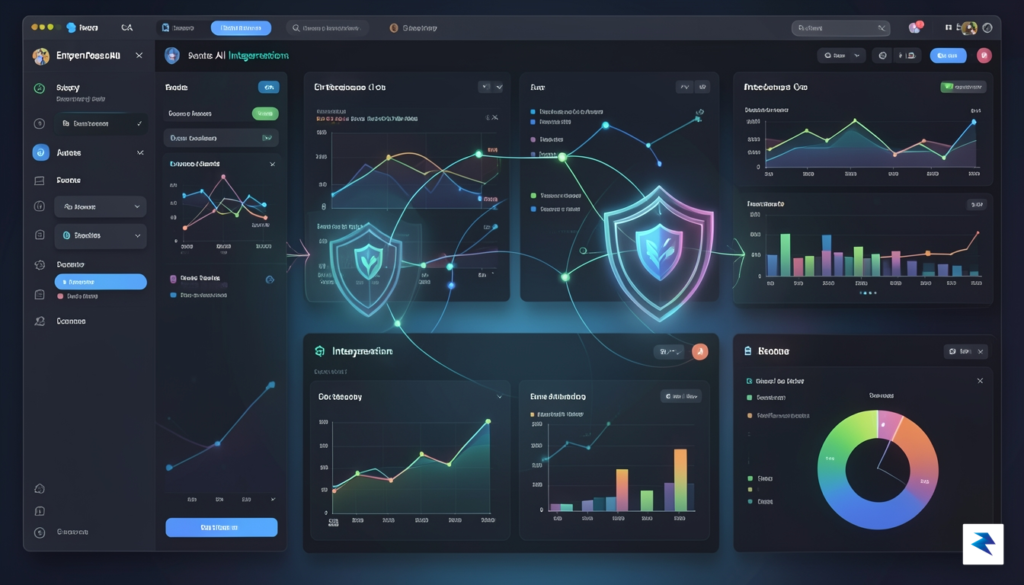
For large-scale organizations, the arrival of advanced models like the rumored GPT-5.6 is less about raw computational power and more about the delicate equilibrium between performance and risk mitigation. Integrating these systems requires a fundamental shift in how IT leadership views security, moving away from reactive patching toward a philosophy of “AI safety by design.” This approach mandates that security guardrails are not merely bolted onto the final product but are woven into the very architecture of the model’s deployment. By prioritizing robust filtering mechanisms, organizations can ensure that the immense reasoning capabilities of the next generation of AI are harnessed without exposing corporate infrastructure to hallucinations, data leakage, or unauthorized access vectors.
To navigate this transition effectively, IT decision-makers must demand radical transparency regarding how their sensitive data is handled during inference and fine-tuning cycles. OpenAI’s shift toward more granular control over model training transparency means that businesses can now better verify that their proprietary intellectual property is not being assimilated into the base model weights. When evaluating potential integrations, technical leaders should prioritize vendors who provide verifiable audit trails and clear data residency options. Asking the right questions—specifically regarding how the model separates private enterprise data from the public training corpus—is the most effective way to safeguard institutional integrity while maintaining a competitive edge.
True enterprise readiness is defined not by the capability of the model, but by the maturity of the governance framework surrounding its use.
Beyond data privacy, the practical implementation of these safety protocols involves a rigorous vetting process that includes several key pillars:

Ultimately, the transition to more powerful models should be viewed as a collaborative effort between developers and security teams. Rather than treating safety protocols as obstacles to innovation, forward-thinking enterprises are using these guardrails to create a stable, predictable environment where AI can function reliably. By establishing these secure foundations today, organizations can ensure that when the next iteration of generative technology arrives, they are positioned to deploy it immediately, securely, and with full confidence in the integrity of their data ecosystems.

As advanced AI capabilities, exemplified by the anticipated release of models like GPT-5.6, increasingly integrate into business operations, the traditional pace of external regulatory bodies often struggles to keep up. This creates a critical imperative for organizations to establish robust, adaptive internal governance frameworks. Proactive governance is no longer just a best practice; it has become an essential business competency, vital for mitigating risks, ensuring ethical deployment, and maximizing the strategic advantages of these powerful tools.
Establishing a resilient internal AI governance framework necessitates a multi-faceted approach, built upon clearly defined pillars. These foundational elements ensure that AI development and deployment are both innovative and responsible. Key pillars include accountability, where clear ownership for AI system outcomes is assigned across teams; transparency, requiring an understanding of how AI models function and make decisions, even if not fully explainable; fairness, which mandates proactive measures to identify and mitigate algorithmic biases; and security, encompassing the protection of data inputs, outputs, and the AI models themselves. Furthermore, ethical considerations and adherence to evolving compliance standards form the bedrock of sustainable AI integration, guiding every stage from development to deployment.
A cornerstone of effective internal governance is the development and enforcement of comprehensive acceptable-use policies (AUPs) tailored specifically for advanced AI models. These policies must clearly delineate what employees can and cannot do with AI tools, providing explicit guidelines on data privacy, intellectual property, and the ethical implications of AI-generated content. For instance, AUPs should forbid the input of sensitive customer data or proprietary company secrets into public AI models without explicit, secure channels. They must also address the verification of AI outputs, mandating human review for critical decisions or public-facing content, thus safeguarding against misinformation or brand damage. Regular training and awareness programs are crucial to ensure that all employees understand these policies and their individual responsibilities in maintaining AI integrity.
Beyond policy, continuous vigilance is paramount, particularly regarding the inherent challenges of AI output, such as bias and hallucinations. Advanced models, trained on vast datasets, can inadvertently perpetuate or amplify societal biases present in their training data, leading to unfair or discriminatory outcomes. Simultaneously, they may generate plausible-sounding but factually incorrect information, known as hallucinations, which can have significant repercussions if unchecked. Therefore, organizations must implement rigorous monitoring protocols, employing both automated tools and human oversight to detect and correct these issues. This includes regular audits of AI-generated content, performance metrics that track fairness and accuracy, and feedback loops that allow users to report problematic outputs for review and model refinement.
Ultimately, the human element remains indispensable in enterprise AI, underscoring the vital role of human-in-the-loop (HITL) oversight. While advanced AI can automate vast amounts of work, critical decisions, ethical evaluations, and strategic direction require human judgment. HITL ensures that AI systems operate within defined parameters, align with organizational values, and adapt to unforeseen circumstances. This doesn’t mean humans merely correct AI errors; it means they actively guide, interpret, and validate AI outputs in high-stakes scenarios, ensuring compliance with internal policies and external regulations. By integrating human expertise at key junctures, businesses can leverage the speed and scale of AI while maintaining control, accountability, and ethical integrity, transforming AI from a potential risk into a powerful, reliable asset.

Beyond the speculative headlines, the imminent arrival of OpenAI’s GPT-5.6 signals a profound shift in the practical application of artificial intelligence within enterprise environments. This isn’t merely an incremental upgrade; it represents a significant leap towards tangible efficiency improvements and a fundamental redefinition of how teams operate. The new model promises to move AI from a helpful tool to an integral, proactive partner, driving productivity gains that could reshape entire industries by streamlining complex processes and augmenting human capabilities in unprecedented ways.
A key enabler of this transformation will be GPT-5.6’s advanced multi-modal reasoning capabilities coupled with sophisticated task automation. Unlike previous iterations that primarily excelled with text, GPT-5.6 is expected to seamlessly process and generate information across various modalities—text, image, audio, and potentially video—with a more cohesive understanding. Imagine an AI that can analyze a complex engineering diagram, cross-reference it with textual specifications and spoken project notes, and then automatically generate a comprehensive progress report or identify potential design flaws. This robust multi-modal understanding empowers the automation of intricate tasks previously requiring human synthesis across disparate data types, significantly reducing manual effort and accelerating project timelines from content creation to data analysis and compliance checks.
Crucially, GPT-5.6 is poised to usher in a more widespread era of agentic AI, moving beyond the reactive, conversational models we’re largely familiar with. Current AI often acts as a sophisticated assistant, responding to specific prompts. Agentic AI, however, is designed to be proactive, goal-oriented, and capable of executing multi-step plans autonomously, including self-correction when faced with obstacles. This means an AI could take on a project brief, break it down into sub-tasks, delegate to other systems or human team members, monitor progress, and even adapt its strategy based on real-time feedback, all without constant human oversight. For businesses, this translates into AI not just answering questions, but actively managing workflows, orchestrating complex operations, and even driving strategic initiatives from conception to completion.
Another significant operational impact will be the drastic reduction in latency across enterprise workflows. Many current business processes are bogged down by information silos, manual hand-offs, and the time required for human analysis and decision-making. GPT-5.6’s enhanced processing speed, superior reasoning, and ability to integrate vast amounts of data in real-time can dramatically shorten these cycles. From instantaneous market analysis and fraud detection to accelerated product development iterations and dynamic supply chain optimization, decisions that once took hours or days could be made in minutes. This real-time responsiveness allows organizations to be far more agile, capitalize on fleeting opportunities, and mitigate risks with unprecedented speed and precision.
To truly grasp the potential, consider contrasting current workflows with AI-augmented processes. In a traditional scenario, a marketing team might spend days gathering market research, analyzing competitor campaigns, drafting various content pieces, and coordinating across different platforms. With GPT-5.6, an agentic AI could autonomously monitor market trends, synthesize competitor strategies from multi-modal sources, generate initial campaign concepts and copy tailored to specific demographics, and even schedule content distribution, all while ensuring brand consistency. The human team’s role would then shift from tedious execution to strategic oversight, refining AI-generated outputs, focusing on high-level creativity, and leveraging the AI to amplify their strategic impact, ultimately freeing up valuable human capital for innovation and more complex problem-solving.

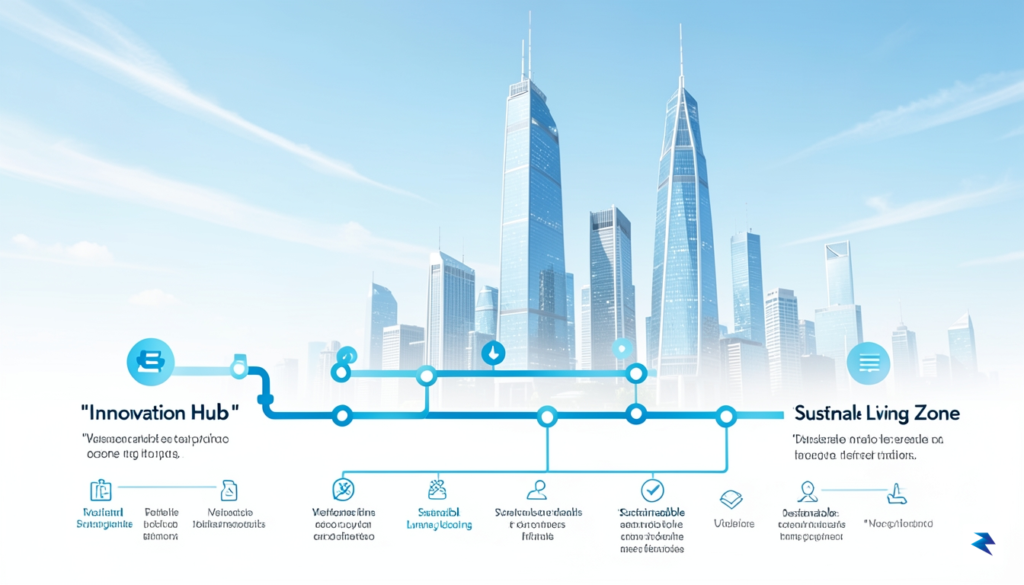
The impending arrival of the next iteration of generative AI necessitates a shift in mindset from treating these tools as novel toys to integrating them as core pillars of organizational infrastructure. Successfully navigating this transition requires a structured, multi-phase roadmap that begins with a comprehensive audit of your current digital ecosystem. Organizations must identify which workflows are currently bottlenecked by manual tasks and determine where high-fidelity AI integration can provide the most immediate return on investment. Once these areas are identified, leadership should launch controlled pilot programs that prioritize data security and clear success metrics, allowing teams to iterate on their processes before moving toward a full-scale enterprise rollout.

Beyond the technical implementation, the human element remains the most significant variable in long-term AI success. Upskilling your workforce is not merely an optional benefit; it is a business imperative that ensures your employees are equipped to collaborate effectively with increasingly sophisticated models. This involves fostering a culture of AI fluency, where team members understand both the capabilities and the inherent limitations of generative technology. By investing in continuous learning initiatives, you empower your staff to move from passive users to active architects of AI-augmented workflows, thereby reducing friction and increasing the overall quality of output across every department.
To support these efforts, your organization must build an AI-resilient tech stack that prioritizes modularity and data integrity. As models evolve, the ability to swap, integrate, or upgrade your underlying AI architecture without disrupting day-to-day operations will become a key competitive advantage. This requires a robust data governance strategy that ensures information is clean, accessible, and compliant with privacy standards. Furthermore, keeping a pulse on the rapidly shifting regulatory landscape is essential; as governments and industry bodies establish new guidelines for AI deployment, your internal policies must remain agile enough to adapt without compromising your operational continuity.
True organizational resilience in the era of advanced AI is found not in the tools you deploy today, but in the institutional capacity to adapt to the breakthroughs of tomorrow.
Finally, remember that the goal of this technological evolution is to create a sustainable, AI-first ecosystem that scales alongside your business objectives. By treating this shift as a long-term strategic transformation rather than a one-time software update, you position your organization to harness the full potential of these emerging models. Stay proactive, remain transparent with your stakeholders about the role of automation, and consistently audit your results to ensure that your AI initiatives remain aligned with your core mission and ethical standards.
You must be logged in to post a comment.