
Top 10 Fun Discord Bots
Are you looking to spice up your Discord server with some fun and engaging bots? Do you want to create an environment that keeps your members…
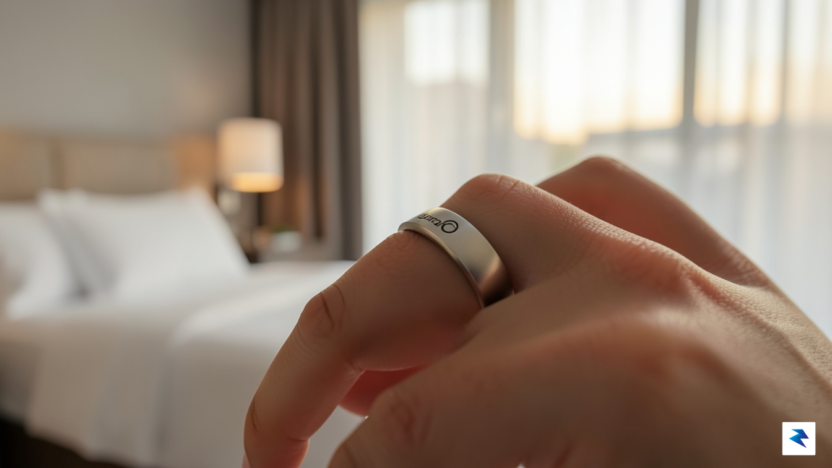
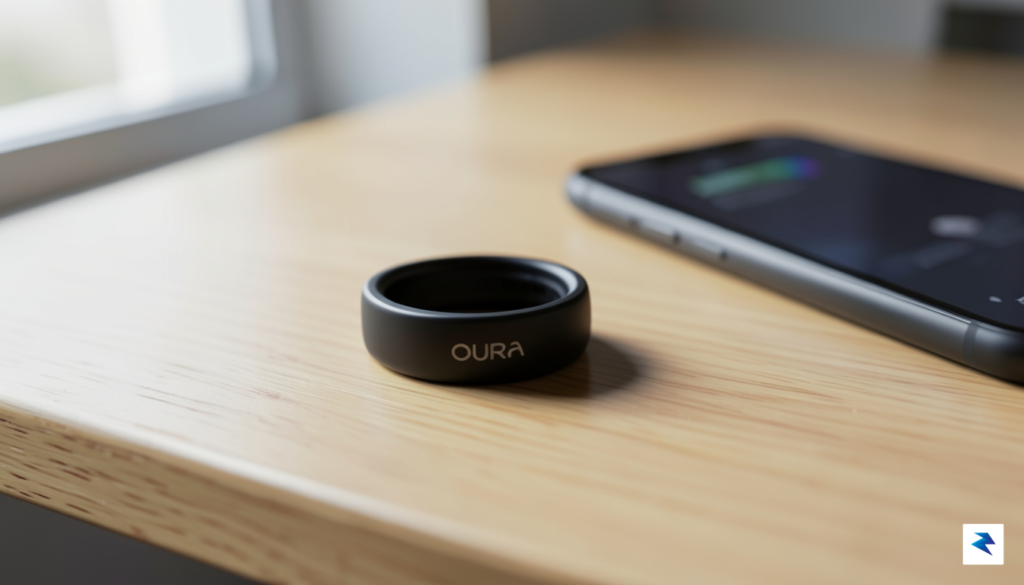
When the original Oura Ring debuted, it functioned primarily as a curiosity—a niche piece of hardware designed for the early adopter interested in little more than basic sleep duration and simple step counting. Over the better part of a decade, however, Oura has methodically redefined the smart ring category, shifting from a peripheral fitness gadget into a central pillar of personal health management. This transformation mirrors the broader evolution of wearable technology, where the industry has pivoted away from merely quantifying movement to decoding the complex biological signatures of the human body. By the time we reach the Gen 5 iteration, the device has successfully transitioned from a passive data logger into a proactive health diagnostic tool that feels as essential to the modern user as a smartphone.
The trajectory from the first generation to the current model has been characterized by a deepening of physiological insight rather than a series of gimmicky feature additions. Early iterations were limited by the sensitivity of their sensors, often providing little more than a snapshot of rest. In contrast, the Gen 5 represents the maturation of a platform that now monitors intricate markers like heart rate variability (HRV), blood oxygen saturation, and skin temperature fluctuations with clinical-grade intent. Today’s consumer no longer asks how many steps they took; they want to understand their physiological response to stress, the impact of their dietary habits on their recovery, and the subtle nuances of their menstrual cycle or metabolic health. The Oura Ring 5 answers these demands by weaving disparate data points into a cohesive narrative of daily wellness.
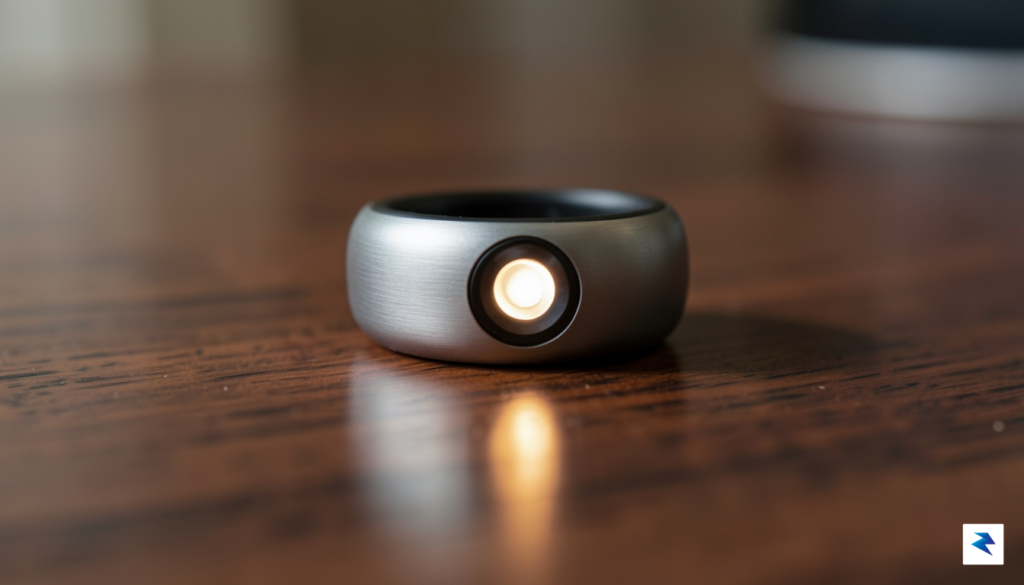
Rather than attempting a radical reinvention that might alienate its loyal user base, the Gen 5 reflects a philosophy of refinement and platform stabilization. Oura has clearly recognized that in a market saturated with wrist-based trackers and smartwatches, the true value of a ring lies in its unobtrusive nature and the quality of its long-term data analysis. By focusing on the consistency and reliability of its metrics, the company has solidified its position as a health essential. This iteration is less about “what is new” and more about “what is better,” cementing the ring’s role as a silent, intelligent partner that monitors the body’s internal state without the constant distraction of a digital screen.
The true success of the Oura Ring 5 lies in its ability to synthesize complex physiological data into actionable guidance, moving the wearer from a state of passive observation to informed health decision-making.
Ultimately, the maturation of the Oura platform highlights a fundamental shift in how we interact with our own health data. We have moved past the era of vanity metrics toward an era of internal optimization. The Gen 5 is not just a piece of jewelry or a tech accessory; it is a sophisticated sensor array that has earned its place as a cornerstone of the modern health-conscious lifestyle. As the market continues to evolve, Oura’s commitment to refining its core insights ensures that it remains the benchmark against which all other smart rings are measured.
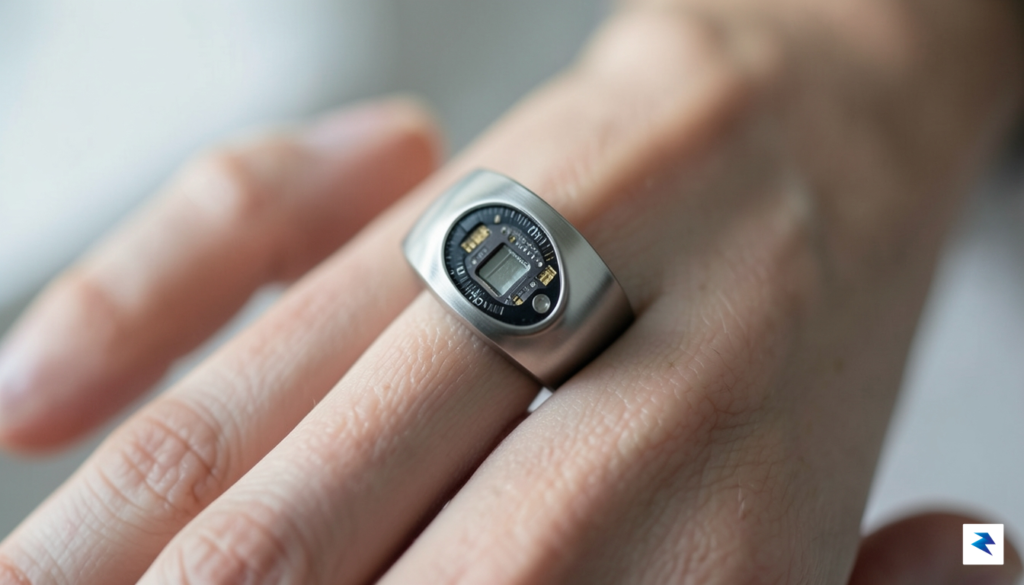
The hallmark of a truly exceptional wearable is its ability to effectively vanish into the background of your daily existence, and the Oura Ring 5 excels in this regard. While many competitors focus on bulky tech-forward aesthetics, Oura has refined its hardware to prioritize a lightweight, organic feel that makes you forget you are wearing a piece of advanced biometric circuitry. By utilizing a high-grade titanium chassis, the Gen 5 achieves an impressive balance between industrial-grade durability and featherlight comfort. This material choice isn’t just about aesthetics; it provides remarkable scratch resistance that stands up to the rigors of gym sessions, manual labor, and the inevitable bumps of everyday life, ensuring the ring maintains its premium finish long after the unboxing experience.
One of the most significant engineering triumphs in this iteration is the management of the internal sensor profile. Oura has meticulously flattened the internal “bumps” that house the LED sensors and electrodes, resulting in a flush, seamless fit against the skin. This reduction in protrusion is a game-changer for long-term wearability, as it minimizes the pressure points often associated with smart rings during intense exercise or while clenching the hand. Because the ring sits more comfortably against the finger, it maintains superior contact for data collection without needing to be tightened to an uncomfortable degree. Whether you are typing at a desk, lifting weights, or drifting off to sleep, the Gen 5 remains unobtrusive, proving that high-fidelity health tracking does not require sacrificing physical comfort.
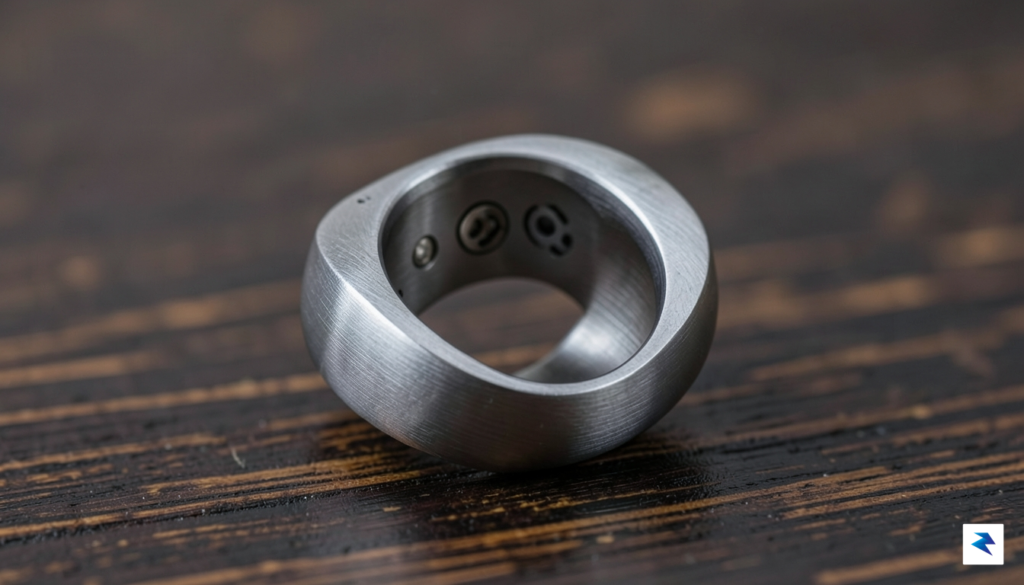
When stacked against the growing field of competitors, such as the Samsung Galaxy Ring, the Oura Ring 5 distinguishes itself through a more refined, jewelry-first design philosophy. While the Galaxy Ring leans into a concave, tech-centric look, the Oura maintains a classic, rounded band aesthetic that blends effortlessly with traditional rings or watches. This design choice is critical for those who view their health tracker as a permanent accessory rather than a piece of disposable hardware. The weight distribution is perfectly centered, preventing the ring from rotating excessively on the finger—a common frustration with heavier, top-weighted smart rings. Ultimately, the form factor of the Gen 5 is a testament to the idea that the best technology is the kind that you don’t have to think about, allowing the focus to remain squarely on your health metrics rather than the device itself.
The true success of the Gen 5 lies in its invisibility; by slimming down the internal sensor profile and utilizing lightweight titanium, Oura has created a device that feels like a natural extension of the wearer.
Furthermore, the variety of finishes offered by Oura ensures that the hardware can be personalized to suit individual style preferences without compromising on the underlying tech. From the understated matte black to the polished gold or silver, the coating process is robust enough to resist fading, keeping the ring looking sophisticated in both professional and casual environments. This commitment to form factor demonstrates that Oura understands the unique challenge of the smart ring market: users want the data, but they refuse to compromise on their personal style or physical comfort. By successfully merging these two worlds, the Gen 5 solidifies its position as the gold standard for those who demand both aesthetic elegance and uncompromising biometric accuracy.
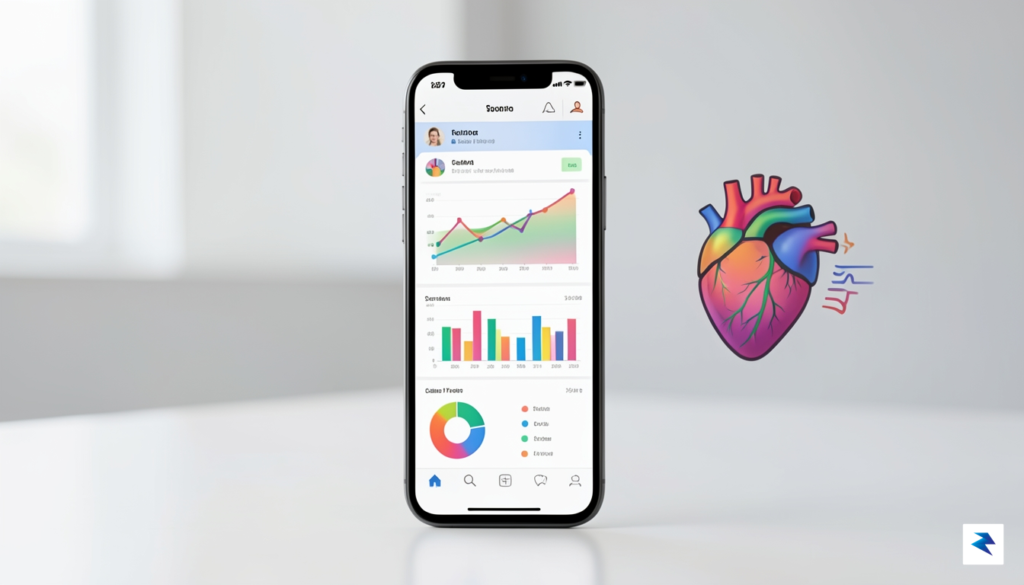
The Oura Ring 5 remains a masterclass in miniaturized biometric monitoring, primarily due to its sophisticated array of internal sensors. At its core, the device utilizes advanced photoplethysmography (PPG) sensors that measure blood volume changes through the skin of your finger—a location that, unlike the wrist, offers a much more stable signal for heart rate and blood oxygen (SpO2) monitoring. Complementing these optical sensors are medical-grade NTC temperature sensors and a high-fidelity 3D accelerometer. Together, these components track everything from subtle variations in nocturnal skin temperature to the precise movement patterns that define your rest and activity throughout the day.
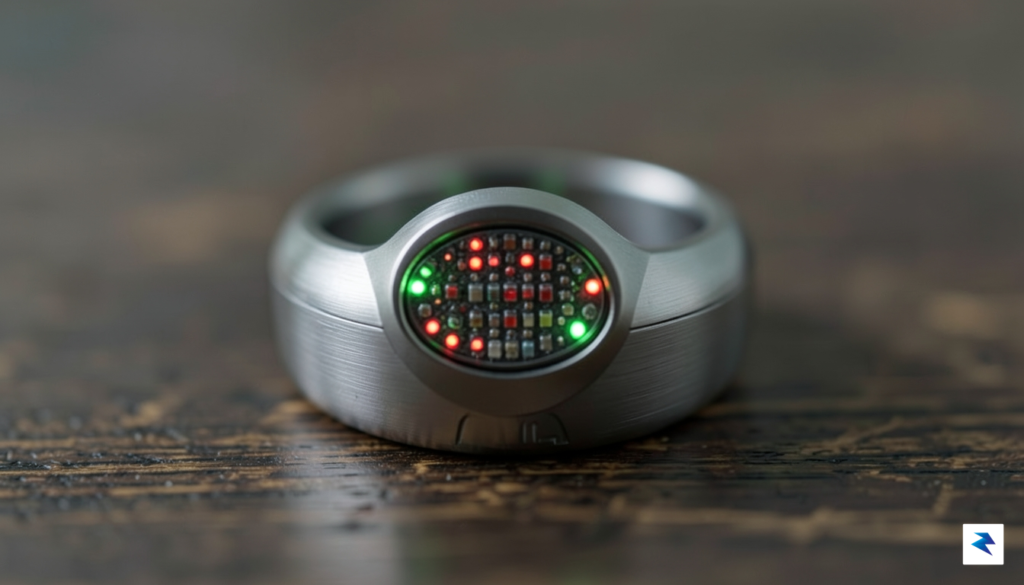
When compared to clinical-grade benchmarks and high-end multisport watches, the Oura Ring 5 demonstrates remarkable consistency. While wrist-based wearables often struggle with “signal noise” caused by arm movement during exercise, the finger-based positioning of the Oura minimizes these artifacts, leading to highly accurate Heart Rate Variability (HRV) readings. HRV is arguably the ring’s most vital metric, acting as a window into your autonomic nervous system. By analyzing the millisecond-level intervals between heartbeats, the ring provides an objective look at your physiological stress levels, allowing users to distinguish between genuine physical fatigue and simple lack of sleep.
The true value of this hardware, however, lies in how Oura’s proprietary algorithms synthesize raw data into the signature Readiness Score. Rather than simply presenting a wall of numbers, the app aggregates your sleep quality, resting heart rate, recovery time, and body temperature trends into a single, actionable percentage. This score effectively acts as a “gas gauge” for your body, helping you decide whether to push for a personal best in the gym or prioritize active recovery.
The Readiness Score is more than just a metric; it is a behavioral nudge that encourages users to listen to their physiological signals rather than relying on sheer willpower alone.
Ultimately, the Oura Ring 5 succeeds because it balances technical precision with high-level interpretation. While other devices might offer more granular data points, Oura excels at translating complex biometric trends into meaningful life adjustments. By consistently tracking your baseline and alerting you to deviations—such as a dip in HRV combined with a rise in temperature—the ring acts as an early warning system for oncoming illness or overtraining, solidifying its place as the gold standard for those who prioritize long-term wellness over short-term data vanity.
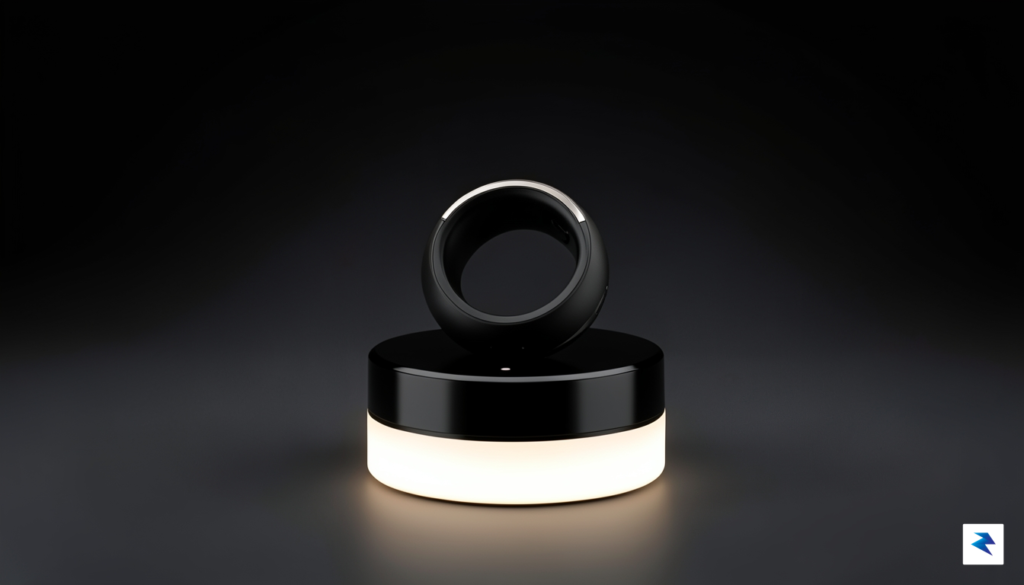
For any wearable device, the true test of utility lies in its ability to disappear into the background of your life, and the Oura Ring 5 continues to excel in this regard through its refined power management. In real-world testing, the device consistently delivers between five and seven days of battery life on a single charge, even with continuous SpO2 monitoring and heart rate tracking enabled throughout the night. While heavy users who frequently toggle high-drain features like “Workout Heart Rate” might see that number dip toward the four-day mark, the consistency remains impressive for a device of this form factor. This longevity is crucial because it transforms the ring from a gadget that requires constant maintenance into a “set it and forget it” health companion.
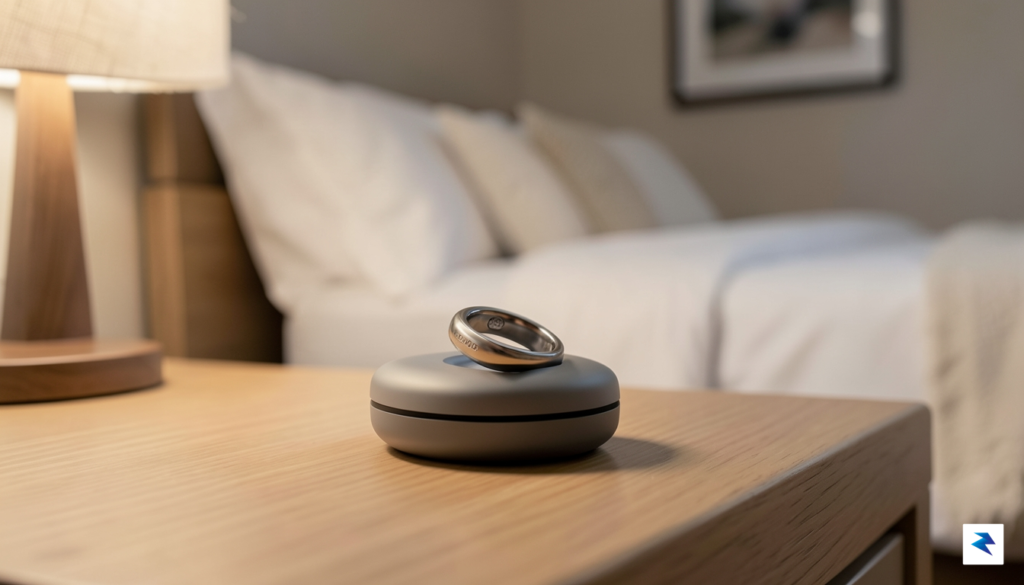
The charging ecosystem remains one of the most elegant designs in the wearable market. The proprietary charging puck is compact, unobtrusive, and features a weighted base that prevents it from sliding off your nightstand. When you do need to top up, the charging speed is remarkably efficient; the ring typically reaches a full charge in roughly 60 to 80 minutes. Because the charging process is so rapid, the most effective strategy for ensuring 24/7 data continuity is to integrate it into a brief, non-active part of your day. By placing the ring on its charger while you shower or get ready in the morning, you can easily maintain a high battery percentage without ever sacrificing those critical sleep data points that Oura users value most.
To maximize the longevity of your battery, aim to keep the charge level between 30% and 80% rather than letting it drain to zero; this practice helps preserve the long-term health of the internal lithium-ion cell.
Practicality is further enhanced by the intuitive battery notifications provided within the Oura app. Rather than leaving you to guess your status, the app sends a polite push notification when your battery levels drop below 20%, ensuring you are never caught off-guard during an overnight tracking session. If you find yourself traveling, the puck’s small footprint makes it far more portable than the bulky charging cradles required for most smartwatches. Ultimately, the Oura Ring 5 succeeds by making the charging cycle a minor, infrequent ritual rather than a daily chore, allowing the hardware to remain a seamless extension of your health journey rather than another device demanding your time.
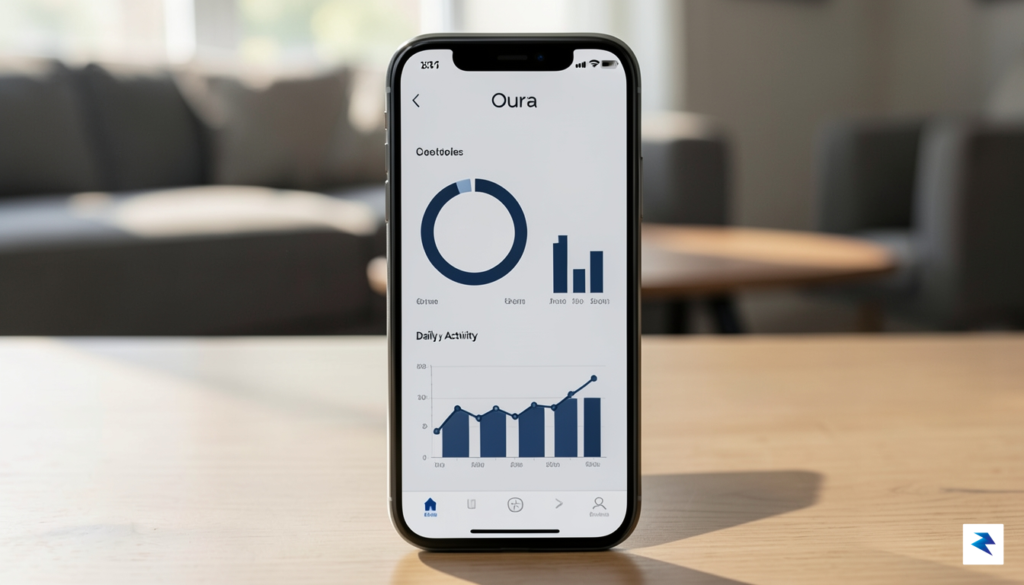
While the hardware of the Oura Ring 5 is undeniably sleek, the true magic—and the source of its potential frustration—resides entirely within the companion application. Oura has spent years refining its user interface, resulting in a dashboard that is arguably the gold standard for wearable health data. The app presents complex physiological metrics like Readiness, Sleep, and Activity scores in a clean, digestible format that avoids the “data dump” trap many competitors fall into. By translating raw heart rate variability and temperature fluctuations into actionable advice, the app feels less like a clinical monitor and more like a personalized wellness coach, guiding users toward better recovery habits without overwhelming them with jargon.
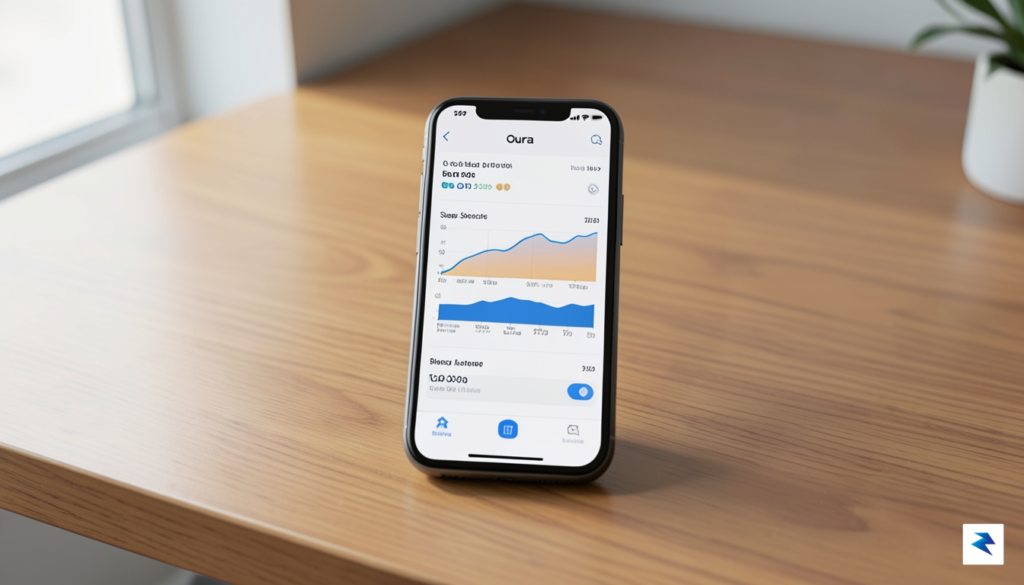
However, this elegant experience comes with a significant caveat: the mandatory subscription model. To access the full breadth of Oura’s historical data, deep insights, and advanced trend analysis, users must commit to a recurring monthly fee. Without this membership, the app is effectively neutered, relegated to displaying only the most basic daily numbers. For many, this gating creates a psychological barrier; after investing a premium price for the ring itself, the prospect of a perpetual “subscription tax” can feel like a bridge too far, especially when brands like Garmin or Withings offer robust app ecosystems without demanding a monthly toll.
The value of the Oura membership isn’t just in the data collection, but in the longevity of the insights provided; without the subscription, you are essentially buying a window that closes every 24 hours.
When analyzing the value proposition, one must weigh the quality of the insights against the recurring cost. The membership unlocks features like long-term trend tracking, personalized health guidance, and an ever-expanding library of educational content. For the dedicated bio-hacker or the user genuinely invested in optimizing their sleep and stress levels, these features provide a depth of nuance that few free apps can replicate. Conversely, for the casual user who simply wants to see how many hours they slept, the subscription feels like an unnecessary premium for features they may rarely utilize. Ultimately, Oura is betting that its ecosystem is sticky enough to justify the ongoing cost, transforming a piece of jewelry into an essential, living service that evolves alongside your personal health journey.
Deciding whether the Oura Ring 5 belongs on your finger requires an honest look at your personal health goals and your tolerance for subscription-based ecosystems. If you are a sleep-obsessed user who prioritizes recovery data above all else, the Oura remains the gold standard. Its ability to correlate circadian rhythms with daily activity is unmatched by the Samsung Galaxy Ring, which, while sleek, still lacks the deep longitudinal analysis that Oura has spent years perfecting. Conversely, if you are a high-performance athlete, a dedicated wearable like a Whoop strap might serve you better, as its focus on strain and metabolic recovery is specifically engineered for those pushing their physical limits daily.
For those considering their first smart ring purchase, the Oura Ring 5 represents a significant investment, not just in hardware, but in the ongoing monthly membership fee. You must ask yourself if you genuinely intend to use the long-term trend data, or if you simply want a passive step counter. If you are a casual health monitor who enjoys the convenience of a smartwatch—with its real-time notifications, GPS tracking, and display screen—you may find the Oura’s “invisible” approach too passive. The ring is designed for those who want to improve their health in the background without being tethered to a digital screen or constant pings from their wrist.
The Oura Ring 5 is not merely a gadget; it is a long-term commitment to health tracking that favors accuracy and sleep hygiene over flashy, wrist-based connectivity.
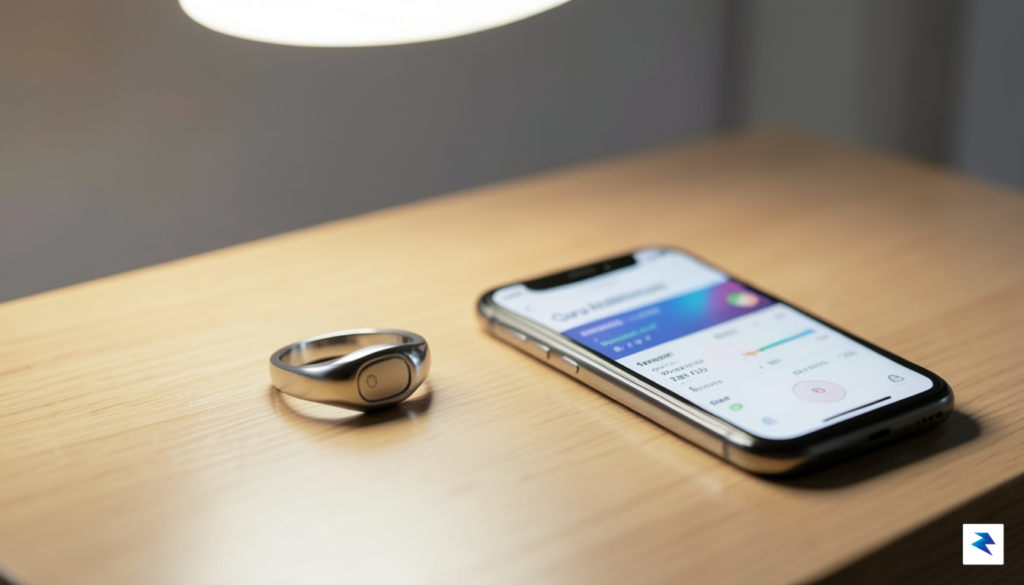
If you are currently an owner of the Oura Gen3, the decision to upgrade hinges on the value you place on the refined sensor array and the improved comfort profile of the new hardware. While the core experience remains familiar, the incremental improvements in battery efficiency and sensor accuracy are noticeable for power users who rely on precise nocturnal data. However, if your current ring is still holding a charge and providing consistent data, there is no immediate pressure to switch; the software ecosystem is largely unified, meaning you aren’t missing out on the foundational insights that made Oura a market leader in the first place.
Ultimately, the Oura Ring 5 remains the king of the smart ring category because it refuses to compromise on its core mission: actionable sleep and recovery intelligence. It is the perfect companion for the professional who wants to optimize their daily energy without wearing a bulky sports watch to a formal event. If you value discretion, aesthetic elegance, and industry-leading sleep algorithms, the Oura is worth every penny. If you require real-time training metrics, a screen for navigation, or a one-time purchase without recurring fees, you might be better served by exploring traditional smartwatches or competitive trackers that align more closely with your active lifestyle.
You must be logged in to post a comment.